

About the Procedure
Inspire therapy is a form of upper-airway (hypoglossal nerve) stimulation for obstructive sleep apnea. A small device implanted under the skin senses your breathing and delivers mild stimulation to the nerve that controls tongue movement, advancing the tongue slightly during each breath to keep the airway open.
It is designed for adults with moderate to severe obstructive sleep apnea who have not been able to use CPAP and who meet specific criteria, including a body-mass index within an accepted range and an airway collapse pattern that responds to tongue advancement. A drug-induced sleep endoscopy is usually performed first to confirm a suitable collapse pattern.
At Norelle Health, Inspire is considered only after a careful workup confirms candidacy. The goal is to offer a mask-free option for the right patients while setting realistic expectations about results and the steps involved.
Who may be a candidate
Candidacy is specific. Inspire is generally considered for adults with moderate to severe obstructive sleep apnea who have struggled with CPAP, have a body-mass index within the accepted range, and have a suitable airway pattern confirmed on sleep endoscopy.
Patients with complete concentric palatal collapse, very high apnea severity, or certain other conditions may not be candidates, and alternatives are discussed in those cases.
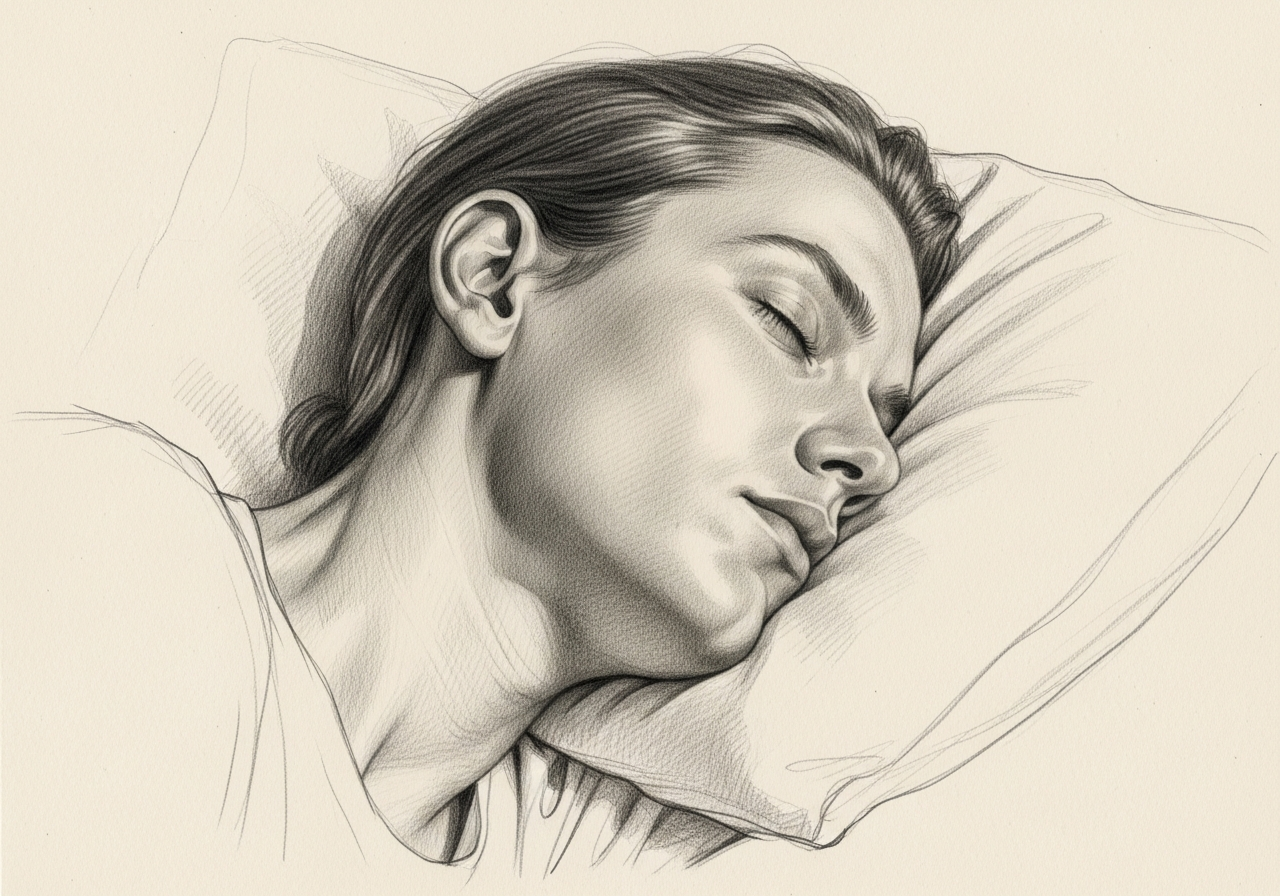
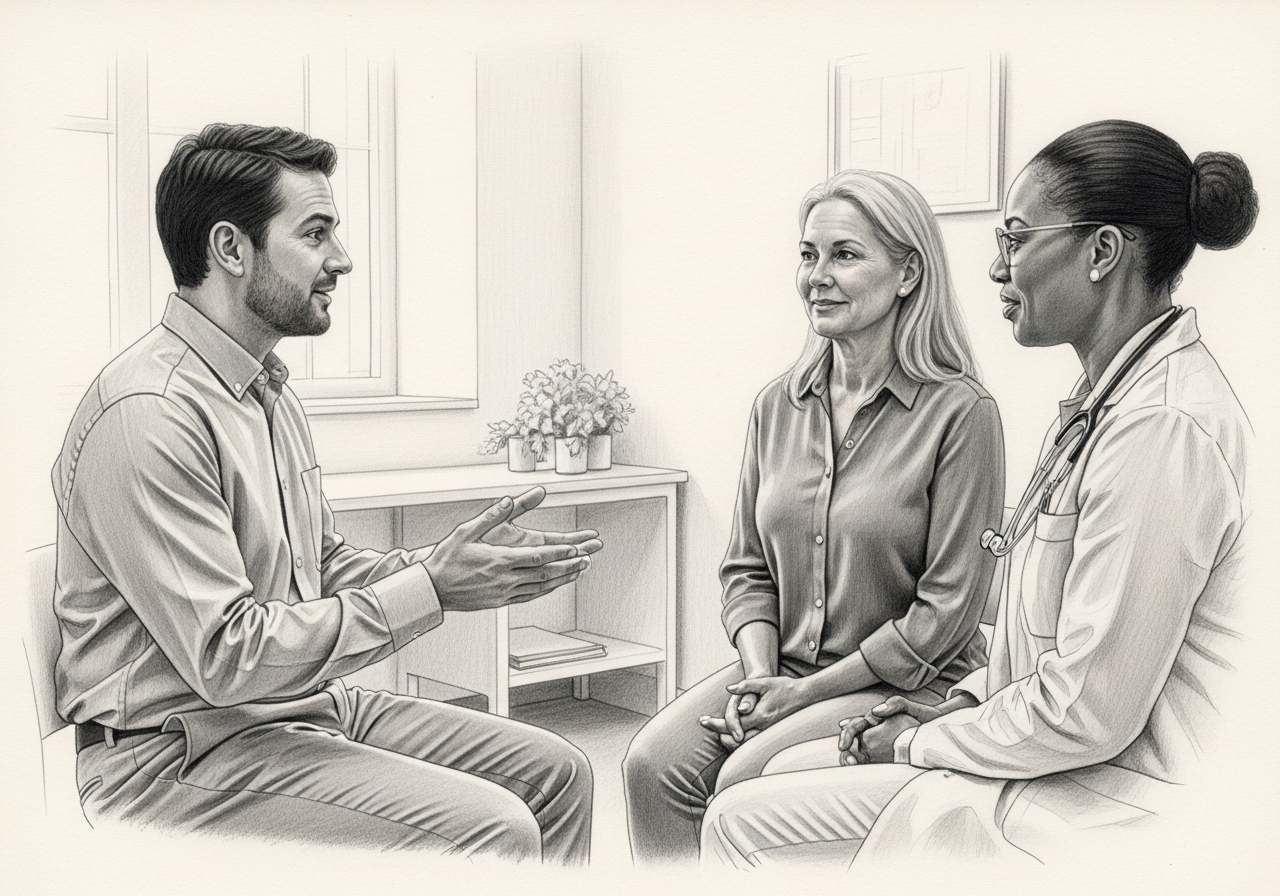
Considering inspire therapy? The next step is a quiet, unhurried conversation.
How it is performed
The device is implanted during an outpatient operation under general anesthesia. A stimulation lead is placed on the nerve that moves the tongue, a sensing lead detects breathing, and a small generator is positioned under the skin of the upper chest.
A drug-induced sleep endoscopy is typically completed beforehand to confirm the airway responds to tongue advancement. The procedure does not remove or reshape tissue.
Recovery and aftercare
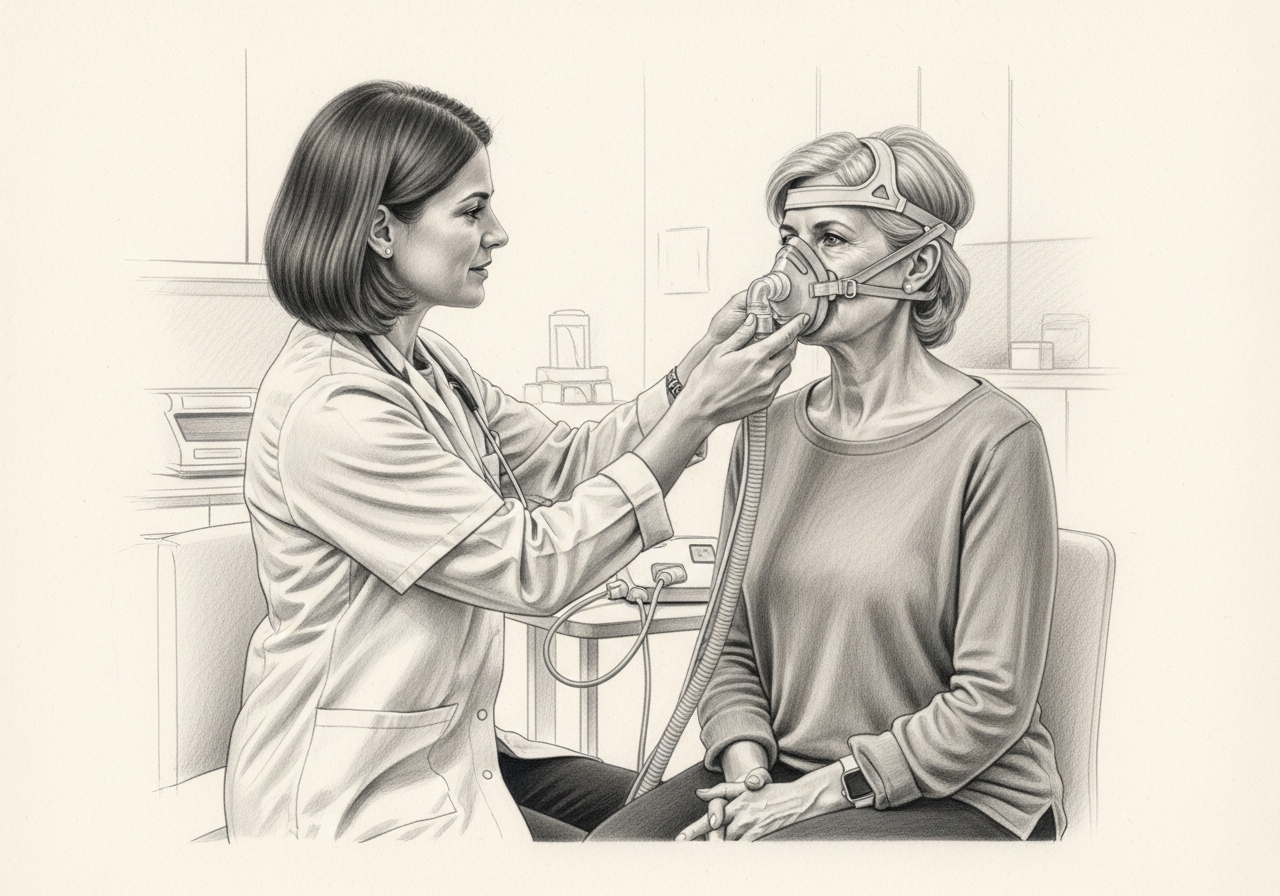
Recovery is usually manageable, with soreness at the incision sites that improves over days to weeks.
- Limit heavy lifting and vigorous arm movement for several weeks
- The device stays off until healing is well underway
- Activation occurs at a follow-up visit, then settings are gradually adjusted
- A sleep study after activation helps fine-tune the therapy
- You control the device nightly with a small remote
Risks and alternatives
Possible risks include discomfort at the implant sites, temporary tongue weakness or soreness, tongue abrasion from stimulation, infection, and the small chance of needing device or lead revision. Some patients do not achieve adequate control and may need additional treatment.
Alternatives include continued efforts with CPAP, oral appliance therapy, weight management, and airway surgery such as palate, tongue-base, or jaw procedures.
Results and follow-up
Many appropriately selected patients experience reduced apnea events and less daytime sleepiness once the device is activated and optimized. Results vary with anatomy and adherence to nightly use.
Follow-up includes settings adjustments, periodic device checks, and a sleep study to confirm effectiveness. The generator battery is replaced after several years in a minor procedure.
Clinical references
- American Academy of Sleep Medicine (https://sleepeducation.org)
- American Academy of Otolaryngology–Head and Neck Surgery (https://www.entnet.org)
Medical review
This page is a patient-education resource reviewed by the responsible Norelle Health clinician before publication. It does not replace an in-person evaluation. If symptoms are severe or rapidly worsening, seek immediate medical care.
Specialists who perform inspire therapy
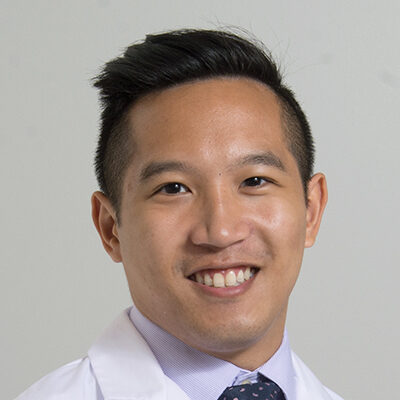
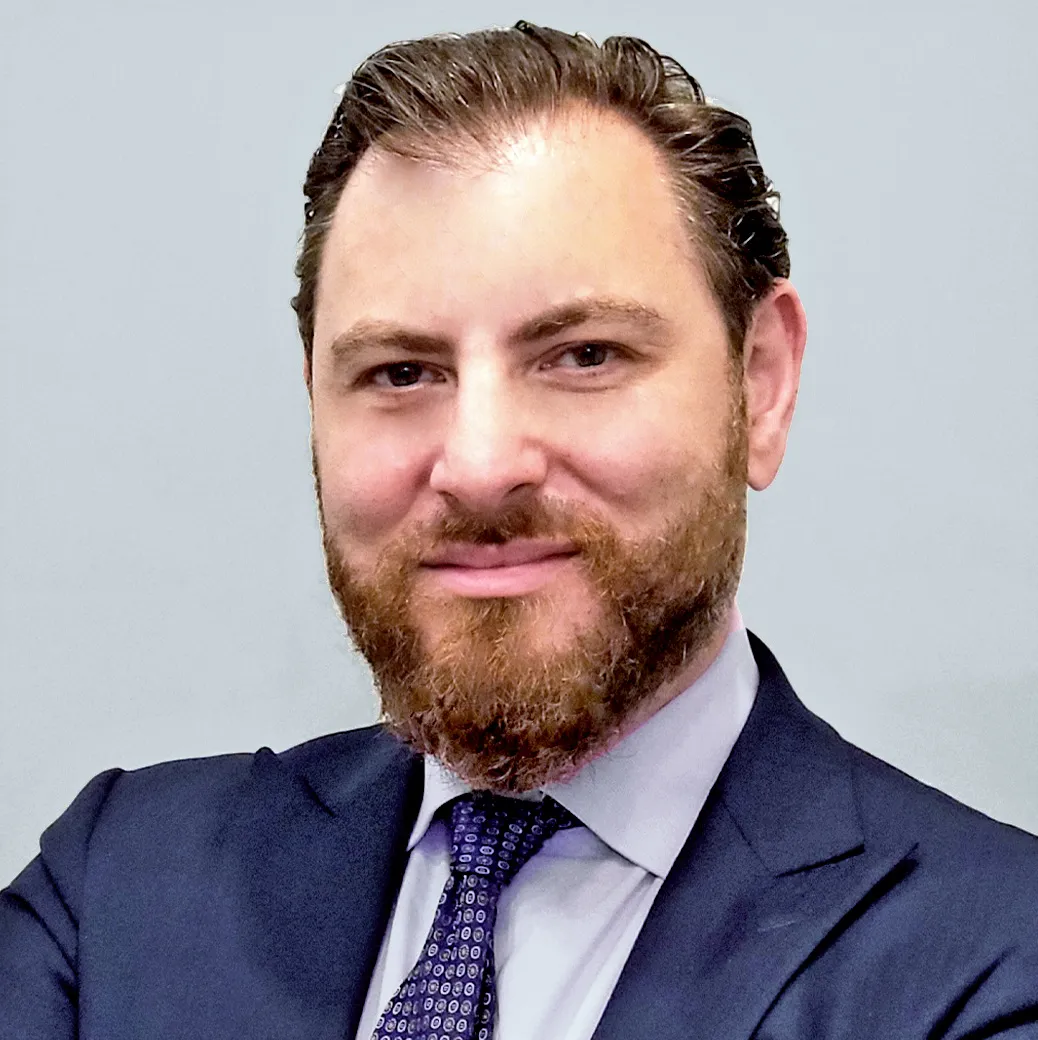
Dr. Adrian Ong
MD
Board-Certified Facial Plastic & Reconstructive and Head & Neck Surgeon
Dr. Adrian Ong is a board-certified surgeon who practices exclusively on the face, head, and neck, with expertise spanning rhinoplasty, sinus surgery, facial trauma, reconstruction, and sleep surgery.
- Functional and aesthetic rhinoplasty (including revision)
- Sinus surgery and complex revision sinus surgery
- Facial trauma and nasal fractures
- Head and neck cancer surgery and microvascular reconstruction
Also caring for this area
Not sure who to see? Our patient coordination team can help match you with the right specialist.
(212) 444-8006Frequently Asked Questions
An implanted device senses your breathing and gently stimulates the nerve that moves the tongue, advancing it slightly during each breath to keep the airway open. You turn it on before sleep with a small remote.
It is generally for adults with moderate to severe obstructive sleep apnea who cannot tolerate CPAP, are within an accepted body-mass index range, and have a favorable airway collapse pattern confirmed on sleep endoscopy.
Yes. A drug-induced sleep endoscopy is usually performed to confirm that the airway responds to tongue advancement, along with a review of your sleep study and overall health.
It is an outpatient procedure under general anesthesia. Most patients go home the same day and return to light activity within a few days, limiting strenuous arm motion for several weeks.
The device is activated at a follow-up visit after healing is well underway, typically about a month after surgery, and is then gradually adjusted for comfort and effectiveness.
Many patients adapt to the sensation quickly, and settings are adjusted to be effective yet comfortable. Mild tongue soreness or movement is common, especially early on.
Options include continued CPAP optimization, oral appliance therapy, weight management, and surgical procedures on the palate, tongue base, nose, or jaw depending on your anatomy.
Related Conditions

Related Procedures

Request a consultation about inspire therapy
Schedule a consultation with our team to discuss whether this procedure is the right option for you.