
About the Procedure
Endoscopic pituitary surgery is performed through the nasal corridor for selected pituitary and sellar lesions. The decision integrates hormone activity, vision, MRI anatomy, medication options, the neurosurgical and rhinologic roles, reconstruction needs, and postoperative endocrine monitoring.
The pituitary gland sits at the base of the brain behind the nose, and tumors there can affect hormone levels or press on the optic nerves. This approach reaches the gland through the nose and sphenoid sinus, avoiding an open skull approach in most cases, and is typically performed by a team that includes an ENT skull-base surgeon and a neurosurgeon, with endocrinology involved in care.
What this evaluation should clarify
A focused evaluation should answer a few key questions before any procedure is recommended:
- Is the underlying diagnosis and treatment goal established with the right examination, imaging, testing, or pathology?
- How does this option compare with continued medical care, a different procedure, observation, or referral to another specialty?
- Which anatomy, prior treatment, other health conditions, benefits, risks, and recovery requirements change the recommendation?
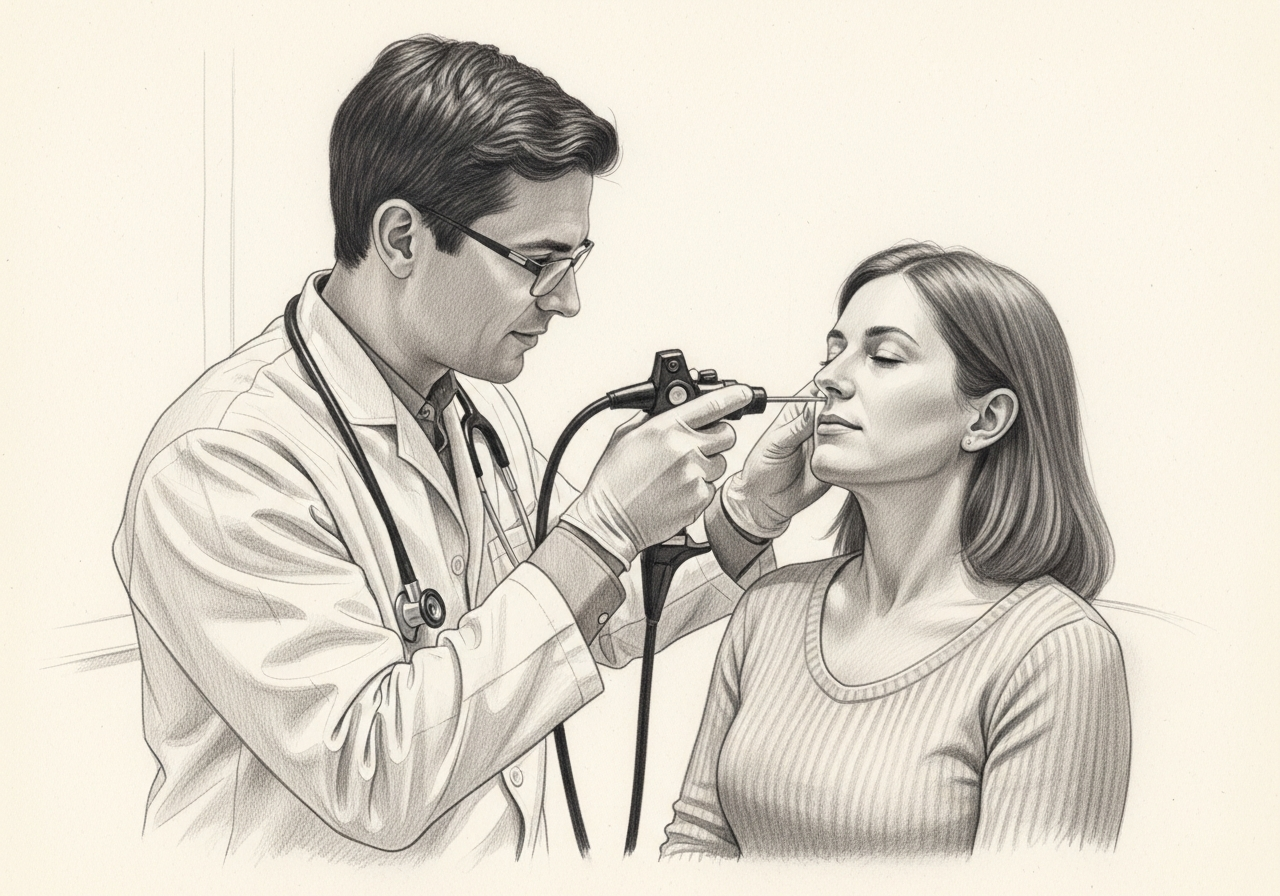
Considering endoscopic pituitary surgery? The next step is a quiet, unhurried conversation.
Evaluation and treatment pathway
The pathway is individualized and generally follows these steps:
- Confirm the diagnosis, the treatment goal, and the reasons a less invasive or nonsurgical approach is not enough.
- Define the lesion and complete endocrine assessment, MRI review, and visual evaluation when relevant; some prolactin-secreting tumors are primarily treated with medication, while vision-threatening, hormonally active, or growing lesions may favor surgery.
- Consider alternatives, including observation, medication, radiation, or a different surgical approach, so that surgery is recommended for the specific tumor rather than as a default.
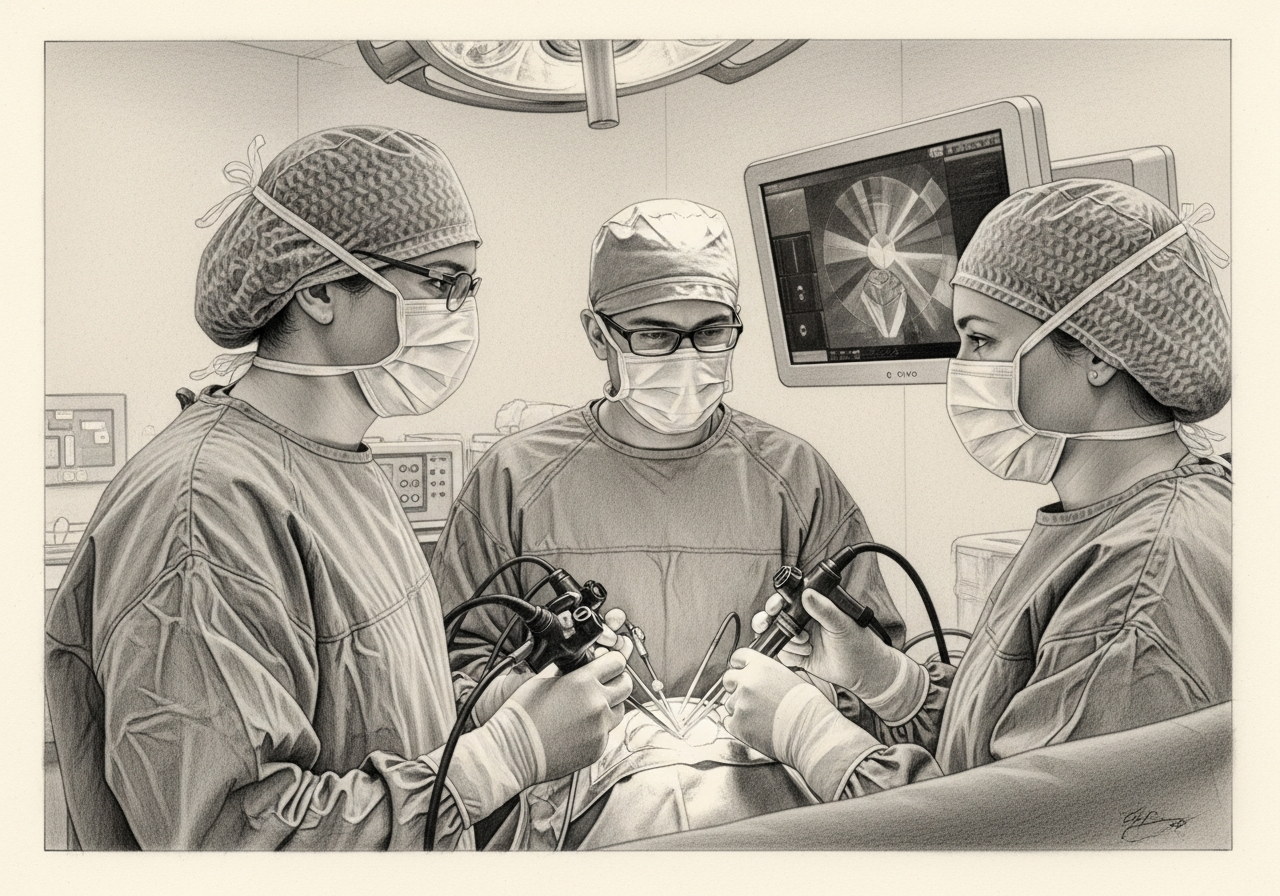
- During surgery, the rhinology and neurosurgical portions create the nasal and sphenoid corridor, expose the sellar region, treat the tumor, and reconstruct the closure.
- Postoperative care may include monitoring for hormone changes, sodium imbalance, diabetes insipidus, vision change, bleeding, and CSF leakage, plus nasal follow-up and long-term endocrine and imaging surveillance.
How it is performed
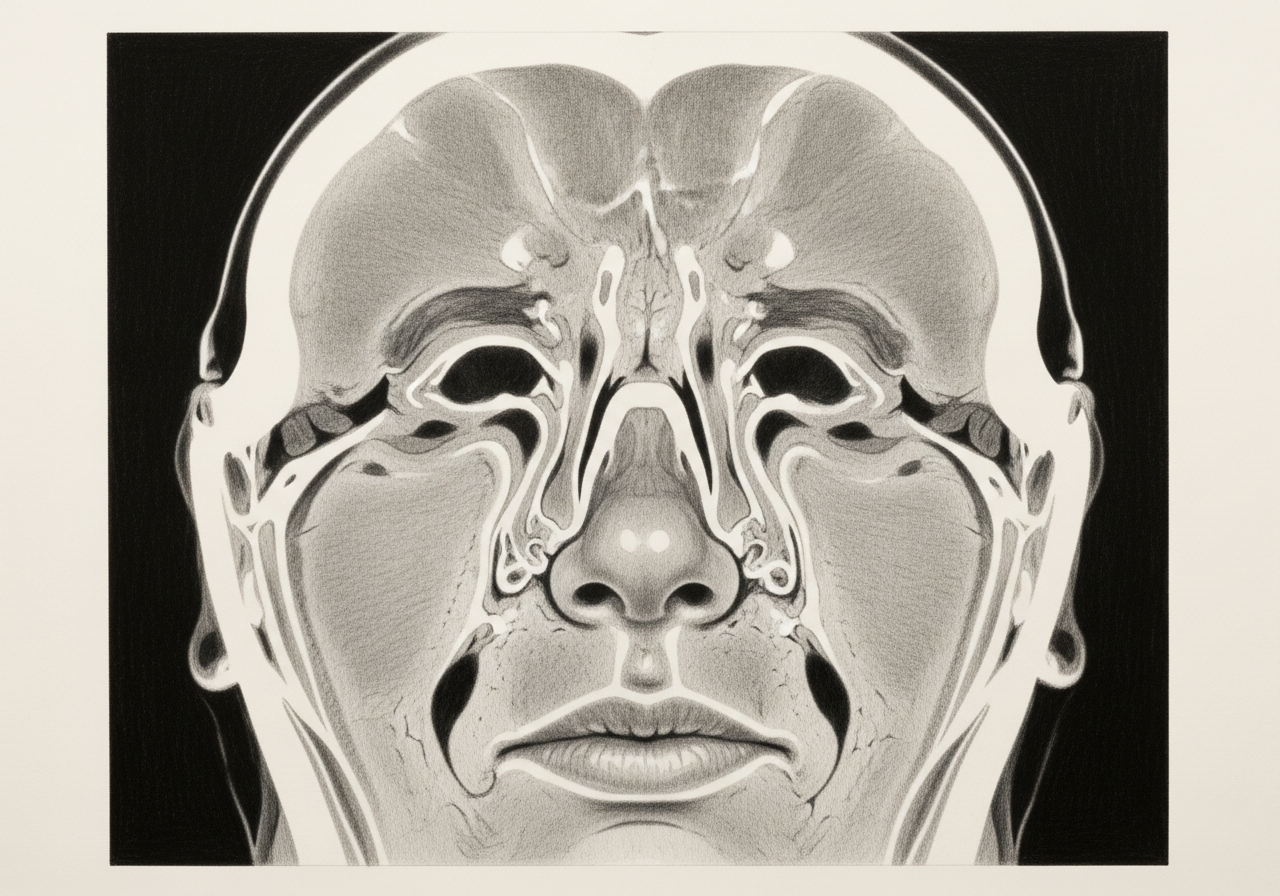
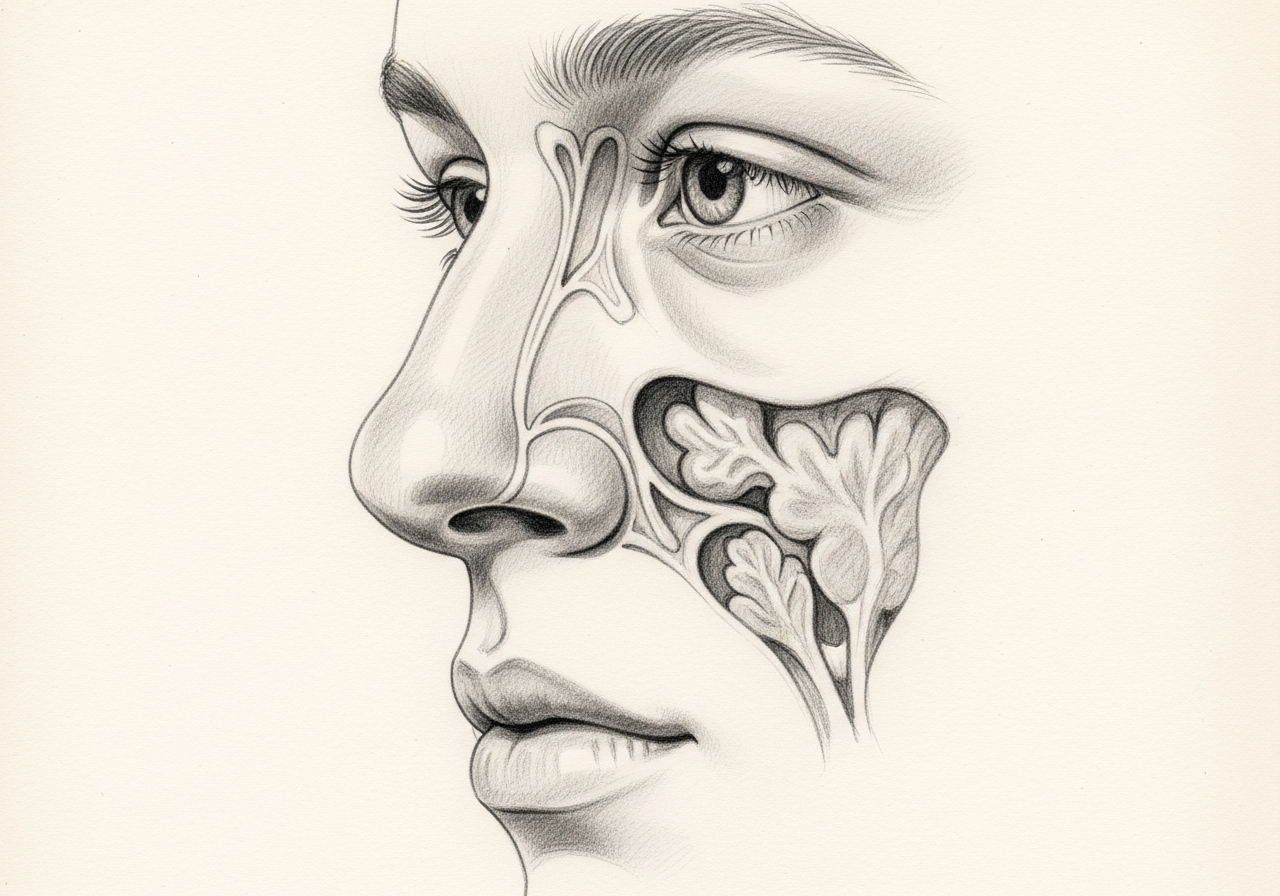
Endoscopes are passed through the nostrils to the sphenoid sinus at the back of the nose, opening a pathway to the sella where the pituitary sits. With image guidance, the team reaches and removes the tumor while protecting nearby nerves and blood vessels.
The skull base is then reconstructed, often using the patient's own tissue, to prevent a CSF leak. The endonasal route usually avoids an external facial incision.
Risks and alternatives
Possible risks include bleeding, infection, CSF leak, changes in hormone levels, changes in smell, and, less commonly, injury to nearby nerves or vessels. The team takes specific steps to protect vision and the skull-base reconstruction.
Alternatives depend on the tumor type and may include observation with imaging, medication for certain hormone-producing tumors, or radiation therapy in selected cases. The right path is individualized.
Results and follow-up
Surgery aims to remove or reduce the tumor, relieve pressure on the optic nerves, and help restore hormone balance, depending on the tumor type. Some patients need additional medical or radiation treatment.
Long-term follow-up with endocrinology and imaging monitors hormone levels, vision, and any tumor regrowth.
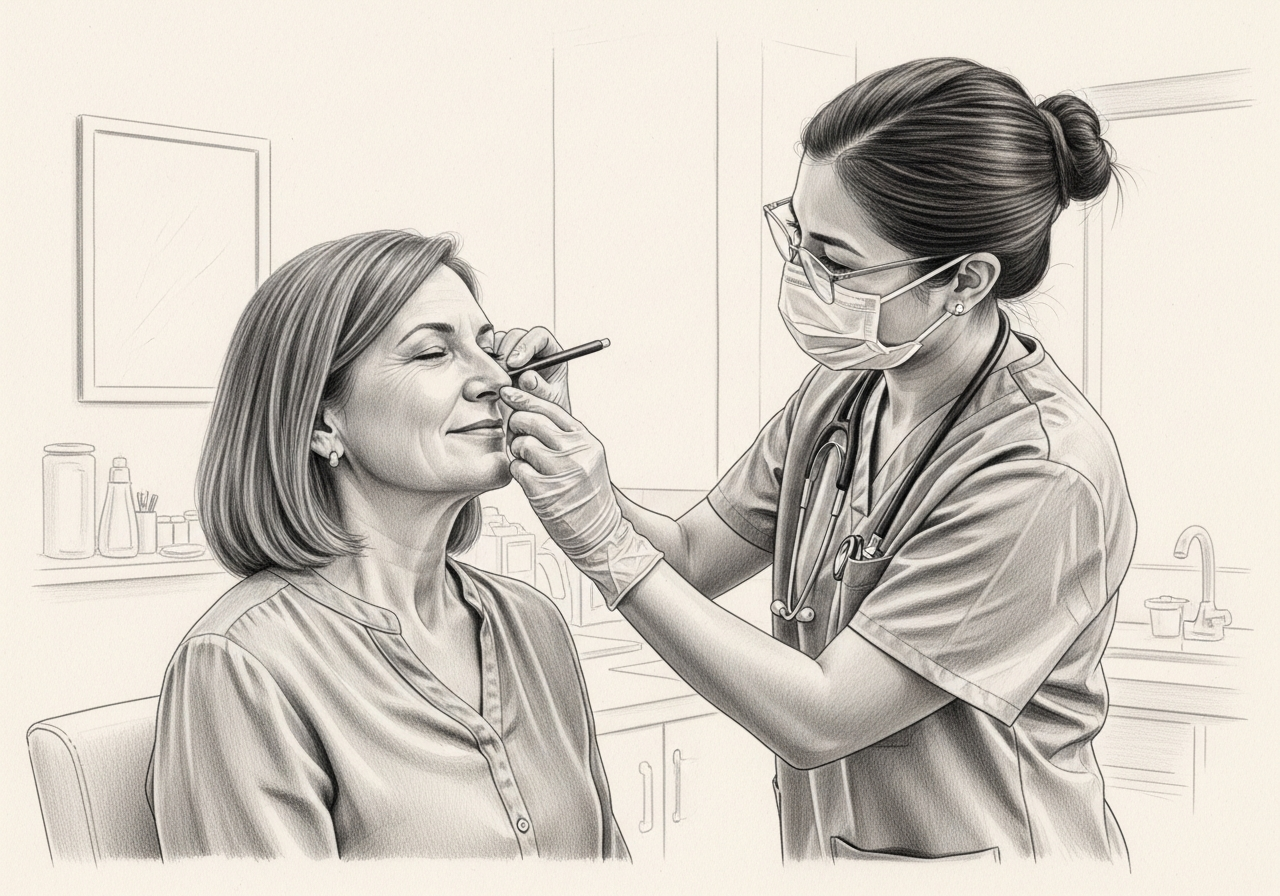
What to bring to your consultation
Gathering the right records ahead of time helps make the consultation productive. Useful items include:
- Imaging files and reports, such as prior MRI scans
- Endoscopy or operative findings from earlier care
- Pathology results, if any
- Relevant laboratory results, including endocrine labs
- Notes from prior treatment
- A current medication list
- The specific question you want answered
When to seek urgent care
Some symptoms require urgent assessment, including a severe headache, vision loss or double vision, confusion, faintness, seizure, clear drainage, fever with a stiff neck, heavy bleeding, marked thirst and urination, or severe nausea and weakness. A routine appointment request or online form is not an emergency service; for emergency symptoms, seek immediate care.
Medical review
This page is a patient-education resource reviewed by the responsible Norelle ENT clinician before publication. It does not replace an in-person evaluation. If symptoms are severe or rapidly worsening, seek immediate medical care.
Specialists who perform endoscopic pituitary surgery
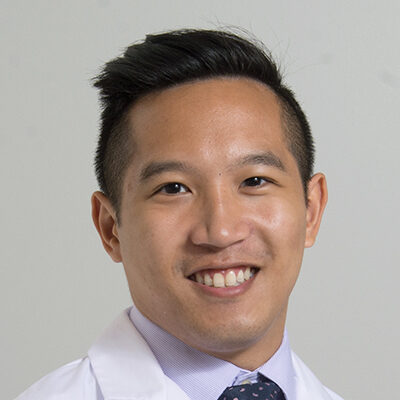
Dr. Adrian Ong
MD
Board-Certified Facial Plastic & Reconstructive and Head & Neck Surgeon
Dr. Adrian Ong is a board-certified surgeon who practices exclusively on the face, head, and neck, with expertise spanning rhinoplasty, sinus surgery, facial trauma, reconstruction, and sleep surgery.
- Functional and aesthetic rhinoplasty (including revision)
- Sinus surgery and complex revision sinus surgery
- Facial trauma and nasal fractures
- Head and neck cancer surgery and microvascular reconstruction
Also caring for this area

Not sure who to see? Our patient coordination team can help match you with the right specialist.
(212) 444-8006Frequently Asked Questions
Candidates need a defined lesion, endocrine assessment, MRI review, and visual evaluation when relevant. Some prolactin-secreting tumors are primarily treated with medication, while vision-threatening, hormonally active, or growing lesions may favor surgery.
The rhinology and neurosurgical portions create the nasal and sphenoid corridor, expose the sellar region, treat the tumor, and reconstruct the closure. The exact roles, pathology handling, and leak-prevention strategy match the treating team.
Alternatives include observation, medication, radiation, or a different surgical approach. Surgery is recommended for the specific tumor rather than as a default.
Postoperative care may include monitoring for hormone changes, sodium imbalance, diabetes insipidus, vision change, bleeding, and CSF leakage, plus nasal follow-up and long-term endocrine and imaging surveillance.
Clinical References
These independent resources from medical and professional organizations offer further reading. They are provided for general education and do not replace a consultation with a clinician.
Related Conditions

1 of 1 · Pituitary Adenoma
Related Procedures

1 of 3 · Endoscopic Skull Base Surgery
Request a consultation about endoscopic pituitary surgery
Schedule a consultation with our team to discuss whether this procedure is the right option for you.