About the Procedure
Entropion is an inward turning of the eyelid, usually the lower lid, so that the eyelashes and skin rub against the surface of the eye. This constant friction causes irritation, redness, tearing, and a foreign-body sensation, and over time it can scratch the cornea and threaten vision if left untreated.
Entropion most often results from age-related changes in the eyelid muscles and supporting tissues, and it can also follow scarring of the inner eyelid or spasm of the eyelid muscle. Surgery restores the normal outward-facing eyelid position so the lashes no longer contact the eye.
At Norelle ENT, entropion repair is matched to the underlying cause, with attention to relieving symptoms and protecting the eye surface, coordinated with ophthalmology when appropriate.
Who may be a candidate
Entropion surgery may be considered for people who have:
- An eyelid that visibly turns inward
- Lashes rubbing against the eye
- Chronic irritation, redness, tearing, or a foreign-body sensation
- Corneal irritation or abrasion from lash contact
The cause is determined first, since age-related laxity, inner-eyelid scarring, and muscle spasm are corrected differently.
Considering entropion surgery? The next step is a quiet, unhurried conversation.
How it is performed
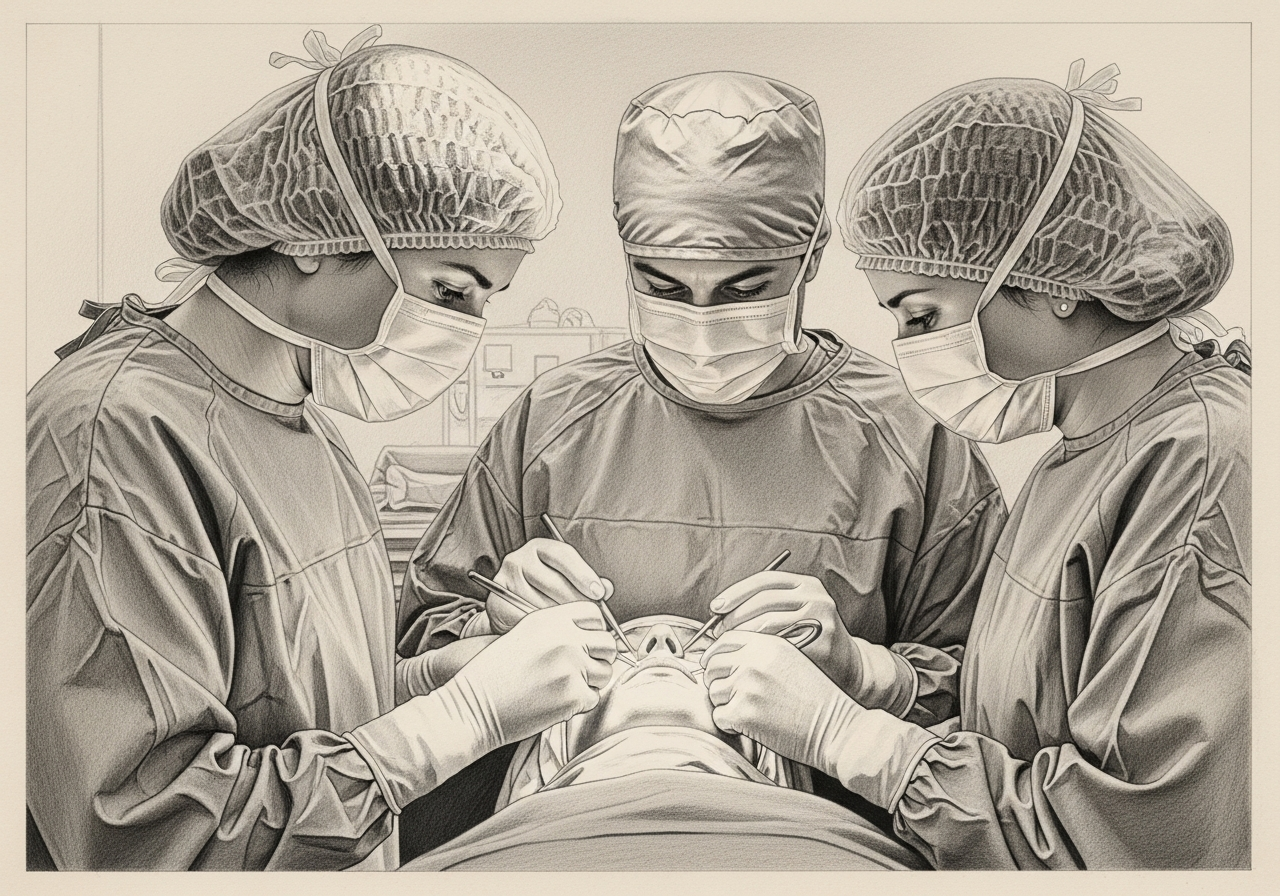
For common age-related entropion, the eyelid is tightened and the muscles or supporting tissues are repositioned so the eyelid margin turns outward to its normal position. When scarring of the inner eyelid surface is the cause, additional steps or a graft may be needed to relieve the inward pull.
Temporary measures, such as sutures that turn the eyelid out, are sometimes used in selected situations. The procedure is commonly performed under local anesthesia with sedation, often in an outpatient setting.
Recovery and aftercare
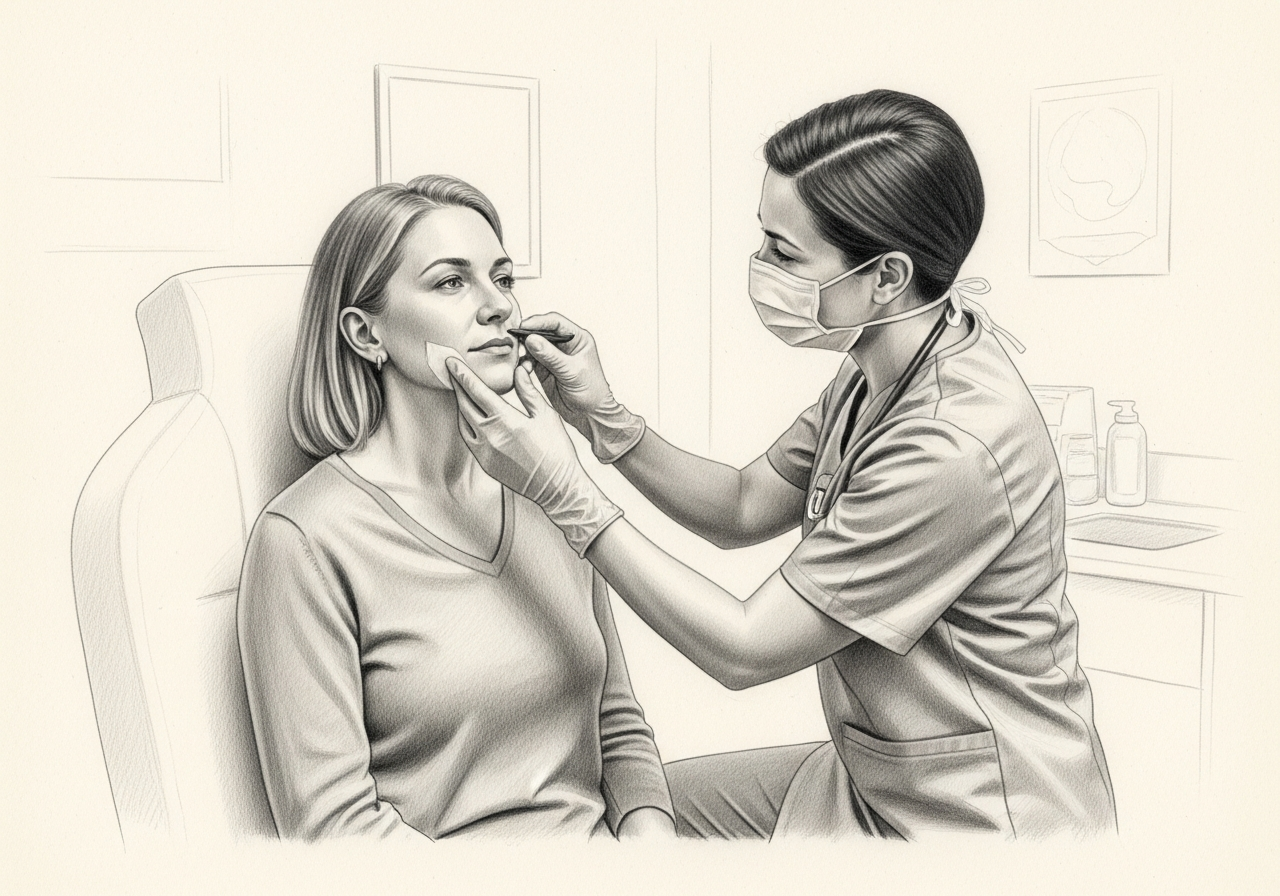
Cold compresses, head elevation, and lubricating drops or ointment help with early swelling, bruising, and surface irritation. Stitches are removed or dissolve within roughly one to two weeks.
Most people return to light activity within one to two weeks, while rubbing the eye and strenuous activity are avoided during early healing.
Risks and alternatives
Possible risks include swelling, bruising, asymmetry, overcorrection or undercorrection, recurrence, and temporary surface irritation.
Temporary measures such as lubrication, taping, or stitches can relieve symptoms in the short term but usually do not provide a lasting correction. The most suitable approach depends on the cause and severity.
Results and follow-up
The goal is an eyelid that rests in its normal position so the lashes no longer touch the eye, relieving irritation and protecting the cornea. Results are usually durable, though entropion can recur, particularly with ongoing eyelid laxity.
Follow-up confirms healing and eyelid position and monitors the eye surface, with eye-specialist coordination when appropriate.
Clinical references
Medical review
This page is a patient-education resource reviewed by the responsible Norelle ENT clinician before publication. It does not replace an in-person evaluation. If symptoms are severe or rapidly worsening, seek immediate medical care.
Specialists who perform entropion surgery
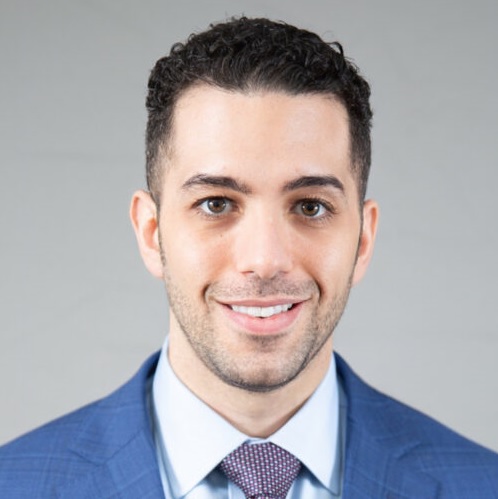
Dr. Moustafa Mourad
MD, FACS
Double Board-Certified Head & Neck and Facial Plastic & Reconstructive Surgeon
Dr. Moustafa Mourad is a double board-certified head and neck and facial plastic and reconstructive surgeon who cares for the full range of cosmetic and complex conditions affecting the face, head, and neck.
- Facial plastic and reconstructive surgery
- Head and neck cancer surgery
- Microvascular free-flap reconstruction
- Facial trauma and reconstruction
Also caring for this area


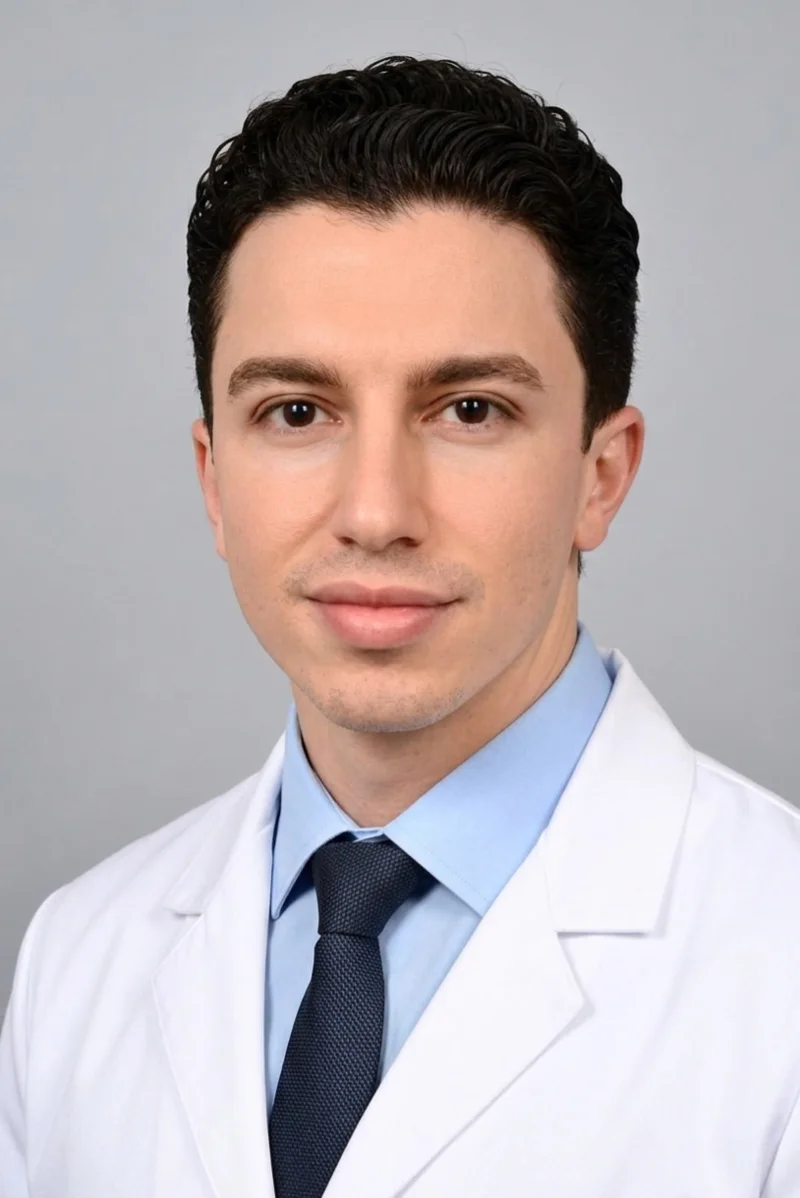

Not sure who to see? Our patient coordination team can help match you with the right specialist.
(212) 444-8006Frequently Asked Questions
Entropion is an inward turning of the eyelid that causes the lashes and skin to rub against the eye, leading to irritation, tearing, and a foreign-body sensation.
The lashes constantly rub the surface of the eye, which can cause redness and irritation and, over time, scratch the cornea and threaten vision if untreated.
It most often results from age-related changes in the eyelid muscles and supporting tissues, and it can also follow scarring of the inner eyelid or spasm of the eyelid muscle.
Temporary measures such as lubrication, taping, or sutures can relieve symptoms for a time, but surgery is usually needed to correct the eyelid position lastingly.
Most often the eyelid is tightened and its supporting tissues repositioned so the margin turns outward. When scarring is the cause, additional steps or a graft may be needed.
Bruising and swelling are common for one to two weeks. Lubricating drops or ointment are often used, and most people return to light activity within that time.
Yes. Entropion can recur, particularly with ongoing eyelid laxity, and follow-up helps monitor the eyelid position over time.
Entropion is an inward turning of the eyelid, while ectropion is an outward turning. They cause different problems and are repaired in different ways.
Related Conditions

Related Procedures

1 of 3 · Ectropion Surgery
Request a consultation about entropion surgery
Schedule a consultation with our team to discuss whether this procedure is the right option for you.