About the Procedure
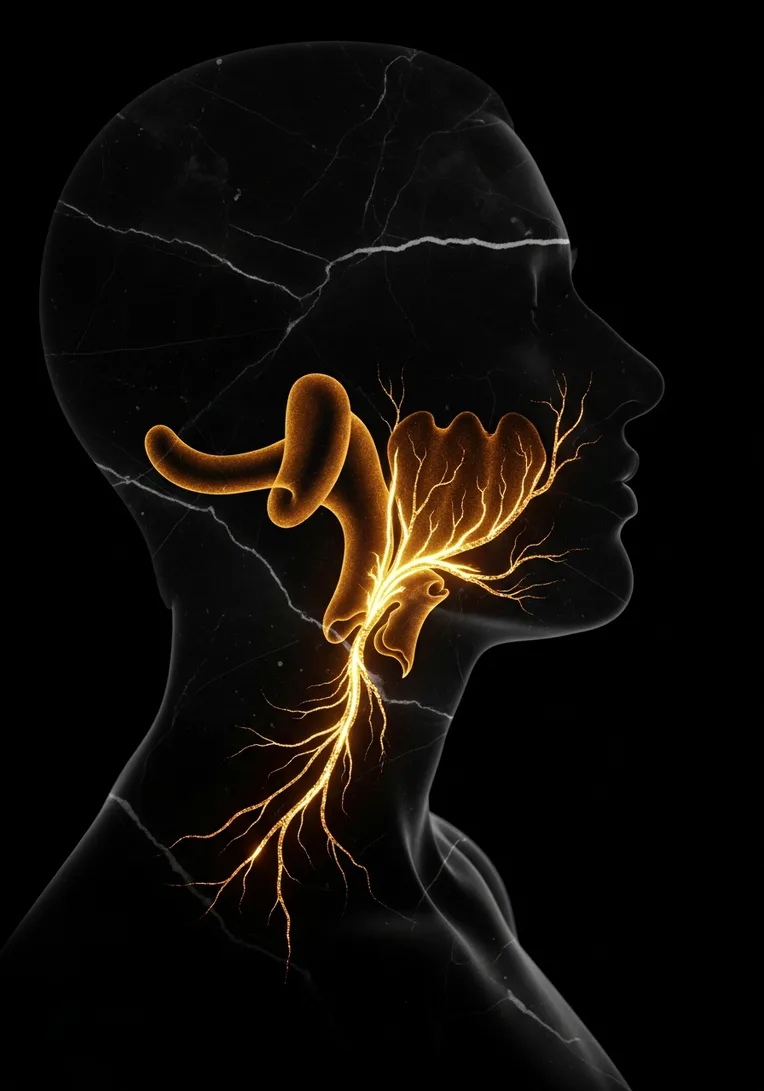
A laryngectomy is an operation that removes part or all of the larynx, commonly called the voice box. The larynx helps produce voice, protects the airway during swallowing, and connects the throat to the windpipe. The extent of surgery therefore has important consequences for breathing, speech, swallowing, airway protection, and appearance.
Partial laryngeal operations remove selected structures while preserving a pathway for breathing through the mouth and nose and, in appropriate cases, preserving useful natural voice. A total laryngectomy removes the entire larynx and permanently separates the airway from the mouth and throat. After total laryngectomy, breathing occurs through a permanent opening in the neck called a stoma. Speech is restored through one or more rehabilitation methods rather than through the original vocal cords.
Laryngectomy may be considered for selected primary laryngeal or hypopharyngeal cancers, persistent or recurrent cancer after radiation or chemoradiation, a severely dysfunctional larynx in carefully selected circumstances, or disease that cannot be controlled with a less extensive approach. The decision requires detailed comparison with radiation-based treatment, transoral surgery, partial laryngeal surgery, and supportive options. Preoperative counseling with speech-language pathology, nutrition, anesthesia, nursing, and the surgical team is essential.
How we approach the decision
Total laryngectomy is permanent, so the planning conversation focuses on a few decisions before anything else:
- Why is total laryngectomy recommended instead of an organ-preserving or partial approach?
- Will reconstruction be needed, especially after prior radiation or chemoradiation?
- Which communication method—tracheoesophageal puncture, electrolarynx, or esophageal speech—fits your anatomy and goals?
These questions connect the diagnosis to the specific operation. They are usually discussed alongside the larynx cancer evaluation and a comparison with laryngeal cancer surgery that may preserve part of the larynx.
Considering laryngectomy surgery and recovery? The next step is a quiet, unhurried conversation.
What happens next
The pathway from evaluation to recovery generally follows these steps:
- Confirm the oncologic indication, prior treatment, nutrition, pulmonary status, and reconstructive needs.
- Complete preoperative counseling with speech-language pathology, nursing, nutrition, and anesthesia.
- Plan total versus partial operation, neck treatment, thyroid and parathyroid considerations, head and neck reconstruction, and voice restoration.
- Teach permanent-stoma care, humidification, suction, and emergency communication.
- Advance speech and swallowing rehabilitation and nutrition support after healing, then continue surveillance.
Each step is individualized, and the order can change with operative findings or healing.
When to seek urgent care
After laryngectomy, all breathing occurs through the neck stoma, and oxygen and ventilation must be delivered through the stoma.
- Emergency (call 911 or go to the nearest emergency department): breathing difficulty, stoma obstruction, significant bleeding, or rapidly increasing neck swelling.
- Same-day contact with the surgical team: wound leakage, a sudden change in a flap, fever with worsening wound symptoms, or signs of dehydration.
- Routine: general questions about recovery, supplies, or rehabilitation can be handled through a scheduled visit.
The online consultation form is not monitored for emergencies and should never be used for urgent symptoms.
Clinical perspective
Our head and neck surgeons weigh tumor extent, prior radiation or chemoradiation, baseline swallowing and pulmonary function, and the likelihood that an organ-preserving approach can control disease while leaving a usable larynx. Factors that make someone a stronger candidate for total laryngectomy include disease that is unlikely to be controlled by less extensive treatment, a nonfunctional or unsafe larynx, or persistent or recurrent cancer after radiation. Factors that require caution include heavy prior radiation, poor nutrition, significant medical comorbidity, or limited support for stoma care, since these influence healing and rehabilitation. Factors that often make the operation unsuitable include disease that can be controlled with partial surgery or radiation at a lower functional cost, or a medical condition that makes a long operation unsafe.
Candidacy requires individualized specialist review. The recommendation can change when pathology, imaging, endoscopy, or examination under anesthesia shows that the extent of disease differs from the original plan.
What to bring to your consultation
A focused review is easier when you bring the records most relevant to a proposed laryngectomy:
- Prior imaging and radiology reports.
- Pathology or biopsy results when available.
- Recent laboratory results.
- Prior treatment notes, including radiation or chemoradiation records.
- Operative or endoscopy reports.
- A current medication list.
- The specific decision you want the consultation to answer.
Request a consultation for a focused review of the diagnosis, the available options, the likely tradeoffs, and the steps needed before treatment. For urgent symptoms, follow the emergency guidance above rather than using the routine form.
What the procedure is designed to accomplish
The primary goal of cancer-directed laryngectomy is complete removal of disease with an appropriate margin while creating a safe, durable airway and a functional route for swallowing. The operation may also be intended to control pain, bleeding, aspiration, airway obstruction, or a nonfunctional larynx after prior treatment. When surgery follows radiation or chemoradiation, it is often called salvage laryngectomy.
The operation should be planned as an integrated pathway rather than a resection alone. The team must decide whether the pharynx can be closed primarily or requires regional or free-flap reconstruction, whether thyroid tissue or neck lymph nodes need treatment, how the airway and stoma will be constructed, and which speech-rehabilitation option is likely to fit the patient. A successful plan also anticipates nutrition, wound healing, pulmonary hygiene, shoulder and neck mobility, psychosocial adjustment, and long-term surveillance.
Relevant anatomy and function
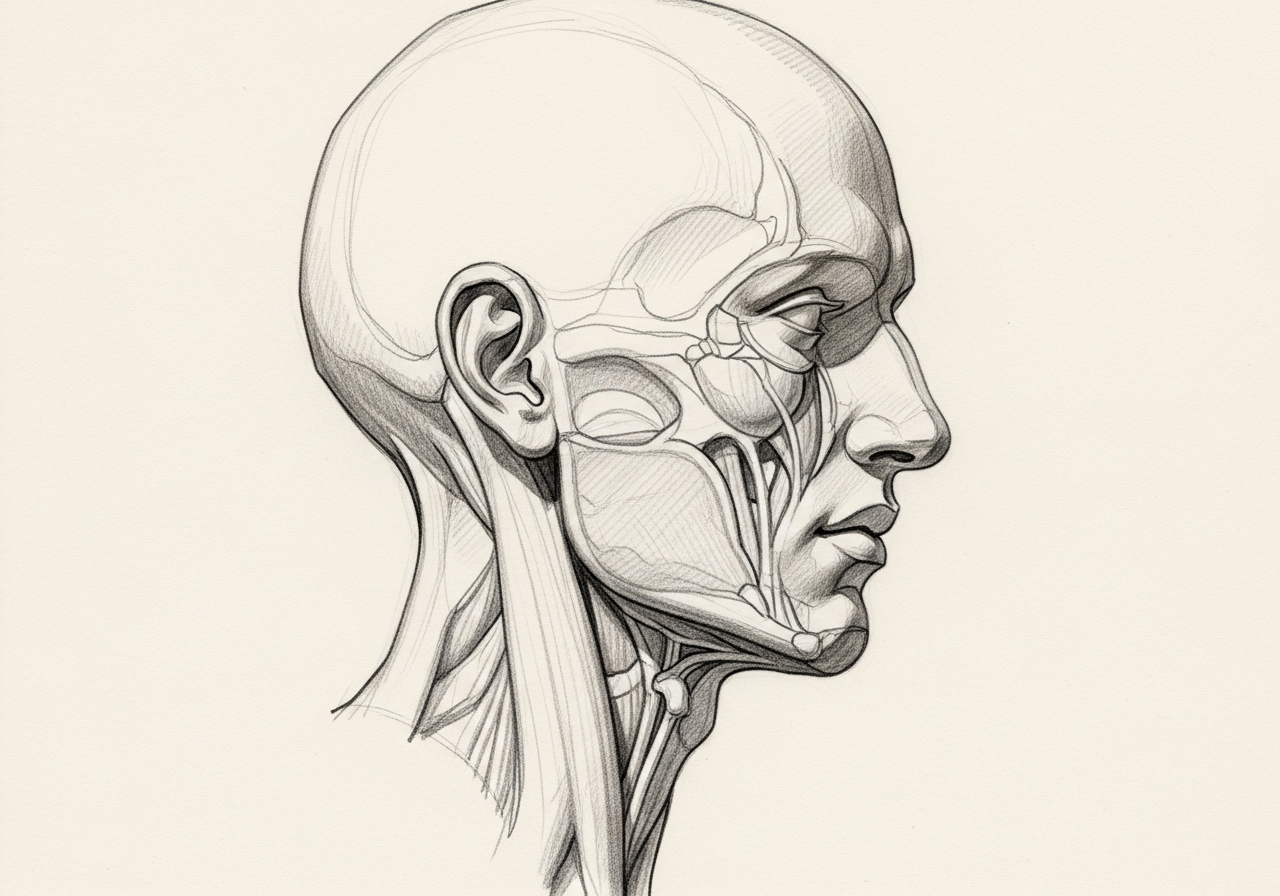
The larynx sits between the base of tongue and trachea. It includes the supraglottis above the vocal cords, the glottis containing the vocal cords, and the subglottis below them. Cartilages provide the framework, muscles move the vocal cords, and nerves control movement and sensation. The larynx closes during swallowing to help prevent food and liquid from entering the lungs.
In a total laryngectomy, the trachea is brought forward and attached to the skin, forming a permanent neck stoma. The mouth and throat remain connected to the esophagus, but they are no longer connected to the lungs. This separation usually prevents aspiration of food and liquid into the lungs through the former laryngeal pathway, although swallowing problems can still occur because of narrowing, scar, reconstruction, poor tongue or pharyngeal movement, reflux, or other causes.
Structures near the larynx include the thyroid gland, hypopharynx, esophagus, carotid arteries, jugular veins, vagus and hypoglossal nerves, and lymph nodes of the neck. Tumor extent and prior treatment determine which structures can be preserved and whether reconstruction is required.
When the procedure may be considered
Laryngectomy is considered when the expected disease control, airway safety, or functional benefit outweighs the permanent changes created by surgery. The following are common clinical situations, but candidacy is individualized.
- Advanced laryngeal cancer: Tumor extent, cartilage destruction, extralaryngeal spread, or severe baseline dysfunction may make total laryngectomy the most reliable surgical option.
- Persistent or recurrent cancer after radiation: Salvage laryngectomy may be recommended when disease remains or returns and further organ-preservation treatment is unlikely to control it.
- Selected hypopharyngeal cancer: The extent of pharyngeal involvement determines whether laryngectomy, pharyngectomy, reconstruction, and neck treatment are needed.
- Selected partial laryngeal cancer surgery: Small or carefully selected tumors may be treated with a partial operation that preserves some laryngeal function.
- A nonfunctional or unsafe larynx: In unusual, carefully selected cases, severe aspiration, chondronecrosis, airway obstruction, or treatment-related dysfunction may prompt discussion of functional laryngectomy.
- Symptom control: Bleeding, pain, obstruction, or aspiration may sometimes be improved through surgery when the expected benefit and treatment goals are clear.
- Combined neck and thyroid treatment: Lymph-node disease or direct tumor extension may require neck dissection or removal of part or all of the thyroid at the same operation.
A diagnosis alone does not automatically make someone a surgical candidate. The decision depends on anatomy, stage or severity, prior treatment, medical fitness, expected function, alternatives, and the patient's goals. The surgeon should explain not only whether the procedure can be done, but why it is or is not the preferred approach in that individual case.
Evaluation and surgical planning
Planning is an active part of the procedure. It is where the team confirms the diagnosis, maps the anatomy, anticipates reconstruction or rehabilitation, and determines whether another treatment could provide a better balance of disease control and function.
Complete head and neck examination and endoscopy
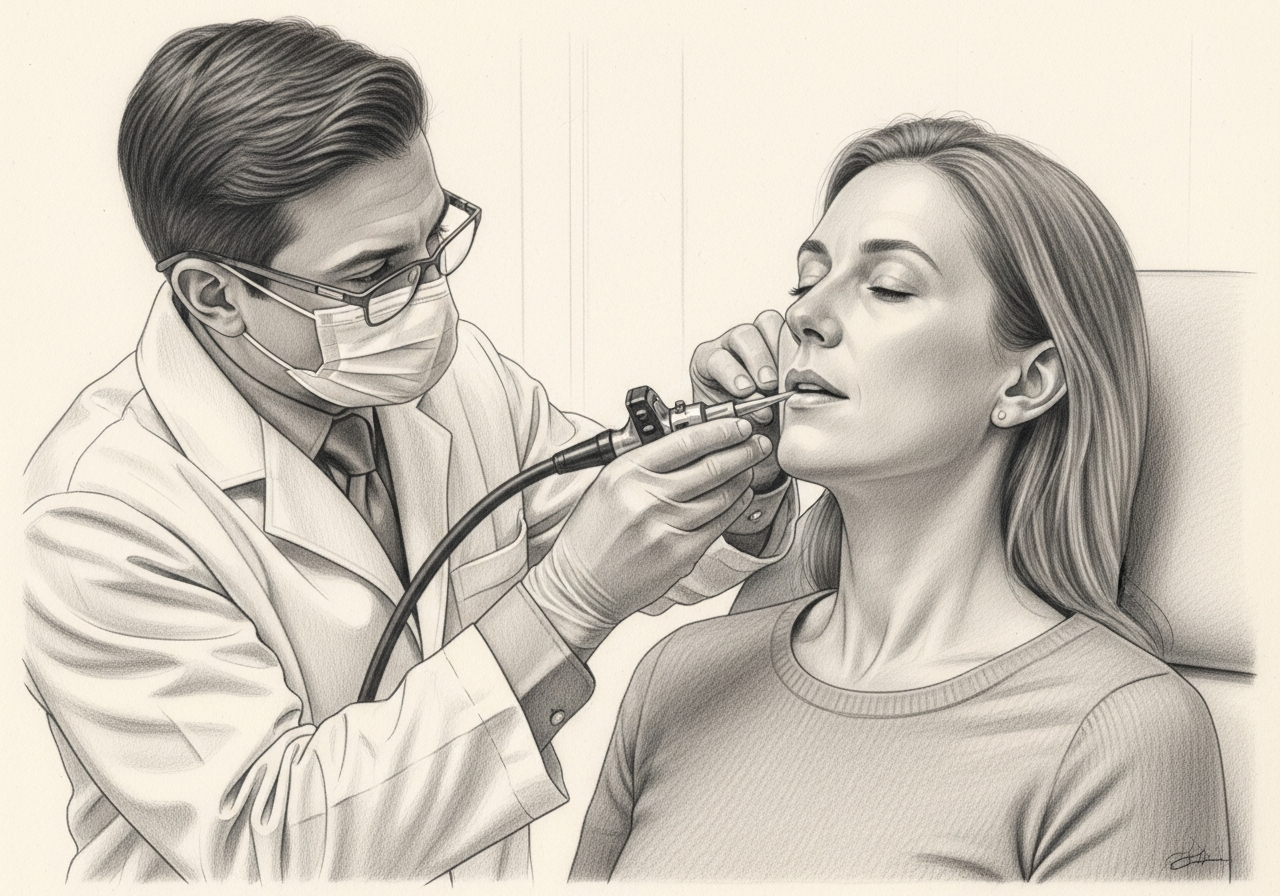
The surgeon examines the mouth, throat, neck, cranial nerves, stoma or tracheostomy if present, and larynx with flexible endoscopy. Voice, airway, secretion control, and swallowing symptoms are documented. This defines current function and identifies findings that influence urgency, resection, neck treatment, and rehabilitation. Office examination cannot always define deep cartilage or pharyngeal extension.
Pathology review
Biopsy material confirms tumor type and may be re-reviewed when the diagnosis, site, or prior treatment response is uncertain. The operation should not be planned without a secure diagnosis unless an emergency dictates otherwise. Small biopsies may not represent the deepest extent of disease.
CT, MRI, and chest or PET imaging
Cross-sectional imaging assesses cartilage, soft tissue, lymph nodes, vessels, thyroid, pharynx, esophagus, and distant disease. The findings help determine resectability, reconstructive needs, and whether surgery is likely to meet the treatment goal. Post-radiation inflammation can make recurrence difficult to distinguish from treatment effect.
Swallowing and communication assessment
A speech-language pathologist documents diet, aspiration symptoms, communication methods, dexterity, vision, hearing, cognition, support, and ability to care for a stoma or voice prosthesis. Preoperative education reduces surprises and allows speech rehabilitation to be planned before the natural voice is lost. A single test cannot predict every postoperative outcome.
Nutrition and dental assessment
Weight trend, oral intake, dentition, prior radiation effects, and feeding access are reviewed. Malnutrition and dental disease can affect wound healing, rehabilitation, and later radiation planning. Nutritional needs can change quickly during recovery.
Medical and anesthesia assessment
Heart and lung status, medications, anticoagulation, tobacco exposure, prior anesthesia, kidney function, and frailty are evaluated. Laryngectomy is a major operation and postoperative airway care is different from ordinary breathing through the upper airway. Medical optimization reduces but does not eliminate perioperative risk.
Reconstructive planning
The surgeon evaluates prior radiation, skin condition, pharyngeal defect, vessels, and donor sites. A flap may reduce tension, close a larger defect, or bring healthy tissue into an irradiated field. The final defect can be larger than imaging predicts, so contingency plans are necessary.
Alternatives and related treatment pathways
The alternatives depend on the reason for surgery. A complete discussion may include:
- Radiation or chemoradiation: Some cancers can be treated without removing the larynx. The comparison must address cancer control, baseline laryngeal function, acute and late toxicity, and salvage options.
- Transoral laser or robotic surgery: Selected accessible tumors can be removed through the mouth, sometimes with neck dissection. Exposure, margins, bleeding risk, and postoperative swallowing determine candidacy.
- Partial laryngectomy: Selected tumors can be removed while preserving part of the larynx, but recovery may involve significant swallowing rehabilitation and not every larynx remains functional.
- Endoscopic debulking or tracheostomy: These may temporarily improve the airway or symptoms but are not equivalent to definitive cancer treatment.
- Systemic therapy or clinical trials: Recurrent, metastatic, or unresectable disease may be managed with immunotherapy, chemotherapy, targeted treatment, or a research protocol.
- Supportive and palliative care: When cure is not possible or treatment burden outweighs benefit, symptom control, airway planning, nutrition, communication, and quality of life remain active goals.
Alternatives are not interchangeable. Their advantages and burdens vary with the diagnosis, extent of disease, prior treatment, expected functional outcome, and the possibility that more than one modality will be needed.
How the operation is performed
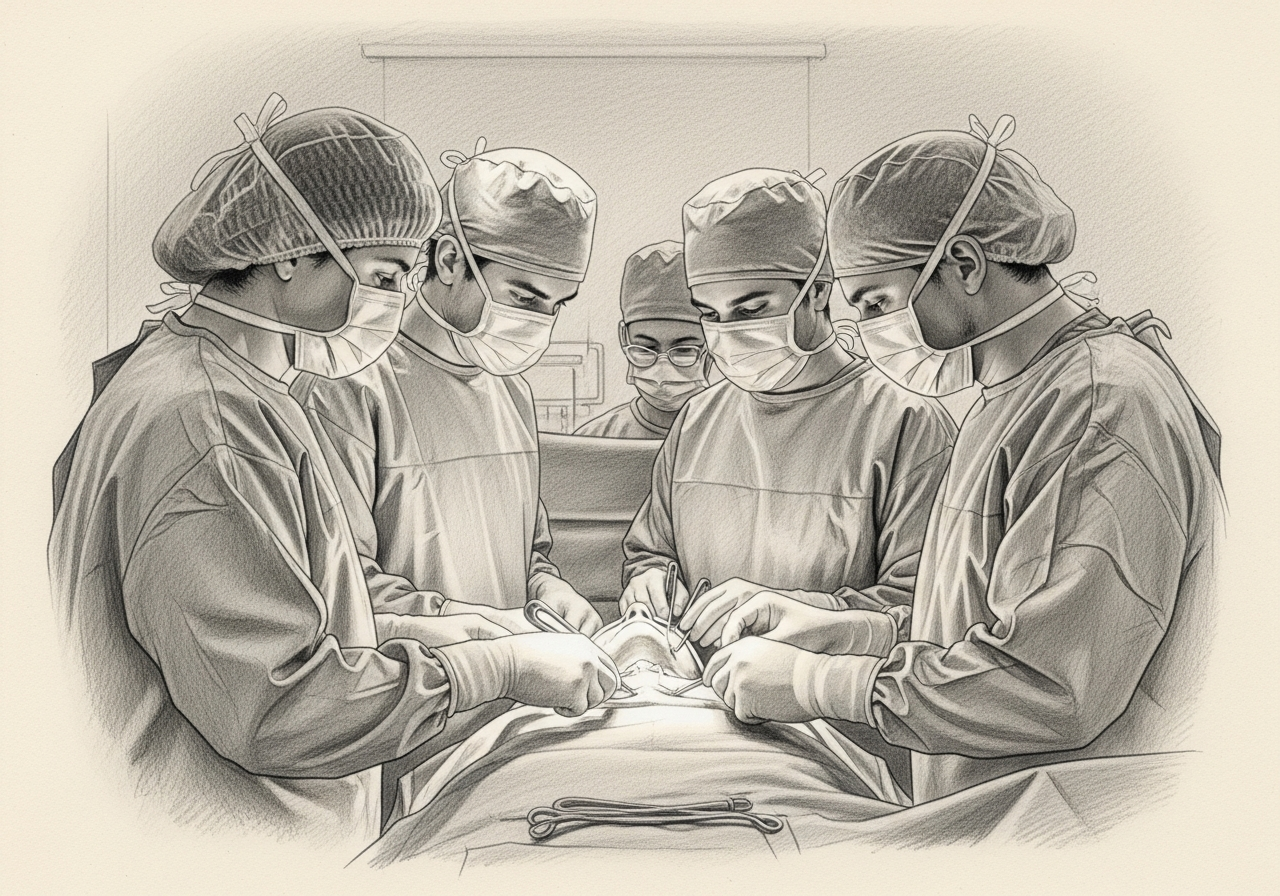
The exact sequence varies by patient and by operative findings. The following description is a framework for discussion, not a substitute for the surgeon's procedure-specific explanation.
Airway and incision planning
The anesthesia and surgical teams secure the airway, position the patient, and design neck incisions according to prior surgery, tracheostomy, neck dissection, tumor extent, and reconstructive needs. The plan protects the airway and preserves viable skin and vessels whenever possible.
Neck dissection or thyroid treatment when indicated
Lymphatic tissue is removed from selected neck levels when nodal treatment is required. Thyroid tissue may be removed if the tumor or operative plan involves it. These steps address regional disease and direct extension rather than being automatic for every patient.
Removal of the larynx and involved tissue
In total laryngectomy, the larynx is separated from the pharynx and trachea and removed with any directly involved structures. Partial procedures remove only selected portions. The surgeon aims for an appropriate cancer margin while preserving uninvolved structures when safe.
Creation of the permanent stoma
The trachea is brought to the neck skin and sutured to create a stable breathing opening. After total laryngectomy, all breathing occurs through this stoma; it is not a temporary tracheostomy.
Pharyngeal closure and reconstruction
The throat is closed primarily or reconstructed with regional or free tissue. A salivary bypass tube or other adjunct may be used in selected cases. The closure creates a durable swallowing passage and reduces wound tension.
Voice rehabilitation preparation
A tracheoesophageal puncture may be created at the initial operation or later, depending on anatomy, healing, institutional practice, and patient factors. This creates one possible route for voice restoration but does not obligate the patient to use it.
Drains, feeding access, and wound closure
Drains are placed, feeding access is confirmed, and incisions and donor sites are closed. These measures support healing and allow saliva to be kept away from the new closure while it seals.
Reconstruction and preservation of function
Reconstruction depends on the amount of pharynx, skin, tongue base, or esophagus removed and on the quality of tissue after radiation. A small, well-vascularized defect may close primarily. A larger defect or a high-risk salvage setting may benefit from a pectoralis major regional flap, an anterolateral thigh or forearm free flap, or another carefully selected tissue transfer. Circumferential defects can require a tubed flap or other specialized reconstruction.
The reconstructive goal is a safe swallowing passage, durable coverage of major vessels, a stable stoma, and tissue that tolerates healing and future treatment. Flap selection also considers donor-site function, body habitus, vessel availability, prior operations, and the expected need for speech rehabilitation. No reconstruction eliminates the risk of fistula, stricture, swallowing difficulty, or revision.
When a tracheoesophageal voice prosthesis is planned, the reconstruction must allow a usable segment for vibration and access for prosthesis care. The surgeon and speech-language pathologist should discuss primary versus secondary puncture and whether the patient or caregiver can manage routine cleaning and follow-up.
Anesthesia, hospital care, and the immediate postoperative period
Laryngectomy is performed under general anesthesia in a hospital equipped for head and neck surgery, airway care, and postoperative monitoring. Immediately after surgery, the patient breathes through the stoma. Oxygen, humidification, suction, and airway devices must be delivered to the stoma rather than the nose or mouth. Staff and caregivers need to understand this anatomy.
Nutrition is usually provided through a feeding tube while the pharyngeal closure heals. The team monitors the neck, drains, flap when present, calcium and thyroid-related issues when relevant, pulmonary secretions, mobility, pain, and signs of infection or salivary leak. A swallow or leak assessment may be performed before oral intake, according to the surgeon’s protocol and clinical course.
Education begins in the hospital. Patients and caregivers learn stoma cleaning, humidification, heat-and-moisture exchange devices, emergency communication, shower protection, suction or saline use when prescribed, and what to do if breathing becomes difficult. Speech-language pathology introduces electrolarynx, writing or communication apps, and later voice-restoration options.
Preparing for surgery
Preparation should address both medical safety and the practical realities of recovery. Depending on the procedure, the team may ask for:
- Review pathology and original imaging: Confirm the site, extent, lymph nodes, prior treatment, and whether a less extensive option is reasonable.
- Meet speech-language pathology: Learn how breathing and speech will change, try an electrolarynx when available, and discuss tracheoesophageal speech and esophageal speech.
- Assess swallowing and nutrition: Document current diet, weight, aspiration, dental status, and the anticipated need for enteral feeding.
- Discuss reconstruction: Review primary closure, regional and free-flap possibilities, donor sites, and the factors that could change the plan.
- Plan airway education: Identify caregivers, emergency communication methods, stoma supplies, humidification, and home equipment.
- Optimize health: Address tobacco, alcohol, diabetes, anemia, lung disease, anticoagulants, infection, and nutrition.
- Clarify postoperative treatment: Ask which pathology findings could lead to radiation, re-irradiation, or systemic therapy.
- Arrange practical support: Plan transportation, time away from work, medication management, home assistance, and follow-up visits.
Do not stop prescription medication, anticoagulants, antiplatelet drugs, diabetes medication, supplements, or tobacco products without instructions from the treating clinicians. Patients should receive written guidance about fasting, arrival time, transportation, wound care supplies, and who to contact after hours.
What to expect on the day of surgery
- Admission and safety checks: The team verifies identity, procedure, imaging, pathology, medications, allergies, blood availability, consent, and the reconstructive plan.
- Airway management: Anesthesia secures the airway through the existing airway or a controlled surgical pathway appropriate to the tumor.
- Surgery and pathology: The resection and neck treatment proceed, with margin assessment according to the case. Reconstruction is completed when needed.
- Postoperative monitoring: The patient awakens breathing through the neck stoma and is observed in a setting prepared for laryngectomy airway care.
- Communication and family update: The team provides a nonverbal communication method and explains the actual operation, reconstruction, and early recovery plan to the authorized support person.
Plans can change when examination under anesthesia, frozen-section findings, nerve involvement, blood-vessel anatomy, or the true extent of disease differs from preoperative imaging. The consent conversation should identify the decisions that might need to be made during the operation and the limits of those decisions.
Recovery and aftercare
Recovery is procedure-specific, but patients generally benefit from understanding the phases rather than expecting a single date when they will feel normal.
- First postoperative days: Airway humidification, suction, wound and flap checks, drains, tube feeding, pain control, walking, and communication training are priorities.
- Before discharge: The patient and caregiver demonstrate stoma care, recognize mucus plugging and bleeding, understand medication and feeding instructions, and know emergency contacts.
- First several weeks: Incisions and donor sites heal, swelling decreases, oral intake is introduced when safe, and pathology is reviewed. A salivary fistula or wound problem can prolong recovery.
- Voice rehabilitation: Electrolarynx communication can begin early. Tracheoesophageal or esophageal speech training proceeds when healing and anatomy allow.
- Return to activity: Walking increases gradually. Heavy lifting, driving, work, bathing, swimming, and travel are resumed according to the surgical team’s instructions.
- Long-term survivorship: Stoma and pulmonary care, speech prosthesis maintenance, swallowing, nutrition, neck and shoulder mobility, thyroid function, dental health, lymphedema, and cancer surveillance require ongoing attention.
The surgeon's written instructions take priority over general online guidance. New breathing difficulty, brisk bleeding, rapidly increasing swelling, chest pain, confusion, a sudden neurologic change, severe dehydration, or an inability to manage saliva requires urgent assessment.

Risks and possible complications
The relevant risks depend on the operation, diagnosis, prior radiation or surgery, nutritional status, smoking, medication use, and medical conditions. Topics that may require discussion include:
- Bleeding and hematoma: Bleeding can threaten the airway, flap, or major vessels and may require urgent return to surgery.
- Pharyngocutaneous fistula: Saliva can leak through the pharyngeal closure into the neck, particularly after prior radiation, and may require prolonged wound care or another operation.
- Wound infection or breakdown: Poor tissue quality, malnutrition, diabetes, tobacco, and prior treatment can impair healing.
- Flap complication: A regional or free flap can partially or completely fail, and a free flap may require urgent exploration for blood-flow compromise.
- Swallowing difficulty or stricture: Scar or altered movement can cause food to stick and may require therapy, dilation, or another procedure.
- Permanent change in breathing: After total laryngectomy, the patient permanently breathes through the neck stoma and cannot breathe through the nose or mouth.
- Loss of natural laryngeal voice: Speech requires an electrolarynx, tracheoesophageal voice, esophageal speech, writing, or an electronic communication method.
- Stoma narrowing, crusting, or mucus plugging: Humidification, cleaning, heat-and-moisture exchange, and follow-up reduce risk but do not eliminate it.
- Shoulder weakness, numbness, or lymphedema: These can follow neck dissection and may need physical or lymphedema therapy.
- Thyroid or calcium problems: Thyroid removal, radiation, or parathyroid injury can lead to hormone or calcium abnormalities.
- Anesthesia, lung, clot, and cardiac complications: Medical risk depends on baseline health and the length and complexity of surgery.
- Recurrence or need for additional treatment: Surgery cannot guarantee cure, and pathology may support radiation, systemic therapy, or close surveillance.
A risk list does not communicate probability for an individual patient. The consent discussion should distinguish common temporary effects, uncommon persistent effects, and rare emergencies, while explaining how the team monitors for and responds to each problem.
Speech, swallowing, breathing, appearance, and quality of life
Total laryngectomy permanently changes breathing and voice but does not eliminate the possibility of clear, effective communication. Tracheoesophageal speech directs pulmonary air through a small prosthesis into the reconstructed throat, where tissue vibrates to create sound. An electrolarynx generates an external vibration that is shaped by the mouth. Esophageal speech uses swallowed or injected air. Many patients use more than one method depending on the setting.
The nose and mouth no longer warm, humidify, or filter inhaled air. Heat-and-moisture exchange devices and stoma covers can improve humidification, secretion management, and pulmonary comfort. Smell may decrease because air no longer moves naturally through the nose; rehabilitation techniques can help some patients create nasal airflow for olfaction.
Swallowing after total laryngectomy can be safe because the airway and food passage are separated, but it may still be inefficient or obstructed. Scar, stricture, flap shape, tongue weakness, pharyngeal propulsion, reflux, and prior radiation can affect diet. Speech-language pathology and nutrition remain important. Body image, intimacy, work, social eating, anxiety, depression, and fear of recurrence should be addressed directly rather than treated as secondary concerns.
Pathology and additional treatment
The final pathology report describes the tumor site, size, histologic type, grade when relevant, cartilage and soft-tissue extension, margins, lymphovascular and perineural invasion, and lymph-node findings such as number involved and extranodal extension. These features determine the final pathologic stage and whether additional treatment is recommended.
After salvage laryngectomy, prior radiation limits future options but does not eliminate them. The multidisciplinary team may consider re-irradiation, systemic therapy, clinical trials, or surveillance according to margins, nodal disease, patient fitness, and prior dose. The patient should receive a clear explanation of what the pathology changed and when the next decision must be made.
Long-term follow-up
Follow-up is not limited to checking the incision. It may include:
- Stoma and airway care: The team monitors stoma size, crusting, bleeding, mucus, pulmonary symptoms, and equipment needs.
- Speech rehabilitation: Voice prosthesis fit, leakage, cleaning, electrolarynx technique, and communication goals are reviewed with speech-language pathology.
- Swallowing and nutrition: Weight, diet, food sticking, reflux, aspiration through a leaking prosthesis, and need for imaging or dilation are assessed.
- Cancer surveillance: Examination, imaging, and symptom review are scheduled according to site, stage, prior treatment, and current guidance.
- Thyroid and calcium monitoring: Laboratory testing is performed when thyroid tissue or parathyroid function may be affected.
- Dental, neck, and shoulder care: Radiation effects, lymphedema, scar, range of motion, pain, and shoulder weakness are addressed.
- Psychosocial and practical support: Return to work, emergency identification, travel, swimming restrictions, intimacy, peer support, and mood are part of survivorship care.
The schedule and testing are individualized. Patients should report new persistent symptoms between visits rather than waiting for a routine appointment.
Getting a second opinion before surgery
A second opinion is reasonable before total laryngectomy because the operation is permanent and treatment alternatives can have different functional burdens. The reviewer should examine original imaging, pathology, endoscopy findings, prior radiation records, swallowing status, and the reason the current team believes organ preservation is or is not appropriate.
The comparison should include the entire likely pathway. Surgery followed by radiation is different from surgery alone; definitive chemoradiation is different from radiation alone; and salvage laryngectomy in an irradiated field has different wound and reconstructive risks from primary surgery. A second opinion should not delay treatment when airway obstruction, significant bleeding, or rapidly progressive disease makes intervention urgent.
Questions to ask the surgeon
- Why is partial or total laryngectomy recommended in my case?
- Is organ-preservation treatment medically reasonable, and how would the total burden compare?
- What structures will be removed, and will I also need neck dissection, thyroid surgery, or pharyngeal resection?
- Will the throat close primarily, or is a regional or free flap likely?
- What is my risk of fistula or wound breakdown, especially after radiation?
- How will I breathe after surgery, and what emergency airway information must my family know?
- Which speech options are appropriate for me, and will a tracheoesophageal puncture be created at the initial operation or later?
- How long will tube feeding continue, and how is swallowing tested?
- What supplies, home equipment, and caregiver support will I need?
- What pathology findings could lead to additional treatment?
- Where will surgery and emergency postoperative care occur?
- What records should I provide for a second opinion?

Request a consultation
For a proposed laryngectomy, recurrent laryngeal cancer, a nonfunctional larynx, or questions about reconstruction and voice rehabilitation, request a Head & Neck consultation or call (212) 444-8006. Bring pathology reports, original imaging, prior radiation records, endoscopy or operative notes, and a current medication list. Seek emergency care for breathing difficulty, active bleeding, rapidly increasing neck swelling, severe dehydration, or inability to manage secretions.
Specialists who perform laryngectomy surgery and recovery
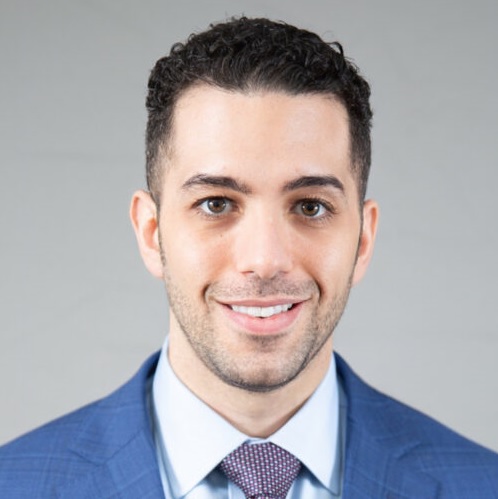
Dr. Moustafa Mourad
MD, FACS
Double Board-Certified Head & Neck and Facial Plastic & Reconstructive Surgeon
Dr. Moustafa Mourad is a double board-certified head and neck and facial plastic and reconstructive surgeon who cares for the full range of cosmetic and complex conditions affecting the face, head, and neck.
- Facial plastic and reconstructive surgery
- Head and neck cancer surgery
- Microvascular free-flap reconstruction
- Facial trauma and reconstruction
Also caring for this area

Not sure who to see? Our patient coordination team can help match you with the right specialist.
(212) 444-8006Norelle Academic Work
Research by Our Physicians
Selected scholarly work related to this topic.

Evaluating organ preservation outcome as treatment endpoint for T1aN0 glottic cancer
The Laryngoscope
Postoperative Management After Tracheostomy and Laryngectomy: Improving Nursing Knowledge With Bedside Posters
OTO Open
Treatment of locoregionally advanced laryngeal cancer: Institutional outcomes of primary surgery compared to primary radiation
Radiotherapy and Oncology
Organ preservation with external beam radiotherapy and systemic therapy in patients with locoregionally advanced laryngeal cancer: An institutional experience
International Journal of Radiation Oncology, Biology, Physics
Geographic Trends in Management of Early-Stage Laryngeal Cancer
Laryngoscope
Management of the Thyroid Gland during Total Laryngectomy in Patients with Laryngeal Squamous Cell Carcinoma
Laryngoscope
Citation details link to the original PubMed, DOI, journal, or publisher record.
Explore all Norelle research on this topicFrequently Asked Questions
No. After total laryngectomy the airway is permanently separated from the mouth and nose, and all breathing occurs through the neck stoma.
No. A tracheostomy creates an opening into the trachea while the larynx may remain connected to the airway. After total laryngectomy, the airway is permanently separated from the mouth and throat, and the neck stoma is the only breathing route.
Yes. Communication can use a tracheoesophageal voice prosthesis, electrolarynx, esophageal speech, writing, or electronic tools. A speech-language pathologist helps select and train the method.
Many patients return to an oral diet, but timing and texture depend on healing, reconstruction, prior radiation, swallowing function, and complications such as fistula or stricture.
The permanent separation of airway and swallowing passage usually prevents ordinary aspiration. Problems can still occur through a leaking voice prosthesis or another abnormal connection and require evaluation.
Smell often decreases because air no longer passes naturally through the nose. Some patients learn techniques that create nasal airflow and improve smell.
Water entering the stoma can go directly to the lungs. Patients use shower protection and must follow strict safety guidance; ordinary swimming is generally unsafe without specialized instruction and equipment.
It is leakage of saliva from the reconstructed throat into the neck wound. It may heal with wound care and nutrition support or may require another operation.
Not every patient does. The need depends on the amount and quality of tissue remaining, prior radiation, pharyngeal involvement, skin loss, and the surgeon’s reconstruction plan.
Length varies with the operation, reconstruction, medical health, wound healing, airway education, and swallowing plan. The treating team should provide a case-specific estimate rather than a universal number.
After total laryngectomy, oxygen and ventilation must be delivered through the neck stoma. A medical alert card or bracelet and clear caregiver education are important.
Yes, salvage laryngectomy is an established option for selected persistent or recurrent disease, but prior radiation increases wound and fistula risk and often influences reconstruction.
Some partial operations preserve laryngeal voice, although quality and swallowing can change. Candidacy depends on tumor location, function, anatomy, and the surgeon’s assessment.
Clinical References
These independent resources from medical and professional organizations offer further reading. They are provided for general education and do not replace a consultation with a clinician.
Related Resources
Related Procedures

Request a consultation about laryngectomy surgery and recovery
Schedule a consultation with our team to discuss whether this procedure is the right option for you.