
About the Procedure
Laryngeal cancer affects the voice box, where breathing, swallowing, and speech come together. Surgery is one way to treat it, and the goal is always to balance cancer control with protecting voice, swallowing safety, and the airway. Patients often arrive after a biopsy, an abnormal laryngoscopy, a recommendation for radiation, advice that a laryngectomy may be needed, or treatment that has not worked, and they need clear, calm, and accurate information.
Laryngeal cancer can involve the glottis, the supraglottis, or the subglottis, and the location affects symptoms, the risk of lymph node spread, treatment choices, and voice and swallowing outcomes. Early vocal cord cancers may cause hoarseness and can sometimes be treated with endoscopic surgery or radiation. More advanced tumors may call for partial laryngectomy, total laryngectomy, neck dissection, reconstruction, radiation, chemotherapy, or a combination, and cancer that returns after radiation often needs careful salvage planning.
Norelle ENT offers this as a surgical consultation and second-opinion resource. No website can decide whether a patient needs surgery, radiation, chemotherapy, or observation. The right plan depends on tumor stage and location, vocal cord movement, airway and swallowing status, imaging, pathology, overall health, prior treatment, and multidisciplinary discussion.
How we approach the decision
Surgery is one part of laryngeal cancer care, and the plan is built around function as well as cure. A consultation helps work through several decisions.
- Can the tumor be removed endoscopically or with a partial operation while preserving a functional larynx?
- How do surgery and radiation compare for control, voice, swallowing, airway, and salvage options?
- If total laryngectomy may be needed, has communication and permanent-stoma education begun before surgery?
These questions are shaped by the stage and location of the larynx cancer and by multidisciplinary discussion.
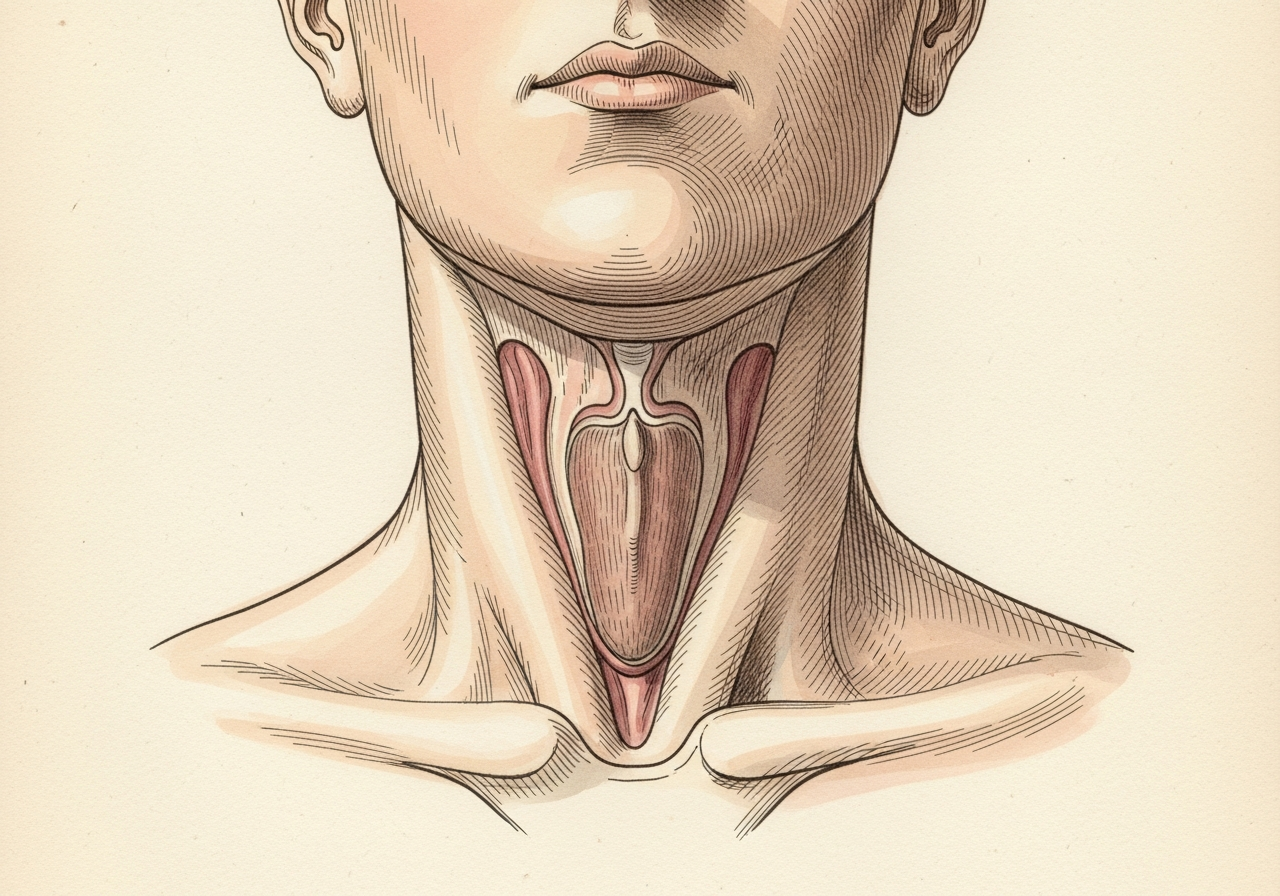
Considering laryngeal cancer surgery? The next step is a quiet, unhurried conversation.
What happens next
Evaluation and treatment usually follow a sequence.
- Endoscopic and imaging review of tumor site, depth, cartilage, vocal-cord mobility, and lymph nodes.
- Baseline voice, swallowing, pulmonary, nutrition, and airway assessment.
- Compare endoscopic resection, open partial procedures, radiation, chemoradiation, and total laryngectomy.
- Plan any neck dissection, reconstruction, feeding, and communication.
- Use pathology and function to guide rehabilitation, additional treatment, and surveillance, including speech and swallowing therapy.
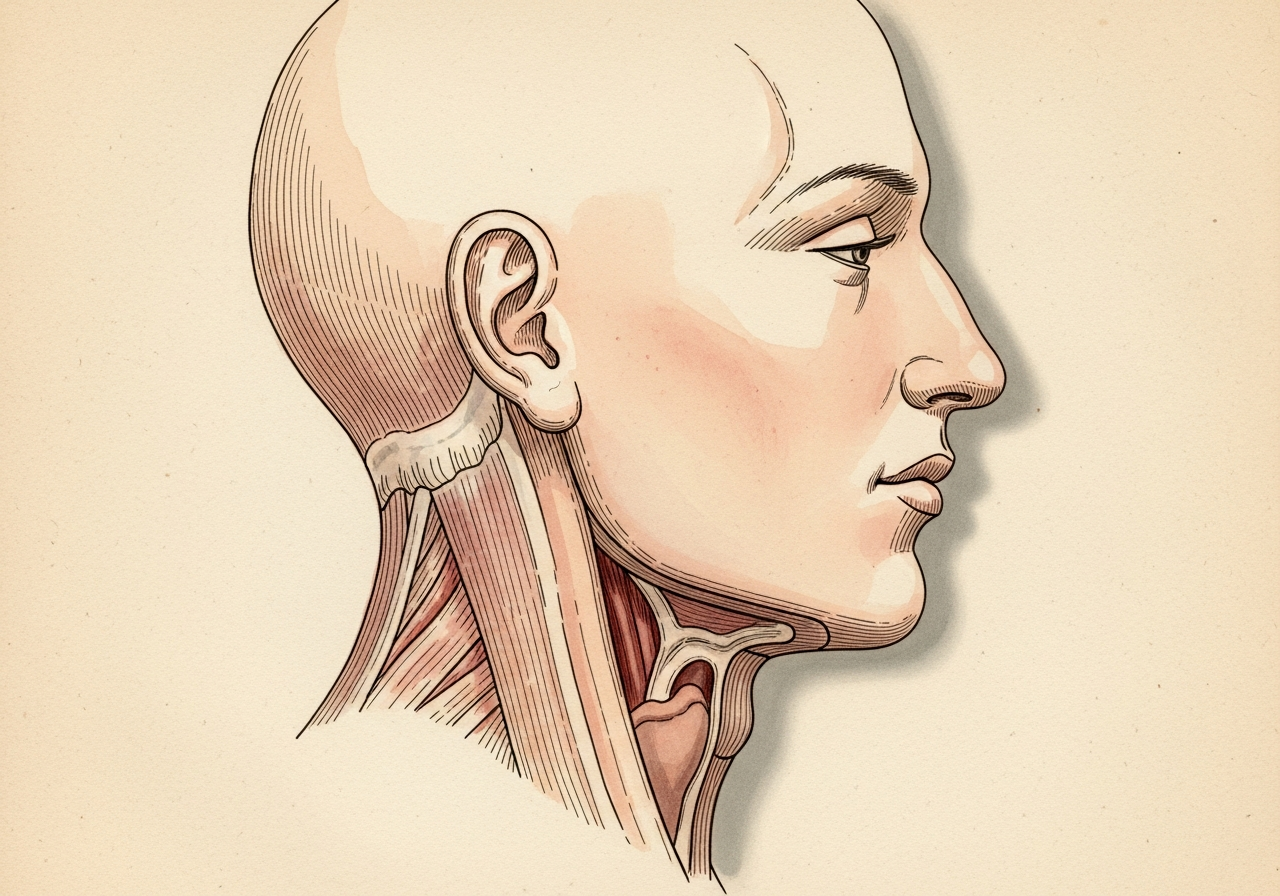
When to seek urgent care
After laryngeal surgery, some symptoms cannot wait.
- Emergency: breathing difficulty, significant bleeding, or a change in a fresh stoma needs emergency care.
- Same-day: increasing neck swelling, wound leakage, or trouble managing secretions should prompt a same-day call to the surgical team.
- Routine: gradual soreness and expected voice changes can be reviewed at a scheduled visit.
The online consultation form is not an emergency service.
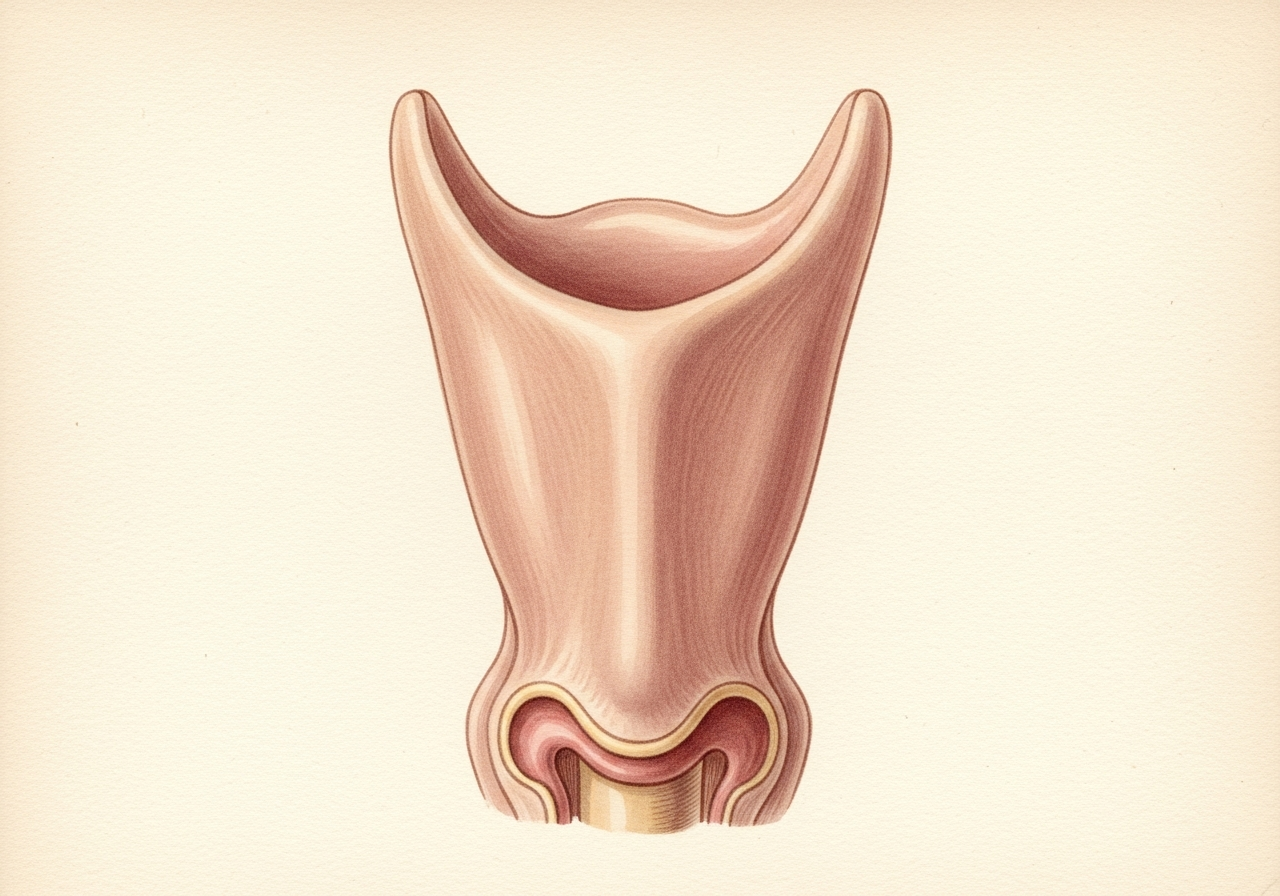
Why patients seek this care
People looking into laryngeal cancer surgery are usually facing serious questions: a new cancer diagnosis, persistent hoarseness, a biopsy result, a suspicious vocal cord lesion, a recommendation for total laryngectomy, or a recurrence after treatment. The most common questions are practical and urgent: Can my voice be saved? Will I need a breathing hole? Will I be able to swallow? Should I have radiation instead of surgery? Do I need a neck dissection? What happens after a total laryngectomy?
These questions deserve answers that respect the seriousness of cancer without overselling any single treatment. Laryngeal cancer care is multidisciplinary. A head and neck surgeon may perform the operation, but planning often involves radiation oncology, medical oncology, pathology, radiology, speech-language pathology, nutrition, dental care, anesthesia, and rehabilitation working together.
How Norelle ENT evaluates laryngeal cancer
Evaluation begins with a detailed history. The duration of hoarseness, swallowing difficulty, pain, ear pain, coughing or choking with meals, weight loss, smoking and alcohol history, reflux, voice use, prior radiation or surgery, and overall health all matter. Flexible laryngoscopy is often central because the tumor needs to be seen directly, and the surgeon assesses the vocal cords, the supraglottis, the airway, pooling of secretions, and cord movement.
A tissue diagnosis is usually required. A biopsy may be done in the operating room or, in selected cases, in the office. Imaging such as CT, MRI, or PET/CT helps assess the tumor, possible cartilage involvement, neck lymph nodes, and surgical anatomy. Some patients also need swallowing evaluation, speech-language assessment, dental evaluation before radiation, nutritional review, and anesthesia clearance. Staging is not a formality: it guides whether endoscopic surgery, radiation, partial or total laryngectomy, chemoradiation, neck dissection, or salvage surgery may be appropriate, and it shapes expectations for voice, swallowing, and follow-up.
When surgery is considered
Surgery may be considered for early lesions that can be removed endoscopically, for selected tumors where partial laryngeal surgery can preserve function, for advanced tumors that cannot be safely controlled with organ-preservation approaches, for disease that threatens the airway, and for cancer that returns after radiation or chemoradiation. It may also be part of managing lymph nodes when they are involved or at risk.
Not every patient needs the same operation. A small, superficial vocal cord cancer is managed very differently from a bulky supraglottic tumor with lymph nodes or a recurrence after radiation. Treatment is individualized and planned by a team. Sometimes radiation or chemoradiation is recommended instead of surgery, and sometimes surgery is recommended after nonsurgical treatment has not worked.
How the surgery is performed
Transoral laser microsurgery or endoscopic resection uses instruments through the mouth to remove selected tumors without an external neck incision, and it can be appropriate for some early tumors when the anatomy allows good exposure. Cordectomy removes part or all of a vocal cord for selected vocal cord cancers. Partial laryngectomy removes part of the voice box while aiming to preserve breathing, swallowing, and some voice. Supraglottic laryngectomy removes structures above the vocal cords for selected tumors.
Total laryngectomy removes the entire voice box. Afterward, the airway is separated from the mouth and nose, and the patient breathes through a permanent stoma in the neck. Voice restoration may involve a tracheoesophageal puncture and voice prosthesis, an electrolarynx, esophageal speech, and speech-language therapy. Neck dissection removes lymph nodes that are involved or at risk, and reconstruction may be needed when tissue must be replaced or when prior treatment has affected healing.
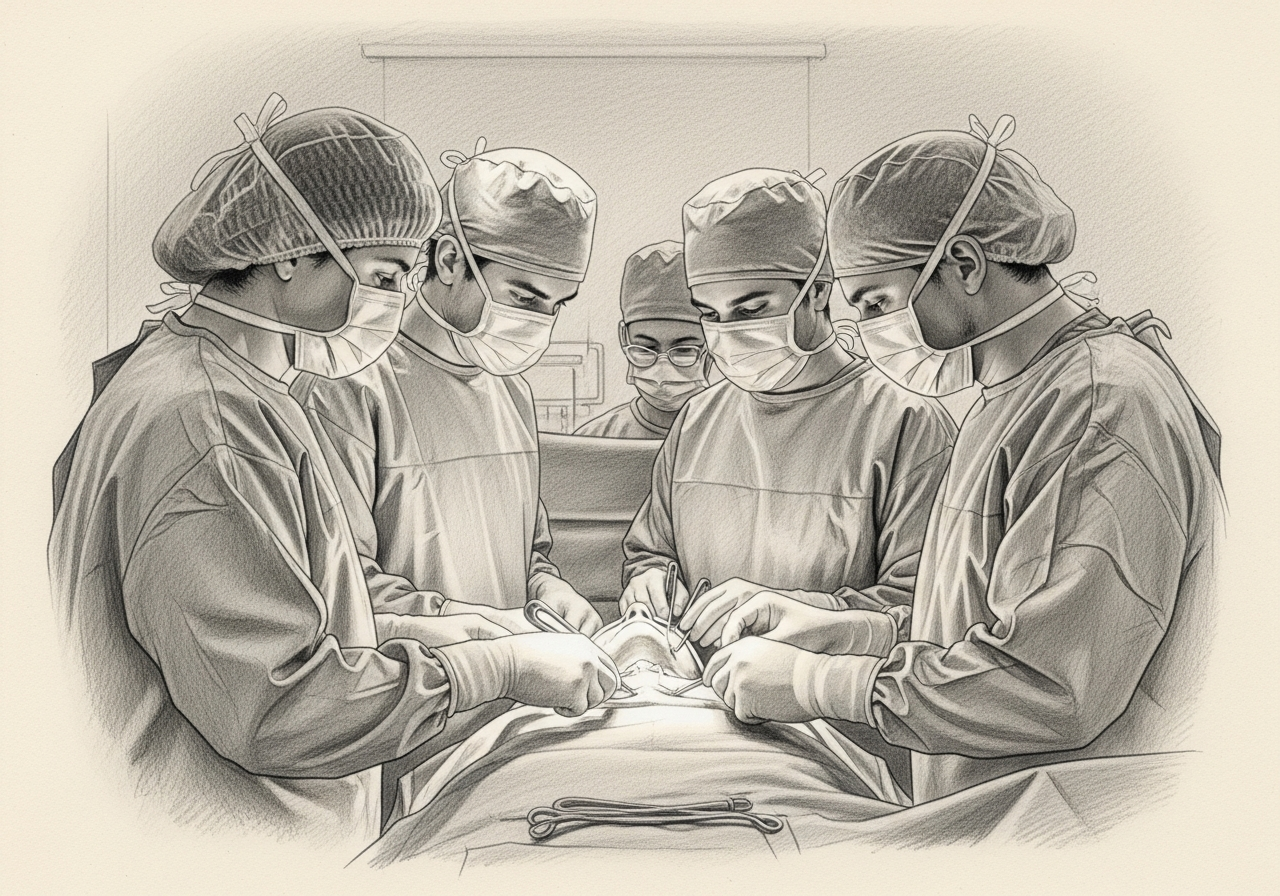
Treatment options
Treatment for laryngeal cancer may include surgery, radiation therapy, chemotherapy, systemic therapy in selected situations, and combinations of these approaches. Early-stage disease may be treated with radiation or surgery depending on tumor location, voice goals, patient preference, and assessment by the surgeon and radiation oncologist. More advanced disease may require combined treatment, and recurrence after radiation often requires salvage surgery.
The point of a consultation is not to prescribe a treatment in advance but to explain the framework patients will discuss with the team. For early superficial vocal cord cancer, options may include endoscopic excision, cordectomy, or radiation. For selected supraglottic tumors, transoral or open surgery may be considered. For advanced disease, chemoradiation, total laryngectomy, neck dissection, or multimodality therapy may be part of the plan. For recurrence after radiation, salvage laryngectomy may be necessary.
Risks, limitations, and alternatives
Risks depend on the procedure. Endoscopic surgery may affect voice quality and can involve bleeding, airway swelling, scarring, aspiration, or recurrence. Partial laryngectomy can affect swallowing and airway safety. Total laryngectomy permanently changes breathing and speech and requires stoma care. Neck dissection can cause shoulder weakness, numbness, chyle leak, bleeding, infection, nerve injury, and scarring. Reconstruction can involve wound breakdown, fistula, flap complications, swallowing problems, and the need for additional procedures.
Alternatives may include radiation, chemoradiation, observation in rare premalignant situations, repeat biopsy, referral to oncology, or a second opinion. Surgery is not automatically superior. It is one important tool, used when anatomy, stage, recurrence, airway safety, or cancer control make it appropriate.
Recovery, follow-up, and long-term planning
Recovery varies widely with the operation. Endoscopic procedures may involve outpatient or short-stay care, voice rest, swallowing precautions, and close surveillance. Partial laryngectomy may involve a hospital stay, swallowing therapy, airway monitoring, and gradual diet advancement. Total laryngectomy is a major adjustment: the patient breathes through a stoma, learns stoma care, works with speech-language pathology, and may use a voice prosthesis or another communication method. Nutrition support, wound care, pulmonary hygiene, pain control, and follow-up examinations all matter.
Long-term planning includes cancer surveillance, imaging when appropriate, speech and swallowing rehabilitation, nutrition, dental care, support for stopping smoking and alcohol use, emotional support, and coordination with oncology. The journey involves more than the operation itself.

What makes Norelle ENT different
Norelle ENT focuses on thoughtful surgical judgment, second opinions, and function-aware cancer care. The emphasis is on direct evaluation by a surgeon, clear explanation, careful coordination, and attention to voice, swallowing, airway, reconstruction, and the patient's own values and goals. Patients are welcome to send records, imaging, pathology, and prior recommendations for review before a visit.
Clinical perspective
Our head and neck surgeons select an operation based on the function of the remaining larynx, not anatomic preservation alone. A technically preserved organ can still be unsafe or ineffective if it cannot protect the airway, produce useful voice, or allow swallowing. Factors that favor a function-preserving approach include early, superficial tumors with good exposure and normal cord movement, while bulky tumors, cartilage involvement, poor baseline swallowing or lung function, and recurrence after radiation often shift the plan toward more extensive surgery or combined treatment. Candidacy requires individualized specialist review.
What to bring to your consultation
For a focused review, gather prior imaging and reports, biopsy or pathology results, laryngoscopy findings, operative and treatment notes, a current medication list, and a written timeline of symptoms and what has already been tried. A consultation can clarify the diagnosis, the available options, the likely trade-offs for voice, swallowing, and airway, and the steps needed before treatment. For urgent symptoms, follow the guidance above rather than using the routine form.
Medical review
This page is a patient-education resource reviewed by the responsible Norelle ENT clinician before publication. It does not replace an in-person evaluation. If symptoms are severe or rapidly worsening, seek immediate medical care.
Specialists who perform laryngeal cancer surgery
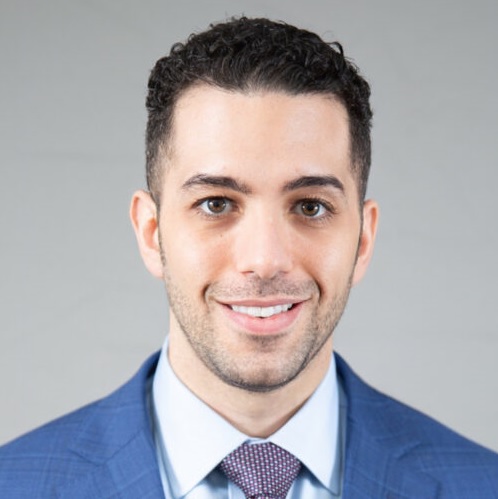
Dr. Moustafa Mourad
MD, FACS
Double Board-Certified Head & Neck and Facial Plastic & Reconstructive Surgeon
Dr. Moustafa Mourad is a double board-certified head and neck and facial plastic and reconstructive surgeon who cares for the full range of cosmetic and complex conditions affecting the face, head, and neck.
- Facial plastic and reconstructive surgery
- Head and neck cancer surgery
- Microvascular free-flap reconstruction
- Facial trauma and reconstruction
Also caring for this area

Not sure who to see? Our patient coordination team can help match you with the right specialist.
(212) 444-8006Norelle Academic Work
Research by Our Physicians
Selected scholarly work related to this topic.

Evaluating organ preservation outcome as treatment endpoint for T1aN0 glottic cancer
The Laryngoscope
Postoperative Management After Tracheostomy and Laryngectomy: Improving Nursing Knowledge With Bedside Posters
OTO Open
Treatment of locoregionally advanced laryngeal cancer: Institutional outcomes of primary surgery compared to primary radiation
Radiotherapy and Oncology
Organ preservation with external beam radiotherapy and systemic therapy in patients with locoregionally advanced laryngeal cancer: An institutional experience
International Journal of Radiation Oncology, Biology, Physics
Geographic Trends in Management of Early-Stage Laryngeal Cancer
Laryngoscope
Management of the Thyroid Gland during Total Laryngectomy in Patients with Laryngeal Squamous Cell Carcinoma
Laryngoscope
Citation details link to the original PubMed, DOI, journal, or publisher record.
Explore all Norelle research on this topicFrequently Asked Questions
It is an endoscopic approach that uses magnification and a laser or other instruments to remove selected laryngeal tumors through the mouth, without an external neck incision.
It is removal of the larynx for cancer that persists or returns after prior radiation or chemoradiation. Healing and reconstruction needs can be more complex in this setting.
Voice can be assessed through patient-reported function, perceptual evaluation, acoustic measures, laryngoscopy, and the ability to communicate in daily life.
Whether voice can be preserved depends on the tumor's stage and location, how the vocal cords move, and how the cancer responds to treatment. Early vocal cord cancers can sometimes be treated with endoscopic surgery or radiation that aims to preserve voice. More advanced tumors may require partial or total laryngectomy, which changes the voice and may call for a new way of speaking. The team will explain what is realistic for your situation.
A permanent stoma is created after total laryngectomy, when the entire voice box is removed and the airway is separated from the mouth and nose. Many other operations, including endoscopic surgery and some partial procedures, do not require a permanent stoma. Whether one is needed depends on the extent of surgery.
No. Some patients are treated with radiation or chemoradiation rather than surgery, and the best choice depends on tumor stage and location, vocal cord movement, airway and swallowing status, imaging, pathology, prior treatment, and overall health. Surgery becomes appropriate when its expected benefit outweighs the risks and when the disease is suited to an operation.
A neck dissection removes lymph nodes that are involved with cancer or at risk of involvement. Whether it is needed depends on the tumor location, stage, and imaging findings. Not every patient requires it, and the team will explain the reasoning in your case.
Bring prior imaging and discs, biopsy and pathology reports, operative notes, laryngoscopy findings, medication lists, and records from other clinicians, along with a written timeline of symptoms and what has already been tried. These records can prevent repeated testing and may change the recommendation.
Yes. Second opinions are reasonable for complex, high-stakes, or recurrent problems, and they are especially worthwhile before surgery that could change speech, breathing, or swallowing. Comparing recommendations is a normal part of careful decision-making.
Risks depend on the procedure. They may include effects on voice and swallowing, airway changes, bleeding, infection, scarring, aspiration, nerve injury, shoulder weakness after neck dissection, and complications related to reconstruction. The team will review the risks specific to the planned operation.
Recovery depends on the operation. Endoscopic procedures may involve a short recovery with voice rest and swallowing precautions, while partial or total laryngectomy can involve a hospital stay, swallowing and speech rehabilitation, and a longer adjustment. The care team provides instructions specific to your procedure.
Laryngeal cancer care is multidisciplinary. Depending on the plan, it may involve a head and neck surgeon, radiation oncology, medical oncology, pathology, radiology, speech-language pathology, nutrition, dental care, anesthesia, and rehabilitation, all coordinating around your treatment.
Clinical References
These independent resources from medical and professional organizations offer further reading. They are provided for general education and do not replace a consultation with a clinician.
Related Resources
Related Conditions

Related Procedures

Request a consultation about laryngeal cancer surgery
Schedule a consultation with our team to discuss whether this procedure is the right option for you.