
About the Procedure
After endoscopic sinus surgery, the lining of the nose and sinuses heals over several weeks, and crusts, dried mucus, small clots, and debris naturally form in the surgical areas. Postoperative debridement removes selected crust, clot, mucus, scar, or obstructive material while the sinuses heal, so the newly opened drainage pathways stay clear.
The need, timing, and number of visits vary with the operation performed, how each person heals, symptoms, and what the surgeon sees on endoscopy. It is part of recovery rather than a fixed package applied to every patient.
At Norelle ENT, debridement visits are tailored to how each person is healing. Some people need only a visit or two, while others — particularly after more extensive surgery or surgery for nasal polyps — benefit from a few visits over the first weeks.
What this evaluation should clarify
This page is meant to help you understand a few key decisions about debridement during recovery:
- Whether, and how often, in-office cleaning is needed based on the surgery you had and how you are healing
- How debridement fits with saline rinses, medication adjustments, and observation as part of the full recovery plan
- Which factors — the extent of surgery, the presence of polyps, bleeding risk, and how well you tolerate the visit — change the recommendation
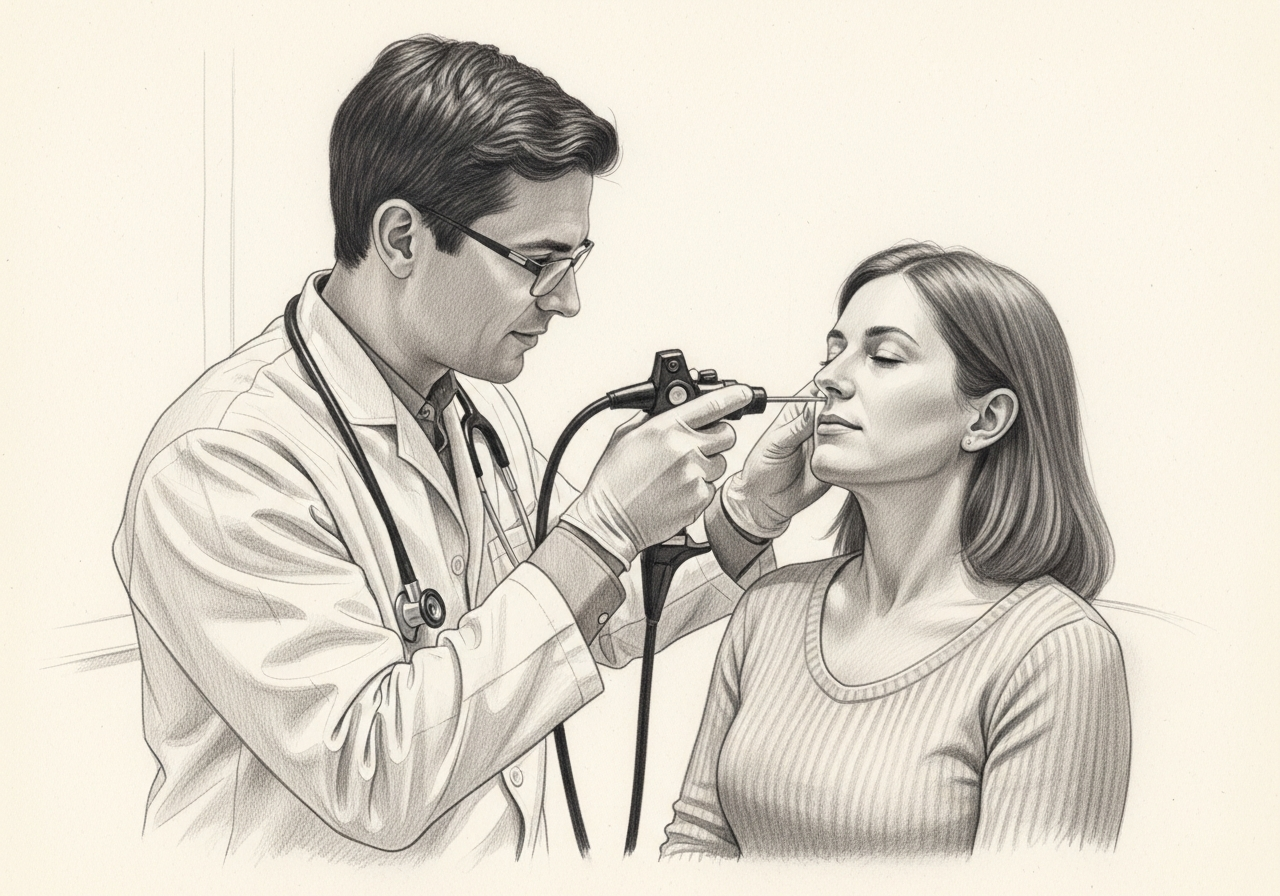
Considering postoperative sinus debridement? The next step is a quiet, unhurried conversation.
Evaluation and treatment pathway
- Confirm the goal of follow-up care and the reasons in-office cleaning is, or is not, needed at a given visit.
- The decision is based on the operation performed, the endoscopic appearance, your symptoms, how healing is progressing, bleeding risk, your tolerance, and whether material is blocking drainage or topical treatment.
- Alternatives or complements include saline irrigation, medication adjustment, observation, local anesthesia, and staged follow-up. Some people need little debridement while others benefit from more than one visit.
- A clinician uses nasal endoscopy with gentle suction or small instruments to remove selected material. Comfort measures and what will not be disturbed during healing are explained.
- Temporary pressure, minor bleeding, or tenderness may occur. You receive individualized instructions about rinses, medications, activity, and the timing of the next endoscopic review.
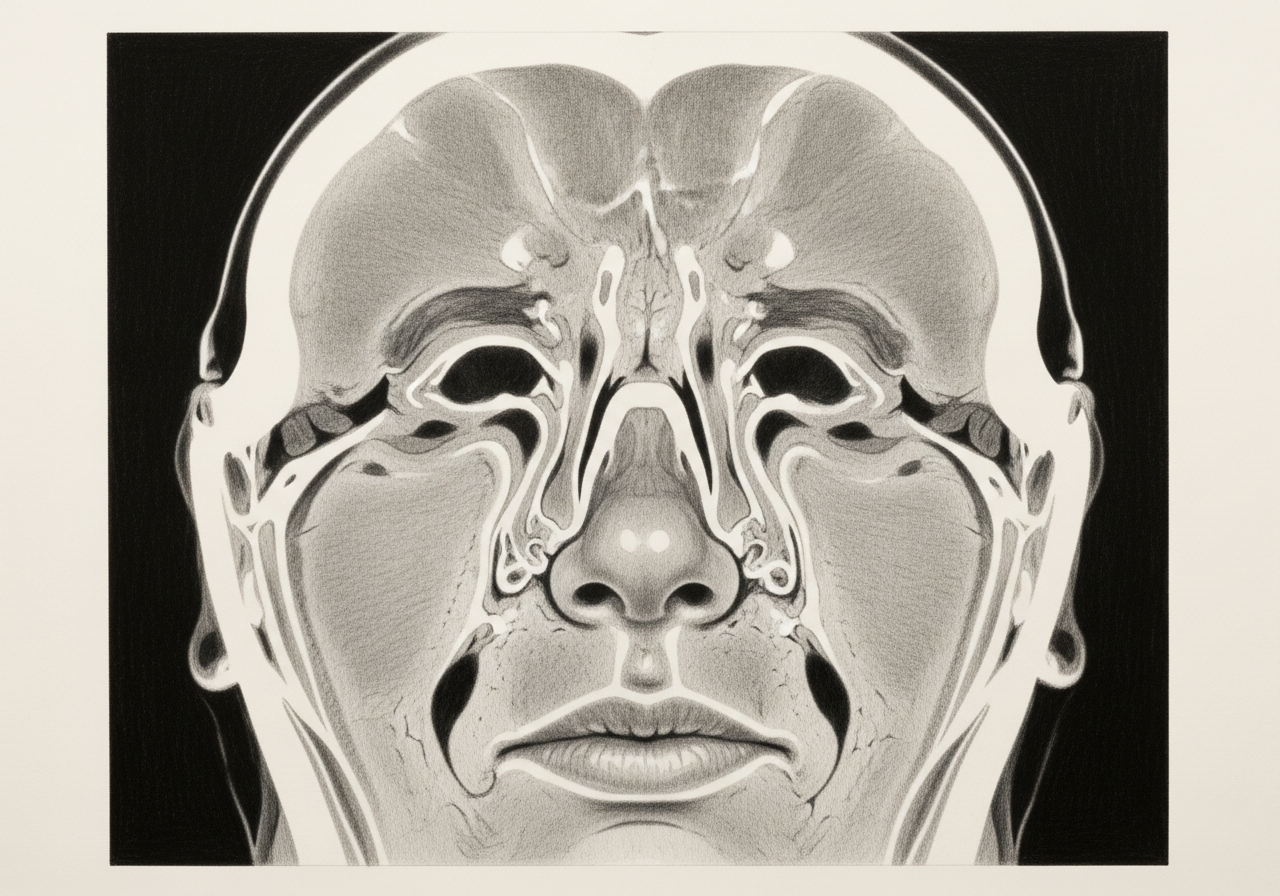
What debridement is
Debridement is a gentle cleaning of the nose and sinuses after surgery, done in the office with an endoscope for visualization. The surgeon removes crusts, dried mucus, small clots, and debris from the surgical areas and may remove early scar tissue if it is forming.
It is not a second operation. It is a normal, expected part of recovery that helps the sinuses heal in an open position and lets the surgeon monitor progress.
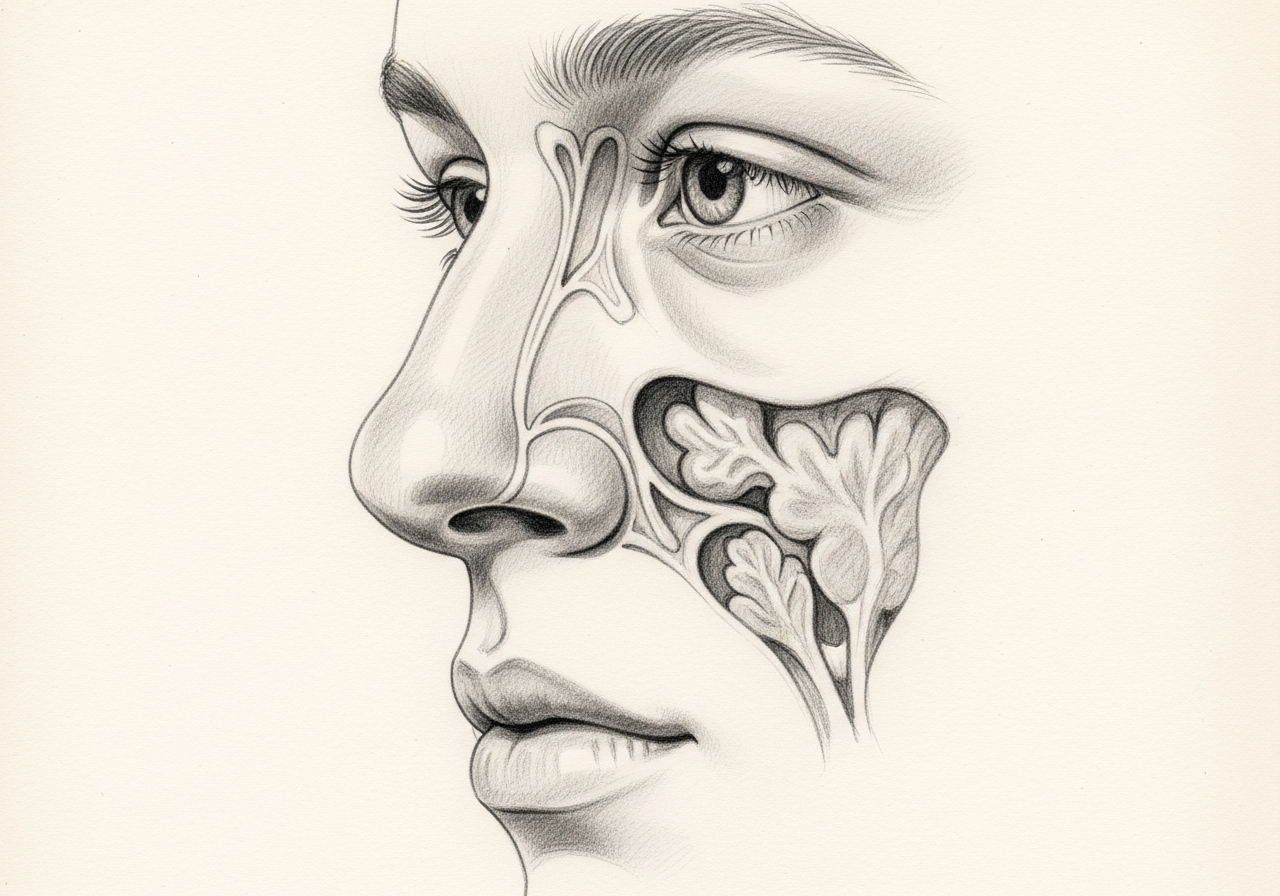
Why crusts and clots form
After surgery, the healing lining produces mucus and small amounts of blood, which dry into crusts and clots along the areas that were operated on. This is a normal part of healing.
If crusts and debris are left to build up, they can block the newly opened sinus drainage pathways, trap mucus, and contribute to scar tissue. Removing them helps keep the pathways open while the lining recovers.
What happens during the visit
A topical decongestant and numbing spray are often applied first to improve comfort and visibility. Using an endoscope, the surgeon examines the nose and sinuses and gently removes crusts, clots, and debris with small instruments or suction.
The visit is usually short. The surgeon also checks how the surgical sites are healing and may adjust your saline rinses or medications based on what is seen.
Comfort measures
Numbing and decongestant sprays help reduce discomfort during debridement. Taking your usual saline rinses beforehand can soften crusts and make cleaning easier and more comfortable.
Most people tolerate the visits well. If you tend to feel anxious or sensitive, let the team know so that extra time and additional comfort measures can be used.
What to bring to your consultation
Bringing the right records helps make the most of your visit. Where possible, bring or securely transfer:
- The operative report from your sinus surgery
- Sinus CT imaging files and reports
- Pathology results, if tissue was sent
- Relevant laboratory results
- A current medication list, including any blood thinners
- The specific question you would most like answered
When to seek urgent care
Some symptoms need urgent assessment rather than waiting for a routine visit. Seek care for heavy or persistent bleeding, a change in vision or double vision, a severe or escalating headache, constant clear, watery nasal drainage, or a fever with a stiff neck or neurologic symptoms.
These can signal a problem that needs prompt attention. An online form or routine appointment request is not an emergency service.
Medical review
This page is a patient-education resource reviewed by the responsible Norelle ENT clinician before publication. It does not replace an in-person evaluation. Heavy bleeding, high fever, vision changes, severe headache with a stiff neck, or constant clear, watery nasal drainage after sinus surgery should prompt urgent medical care.
Specialists who perform postoperative sinus debridement
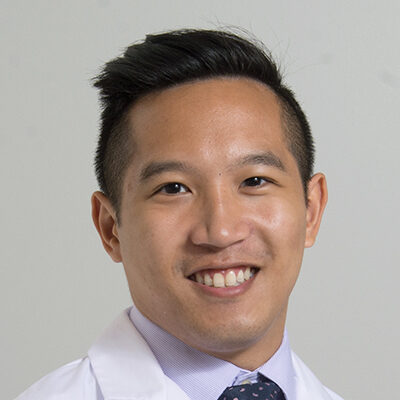
Dr. Adrian Ong
MD
Board-Certified Facial Plastic & Reconstructive and Head & Neck Surgeon
Dr. Adrian Ong is a board-certified surgeon who practices exclusively on the face, head, and neck, with expertise spanning rhinoplasty, sinus surgery, facial trauma, reconstruction, and sleep surgery.
- Functional and aesthetic rhinoplasty (including revision)
- Sinus surgery and complex revision sinus surgery
- Facial trauma and nasal fractures
- Head and neck cancer surgery and microvascular reconstruction
Also caring for this area


Not sure who to see? Our patient coordination team can help match you with the right specialist.
(212) 444-8006Frequently Asked Questions
Most people find debridement uncomfortable rather than painful. Numbing and decongestant sprays are used to improve comfort, and rinsing beforehand to soften crusts can help. Mild discomfort or light bleeding afterward is common and brief.
Debridement is recommended for most people after sinus surgery, but the number of visits varies. The decision is based on the operation performed, the endoscopic appearance, symptoms, and healing. Some need only one or two visits, while others, especially after extensive surgery or surgery for polyps, benefit from several.
Saline irrigation, medication adjustment, observation, local anesthesia, and staged follow-up are used alongside debridement. Some people require little cleaning while others benefit from more than one visit.
Saline rinses at home are an important part of recovery and help soften and flush out debris. However, they do not replace in-office debridement, where the surgeon uses an endoscope to safely remove deeper crusts and clots and check on healing.
Clinical References
These independent resources from medical and professional organizations offer further reading. They are provided for general education and do not replace a consultation with a clinician.
Related Conditions

1 of 2 · Chronic Sinusitis
Related Procedures

1 of 4 · Sinus Surgery Recovery
Request a consultation about postoperative sinus debridement
Schedule a consultation with our team to discuss whether this procedure is the right option for you.