
About the Procedure
Most skull-base fractures are first managed in a trauma hospital, and not every fracture needs surgery. Repair is considered for defined complications such as a persistent cerebrospinal-fluid leak, displaced or unstable defects, compression, or other structural problems after acute neurologic and vascular risks are addressed.
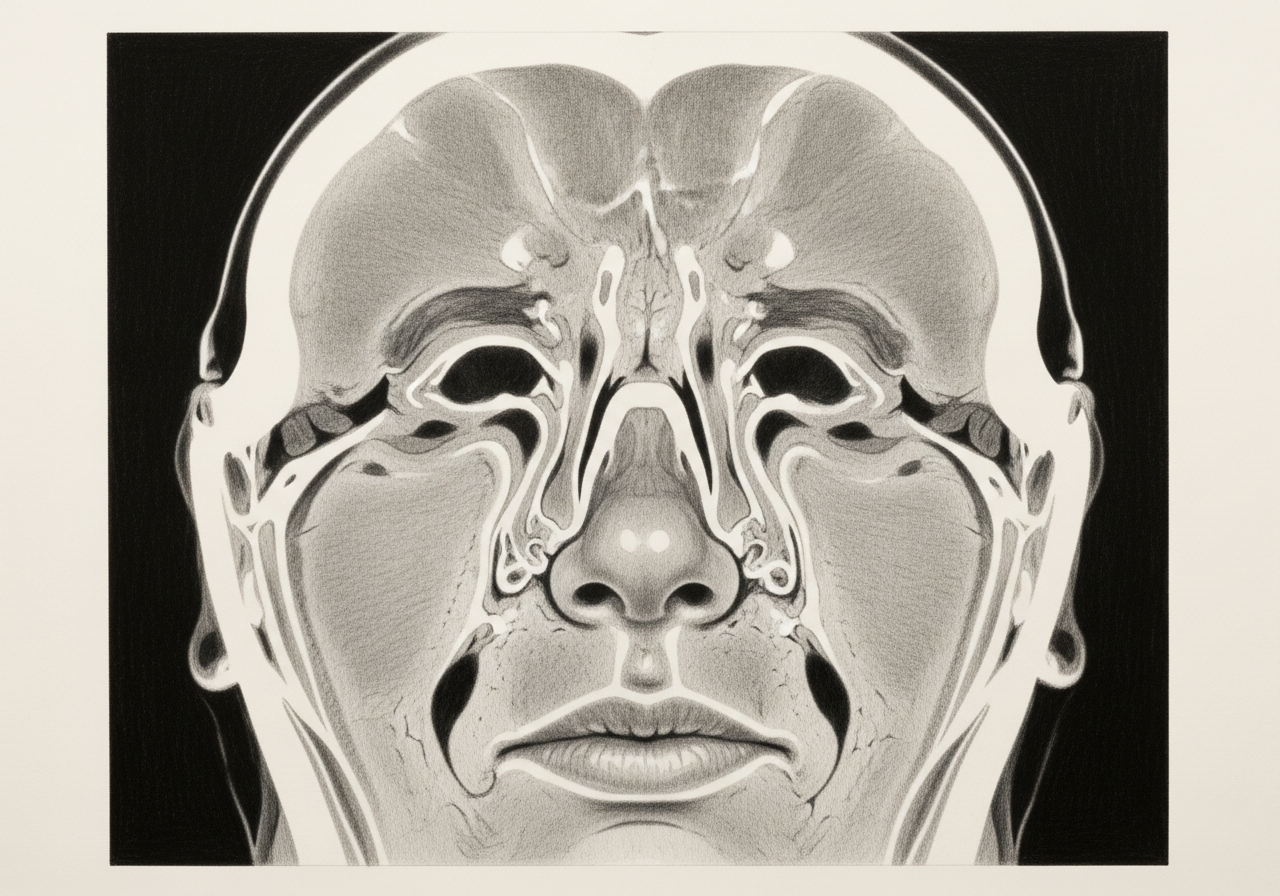
The skull base is the bony floor beneath the brain that also forms the roof of the nose and sinuses. A fracture here can tear the lining that separates the nose from the space around the brain, leading to a cerebrospinal fluid (CSF) leak and a risk of meningitis. When repair is needed, it can often be performed endoscopically through the nose, coordinated with neurosurgery and the trauma team.
What this evaluation should clarify
After a skull-base fracture, an evaluation should clarify a few core questions:
- Is the underlying diagnosis and treatment goal established with the right examination, imaging, testing, or pathology?
- How does this option compare with continued medical care, a different procedure, observation, or referral to another specialty?
- Which anatomy, prior treatment, comorbidities, benefits, risks, and recovery requirements change the recommendation?
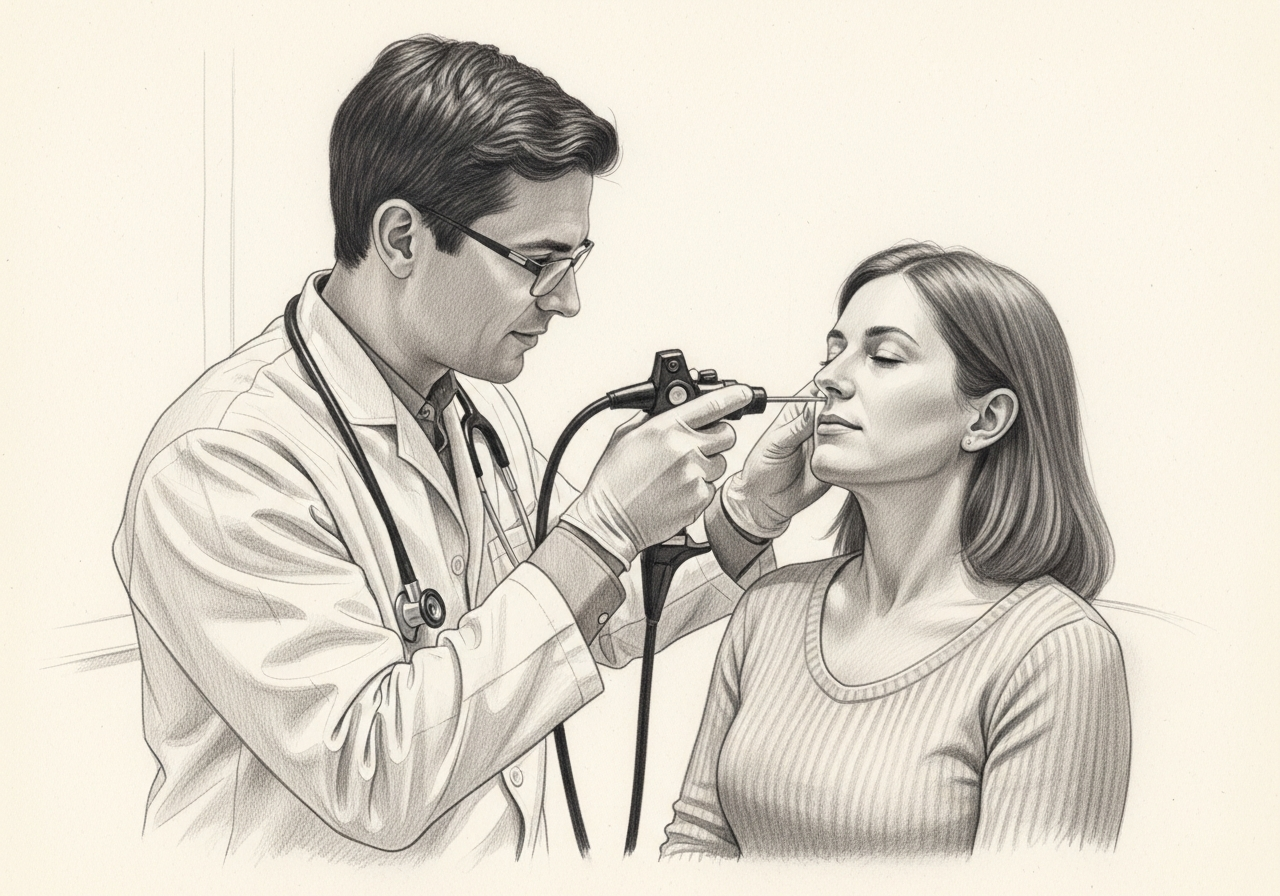
Considering skull base fracture repair? The next step is a quiet, unhurried conversation.
Evaluation and treatment pathway
- Confirm the diagnosis, treatment goal, and the reasons a less invasive or nonsurgical approach is insufficient.
- Candidacy is determined after trauma stabilization using CT, MRI, or vascular imaging as appropriate, neurologic and cranial-nerve assessment, and confirmation of a persistent leak or structural indication.
- Alternatives include hospital observation, precautions, treatment of infection risk, and delayed reassessment for selected injuries. The approach may be endoscopic, open, or combined according to location and associated injuries.
- Repair can close a skull-base defect, reposition or remove selected bone, and reconstruct the barrier between the cranial cavity and sinonasal tract. The operative team and route depend on the injury.
- Recovery is driven by the full trauma burden, neurologic status, repair, and associated facial or orbital injuries. Follow-up may involve CSF-leak, vision, hearing, smell, balance, and cranial-nerve assessment.
Who may be a candidate
Repair is generally considered when a skull-base fracture causes:
- A persistent CSF leak that does not resolve on its own
- A high risk of meningitis
- Associated injuries that require surgical treatment
Many skull-base fractures heal without surgery, and some CSF leaks stop on their own with conservative measures. The decision is individualized and made with the broader care team.

How it is performed
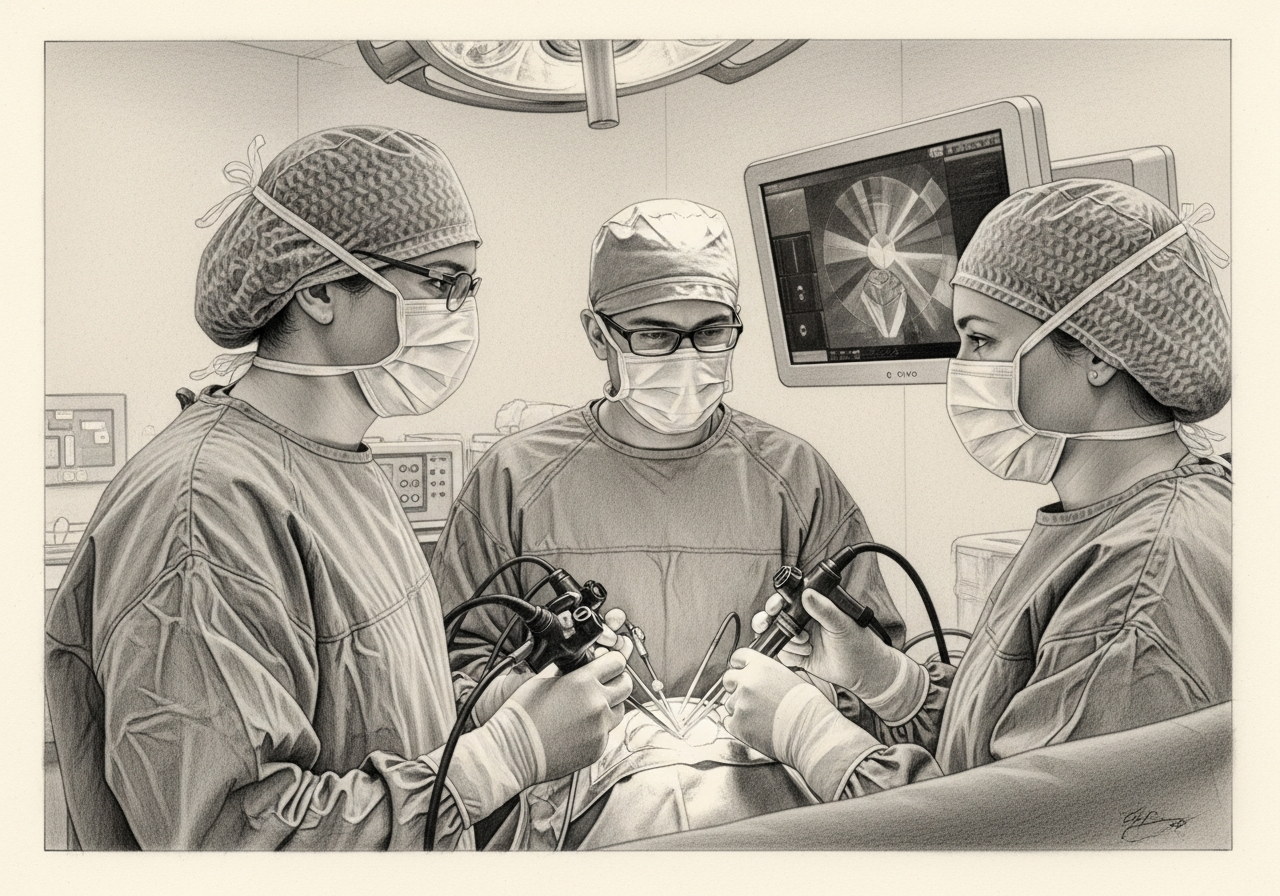
When endoscopic repair is appropriate, the surgeon uses endoscopes through the nostrils to locate the defect, often with image guidance, and seals it with grafts, which may include the patient's own tissue.
Some fractures require open or combined approaches depending on their location and associated injuries. Care is coordinated with neurosurgery and, when needed, other surgical teams.
Risks and alternatives
Possible risks include recurrent or persistent CSF leak, bleeding, infection including meningitis, and the need for additional surgery. The approach is chosen to balance these risks against the risk of leaving a leak untreated.
For fractures without a leak or with a leak likely to close on its own, conservative management with observation and precautions may be the appropriate path, decided with the care team.
Results and follow-up
The goal of repair is to seal any CSF leak, restore the barrier between the nose and the brain, and reduce the risk of meningitis. Most repairs are durable, though some leaks can recur and require further treatment.
Follow-up monitors for recurrent drainage and infection and addresses any associated injuries as part of overall recovery.
What to bring to your consultation
For a later repair evaluation, bring or securely transfer the records that can change this decision:
- Imaging files and reports
- Endoscopy or operative findings
- Pathology results
- Laboratory results
- Prior treatment notes
- A current medication list
- The specific question you want answered
Having these available helps the team review the diagnosis and the available options together.
When to seek urgent care
Any suspected acute skull-base fracture or worsening neurologic, visual, bleeding, or clear-drainage symptom after trauma requires emergency care, not an elective procedure request.
An online form or routine appointment request is not an emergency service. For emergency symptoms, use emergency services rather than the routine form.
Medical review
This page is a patient-education resource reviewed by the responsible Norelle ENT clinician before publication. It does not replace an in-person evaluation. If symptoms are severe or rapidly worsening, seek immediate medical care.
Specialists who perform skull base fracture repair

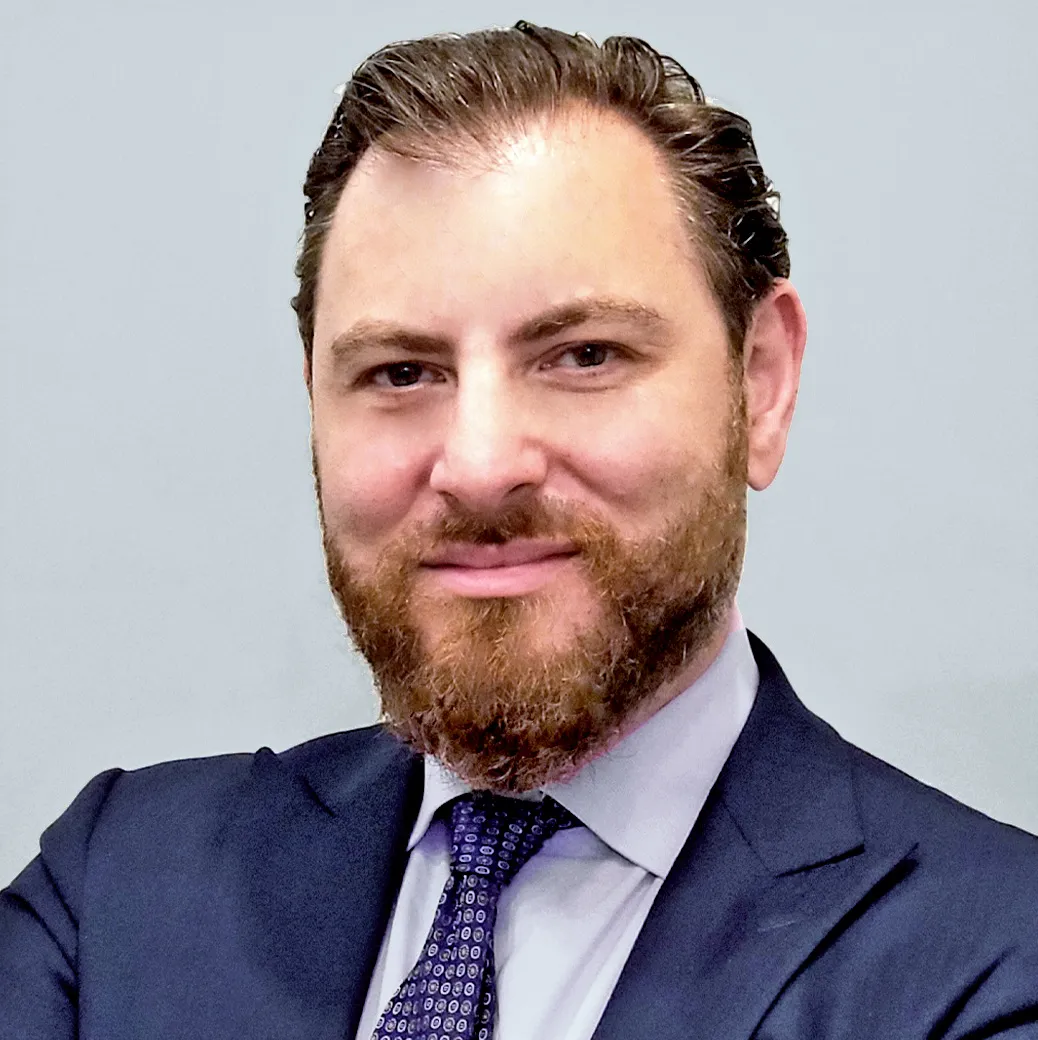
Dr. Adrian Ong
MD
Board-Certified Facial Plastic & Reconstructive and Head & Neck Surgeon
Dr. Adrian Ong is a board-certified surgeon who practices exclusively on the face, head, and neck, with expertise spanning rhinoplasty, sinus surgery, facial trauma, reconstruction, and sleep surgery.
- Functional and aesthetic rhinoplasty (including revision)
- Sinus surgery and complex revision sinus surgery
- Facial trauma and nasal fractures
- Head and neck cancer surgery and microvascular reconstruction
Also caring for this area

Not sure who to see? Our patient coordination team can help match you with the right specialist.
(212) 444-8006Frequently Asked Questions
Candidacy is determined after trauma stabilization using CT, MRI, or vascular imaging as appropriate, neurologic and cranial-nerve assessment, and confirmation of a persistent leak or structural indication.
Repair can close a skull-base defect, reposition or remove selected bone, and reconstruct the barrier between the cranial cavity and sinonasal tract. The operative team and route depend on the injury.
Alternatives include hospital observation, precautions, treatment of infection risk, and delayed reassessment for selected injuries. The approach may be endoscopic, open, or combined according to location and associated injuries.
Recovery is driven by the full trauma burden, neurologic status, repair, and associated facial or orbital injuries. Follow-up may involve CSF-leak, vision, hearing, smell, balance, and cranial-nerve assessment.
Related Conditions
Related Procedures

1 of 3 · Endoscopic CSF Leak Repair
Request a consultation about skull base fracture repair
Schedule a consultation with our team to discuss whether this procedure is the right option for you.