
About This Treatment
Steroid-eluting sinus implants deliver anti-inflammatory medicine locally in selected postoperative or recurrent-polyp situations. They are not a substitute for confirming the diagnosis or building a long-term inflammatory care plan, and candidacy depends on anatomy, prior surgery, disease location, and treatment goals.
What this evaluation should clarify
A focused evaluation should help you understand a few key decisions:
- Whether the underlying diagnosis and treatment goal are established with the right examination, imaging, testing, or pathology
- How a steroid implant compares with continued medical care, a different procedure, observation, or referral to another specialty
- Which anatomy, prior treatment, comorbidities, benefits, risks, and recovery requirements change the recommendation

Considering steroid implant for nasal polyps? The next step is a quiet, unhurried conversation.
Evaluation and treatment pathway
- Confirm the diagnosis, treatment goal, and the reasons a less invasive or nonsurgical approach is insufficient.
- Candidacy requires accessible anatomy and a defined target, such as postoperative inflammation, scarring risk, or recurrent polyps in an opened sinus. The clinician reviews medication risks, prior response, cost, and alternatives.
- Alternatives include topical sprays or irrigations, office debridement, systemic medication, biologic therapy, revision surgery, or observation, depending on the underlying problem.
- Placement may occur during surgery or in the office in selected, previously opened anatomy. The device, location, expected duration, and removal or dissolution plan are explained.
- Follow-up may include endoscopy, medication review, and assessment of local response, migration, crusting, infection, bleeding, or persistent obstruction.
How it is placed
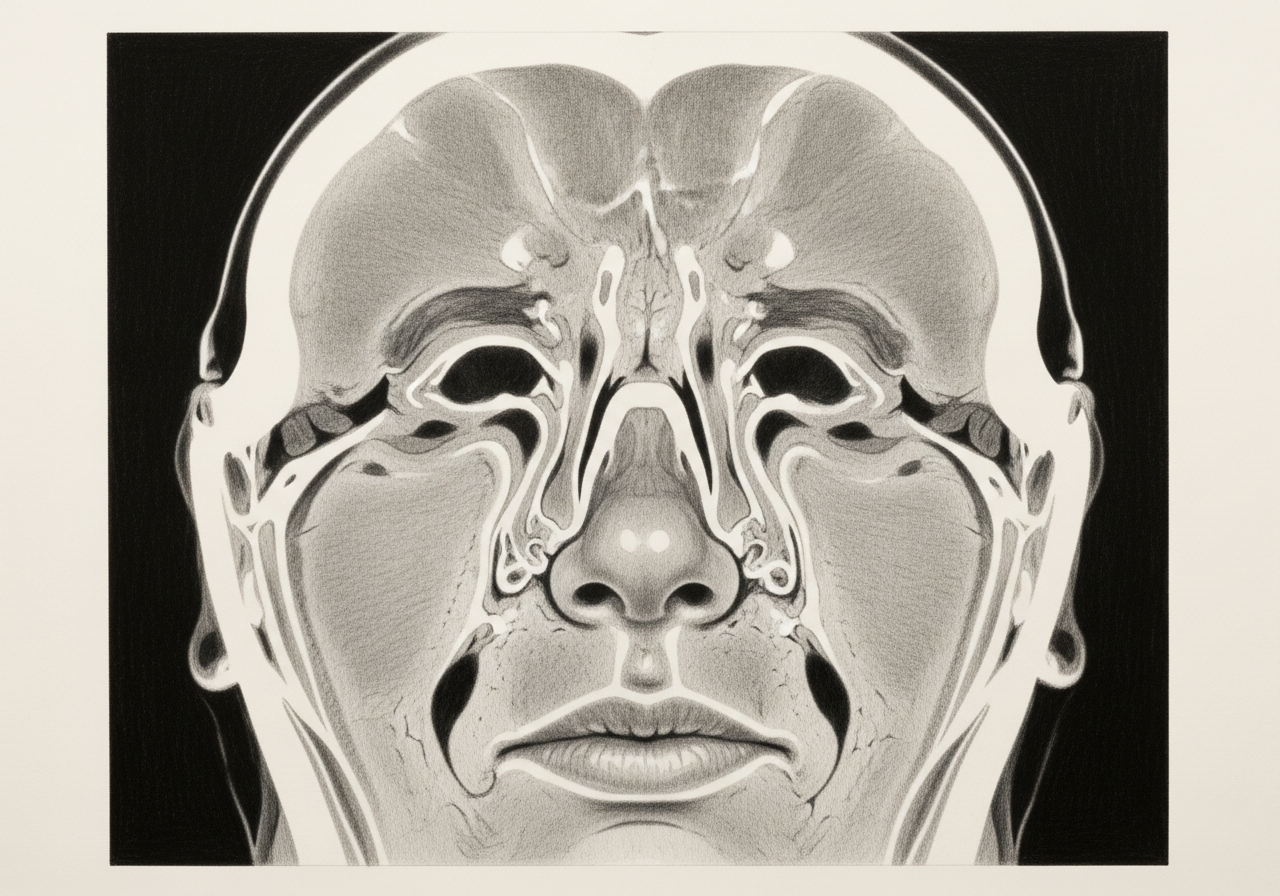
The implant is placed through the nostril using an endoscope. In the office, this is typically a brief procedure for recurrent polyps. During sinus surgery, the implant is positioned in the treated sinus before the procedure ends.
Once in place, it gradually releases medication and then dissolves on its own, so it does not need to be removed.

Benefits and limitations
The main benefit is targeted, sustained delivery of anti-inflammatory medication to the sinus lining, which can help shrink polyps, reduce inflammation, and limit scarring after surgery.
A steroid implant does not cure the underlying tendency toward polyp formation. Polyps can recur, and most patients continue topical therapy and follow-up. It is one tool within an overall plan.
Risks and alternatives
Possible considerations include local irritation, displacement of the implant, bleeding, and the chance that polyps persist or recur. Because the medication is delivered locally, systemic exposure is limited.
Alternatives include topical nasal steroid sprays and rinses, oral steroids in selected cases, biologic medications for certain patients, and endoscopic sinus surgery. The right combination depends on the pattern of disease.
What to bring to your consultation
Bring or securely transfer the records that can change this decision:
- Imaging files and reports
- Endoscopy or operative findings
- Pathology results
- Laboratory results
- Prior treatment notes
- A current medication list
- The specific question you want answered
Having these available helps the team review the diagnosis and the available options together.
When to seek urgent care
Significant bleeding, severe pain, fever, vision change, breathing difficulty, or a suspected serious medication reaction requires prompt or emergency care according to severity.
An online form or routine appointment request is not an emergency service. For emergency symptoms, use emergency services rather than the routine form.
Medical review
This page is a patient-education resource reviewed by the responsible Norelle ENT clinician before publication. It does not replace an in-person evaluation. If symptoms are severe or rapidly worsening, seek immediate medical care.
Specialists who provide steroid implant for nasal polyps
Dr. Adrian Ong
MD
Board-Certified Facial Plastic & Reconstructive and Head & Neck Surgeon
Dr. Adrian Ong is a board-certified surgeon who practices exclusively on the face, head, and neck, with expertise spanning rhinoplasty, sinus surgery, facial trauma, reconstruction, and sleep surgery.
- Functional and aesthetic rhinoplasty (including revision)
- Sinus surgery and complex revision sinus surgery
- Facial trauma and nasal fractures
- Head and neck cancer surgery and microvascular reconstruction
Also caring for this area


Not sure who to see? Our patient coordination team can help match you with the right specialist.
(212) 444-8006Frequently Asked Questions
Candidacy requires accessible anatomy and a defined target, such as postoperative inflammation, scarring risk, or recurrent polyps in an opened sinus. The clinician reviews medication risks, prior response, cost, and alternatives.
Placement may occur during surgery or in the office in selected, previously opened anatomy. The device, location, expected duration, and removal or dissolution plan are explained.
Alternatives include topical sprays or irrigations, office debridement, systemic medication, biologic therapy, revision surgery, or observation, depending on the underlying problem.
Follow-up may include endoscopy, medication review, and assessment of local response, migration, crusting, infection, bleeding, or persistent obstruction. Significant bleeding, severe pain, fever, vision change, breathing difficulty, or a suspected serious medication reaction requires prompt or emergency care according to severity.
Clinical References
These independent resources from medical and professional organizations offer further reading. They are provided for general education and do not replace a consultation with a clinician.
Related Conditions
1 of 2 · Nasal Polyps
Related Procedures

1 of 2 · Postoperative Sinus Debridement
Request a consultation about steroid implant for nasal polyps
Schedule a consultation with our team to discuss whether this treatment is the right option for you.