
Overview
Difficulty swallowing is a symptom, not a diagnosis. The first distinction is whether the problem begins in the mouth and throat, with coughing, choking, or trouble initiating a swallow, or lower in the esophagus, where food may feel stuck after the swallow begins.
Difficulty swallowing, known medically as dysphagia, is the feeling that food, liquid, or even saliva does not move easily from the mouth and throat into the esophagus. It can feel like food sticking, the need to swallow several times, coughing or choking with meals, or pain when swallowing.
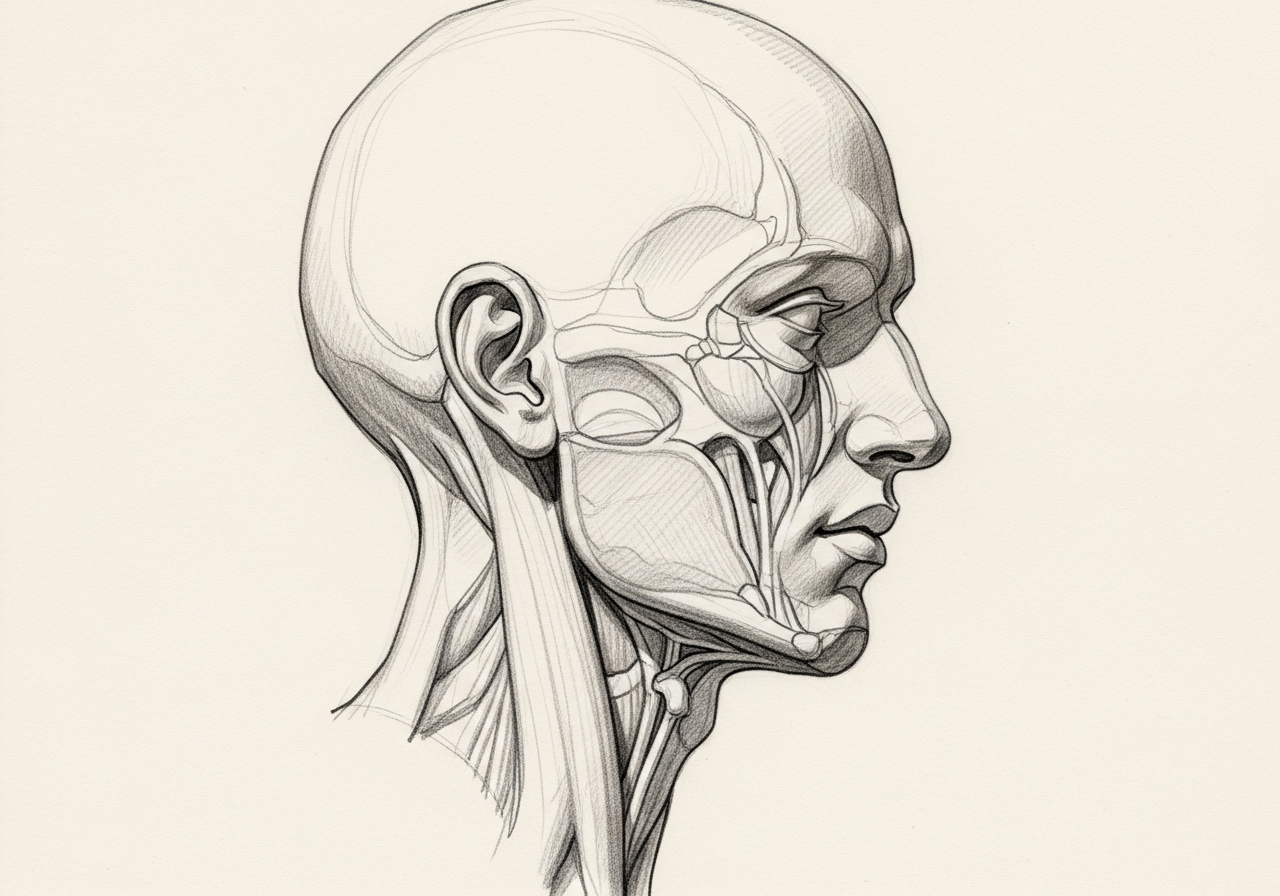
Swallowing involves the mouth, throat, voice box, and esophagus working in close coordination, along with several nerves and muscles. Because so many structures are involved, dysphagia can come from irritation and reflux, nerve and muscle problems, narrowing of the swallowing passage, or a growth. Persistent swallowing trouble should be evaluated rather than ignored.
Norelle ENT evaluates difficulty swallowing by identifying where the problem occurs and why. Care may involve laryngoscopy, swallowing studies, and coordination with speech and swallowing therapy, gastroenterology, and other specialists depending on the cause.
How we approach the decision
Naming the type of swallowing problem points to the right test and the right team. The decisions this page is meant to help you understand are:
- Is this oropharyngeal dysphagia, esophageal dysphagia, painful swallowing, or a sensation unrelated to true passage difficulty?
- Is aspiration, malnutrition, dehydration, airway compromise, neurologic disease, narrowing, or a tumor a concern?
- Which test will answer the next decision: laryngoscopy, a fiberoptic endoscopic evaluation of swallowing, a modified barium swallow, an esophagram, endoscopy, or imaging?
Living with difficulty swallowing? The next step is a quiet, unhurried conversation.
What happens next
Evaluation usually follows a clear sequence:
- A detailed history of solids versus liquids, initiation versus sticking, pain, coughing, weight loss, pneumonia, neurologic symptoms, and prior treatment.
- An oral, neurologic, neck, and laryngeal examination.
- A swallowing study selected for the suspected phase and safety question.
- Coordination with gastroenterology, neurology, oncology, or speech-language pathology as indicated, including when a hoarseness specialist evaluation or a larynx cancer specialist or broader head and neck cancer assessment is needed.
- Cause-specific treatment with nutrition and aspiration-risk planning.
Symptoms and warning signs
Common symptoms include food sticking, repeated swallowing, coughing or choking with meals, pain with swallowing, and regurgitation. Over time, some people lose weight or begin avoiding foods that feel difficult.
Warning signs that deserve prompt evaluation include swallowing trouble that is steadily worsening, painful swallowing, swallowing difficulty with a neck lump or a persistent voice change, choking episodes, or unintentional weight loss.
Causes and risk factors
Dysphagia can come from several sources, including:
- Acid reflux and inflammation of the throat or esophagus
- Narrowing or strictures of the swallowing passage
- Nerve or muscle conditions that affect coordination
- Prior surgery or radiation to the head and neck
- Benign growths or, less often, cancer of the throat or esophagus
Risk factors a clinician may ask about include reflux, smoking, alcohol use, prior radiation, and neurologic conditions.
How it is diagnosed
Evaluation begins with a detailed history about what is hard to swallow, where food seems to stick, and how the problem has changed. A head and neck examination follows.
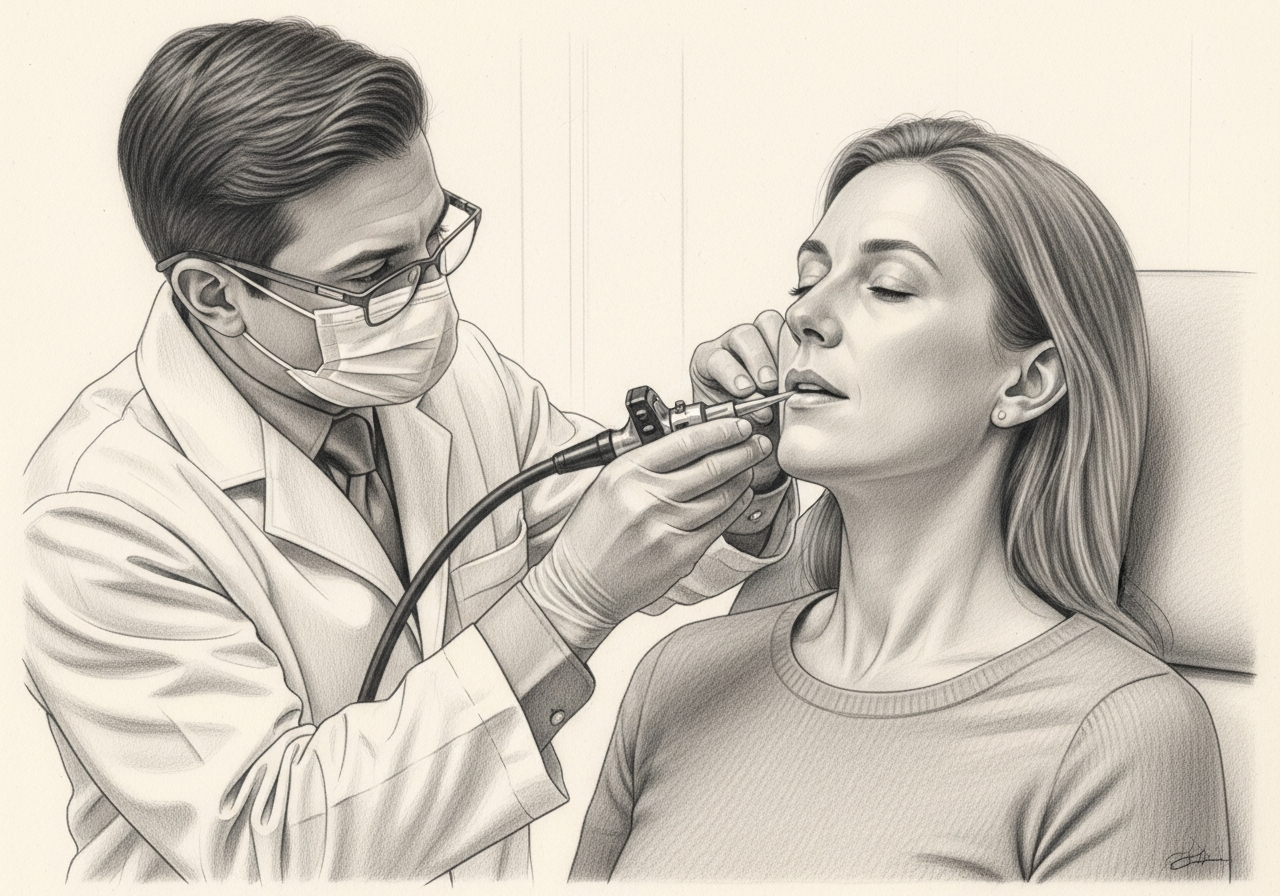
- Flexible laryngoscopy examines the throat and voice box
- A modified barium swallow or fiberoptic endoscopic swallowing study assesses swallowing in real time
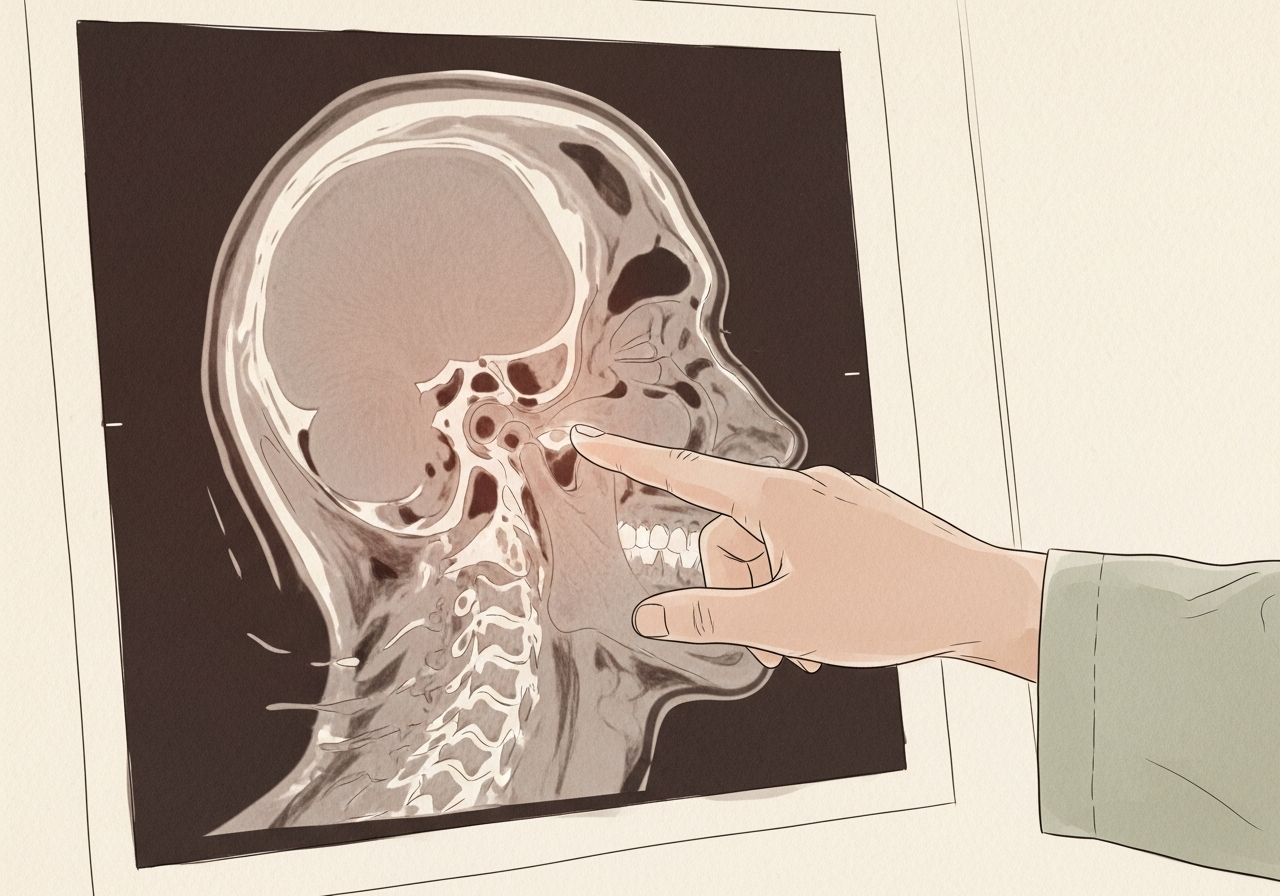
- Imaging or upper endoscopy may be arranged when the esophagus is involved
The goal is to find where the problem occurs and why, so treatment can be directed accurately.
Treatment options
Treatment depends on the cause. Reflux-related symptoms may improve with medical management, while coordination or weakness problems often respond to swallowing therapy and safe-swallowing techniques.
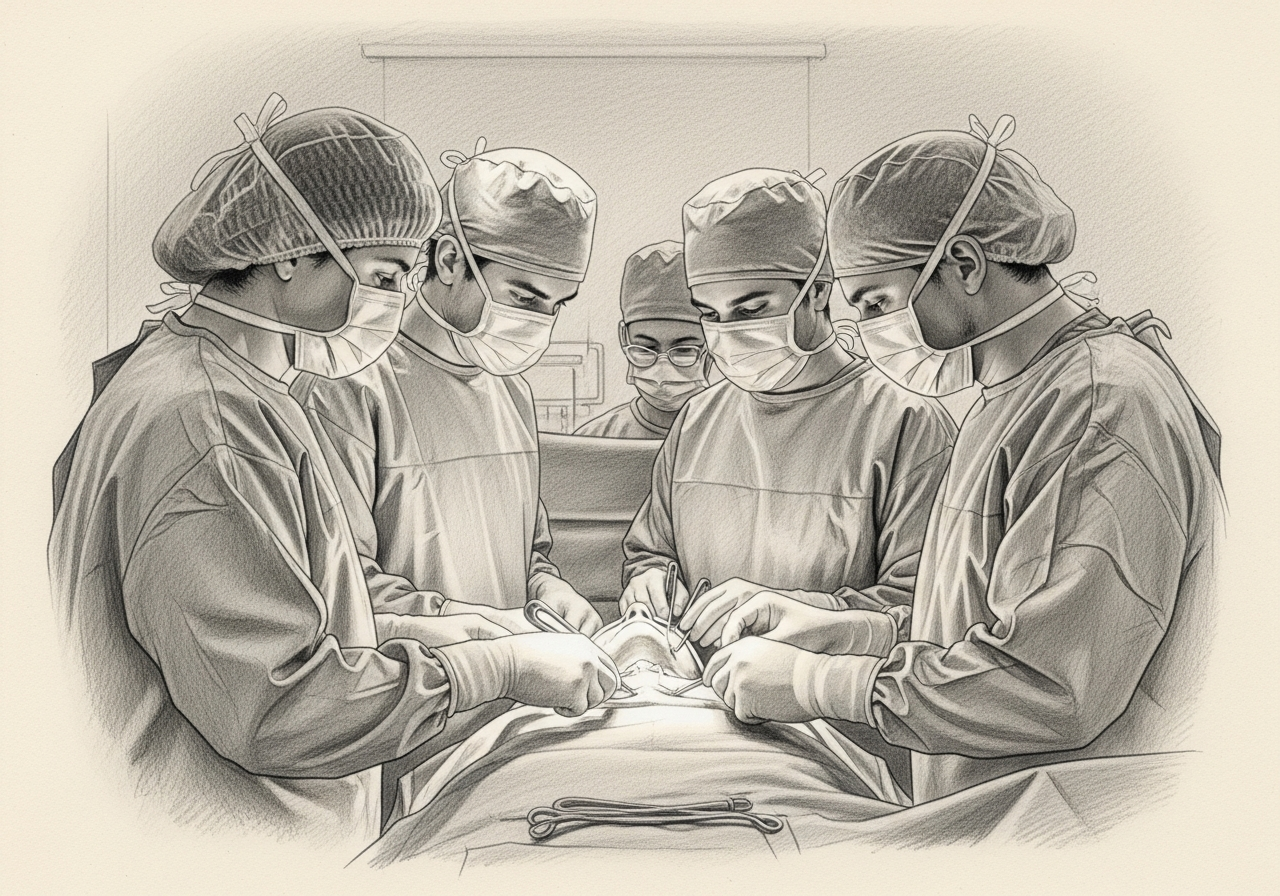
Narrowed passages can sometimes be dilated, and structural or tumor-related causes are treated based on the specific diagnosis. Many patients benefit from a team approach that includes speech and swallowing therapy and, when needed, gastroenterology or neurology.
When to seek urgent care
Use these categories to guide timing:
- Emergency, meaning call 911 or go to the nearest emergency department: an inability to swallow saliva, breathing difficulty, repeated choking, a suspected food impaction that will not pass, or new neurologic symptoms.
- Same-day or urgent evaluation: severe dehydration, rapidly worsening symptoms, or swallowing trouble with a neck lump, a lasting voice change, or weight loss.
- Routine specialist evaluation: swallowing difficulty that is persistent, painful, or slowly progressive.
The online consultation form is for routine scheduling and is not an emergency service.
Clinical perspective
Our head and neck team approaches swallowing by asking where it breaks down — in the oral, pharyngeal, or esophageal phase — because each phase has different symptoms and different tests. Coughing, choking, or trouble starting a swallow points toward the throat, while food sticking after the swallow begins points toward the esophagus.
Factors that raise concern include aspiration, weight loss, a neck lump, a persistent voice change, and steadily progressive difficulty with solids. Reflux can contribute to symptoms, but persistent or progressive dysphagia should not be assumed to be reflux without evaluation.
What commonly changes the recommendation is the result of the swallowing study and whether a structural cause is found. A test is chosen to answer the next decision rather than to repeat the same general explanation, and the plan is individualized after specialist review.
What to bring to your consultation
Bringing the right records makes a consultation more efficient. Helpful items include:
- Prior imaging and the written reports
- Pathology or biopsy results when available
- Recent laboratory results
- Treatment notes from any prior care
- A current medication list
- The specific decision you want the consultation to answer
Request a consultation for a focused review of the diagnosis, the available options, the likely tradeoffs, and the steps needed before treatment. For urgent symptoms, follow the guidance above rather than using the routine form.
Medical review
This page is a patient-education resource reviewed by the responsible Norelle ENT clinician before publication. It does not replace an in-person evaluation. If symptoms are severe or rapidly worsening, seek immediate medical care.
Specialists who treat difficulty swallowing

Dr. Moustafa Mourad
MD, FACS
Double Board-Certified Head & Neck and Facial Plastic & Reconstructive Surgeon
Dr. Moustafa Mourad is a double board-certified head and neck and facial plastic and reconstructive surgeon who cares for the full range of cosmetic and complex conditions affecting the face, head, and neck.
- Facial plastic and reconstructive surgery
- Head and neck cancer surgery
- Microvascular free-flap reconstruction
- Facial trauma and reconstruction
Also caring for this area


Not sure who to see? Our patient coordination team can help match you with the right specialist.
(212) 444-8006Frequently Asked Questions
It means food, liquid, or saliva does not pass easily from the mouth to the stomach. Causes range from reflux and inflammation to narrowing, nerve or muscle problems, and, less often, a growth. An evaluation identifies which applies.
Dysphagia means difficulty passing food, liquid, or saliva. Odynophagia means pain with swallowing. They can occur together but suggest different diagnostic questions.
Aspiration occurs when material enters the airway below the vocal folds. It can cause coughing, choking, or pneumonia, and sometimes it produces no obvious symptoms.
A fiberoptic endoscopic evaluation of swallowing uses a flexible scope to assess the throat before and after swallows. A modified barium swallow uses moving X-ray images to assess oral and pharyngeal swallowing. Each answers different questions.
Solid-food difficulty can suggest narrowing or obstruction, although symptoms need professional evaluation and can have several causes.
No. Reflux can contribute to symptoms, but persistent or progressive dysphagia should not be assumed to be reflux without evaluation.
Swallowing trouble that is persistent, worsening, or painful should be evaluated, particularly when it occurs with a neck lump, a lasting voice change, choking, or weight loss.
A history and head and neck examination are combined with flexible laryngoscopy and a swallowing study such as a modified barium swallow. Upper endoscopy or imaging may be added when the esophagus is involved.
Yes. A speech-language pathologist can teach safe-swallowing techniques, suggest texture changes, and provide exercises that improve coordination and strength for many causes of dysphagia.
Most cases are not cancer, but persistent or worsening swallowing trouble, especially with a neck lump, voice change, or weight loss, should be evaluated to rule out a throat or esophageal growth.
Yes. Acid reflux can irritate the throat and esophagus and contribute to swallowing difficulty. Managing reflux is often part of the treatment plan when it is a contributing factor.
Untreated dysphagia can lead to poor nutrition, dehydration, weight loss, and food or liquid entering the airway, which can cause chest infections. Evaluation helps prevent these complications.
Clinical References
These independent resources from medical and professional organizations offer further reading. They are provided for general education and do not replace a consultation with a clinician.
Related Resources
Related Procedures

Related Conditions
1 of 5 · Hoarseness and Voice Changes
Request a consultation for difficulty swallowing
Schedule an evaluation with our team to review your symptoms and the appropriate next steps.