
Overview
Oropharyngeal cancer begins in the middle part of the throat, including the tonsils, base of tongue, soft palate and the side and back walls of the throat. Many oropharyngeal squamous cell cancers are associated with high-risk human papillomavirus (HPV). HPV-related cancer is different from a temporary oral HPV infection and is not diagnosed by a routine saliva test.
A common presentation is a painless neck mass. Some patients also notice a persistent sore throat, difficulty swallowing, one-sided ear pain, tonsil asymmetry, a change in voice or unexplained weight loss. Because symptoms can be subtle, a persistent adult neck mass warrants evaluation.
Norelle ENT evaluates oropharyngeal cancer with a careful history, examination, endoscopy and imaging, and coordinates with radiology, pathology and other specialists when needed. Treatment is individualized and may involve surgery, radiation, systemic therapy or a combination.
How we approach the decision
This page is meant to help you understand the choices that shape an HPV-related oropharyngeal cancer plan, then connect each one to the next appropriate step. Three questions usually frame the discussion:
- Does the pathology and anatomic site support an HPV-mediated oropharyngeal cancer diagnosis, including p16 interpretation in the correct context? A small primary may sit within the tonsil or the base of tongue.
- Is transoral robotic surgery with neck dissection, radiation-based treatment, or another pathway most appropriate for this tumor and neck-node pattern?
- How will treatment affect swallowing, saliva, taste, shoulder function, and long-term surveillance, and what speech and swallowing rehabilitation may help?
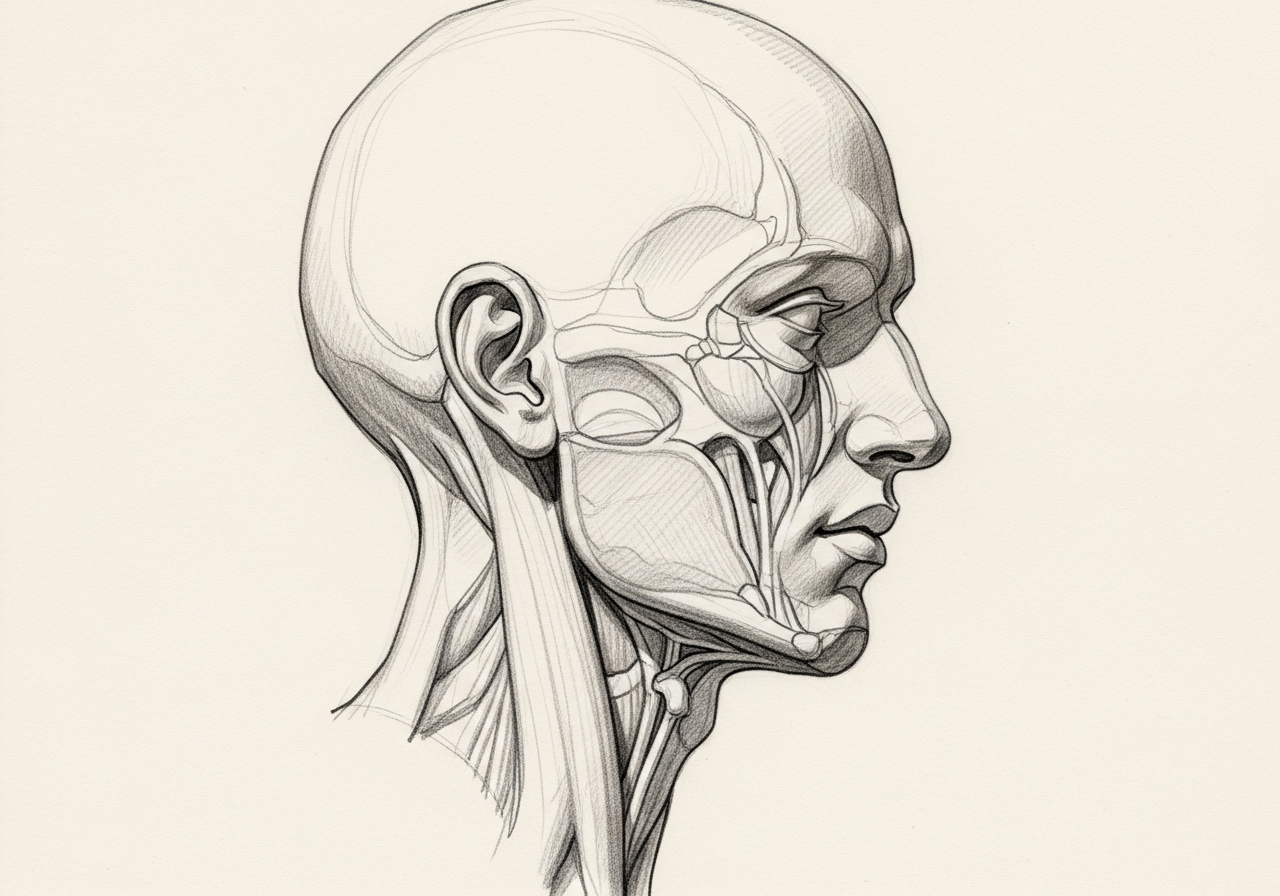
Living with HPV-related oropharyngeal cancer? The next step is a quiet, unhurried conversation.
HPV and oropharyngeal cancer
HPV can cause cellular changes in the tonsils or base of tongue over time. The pathology report may use p16 immunohistochemistry as a surrogate marker in the appropriate clinical setting. HPV status affects staging and prognosis, but it does not by itself determine the best treatment.
HPV exposure is common, and the timing of an infection usually cannot be determined. Evaluation focuses on medical assessment and treatment rather than on how or when an infection occurred.
Diagnosis and staging
Evaluation can include examination, flexible endoscopy, imaging and needle biopsy of a neck node. A biopsy of a throat lesion or lymph node establishes the diagnosis. CT, MRI and PET/CT may be used to define the primary site and the extent of disease. In some cases, the original tumor is very small or hidden within tonsil tissue.
When cancer is found in a neck node without an obvious primary site, a directed evaluation of the tonsils and base of tongue may identify the source.
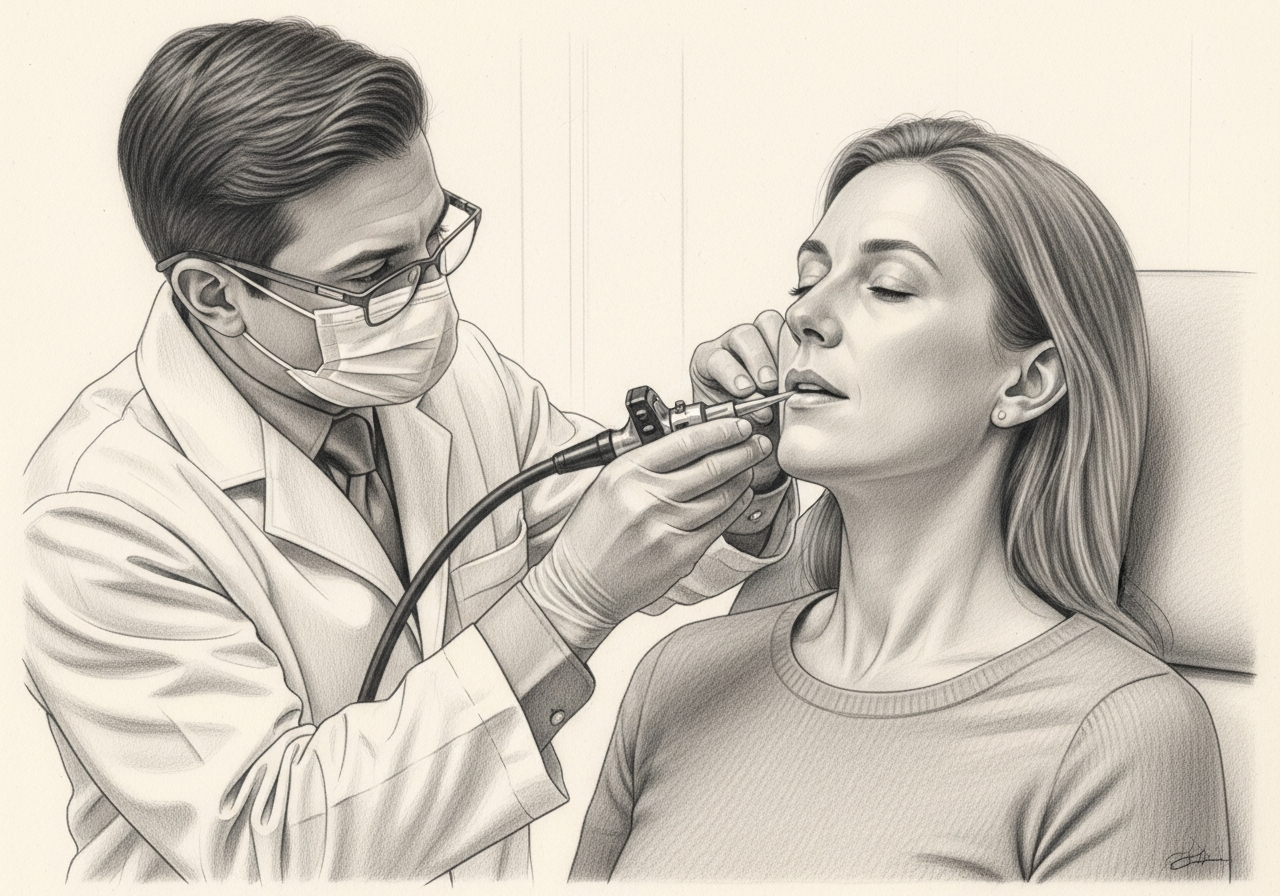
Treatment options
Treatment may include transoral robotic surgery with neck dissection, radiation with or without systemic therapy, or a combined plan. The choice depends on the tumor site, stage, the number and size of involved lymph nodes, pathology, smoking history, expected swallowing function, treatment side effects and patient preference.
The goal is effective cancer treatment while limiting long-term effects. Patients are encouraged to understand both surgical and non-surgical pathways before deciding.

Neck dissection
Because these cancers often present in neck lymph nodes, a neck dissection may be performed as part of treatment. The extent depends on how the disease is distributed. Recovery can include numbness, neck tightness, shoulder weakness, swelling and a temporary drain. Rehabilitation can help with shoulder motion and lymphedema.
Swallowing and long-term function
Both surgery and radiation can affect swallowing, saliva, taste and throat sensation. Treatment planning considers baseline function, tumor anatomy and the likely combined burden of therapy. Speech-language pathology and nutrition support may be involved before and after treatment.
Prevention and follow-up
HPV vaccination reduces the risk of infections that can lead to HPV-associated cancers. It does not treat an existing cancer. After treatment, follow-up includes examination, imaging as indicated, and management of swallowing, dental, thyroid, nutrition and psychosocial effects.

Medical review
This page is a patient-education resource reviewed by the responsible Norelle ENT clinician before publication. It does not replace an in-person evaluation. If you have severe trouble breathing, uncontrolled bleeding, rapidly worsening swelling or another emergency symptom, seek urgent medical care rather than using an online consultation form.
Specialists who treat HPV-related oropharyngeal cancer

Dr. Moustafa Mourad
MD, FACS
Double Board-Certified Head & Neck and Facial Plastic & Reconstructive Surgeon
Dr. Moustafa Mourad is a double board-certified head and neck and facial plastic and reconstructive surgeon who cares for the full range of cosmetic and complex conditions affecting the face, head, and neck.
- Facial plastic and reconstructive surgery
- Head and neck cancer surgery
- Microvascular free-flap reconstruction
- Facial trauma and reconstruction
Also caring for this area


Not sure who to see? Our patient coordination team can help match you with the right specialist.
(212) 444-8006Frequently Asked Questions
Cancer itself is not contagious. HPV is a common virus transmitted through close contact. A cancer diagnosis does not reveal when or from whom an infection occurred.
HPV-related oropharyngeal cancers often have different staging and outcomes than HPV-negative cancers, but prognosis varies by stage, smoking history, overall health and treatment response.
Some selected early cancers may be treated surgically, but final pathology can indicate a need for radiation or combined therapy. Other patients are better served by non-surgical treatment.
Transoral robotic surgery is performed through the mouth to access selected throat sites. A neck dissection, when needed, is generally performed through a separate neck incision.
Clinical References
These independent resources from medical and professional organizations offer further reading. They are provided for general education and do not replace a consultation with a clinician.
Related Resources
Related Procedures

Related Conditions

Request a consultation for HPV-related oropharyngeal cancer
Schedule an evaluation with our team to review your symptoms and the appropriate next steps.