
About the Procedure
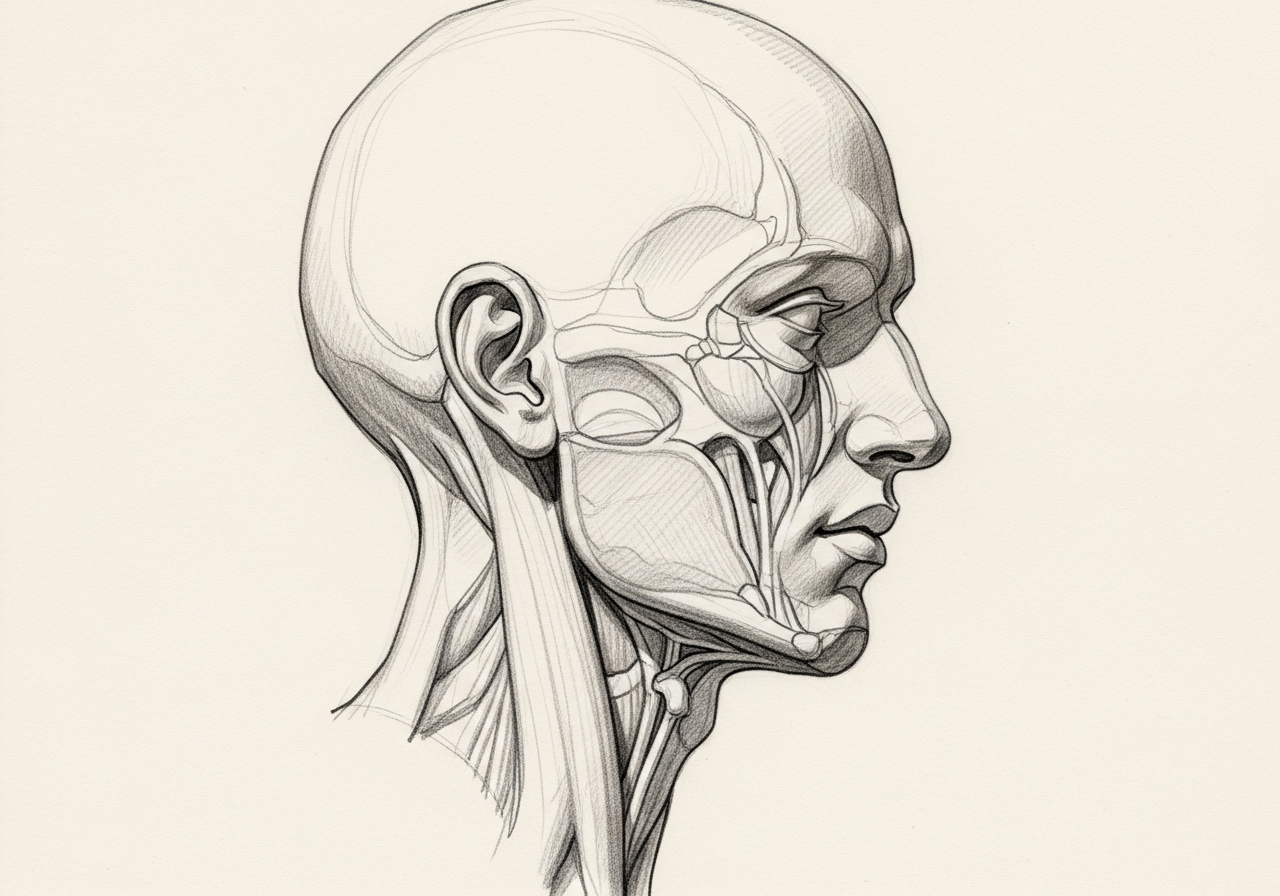
Transoral robotic surgery (TORS) is a minimally invasive approach that uses a robotic surgical system to remove selected tumors of the throat through the mouth, without cutting through the jaw or neck. It is most often used for cancers of the oropharynx, including the tonsils and base of the tongue, and for selected other throat and airway conditions.
The robotic system gives the surgeon a magnified, three-dimensional view and instruments that move precisely in the narrow space of the throat. By avoiding external incisions and jaw splitting, TORS can in selected patients reduce the burden of treatment and support recovery of swallowing and speech.
Norelle ENT frames TORS within a multidisciplinary plan. Whether it is appropriate depends on the tumor type, location, size, and stage, the anatomy and exposure achievable through the mouth, and discussion with oncology, since some patients are better treated with radiation, chemoradiation, or open surgery.
How we approach the decision
TORS is considered within the whole treatment plan, not as a technology choice on its own. A consultation helps work through several questions.
- Can the tumor be exposed and removed with safe vascular relationships and acceptable margins?
- What neck operation or vessel-control strategy is needed?
- What is the estimated chance that final pathology will still require radiation or chemoradiation?
These questions depend on the diagnosis, including HPV-related oropharyngeal cancer, tonsil cancer, and base of tongue cancer.
Considering transoral robotic surgery? The next step is a quiet, unhurried conversation.
What happens next
Care usually follows a clear sequence.
- Endoscopy and imaging assess access, depth, the carotid relationship, and neck disease.
- Alternative radiation-based treatment and the chance of combined therapy are discussed.
- The transoral resection, any neck dissection, and vascular precautions are planned in the correct sequence.
- Pain, hydration, nutrition, and hemorrhage education are provided before discharge.
- Final pathology is reviewed for margins, nodes, extranodal extension, and adjuvant-treatment decisions.
When to seek urgent care
After TORS, oral bleeding can be serious and some symptoms cannot wait.
- Emergency: any fresh oral bleeding, breathing difficulty, repeated swallowing of blood, or dizziness needs immediate instructions from the surgical team and often emergency evaluation.
- Same-day: inability to maintain hydration, fever, or escalating pain should prompt a same-day call.
- Routine: expected sore throat and referred ear pain that are gradually improving can be reviewed at a scheduled visit.
The online consultation form is not an emergency service.
Who may be a candidate
TORS may be considered for selected throat tumors where the anatomy allows good exposure through the mouth.
- Selected oropharyngeal cancers of the tonsil or base of the tongue
- Tumors that can be fully reached and removed transorally
- Selected cases where surgery may reduce or refine the need for other treatment
- Certain benign or obstructive throat and airway conditions
Candidacy is decided with the cancer team based on tumor and patient factors.
How it is performed
TORS is performed under general anesthesia with the mouth held open for access. The surgeon operates a robotic system whose camera and instruments are placed through the mouth, providing a magnified, three-dimensional view and precise movement in a narrow space.
The tumor is removed with a margin of healthy tissue, and pathology may be assessed during the operation. A neck dissection to address lymph nodes is sometimes performed at the same time or as a planned separate step.

Recovery and aftercare
Because the throat is involved in swallowing and breathing, recovery often includes a hospital stay with monitoring of the airway, pain control, and early swallowing assessment. Temporary feeding support is sometimes needed while the area heals.
Swallowing therapy is an important part of aftercare. Sore throat and referred ear pain are common early on, and the team provides specific guidance on diet advancement and activity.

Risks and alternatives
Risks may include bleeding from the throat, which can be significant and requires prompt care, swallowing difficulty, airway swelling, infection, changes in speech or taste, dental or jaw discomfort from exposure, and the possible need for additional treatment.
Alternatives depend on the tumor and may include radiation, chemoradiation, or open surgery. For some patients these are preferred, and the choice is made with the multidisciplinary team based on tumor features and patient goals.
Evaluation before surgery
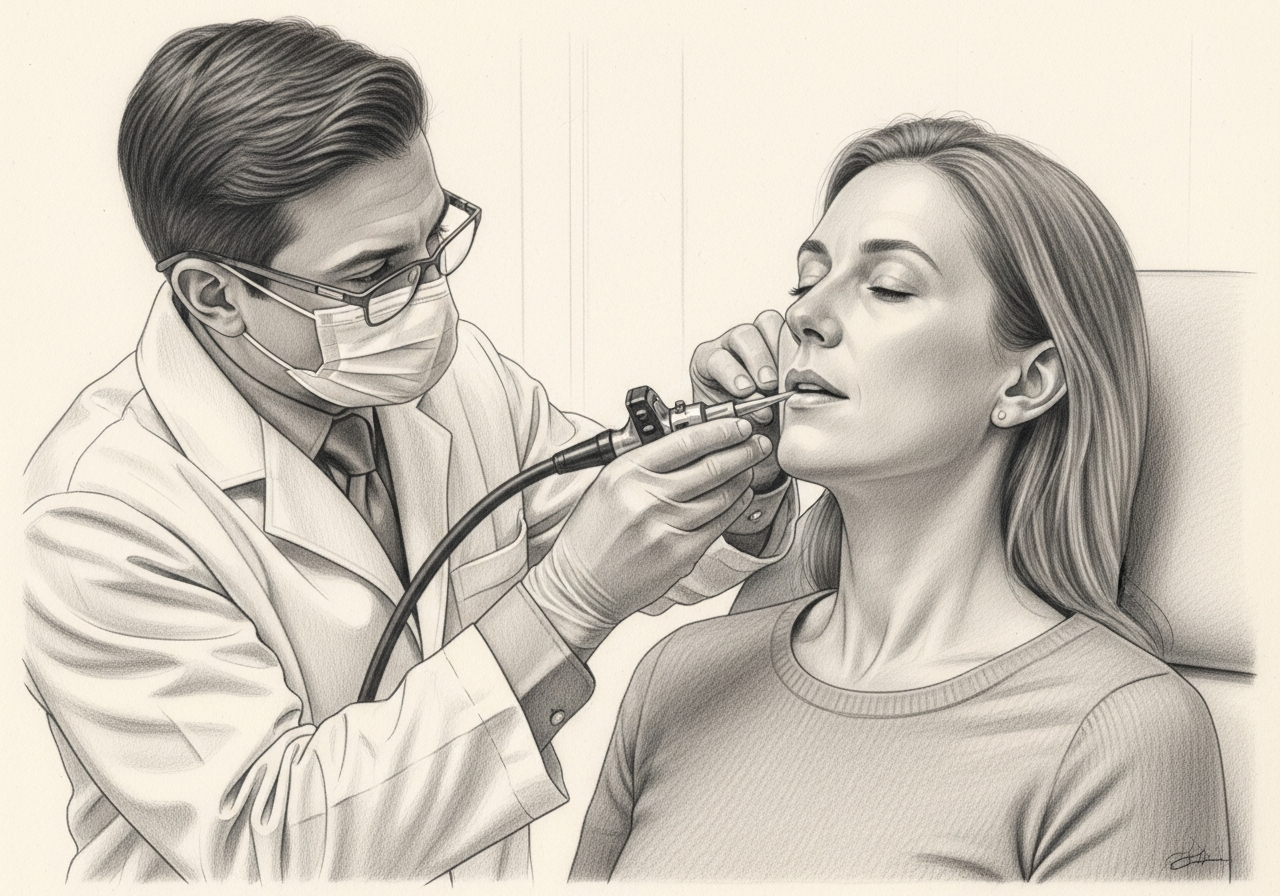
Evaluation includes a head and neck examination, flexible endoscopy, biopsy, imaging, and staging. The surgeon assesses whether the tumor can be seen and reached safely through the mouth, and in some cases an examination under anesthesia is needed before committing to removal.
Patients are counseled about the alternatives, including radiation-based treatment, non-robotic transoral surgery, and open surgery, so the choice reflects tumor features and personal goals.
Benefits and limitations
Potential advantages of TORS in appropriate patients include avoiding a large external incision or jaw split, direct assessment of the margins, and, in selected cases, a shorter recovery than an open approach.
TORS can still cause significant pain with swallowing, bleeding, dehydration, and airway concerns, and its value depends on whether the complete treatment course preserves function better than the alternatives. It is not always less invasive, safer, or more effective, and the decision is made with the multidisciplinary team.
Results and follow-up
Pathology from the removed tissue helps confirm the diagnosis and stage and guides whether radiation or other treatment is recommended after surgery. It evaluates the margins, tumor size, HPV-related markers when appropriate, lymph nodes, and features such as extranodal extension. The goal is complete removal with the best achievable swallowing and speech.
Follow-up includes surveillance examinations and imaging, ongoing swallowing support, and coordination with oncology as part of a comprehensive plan.
Clinical perspective
Our head and neck surgeons assess candidacy across several factors rather than the device alone, and candidacy requires individualized specialist review.
- Favorable factors: good transoral access, a tumor that can be removed with acceptable margins, a safe carotid relationship, and good baseline swallowing.
- Factors that require caution: deeper extension, more advanced T stage, significant neck disease, or a higher expected chance of needing adjuvant therapy.
- Factors that often make it unsuitable: a tumor that cannot be exposed or removed safely, an unsafe vascular relationship, or prior radiation that changes the balance of options.
Because final pathology can still support radiation or chemoradiation, the estimated probability of combined treatment is discussed before surgery so the whole treatment course, not just the operation, guides the decision.
What to bring to your consultation
Gathering the right records helps a focused visit move quickly.
- Prior imaging and reports
- Pathology or biopsy results when applicable
- Recent laboratory results
- Treatment notes and a current medication list
- A clear note about the decision you want help with
A focused review covers the likely diagnosis, the realistic options, the trade-offs, and the steps needed before treatment. For urgent symptoms, follow the guidance above rather than using the routine form.
Medical review
This page is a patient-education resource reviewed by the responsible Norelle ENT clinician before publication. It does not replace an in-person evaluation. If symptoms are severe or rapidly worsening, seek immediate medical care.
Specialists who perform transoral robotic surgery

Dr. Moustafa Mourad
MD, FACS
Double Board-Certified Head & Neck and Facial Plastic & Reconstructive Surgeon
Dr. Moustafa Mourad is a double board-certified head and neck and facial plastic and reconstructive surgeon who cares for the full range of cosmetic and complex conditions affecting the face, head, and neck.
- Facial plastic and reconstructive surgery
- Head and neck cancer surgery
- Microvascular free-flap reconstruction
- Facial trauma and reconstruction
Also caring for this area


Not sure who to see? Our patient coordination team can help match you with the right specialist.
(212) 444-8006Frequently Asked Questions
It is a minimally invasive operation that uses a robotic system to remove selected throat tumors through the mouth, without external incisions or jaw splitting.
Not necessarily. Some patients can be observed after surgery, while others need radiation or chemoradiation based on the pathology. Treatment selection considers the entire likely pathway, which is discussed before surgery.
The throat tumor is approached through the mouth, but a separate neck incision may be used when a neck dissection or vessel management is needed.
It varies with the tumor site, the extent of surgery, baseline function, and any additional treatment. Pain and diet changes are common early, and some patients need speech and swallowing support.
It is most often used for oropharyngeal cancers of the tonsil and base of the tongue, and for selected other throat and airway conditions.
No. The surgeon controls the robotic instruments at all times. The system provides a magnified, three-dimensional view and precise movement in the narrow space of the throat.
By avoiding external incisions and jaw splitting in appropriate patients, TORS can reduce the physical burden of surgery and support recovery of swallowing and speech.
When lymph nodes are involved or at risk, a neck dissection may be performed at the same time or as a planned separate step.
Bleeding from the throat can occur and may be serious. Patients are given clear instructions on warning signs and when to seek urgent care.
Pathology guides this. Some patients need radiation or chemotherapy after TORS based on tumor features, while others are treated with surgery alone.
Recovery often involves a hospital stay with swallowing support, and improvement continues over the following weeks with the help of swallowing therapy.
Selected tonsil and base-of-tongue tumors and certain unknown-primary evaluations are common indications, but anatomy and stage determine candidacy.
Clinical References
These independent resources from medical and professional organizations offer further reading. They are provided for general education and do not replace a consultation with a clinician.
Related Resources
Related Conditions

Related Procedures

Request a consultation about transoral robotic surgery
Schedule a consultation with our team to discuss whether this procedure is the right option for you.