
About the Procedure
Neck dissection is an operation to remove lymph nodes and surrounding tissue from specific regions of the neck. It is most often part of treating head and neck cancers that have spread to the lymph nodes, or that carry a meaningful risk of spreading there, even when scans appear normal.
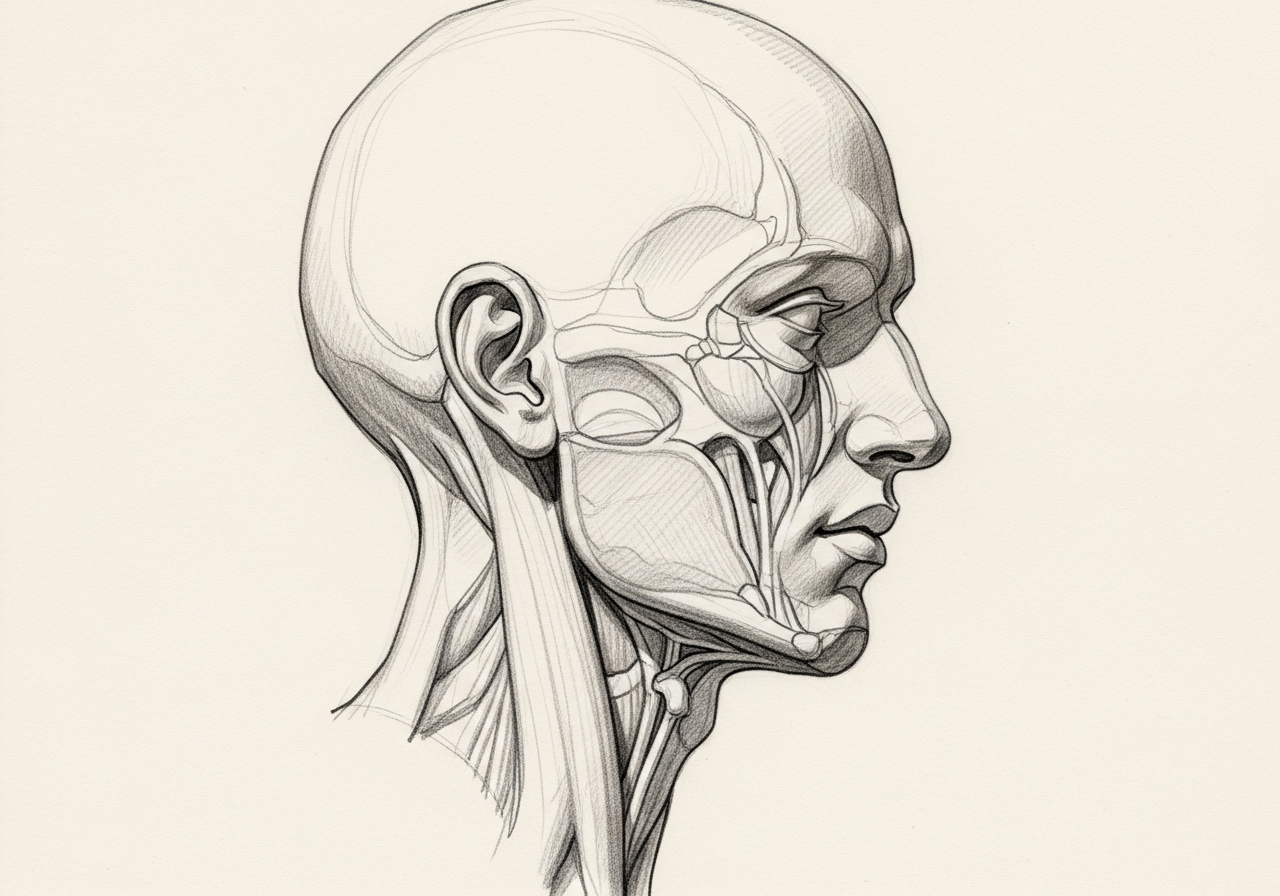
The neck is divided into anatomic levels, and the surgeon removes the levels most likely to contain disease for a given tumor. Modern operations are usually selective, meaning they target the at-risk levels while preserving important structures such as the nerve to the shoulder, the major neck vein, and a large neck muscle whenever cancer control allows.
Neck dissection is rarely a stand-alone treatment. It is typically planned alongside removal of the primary tumor and coordinated with radiation, chemotherapy, pathology review, and rehabilitation. Norelle ENT frames neck dissection within this larger plan, with attention to thorough cancer treatment and to preserving shoulder function, swallowing, and appearance.
How we approach the decision
Neck dissection is planned as part of a broader cancer treatment, not in isolation. A consultation helps clarify several points.
- Are nodes already involved, or is the neck being treated because the primary tumor carries a meaningful risk of spread?
- Which levels should be removed, and which nerves, vessels, and muscles can be preserved?
- How does the neck plan fit with surgery for the primary tumor, such as head and neck cancer surgery, and with any radiation?
The answers depend on the type, location, and stage of the head and neck cancer.
Considering neck dissection? The next step is a quiet, unhurried conversation.
What happens next
Care usually follows a sequence.
- Review examination, ultrasound, CT, MRI, PET/CT, and biopsy findings to map at-risk levels.
- Decide between an elective and a therapeutic dissection and define the levels.
- Coordinate the neck operation with removal of the primary tumor, which may include transoral robotic surgery or thyroid surgery for thyroid cancer.
- Use pathology, including node count and extranodal extension, to refine staging.
- Plan shoulder rehabilitation, scar care, and any additional treatment, with speech and swallowing therapy when needed.
When to seek urgent care
After neck dissection, some symptoms need prompt attention.
- Emergency: breathing difficulty or significant bleeding from the wound needs emergency care.
- Same-day: spreading redness, fever, rapidly increasing swelling, or milky drainage suggesting a chyle leak should prompt a same-day call to the surgical team.
- Routine: gradual stiffness, numbness near the incision, and mild shoulder discomfort can be reviewed at a scheduled visit.
The online consultation form is not an emergency service.
Who may be a candidate
Neck dissection may be appropriate for patients with head and neck cancer when nodes are known or likely to be involved.
- Lymph nodes that appear involved on examination or imaging
- A confirmed cancer with a high risk of microscopic spread to the neck
- Disease that persists or returns in the neck after other treatment
- Staging when this information will change the treatment plan
The decision depends on the primary tumor's type, location, and stage.
How it is performed
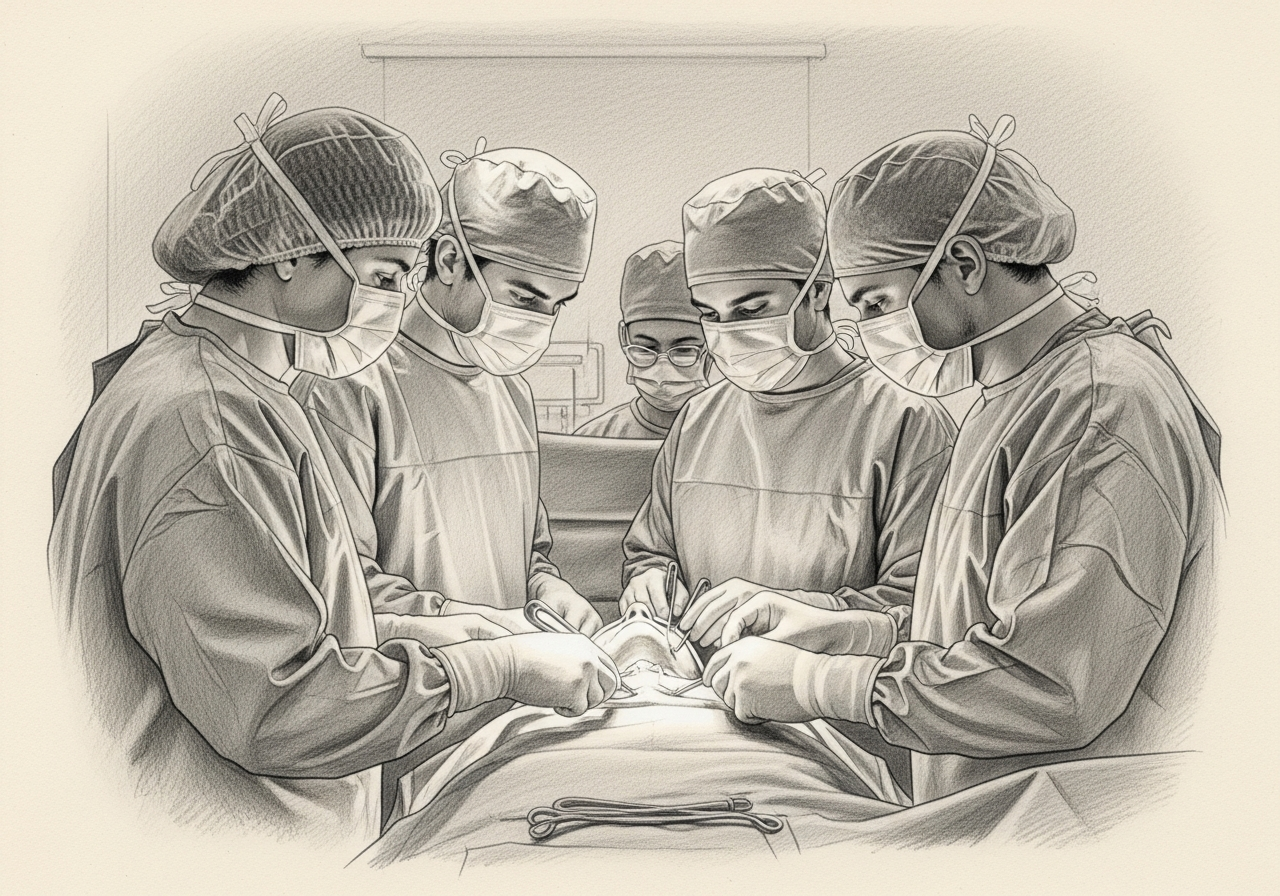
Neck dissection is performed under general anesthesia through an incision in the neck, often placed in a natural skin crease. The surgeon removes the targeted lymph node levels along with surrounding fatty tissue.
Whenever cancer control allows, the surgeon preserves key structures: the spinal accessory nerve to the shoulder, the internal jugular vein, and the sternocleidomastoid muscle. When disease involves these structures, removing them may be necessary. Neck dissection is frequently combined with removal of the primary tumor and, in some cases, reconstruction.
Recovery and aftercare
Most patients stay in the hospital for a short period after surgery. Temporary drains are common and are removed as drainage decreases.
Expected effects include neck stiffness, swelling, numbness near the incision, and, when the shoulder nerve has been stretched or removed, shoulder weakness. Physical therapy and early range-of-motion exercises can help shoulder and neck function. Additional treatment such as radiation, when planned, usually begins after initial healing.
Risks and alternatives
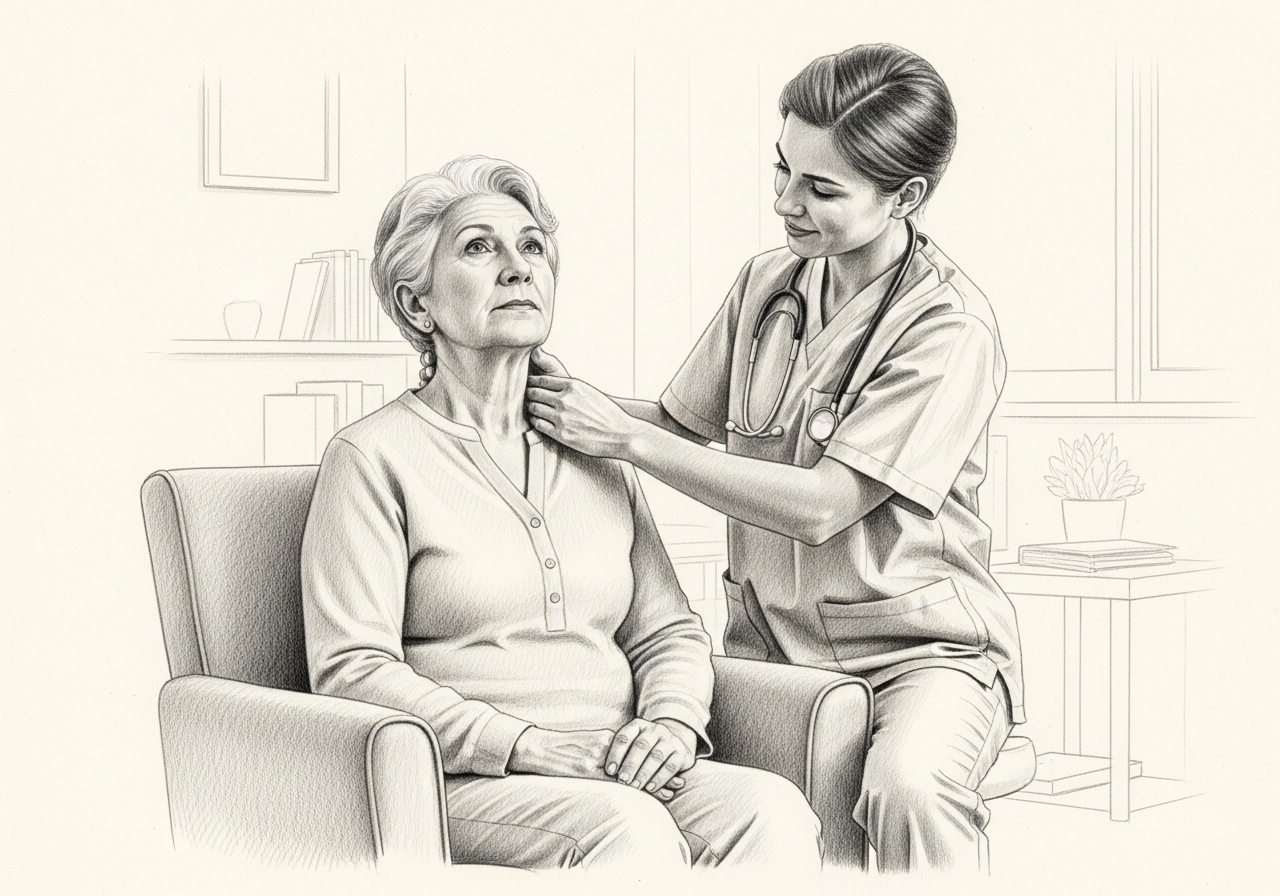
Risks may include bleeding, infection, fluid collection, numbness, shoulder weakness or stiffness, injury to nerves controlling the lip, tongue, or shoulder, scarring, and a chyle leak from lymphatic channels. Risks vary with the extent of dissection.
Alternatives depend on the situation and may include observation of the neck with close imaging in selected low-risk cases, radiation to the neck, or systemic therapy as part of a combined plan. The approach is decided with the cancer team.
Why lymph nodes are treated
Lymph nodes filter fluid from specific regions of the head and neck, and different cancers tend to spread to predictable node levels. Examination, ultrasound, CT, MRI, PET/CT, and needle biopsy can identify known disease, but microscopic cancer may not be visible on any test.
For this reason, an elective neck dissection may be recommended to treat nodes that are at risk even when scans appear normal, while a therapeutic neck dissection treats nodes already known to contain cancer. The recommendation depends on the primary site, tumor depth or stage, and the estimated risk of spread.
Types and levels of dissection
The neck is divided into lymph-node levels, and the operation is tailored to the cancer's location and pattern of spread rather than removing every structure.
- A selective neck dissection removes the levels at greatest risk
- A modified radical neck dissection removes a broader set of nodes while preserving one or more non-lymphatic structures
- A radical neck dissection includes removal of additional structures when cancer involvement makes preservation unsafe
Patients are told in plain language which side and levels are planned and whether the nerve to the shoulder, the major neck vein, and a large neck muscle are expected to be preserved.
Shoulder function and rehabilitation
The spinal accessory nerve powers a muscle important for raising and stabilizing the shoulder. Even when the nerve is preserved, handling it during surgery can lead to temporary pain or weakness.
Early assessment and physical therapy can improve shoulder motion, strength, and posture. Patients receive shoulder exercises specific to their operation from the clinical team rather than relying on generic instructions.
Results and follow-up
Pathology from the removed nodes refines staging and helps determine whether radiation or other treatment is recommended. The report describes the number of nodes examined and involved, the size of any deposits, and features such as extranodal extension, in which cancer extends beyond the capsule of a node.
The neck dissection itself is one component of a coordinated cancer plan. Follow-up includes wound and scar care, shoulder and neck rehabilitation, lymphedema therapy when needed, surveillance examinations and imaging, and ongoing coordination with oncology and other members of the team.
Clinical perspective
Our head and neck surgeons tailor the extent of dissection to the cancer rather than removing more than is needed, selecting the levels at risk and preserving the spinal accessory nerve, internal jugular vein, and sternocleidomastoid muscle whenever cancer control allows. Factors that influence the plan include the primary site, tumor depth and stage, imaging and biopsy findings, prior treatment, and whether disease has returned. Pathology features such as the number of involved nodes and extranodal extension can change staging and the recommendation for added therapy. The right extent requires individualized specialist review.
What to bring to your consultation
For a focused review, gather prior imaging and reports, biopsy or pathology results, operative and treatment notes for the primary tumor, a current medication list, and a written summary of the diagnosis and the decision you want help with. A consultation can clarify the planned levels, the structures the team aims to preserve, the likely effects on the shoulder, and the steps needed before treatment. For urgent symptoms, follow the guidance above rather than using the routine form.
Medical review
This page is a patient-education resource reviewed by the responsible Norelle ENT clinician before publication. It does not replace an in-person evaluation. If symptoms are severe or rapidly worsening, seek immediate medical care.
Specialists who perform neck dissection

Dr. Moustafa Mourad
MD, FACS
Double Board-Certified Head & Neck and Facial Plastic & Reconstructive Surgeon
Dr. Moustafa Mourad is a double board-certified head and neck and facial plastic and reconstructive surgeon who cares for the full range of cosmetic and complex conditions affecting the face, head, and neck.
- Facial plastic and reconstructive surgery
- Head and neck cancer surgery
- Microvascular free-flap reconstruction
- Facial trauma and reconstruction
Also caring for this area


Not sure who to see? Our patient coordination team can help match you with the right specialist.
(212) 444-8006Norelle Academic Work
Research by Our Physicians
Selected scholarly work related to this topic.

Estimating survival after salvage surgery for recurrent oral cavity cancer
JAMA Otolaryngology–Head & Neck Surgery

Free Flap Monitoring Techniques and Frequency in the Era of Restricted Resident Work Hours: Analysis of Outcomes
JAMA Otolaryngology–Head & Neck Surgery
Age as a Prognostic Factor for Postoperative Complications of Major Head and Neck Surgery
Archives of Otolaryngology–Head & Neck Surgery
Flap Failure and Salvage in Head and Neck Reconstruction
Seminars in Plastic Surgery
Systematic Review and Meta-Analysis of Venous Thromboembolism in Otolaryngology–Head and Neck Surgery
Head & Neck
Epidemiological Trends of Head and Neck Cancer in the United States: A SEER Population Study
Journal of Oral and Maxillofacial Surgery
Citation details link to the original PubMed, DOI, journal, or publisher record.
Explore all Norelle research on this topicFrequently Asked Questions
An elective dissection treats nodes that are at risk but not known to contain cancer, while a therapeutic dissection treats nodes already shown to be involved. The choice depends on the primary tumor and imaging.
The number varies with how many levels are treated and with each person's anatomy. The pathology report lists how many nodes were examined and how many contained cancer.
It is an operation that removes lymph nodes from defined levels of the neck to treat or stage cancer, while preserving important nerves, vessels, and muscles when cancer control allows.
No. The surgeon removes lymphatic tissue from selected levels based on the cancer's known and expected spread. The exact extent varies from one patient to another.
It means cancer has extended beyond the capsule of an involved lymph node. It is a pathology feature that can affect staging and the recommendation for additional therapy.
Yes. When lymph-node treatment is indicated, it may be performed during the same operation as removal of a thyroid or parotid tumor. The extent is individualized.
Lymph nodes are common sites where head and neck cancer spreads. Removing involved or high-risk nodes treats the disease and provides pathology that helps guide further treatment.
The nerve to the shoulder runs through the neck. Surgeons aim to preserve it, but stretching or removal can cause temporary or lasting shoulder weakness, which physical therapy can help address.
The incision is placed in the neck, often within a natural skin crease to help it heal less noticeably. Its length depends on how many levels are removed.
Temporary drains are commonly placed to remove fluid as the neck heals and are taken out once drainage decreases, usually within a few days.
Usually it is part of a larger plan. It is often combined with removal of the primary tumor and may be followed by radiation or other treatment based on pathology.
A chyle leak is leakage of lymphatic fluid that can occur after surgery in the lower neck. It is uncommon and is managed with dietary changes or, occasionally, additional treatment.
Many patients go home within a few days and resume light activity over the following weeks, with shoulder and neck rehabilitation continuing as needed.
Clinical References
These independent resources from medical and professional organizations offer further reading. They are provided for general education and do not replace a consultation with a clinician.
Related Resources
Related Conditions

Related Procedures

Request a consultation about neck dissection
Schedule a consultation with our team to discuss whether this procedure is the right option for you.