
Overview
Most parotid tumors are benign, but a persistent mass still needs a diagnosis, and the central questions are what the tumor is, where it sits relative to the facial nerve and deep lobe, whether it is growing, and whether observation or surgery offers the better balance.
A parotid tumor is a growth in the parotid gland, the largest salivary gland, located in front of and just below the ear. Most parotid tumors are benign, but a portion can be cancerous, so evaluation is important to determine the type of tumor and whether removal is advisable.
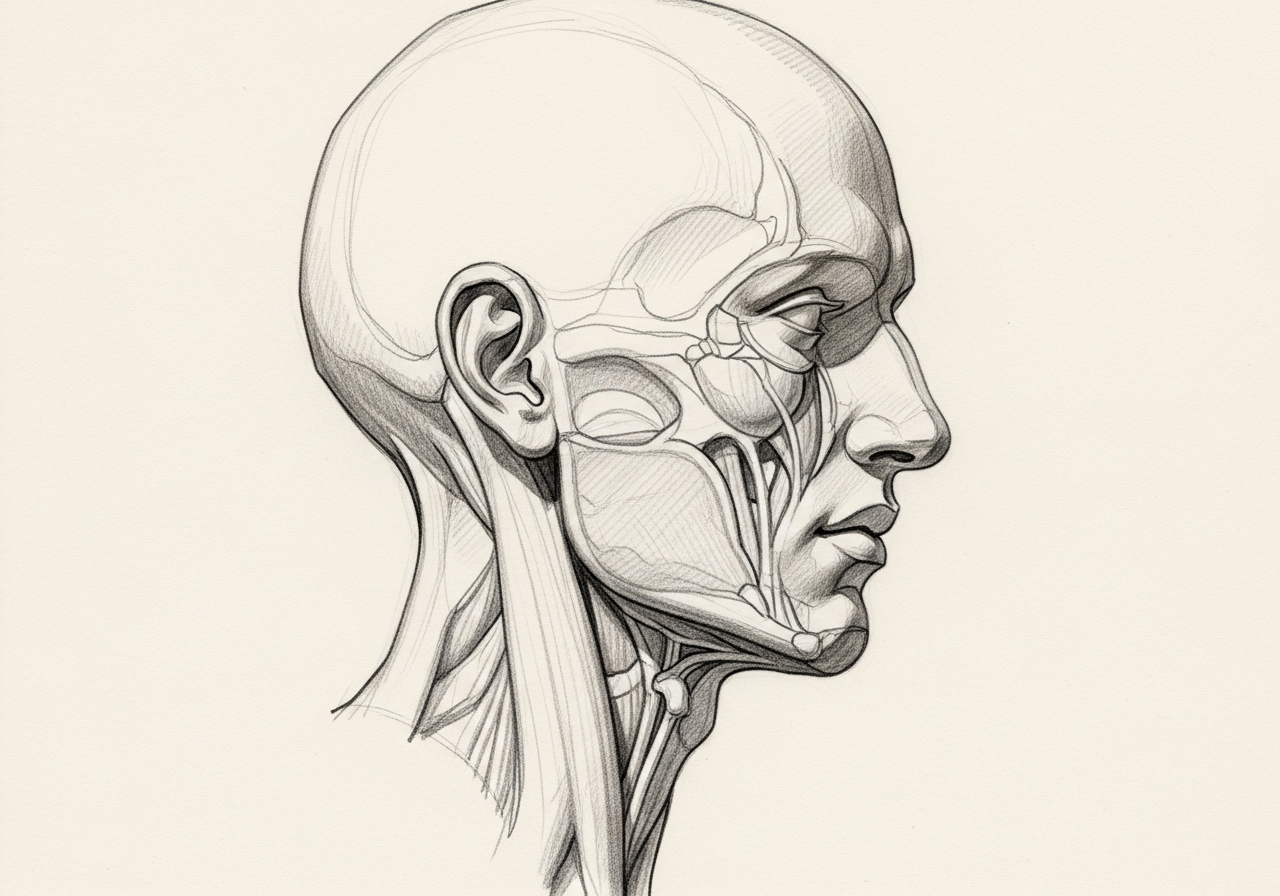
A parotid tumor usually appears as a painless lump near the ear, jaw, or upper neck. The facial nerve, which controls movement of the face, passes directly through the parotid gland, so both diagnosis and any surgery are planned with care to protect facial movement.
Norelle ENT evaluates parotid tumors with examination, imaging, and fine needle aspiration, and coordinates with radiology and pathology. When surgery is recommended, it is performed with attention to identifying and preserving the facial nerve while removing the tumor completely.
How we approach the decision
Not every parotid mass is automatically removed, and the right plan depends on more than the presence of a lump. The decisions this page is meant to help you understand are:
- What do imaging and needle biopsy suggest, and how confident is the diagnosis?
- Is the tumor superficial, deep, recurrent, multifocal, or associated with facial nerve symptoms?
- What are the risks of observation versus surgery for this specific tumor type and patient?
Living with parotid tumor? The next step is a quiet, unhurried conversation.
What happens next
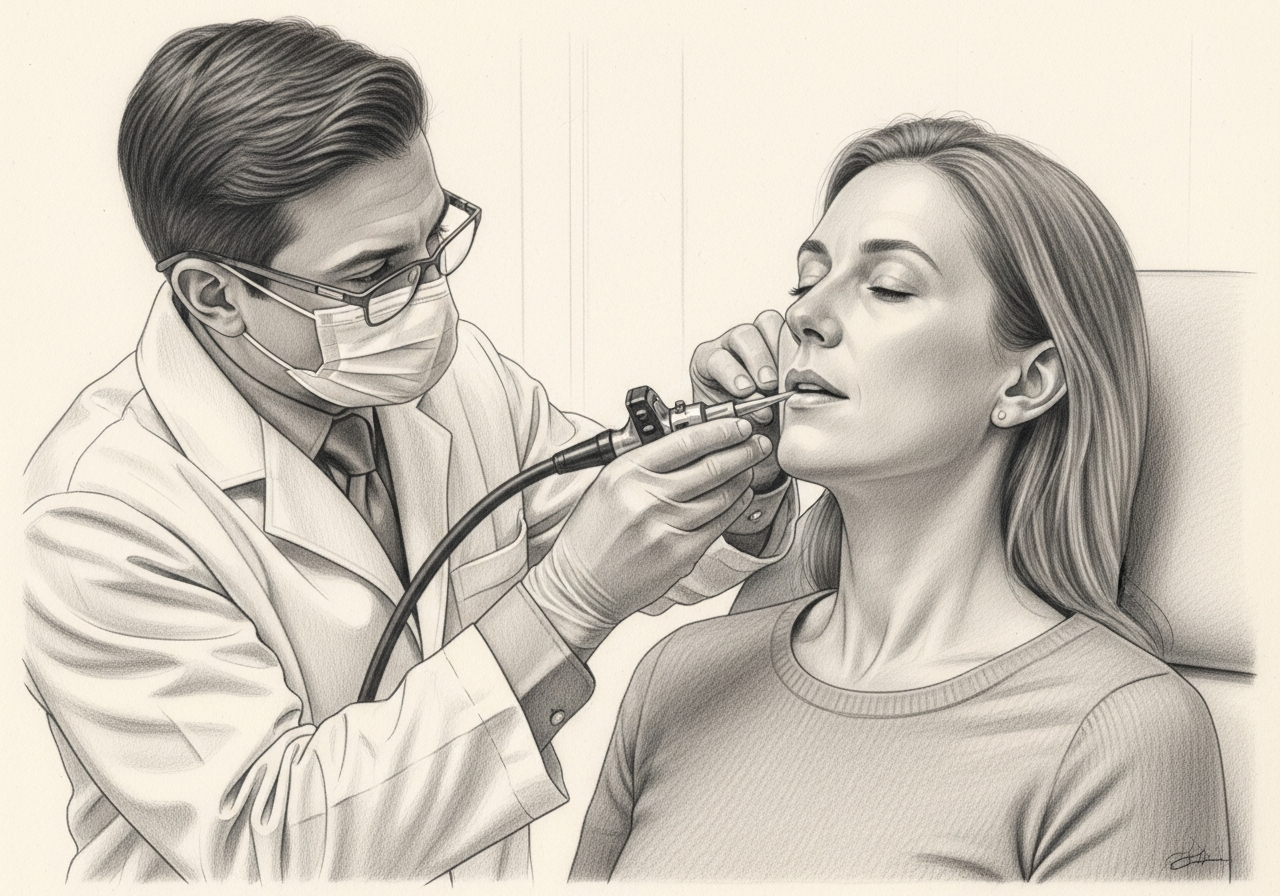
Evaluation usually follows a clear sequence:
- A history of growth, pain, prior skin cancer, radiation, infection, and any nerve symptoms.
- A facial nerve and complete head and neck examination.
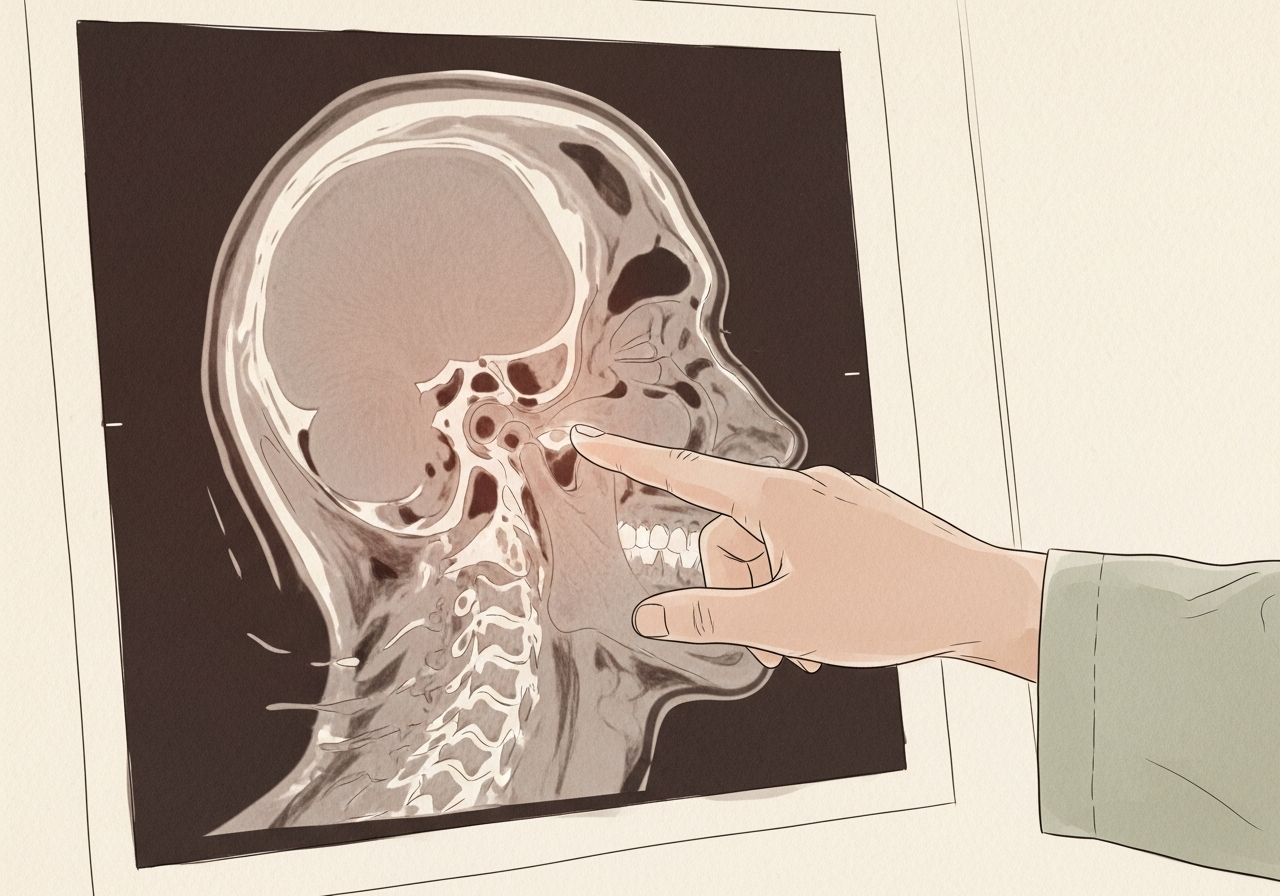
- Ultrasound, MRI, or CT based on the location and the diagnostic question.
- Fine needle aspiration or core biopsy when it will guide management, recognizing that overlapping features sometimes limit a single sample.
- Observation or surgical planning. When an operation is appropriate, a parotidectomy surgeon plans removal with facial nerve monitoring, and contingencies such as head and neck reconstruction are discussed when a larger defect or nerve repair is anticipated. A parotid mass is one cause evaluated in salivary gland disease, and a malignant result is managed as salivary gland cancer.
Symptoms and warning signs
The most common sign is a painless lump near the ear or jaw. Many parotid tumors grow slowly and cause no other symptoms.
Features that raise more concern include pain, rapid growth, a firm or fixed mass, skin changes, or any weakness of the facial muscles on the same side, which should prompt timely evaluation.
Causes and risk factors
Most parotid tumors arise without a clear cause. Benign tumors such as pleomorphic adenoma and Warthin tumor are the most common types.
A history of prior radiation to the head and neck and, for some tumor types, smoking may be relevant. A clinician will ask about growth rate, pain, and any facial weakness, since these help distinguish benign from more concerning tumors.
How it is diagnosed
Evaluation begins with examination of the gland and facial nerve function, followed by imaging and sampling:
- Ultrasound is often the first study
- MRI or CT defines deeper tumors and their relationship to the facial nerve
- Fine needle aspiration provides a tissue diagnosis
These steps clarify the type of tumor and guide whether and how to remove it.
Treatment options
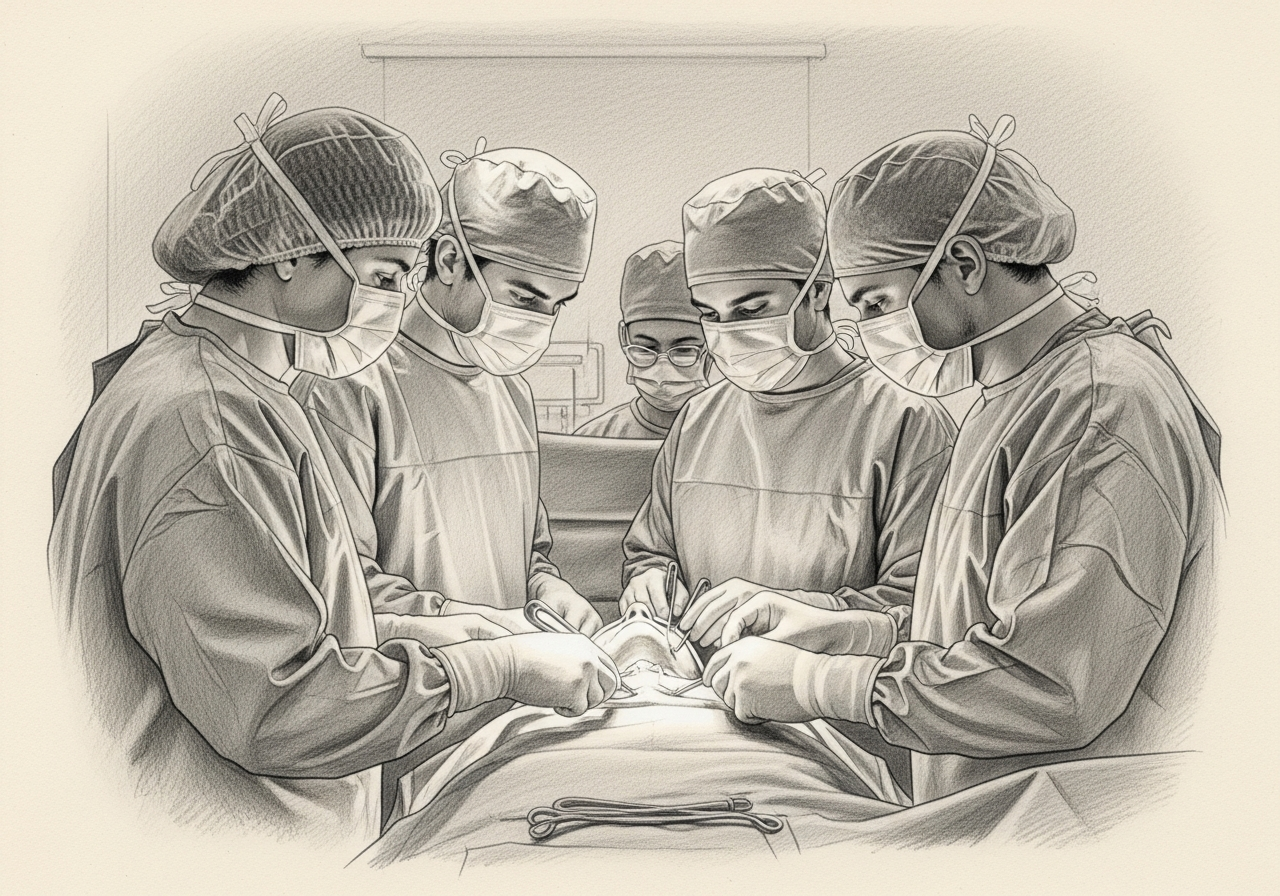
Most parotid tumors are treated with surgical removal, called parotidectomy, both to establish a definitive diagnosis and to remove the tumor. The operation is planned to identify and preserve the facial nerve.
Selected small benign tumors may be monitored in certain situations. When a tumor is cancerous, treatment may also involve surgery on neck lymph nodes and, in some cases, radiation therapy. The plan is individualized based on the tumor type and extent.
Types of parotid tumors
Benign tumors are the most common type in the parotid gland. Pleomorphic adenoma is the most frequent and can slowly enlarge over time, and Warthin tumor is another common benign type that is sometimes found in more than one area.
A smaller proportion of parotid tumors are cancerous, and these vary widely in how they behave. Imaging and fine needle aspiration help suggest the tumor type, but the final diagnosis is confirmed on the tissue removed at surgery.
Facial nerve planning
Because the facial nerve travels through the parotid gland and separates it into superficial and deep portions, surgery is planned around the location of the tumor relative to the nerve. The surgeon identifies the main nerve trunk and traces its branches so the tumor can be removed while preserving facial movement whenever possible.
Nerve monitoring may be used during the operation. When a cancer directly involves the nerve, repair or grafting may be discussed. Temporary weakness can occur after surgery even when the nerve is preserved, and the surgeon reviews these possibilities beforehand.
Follow-up and surveillance
After treatment, follow-up includes examination of the surgical area and facial nerve function, with attention to wound healing and any changes in sensation near the ear. For benign tumors, follow-up confirms recovery, while for cancers it includes a schedule of examinations and imaging based on the diagnosis.
A recognized late effect after parotid surgery is sweating or flushing of the skin near the ear during eating, known as Frey syndrome, which the care team can evaluate and address if it occurs.
When to seek urgent care
Use these categories to guide timing:
- Emergency, meaning call 911 or go to the nearest emergency department: difficulty breathing or swallowing, or severe spreading infection with high fever.
- Same-day or urgent evaluation: new facial weakness, rapid growth, significant pain, skin fixation, difficulty fully opening the mouth, or sudden painful swelling with fever that may represent infection.
- Routine specialist evaluation: any persistent or slowly growing lump near the ear or jaw, even when it is painless.
The online consultation form is for routine scheduling and is not an emergency service.
Clinical perspective
Our head and neck surgeons emphasize that not every parotid mass is removed simply to establish a diagnosis. Tumor type, age, growth rate, symptoms, diagnostic confidence, surgical risk, and personal preference all influence the recommendation.
Factors that generally favor surgery include growth, suspicious imaging or biopsy features, deep-lobe or recurrent tumors, and any facial nerve symptoms. Factors that call for caution include significant medical conditions that affect anesthesia or healing. Selected small, stable, benign tumors may reasonably be observed with a documented follow-up plan.
What commonly changes the recommendation is new imaging or biopsy detail, the relationship of the tumor to the facial nerve, and what the patient values most. Candidacy is determined individually after specialist review rather than from a general rule, and a head and neck cancer second opinion is reasonable before proceeding.
What to bring to your consultation
Bringing the right records makes a consultation more efficient. Helpful items include:
- Prior imaging and the written reports
- Pathology or biopsy results when available
- Recent laboratory results
- Treatment notes from any prior care
- A current medication list
- The specific decision you want the consultation to answer
Request a consultation for a focused review of the diagnosis, the available options, the likely tradeoffs, and the steps needed before treatment. For urgent symptoms, follow the guidance above rather than using the routine form.
Medical review
This page is a patient-education resource reviewed by the responsible Norelle ENT clinician before publication. It does not replace an in-person evaluation. If symptoms are severe or rapidly worsening, seek immediate medical care.
Specialists who treat parotid tumor
Dr. Moustafa Mourad
MD, FACS
Double Board-Certified Head & Neck and Facial Plastic & Reconstructive Surgeon
Dr. Moustafa Mourad is a double board-certified head and neck and facial plastic and reconstructive surgeon who cares for the full range of cosmetic and complex conditions affecting the face, head, and neck.
- Facial plastic and reconstructive surgery
- Head and neck cancer surgery
- Microvascular free-flap reconstruction
- Facial trauma and reconstruction
Also caring for this area

Not sure who to see? Our patient coordination team can help match you with the right specialist.
(212) 444-8006Norelle Academic Work
Research by Our Physicians
Selected scholarly work related to this topic.

Commentary on “Incisions for Parotidectomy: A Narrative Review”
Annals of Plastic Surgery
Cost-Effectiveness Analysis of Transfacial Gland-Preserving Removal of Parotid Sialoliths
The Laryngoscope
Pull-Through Sialodochoplasty for Stensen’s Megaduct
The Laryngoscope
Increased Local Recurrence in Advanced Parotid Malignancy Treated with Mastoidectomy without Lateral Temporal Bone Resection
Oral and Maxillofacial Surgery
Citation details link to the original PubMed, DOI, journal, or publisher record.
Explore all Norelle research on this topicFrequently Asked Questions
Most parotid tumors are benign, but a portion are cancerous. Evaluation with imaging and fine needle aspiration helps determine the type of tumor and whether removal is advisable.
The most common sign is a painless, slowly growing lump in front of or below the ear. Pain, rapid growth, a fixed mass, or facial weakness are features that raise more concern.
The facial nerve, which controls facial movement, runs through the parotid gland. Surgery is planned to identify and protect this nerve while removing the tumor.
Evaluation includes an examination, imaging such as ultrasound or MRI, and fine needle aspiration to sample the tumor. These steps clarify the type of tumor and guide treatment.
Salivary tumors can have overlapping features, and a small sample may not show the full architecture of the tumor. Results are interpreted together with imaging and clinical findings, and the final diagnosis is confirmed on the tissue removed at surgery.
Frey syndrome is sweating or flushing of the skin over the cheek during eating after parotid surgery. Prevention and treatment options can be discussed during surgical planning and addressed if it occurs.
Most are treated with surgical removal to confirm the diagnosis and remove the tumor. Selected small benign tumors may be monitored in certain situations, based on the diagnosis and individual factors.
It is removal of part or all of the parotid gland containing the tumor, performed with identification and preservation of the facial nerve. The extent depends on the tumor type and location.
Facial weakness is uncommon and, when present, can suggest a more aggressive tumor. Any new facial weakness with a parotid mass should be evaluated promptly.
No. A lump in this area can also be an enlarged lymph node, a cyst, or another type of growth. Examination, imaging, and a needle biopsy help identify what the lump is before treatment is recommended.
In selected cases a small benign tumor may be monitored, but many benign tumors are removed because some can slowly grow over time. The decision depends on the diagnosis, the tumor's behavior, and individual factors.
Clinical References
These independent resources from medical and professional organizations offer further reading. They are provided for general education and do not replace a consultation with a clinician.
Related Resources
Related Procedures
Related Conditions

Request a consultation for parotid tumor
Schedule an evaluation with our team to review your symptoms and the appropriate next steps.