
Overview
Pediatric obstructive sleep apnea is a sleep-related breathing disorder in which a child's upper airway repeatedly narrows or becomes blocked during sleep. Unlike in adults, the most common cause in children is enlarged tonsils and adenoids.
Children with sleep apnea often snore, breathe through the mouth, and sleep restlessly, and the effects can show up during the day as irritability, difficulty concentrating, hyperactivity, or problems at school. Bedwetting and slow growth can also be related.
Norelle ENT evaluates a child's airway, sleep history, and tonsil and adenoid size, and arranges sleep testing when appropriate. Treatment depends on the cause and severity, and many children improve substantially once it is addressed.
Symptoms and clinical patterns
Parents often notice loud snoring, pauses or gasping in breathing, mouth breathing, restless sleep, and unusual sleeping positions. During the day, children may be irritable, hyperactive, or have trouble concentrating, and some have problems at school.
Bedwetting, frequent night waking, and slow growth can also be related. Because symptoms vary with age, an evaluation helps connect them to the airway.
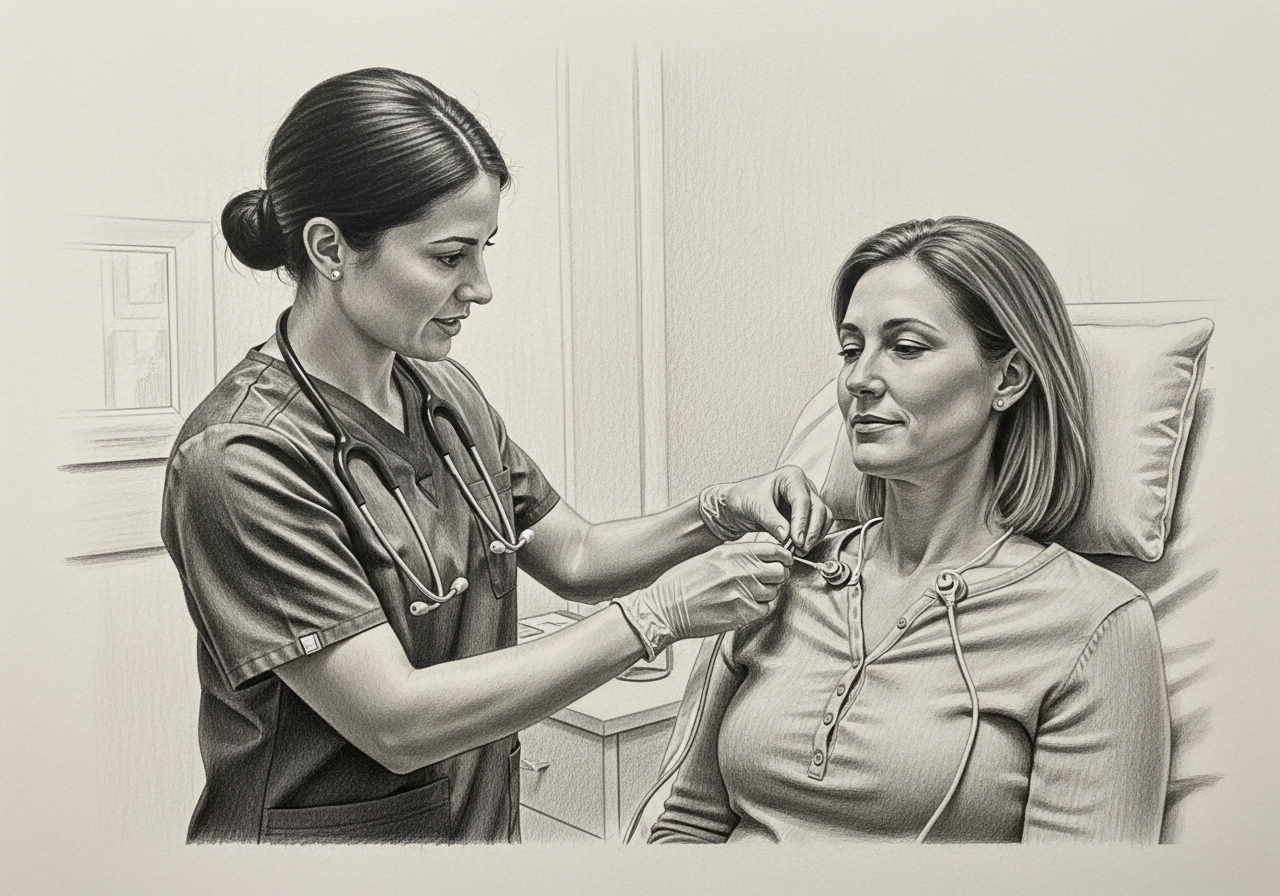
Living with pediatric sleep apnea? The next step is a quiet, unhurried conversation.
Causes and risk factors
Enlarged tonsils and adenoids are the most common cause in otherwise healthy children. Nasal allergy and congestion, obesity, and certain craniofacial or neuromuscular conditions can also contribute.
A family history of sleep apnea and conditions such as Down syndrome can raise the risk. Often more than one factor is involved.
How it is diagnosed
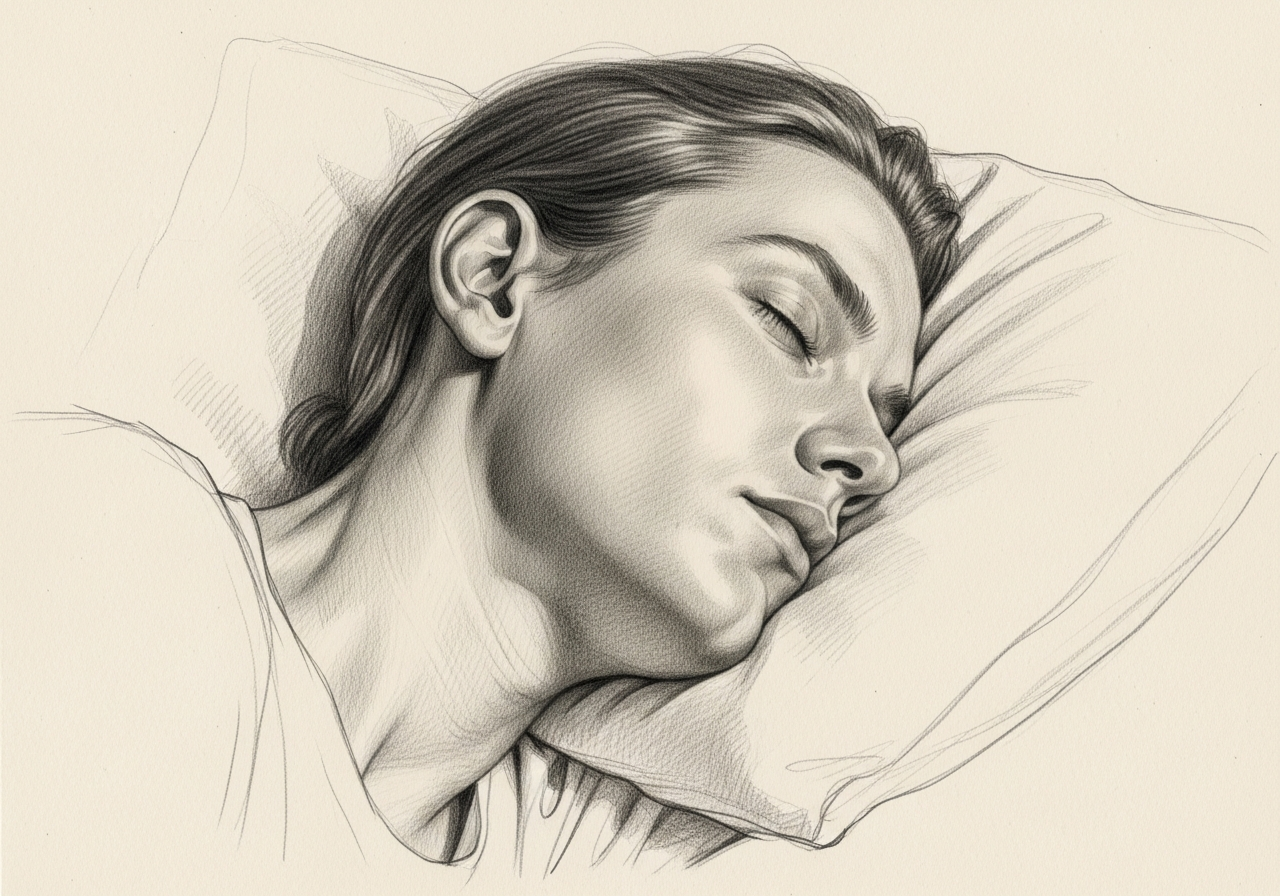
Evaluation begins with a detailed history and an examination of the nose, mouth, tonsils, and adenoids. A sleep study is the most accurate way to confirm the diagnosis and measure severity, and it may be recommended, especially before surgery in younger children or when the picture is unclear.
The goal is to confirm that the airway is the source of the symptoms and to guide the safest, most appropriate treatment.

Treatment options
Treatment is matched to the cause and severity:
- Removing enlarged tonsils and adenoids, called adenotonsillectomy, which is often the primary treatment
- Treating nasal allergy and congestion
- Weight management support when relevant
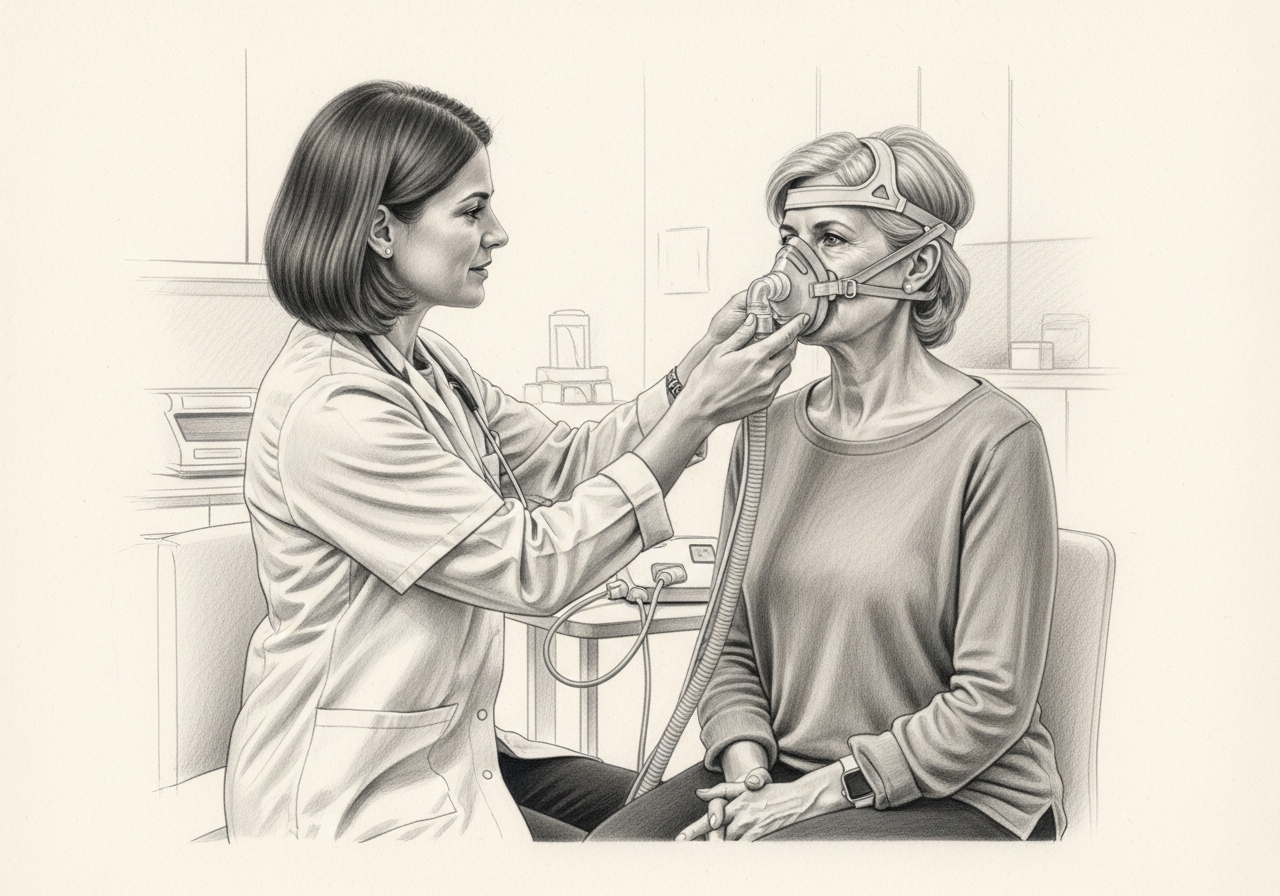
- CPAP for selected children when surgery is not appropriate or not fully effective
- Follow-up to confirm that breathing and sleep have improved
Removing the tonsils and adenoids resolves symptoms for many children, though some need additional treatment or monitoring.
When to seek care
Have a child evaluated for regular snoring, witnessed pauses in breathing, or restless sleep combined with daytime behavior, attention, or growth concerns. Seek prompt medical attention for severe breathing difficulty, persistent pauses in breathing, or bluish color around the lips.
Clinical references
- American Academy of Otolaryngology-Head and Neck Surgery: https://www.entnet.org
- American Academy of Sleep Medicine: https://sleepeducation.org
Medical review
This page is a patient-education resource reviewed by the responsible Norelle ENT clinician before publication. It does not replace an in-person evaluation. If symptoms are severe or rapidly worsening, seek immediate medical care.
Specialists who treat pediatric sleep apnea

Dr. Adrian Ong
MD
Board-Certified Facial Plastic & Reconstructive and Head & Neck Surgeon
Dr. Adrian Ong is a board-certified surgeon who practices exclusively on the face, head, and neck, with expertise spanning rhinoplasty, sinus surgery, facial trauma, reconstruction, and sleep surgery.
- Functional and aesthetic rhinoplasty (including revision)
- Sinus surgery and complex revision sinus surgery
- Facial trauma and nasal fractures
- Head and neck cancer surgery and microvascular reconstruction
Also caring for this area

Not sure who to see? Our patient coordination team can help match you with the right specialist.
(212) 444-8006Norelle Academic Work
Research by Our Physicians
Selected scholarly work related to this topic.

Expert Consensus Statement: Pediatric Drug-Induced Sleep Endoscopy
Otolaryngology–Head and Neck Surgery
Objective Outcomes of Supraglottoplasty for Laryngomalacia With Obstructive Sleep Apnea: A Meta-Analysis
JAMA Otolaryngology–Head & Neck Surgery
Down Syndrome and Pediatric Obstructive Sleep Apnea Surgery: A National Cohort
The Laryngoscope
Adenotonsillectomy Outcomes in Patients With Down Syndrome and Obstructive Sleep Apnea
The Laryngoscope
Efficacy of Upper Airway Stimulation on Collapse Patterns Observed During Drug-Induced Sleep Endoscopy
Otolaryngology–Head and Neck Surgery
Application of Drug-Induced Sleep Endoscopy in Patients Treated With Upper Airway Stimulation Therapy
World Journal of Otorhinolaryngology–Head and Neck Surgery
Citation details link to the original PubMed, DOI, journal, or publisher record.
Explore all Norelle research on this topicFrequently Asked Questions
Occasional light snoring can be harmless, but loud or frequent snoring, especially with pauses, gasping, or restless sleep, deserves evaluation. It can be a sign of obstructive sleep apnea.
The most common cause in otherwise healthy children is enlarged tonsils and adenoids. Nasal allergy, congestion, obesity, and certain medical conditions can also contribute.
Adenotonsillectomy resolves symptoms for many children and is often the primary treatment. Some children, particularly those with other risk factors, may need additional treatment or follow-up testing.
A sleep study is the most accurate way to confirm the diagnosis and measure severity. It is often recommended before surgery in younger children or when the diagnosis is uncertain.
Yes. In children, disrupted sleep often shows up as irritability, hyperactivity, difficulty concentrating, or school problems rather than obvious sleepiness, and these can improve with treatment.
Bedwetting can be associated with pediatric sleep apnea in some children and may improve once the breathing problem is treated, although bedwetting has many causes.
Bring notes on your child's snoring and breathing during sleep, daytime behavior and energy, growth history, and any prior sleep studies or ENT records.
Related Procedures

1 of 2 · Tonsillectomy and Adenoidectomy for Sleep-Disordered Breathing
Related Conditions

Request a consultation for pediatric sleep apnea
Schedule an evaluation with our team to review your symptoms and the appropriate next steps.