

About the Procedure
Drug-induced sleep endoscopy (DISE) lets the surgeon see exactly where the upper airway narrows or collapses during sleep. While you sleep under controlled sedation, a thin flexible endoscope is passed through the nose to observe the palate, tonsils, tongue base, and other areas in real time.
This information is valuable because obstructive sleep apnea can arise from collapse at one or several levels, and an awake examination cannot reproduce what happens during sleep. Identifying the pattern of collapse helps determine which surgical or device-based treatments are most likely to help.
At Norelle Health, sleep endoscopy is used to personalize treatment for patients considering airway surgery or upper-airway stimulation, and for those who have not done well with CPAP. The goal is to match the procedure to the patient's specific anatomy.
Who may be a candidate
It is commonly used for patients considering airway surgery or Inspire therapy, and for those who cannot tolerate or have not improved with CPAP.
Sleep endoscopy is most helpful when the pattern of collapse is uncertain and would influence the treatment decision. It is generally not necessary for patients doing well on CPAP.
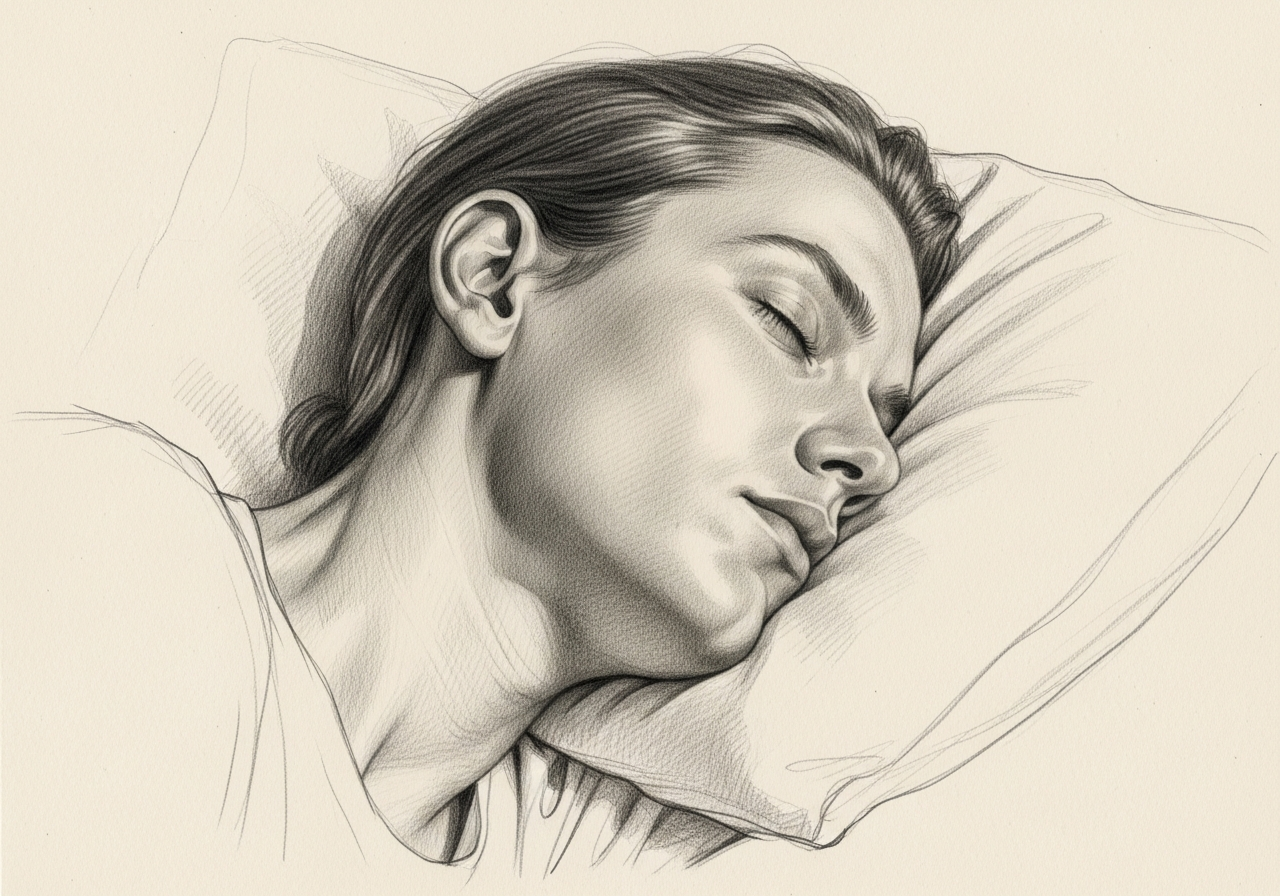
Considering sleep endoscopy? The next step is a quiet, unhurried conversation.
How it is performed
In an operating room or procedure setting, an anesthesiologist provides sedation to mimic natural sleep. A thin flexible endoscope is passed through the nose to view the airway as you breathe.
The surgeon observes which structures vibrate or collapse and how completely, sometimes testing simple maneuvers such as jaw advancement. The examination is brief, and no incisions are made.
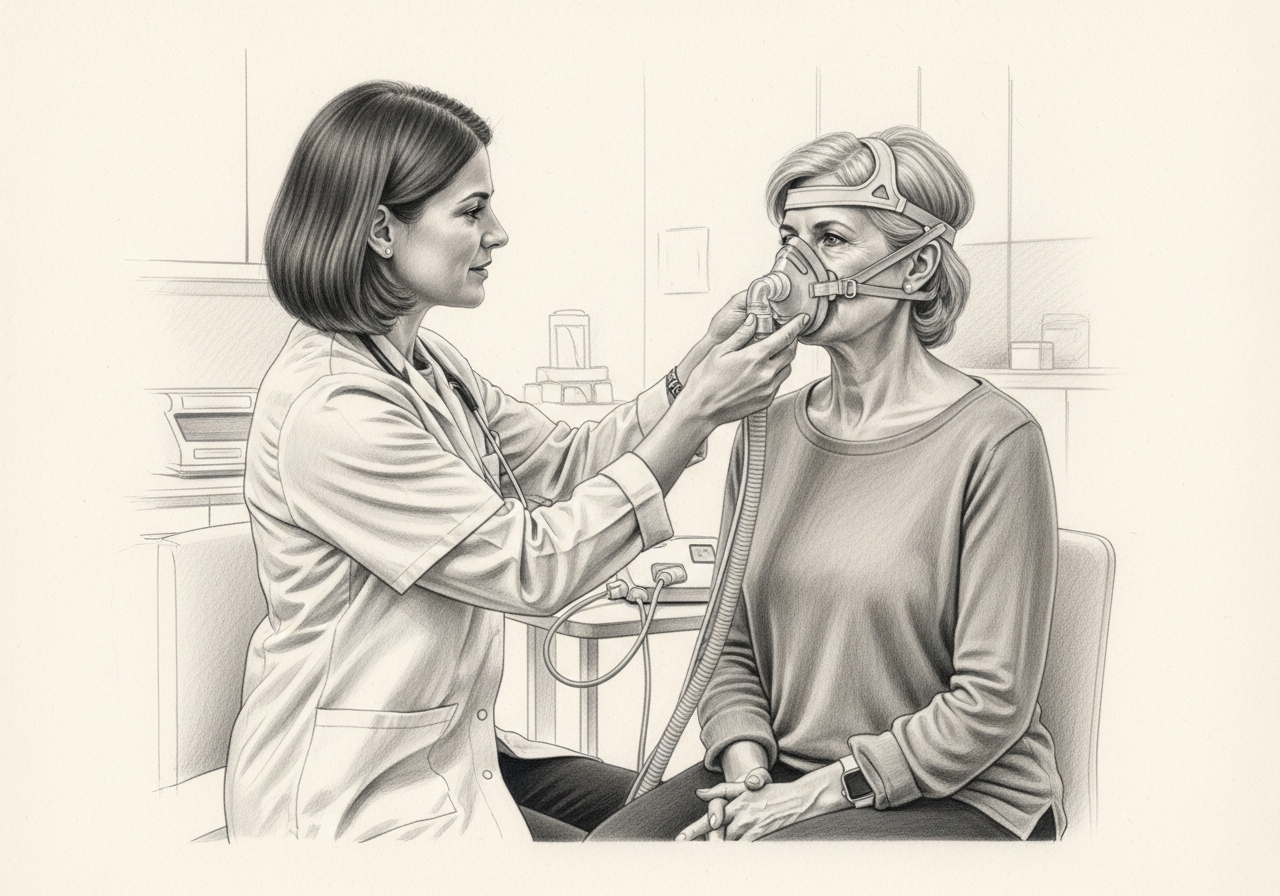
Recovery and aftercare
Recovery is straightforward.
- You rest in a recovery area until the sedation wears off
- Most patients go home the same day and resume normal activity the next day
- Arrange a ride home, as you should not drive after sedation
- Mild grogginess or a slightly irritated throat or nose may occur briefly
- Results are reviewed at follow-up to plan treatment
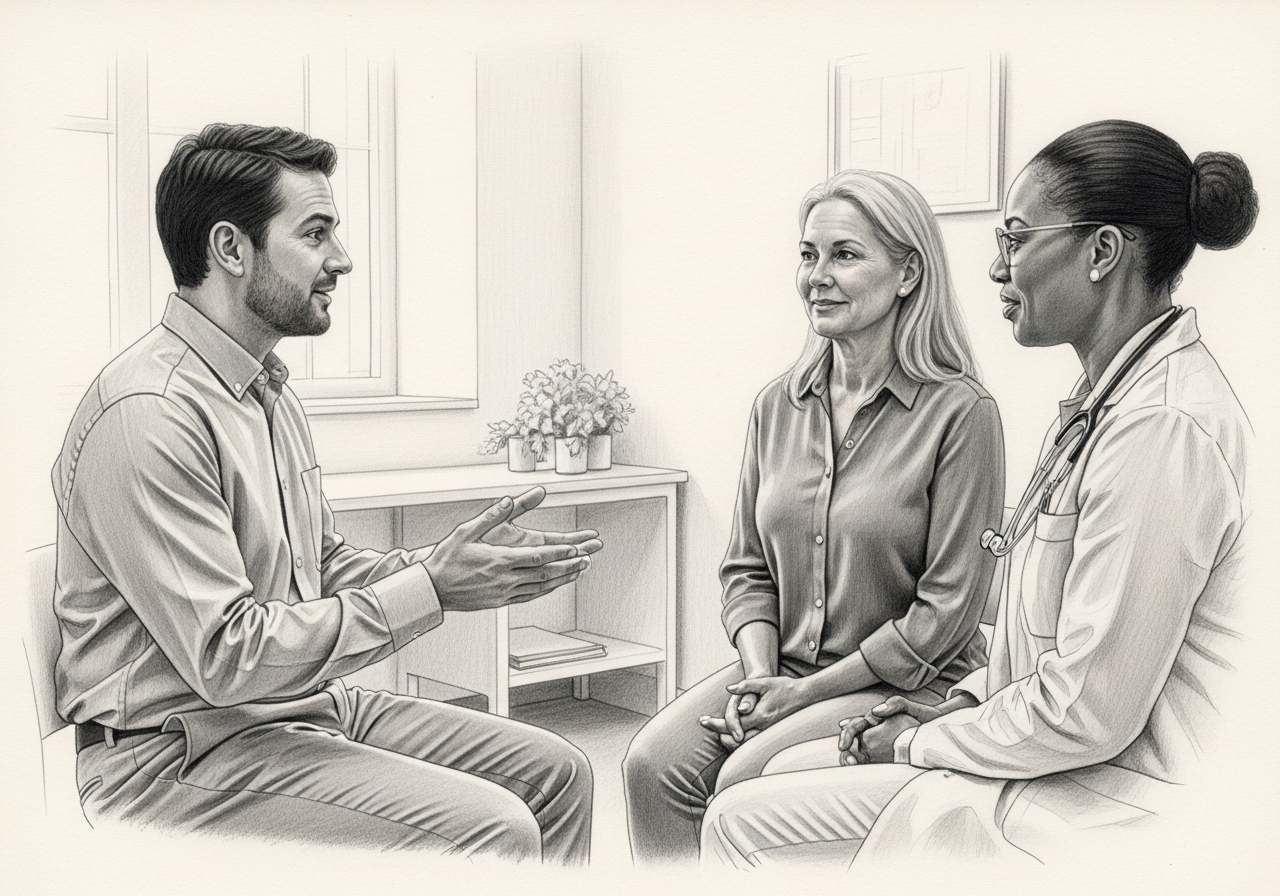
Risks and alternatives
Sleep endoscopy is generally low risk. The main considerations relate to brief sedation, with uncommon issues such as nausea or temporary throat irritation. Because it uses sedation rather than natural sleep, it is an approximation of nighttime collapse.
Alternatives for treatment planning include imaging and awake airway examination, though these provide less direct information about dynamic collapse during sleep.
Results and follow-up
The findings guide a personalized plan, which may include specific airway surgery, upper-airway stimulation, oral appliance therapy, or a combination. Identifying the level of collapse helps avoid procedures unlikely to help.
At follow-up, the results are reviewed and the recommended treatment is discussed, along with expected benefits and alternatives.
Clinical references
- American Academy of Otolaryngology–Head and Neck Surgery (https://www.entnet.org)
Medical review
This page is a patient-education resource reviewed by the responsible Norelle Health clinician before publication. It does not replace an in-person evaluation. If symptoms are severe or rapidly worsening, seek immediate medical care.
Specialists who perform sleep endoscopy
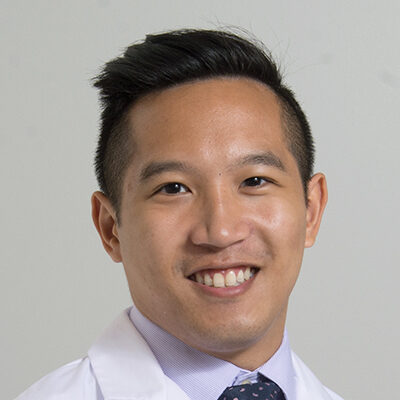
Dr. Adrian Ong
MD
Board-Certified Facial Plastic & Reconstructive and Head & Neck Surgeon
Dr. Adrian Ong is a board-certified surgeon who practices exclusively on the face, head, and neck, with expertise spanning rhinoplasty, sinus surgery, facial trauma, reconstruction, and sleep surgery.
- Functional and aesthetic rhinoplasty (including revision)
- Sinus surgery and complex revision sinus surgery
- Facial trauma and nasal fractures
- Head and neck cancer surgery and microvascular reconstruction
Also caring for this area

Not sure who to see? Our patient coordination team can help match you with the right specialist.
(212) 444-8006Frequently Asked Questions
It is a short procedure in which the airway is examined with a thin endoscope while you sleep under controlled sedation, showing where and how the airway collapses.
It helps identify the level of airway collapse so that surgery or upper-airway stimulation can be matched to your anatomy, especially when CPAP has not worked or surgery is being considered.
No. A sleep study measures breathing and oxygen overnight to diagnose and grade sleep apnea, while sleep endoscopy visually shows where the airway collapses to guide treatment.
It is performed under sedation, so you are asleep and do not feel the examination. Afterward there may be mild throat or nasal irritation that resolves quickly.
The examination itself is brief. Most of your time is spent in preparation and recovery, and the same-day visit usually takes a few hours.
No. Because sedation is used, you should arrange for someone to drive you home and plan to rest for the remainder of the day.
The findings are reviewed with you to plan treatment, which may include targeted airway surgery, Inspire therapy, an oral appliance, or a combination.
Related Conditions

Related Procedures

Request a consultation about sleep endoscopy
Schedule a consultation with our team to discuss whether this procedure is the right option for you.