About This Test
A home sleep apnea test (HSAT) is a portable study you perform in your own bed. Using a small set of sensors, it records airflow, breathing effort, oxygen levels, and often heart rate to detect the pauses and drops in breathing that characterize obstructive sleep apnea.
Home testing is convenient and well suited to adults with a high likelihood of moderate to severe obstructive sleep apnea and no major other medical conditions. It is not appropriate for everyone, and a normal home test in a symptomatic patient may still need confirmation with an in-lab study.
At Norelle ENT, a home sleep apnea test is used when it fits the clinical picture. We review the results alongside your symptoms and airway examination, and recommend in-laboratory testing when a more detailed study is needed.
Who may be a candidate
Home testing suits adults whose history and examination strongly suggest moderate to severe obstructive sleep apnea, such as loud snoring, witnessed pauses, and daytime sleepiness.
It is generally not recommended for patients with significant cardiac or pulmonary disease, suspected central sleep apnea, or other sleep disorders such as periodic limb movements or narcolepsy, where an in-lab study is more informative.
Considering home sleep apnea test? The next step is a quiet, unhurried conversation.
How it is performed
You take the device home and apply the sensors before bed, typically a nasal airflow cannula, a finger oximeter, and a chest or abdominal effort belt.
The device records overnight, and the data is downloaded and scored by a sleep specialist. A single night is often enough, though occasionally a repeat night is requested if data quality is limited.
Understanding the results
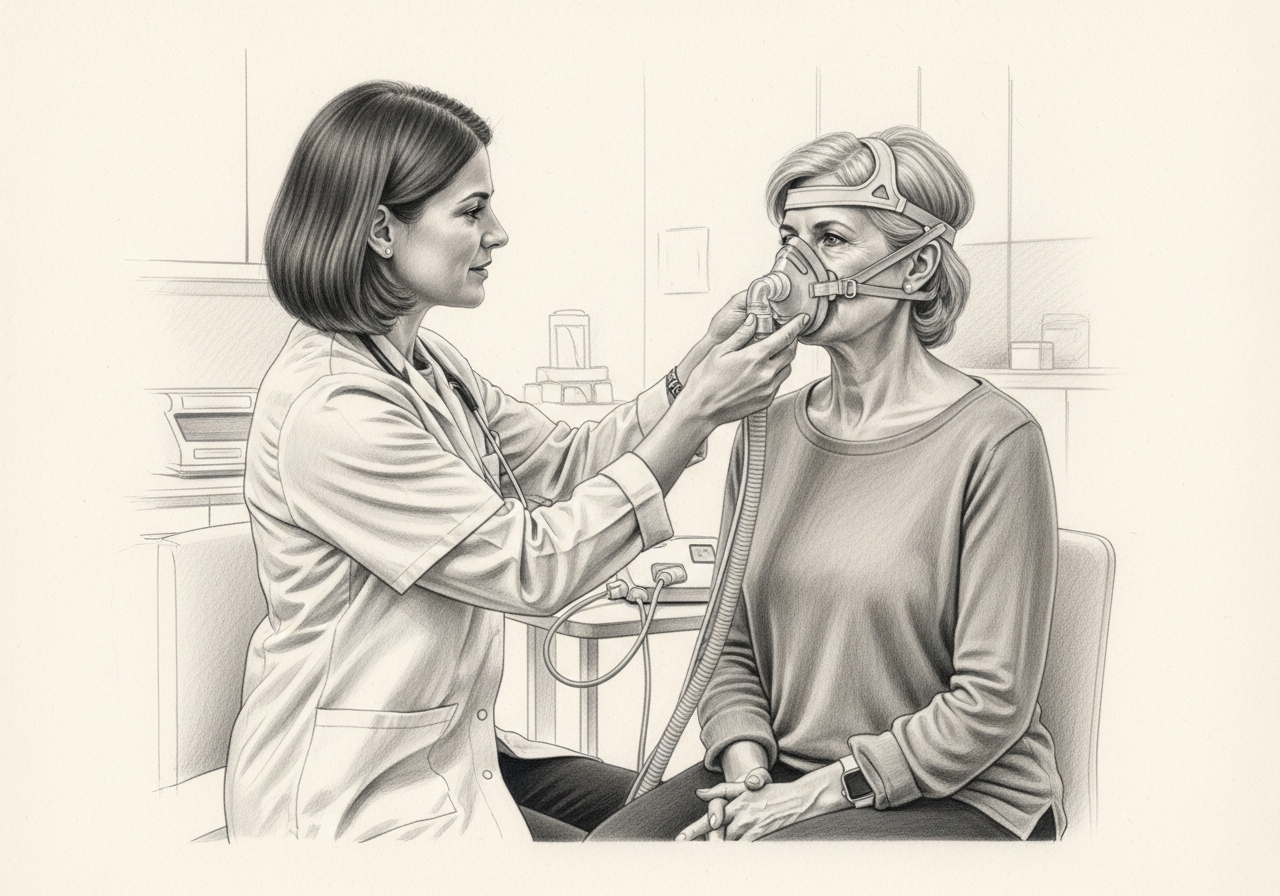
The test estimates how often breathing is reduced or paused per hour and how oxygen levels behave. These measures help confirm obstructive sleep apnea and gauge its severity.
Because home tests can underestimate severity, a negative result in a clearly symptomatic patient does not rule out apnea, and an in-lab study may be recommended for confirmation.
Risks and alternatives
There are no meaningful risks. The main limitation is that the test measures fewer signals than a laboratory study, so it cannot diagnose every sleep disorder.
The primary alternative is in-lab polysomnography, which records brain waves, leg movements, and sleep stages in addition to breathing, and is preferred for complex or inconclusive cases.
Next steps and follow-up
After scoring, results are reviewed with you to confirm the diagnosis and plan treatment, which may include CPAP, an oral appliance, or airway evaluation.
If the home test is inconclusive or does not match your symptoms, an in-lab sleep study or drug-induced sleep endoscopy may be the next step.
Clinical references
- American Academy of Sleep Medicine (https://sleepeducation.org)
Medical review
This page is a patient-education resource reviewed by the responsible Norelle ENT clinician before publication. It does not replace an in-person evaluation. If symptoms are severe or rapidly worsening, seek immediate medical care.
Specialists who oversee home sleep apnea test
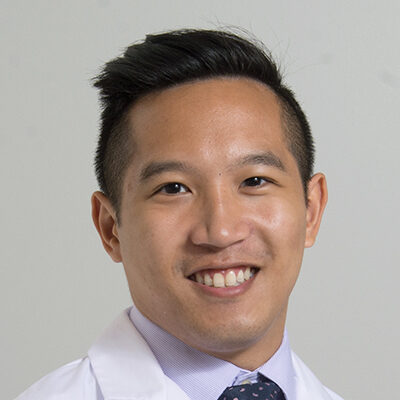
Dr. Adrian Ong
MD
Board-Certified Facial Plastic & Reconstructive and Head & Neck Surgeon
Dr. Adrian Ong is a board-certified surgeon who practices exclusively on the face, head, and neck, with expertise spanning rhinoplasty, sinus surgery, facial trauma, reconstruction, and sleep surgery.
- Functional and aesthetic rhinoplasty (including revision)
- Sinus surgery and complex revision sinus surgery
- Facial trauma and nasal fractures
- Head and neck cancer surgery and microvascular reconstruction
Also caring for this area

Not sure who to see? Our patient coordination team can help match you with the right specialist.
(212) 444-8006Frequently Asked Questions
It typically records airflow, breathing effort, and blood oxygen levels, and often heart rate, to detect the pauses and reductions in breathing that define obstructive sleep apnea.
For clear-cut moderate to severe obstructive sleep apnea it is often sufficient, but it measures fewer signals and can underestimate severity. An in-lab study is preferred for complex cases or when results are inconclusive.
People with significant heart, lung, or neuromuscular disease, suspected central sleep apnea, or other sleep disorders are usually better served by an in-lab study.
You apply a small set of sensors before bed following the provided instructions, sleep normally, and return or upload the data the next day for scoring by a sleep specialist.
A normal home test does not fully rule out sleep apnea in a symptomatic person. An in-lab study may be recommended to confirm or exclude the diagnosis.
The data is scored and interpreted by a sleep physician, then reviewed with you at a follow-up visit to plan any needed treatment.
Many plans favor home testing for uncomplicated suspected obstructive sleep apnea, but coverage varies. Your care team can advise based on your situation.
Related Conditions
Related Procedures

Request a consultation about home sleep apnea test
Schedule a consultation with our team to discuss whether this test is appropriate for you.