
About the Procedure
Maxillomandibular advancement (MMA) is a surgical procedure that moves both the upper jaw (maxilla) and lower jaw (mandible) forward. Because the soft tissues of the palate, tongue base, and throat are attached to the jaws, advancing the skeleton enlarges and stabilizes the airway along its entire length.
MMA is one of the more definitive surgical options for moderate to severe obstructive sleep apnea, particularly for patients who cannot tolerate CPAP or who have skeletal features that narrow the airway. It is a significant operation that requires careful planning and a committed recovery.
At Norelle ENT, MMA is reserved for carefully selected patients after a thorough airway evaluation, often including sleep endoscopy and imaging. We coordinate with oral and maxillofacial colleagues when appropriate and set clear expectations about recovery and results.
Who may be a candidate
MMA is considered for moderate to severe obstructive sleep apnea, especially in patients who cannot use CPAP, have multilevel airway collapse, or have a recessed jaw that narrows the airway.
It is sometimes recommended after other surgeries have not adequately controlled apnea. A complete evaluation, including imaging and often sleep endoscopy, helps confirm that skeletal advancement is the right approach.
Considering maxillomandibular advancement? The next step is a quiet, unhurried conversation.
How it is performed
Under general anesthesia, controlled cuts (osteotomies) are made in the upper and lower jaws, which are then moved forward and fixed in their new position with small plates and screws. Incisions are made inside the mouth, so there are no external facial scars.
Surgery is planned in advance using imaging and, in many cases, virtual surgical planning to predict the new jaw position and bite.
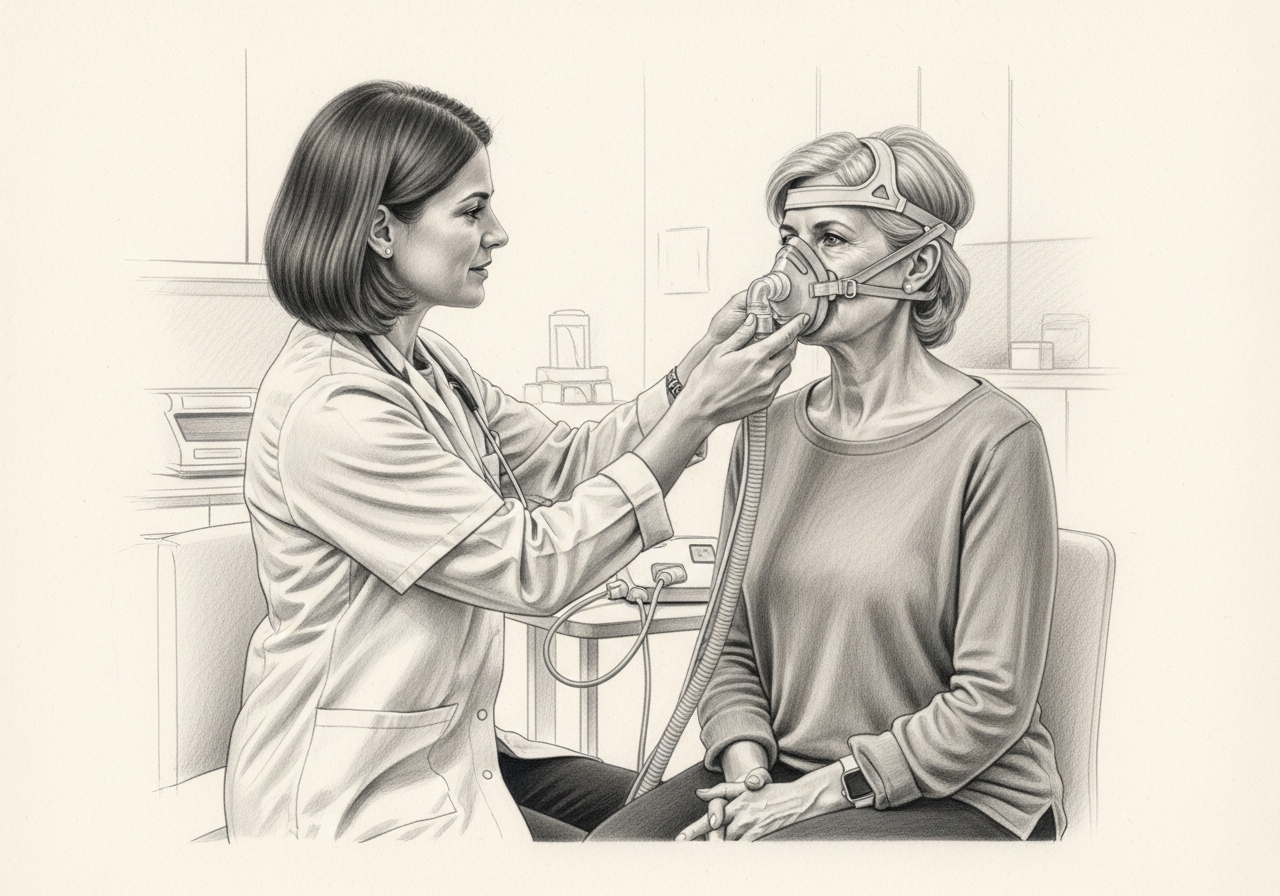
Recovery and aftercare
Recovery is more involved than soft-tissue airway surgery.
- Expect significant facial swelling that peaks in the first week
- Follow a liquid or soft diet and limit jaw use for several weeks
- Plan for a few weeks away from work or strenuous activity
- Numbness of the lips, cheeks, or chin is common and usually improves over time
- Attend follow-up to confirm healing, bite alignment, and airway response
Risks and alternatives
Risks include swelling, infection, bleeding, temporary or, less commonly, lasting numbness of the lips and chin, bite changes, and the small possibility of needing further adjustment. Hardware rarely needs removal.
Alternatives include CPAP, oral appliances, upper-airway stimulation (Inspire), and soft-tissue procedures such as palate or tongue-base surgery. The best option depends on apnea severity, anatomy, and prior treatments.
Results and follow-up
MMA can produce substantial and durable reductions in apnea severity in well-selected patients, often improving daytime sleepiness and snoring. Results depend on anatomy and surgical planning.
Follow-up confirms healing and bite stability and typically includes a sleep study several months after surgery to measure the effect on the apnea.
Clinical references
- American Academy of Sleep Medicine (https://sleepeducation.org)
- American Academy of Otolaryngology–Head and Neck Surgery (https://www.entnet.org)
Medical review
This page is a patient-education resource reviewed by the responsible Norelle ENT clinician before publication. It does not replace an in-person evaluation. If symptoms are severe or rapidly worsening, seek immediate medical care.
Specialists who perform maxillomandibular advancement
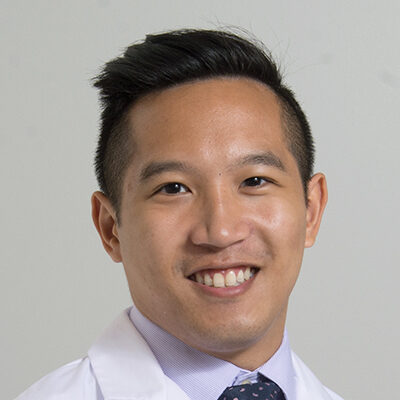
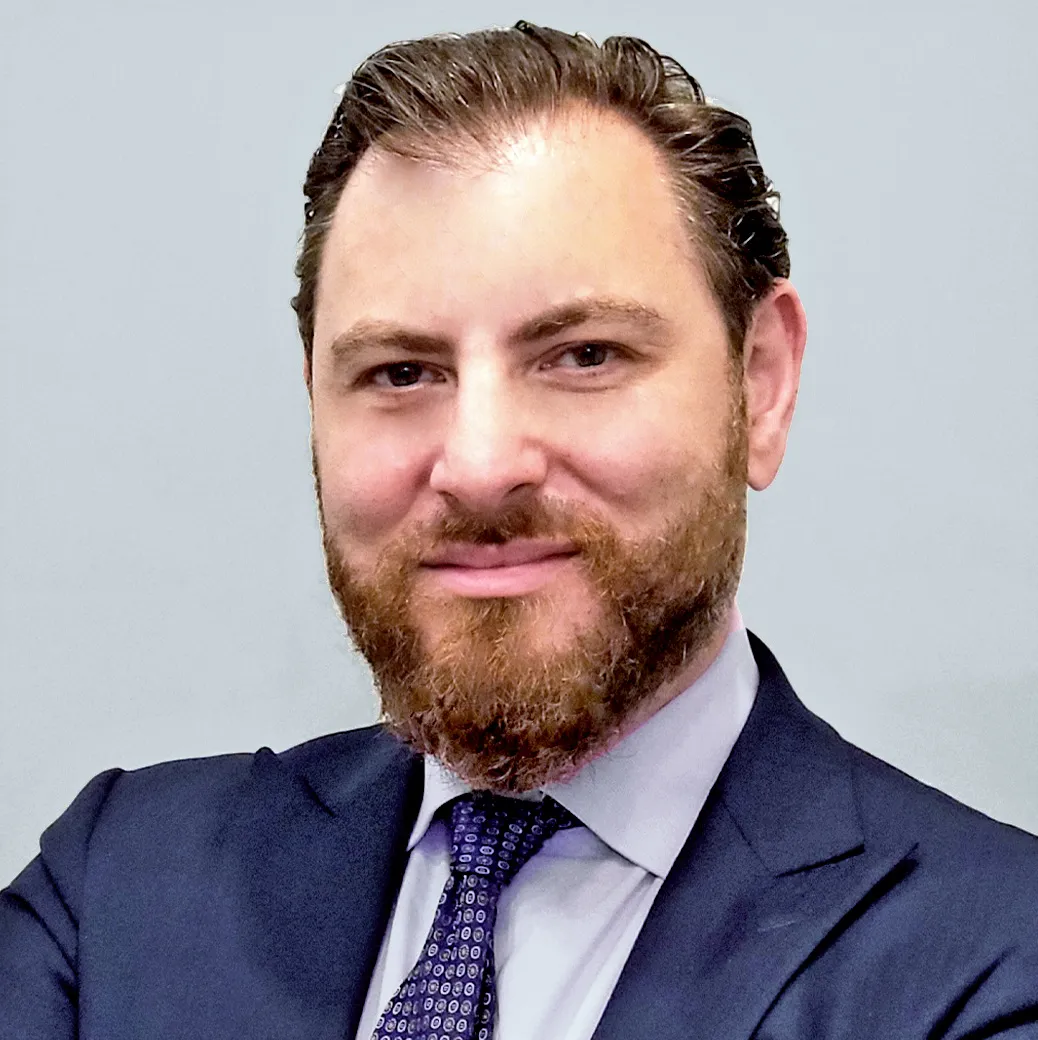
Dr. Adrian Ong
MD
Board-Certified Facial Plastic & Reconstructive and Head & Neck Surgeon
Dr. Adrian Ong is a board-certified surgeon who practices exclusively on the face, head, and neck, with expertise spanning rhinoplasty, sinus surgery, facial trauma, reconstruction, and sleep surgery.
- Functional and aesthetic rhinoplasty (including revision)
- Sinus surgery and complex revision sinus surgery
- Facial trauma and nasal fractures
- Head and neck cancer surgery and microvascular reconstruction
Also caring for this area
Not sure who to see? Our patient coordination team can help match you with the right specialist.
(212) 444-8006Frequently Asked Questions
Moving both jaws forward enlarges and stabilizes the airway behind the palate and tongue, addressing collapse at multiple levels rather than a single area.
It is considered for moderate to severe obstructive sleep apnea, particularly when CPAP is not tolerated, the airway collapses at multiple levels, or skeletal features narrow the airway.
No. The incisions are made inside the mouth, so there are no external facial scars.
The early recovery involves swelling, a soft or liquid diet, and limited jaw use for several weeks, with many patients taking a few weeks away from work. Numbness and swelling improve gradually over weeks to months.
Advancing the jaws can subtly change facial profile and is planned to maintain a functional bite. Temporary bite changes can occur during healing and are monitored at follow-up.
In carefully selected patients, MMA can substantially and durably reduce apnea severity. Results vary with anatomy, and a sleep study after healing measures the effect.
Alternatives include CPAP, oral appliances, upper-airway stimulation, and soft-tissue airway procedures. The choice depends on severity, anatomy, and previous treatments.
Related Conditions

Related Procedures

Request a consultation about maxillomandibular advancement
Schedule a consultation with our team to discuss whether this procedure is the right option for you.