
About the Procedure
Thyroid ultrasound and fine-needle aspiration (FNA) biopsy are the main tools used to evaluate thyroid nodules. Nodules are common and most are benign, but ultrasound and, when needed, a needle biopsy help determine which nodules can simply be monitored and which require closer attention or surgery.
Ultrasound is a painless imaging test that uses sound waves to look at the size, number, and features of thyroid nodules and nearby lymph nodes. Certain features help estimate the risk that a nodule could be cancer and guide whether a biopsy is recommended. FNA biopsy uses a thin needle, often with ultrasound guidance, to take a small sample of cells for analysis.
Norelle ENT uses these tests to give patients a clear, evidence-based answer about a thyroid nodule. The results help decide between monitoring, repeat testing, additional studies, or referral for surgery, and are often coordinated with endocrinology.
How we approach the decision
A thyroid biopsy is planned only when sampling is likely to change management. A consultation helps work through several questions.
- Does this nodule meet a guideline-based threshold for FNA?
- Was the correct target sampled under ultrasound guidance, including any suspicious lymph node?
- What does the Bethesda result mean, and will repeat FNA, molecular testing, surveillance, or surgery change management?
These questions depend on the evaluation of thyroid nodules, the possibility of thyroid cancer, and whether a goiter is present.
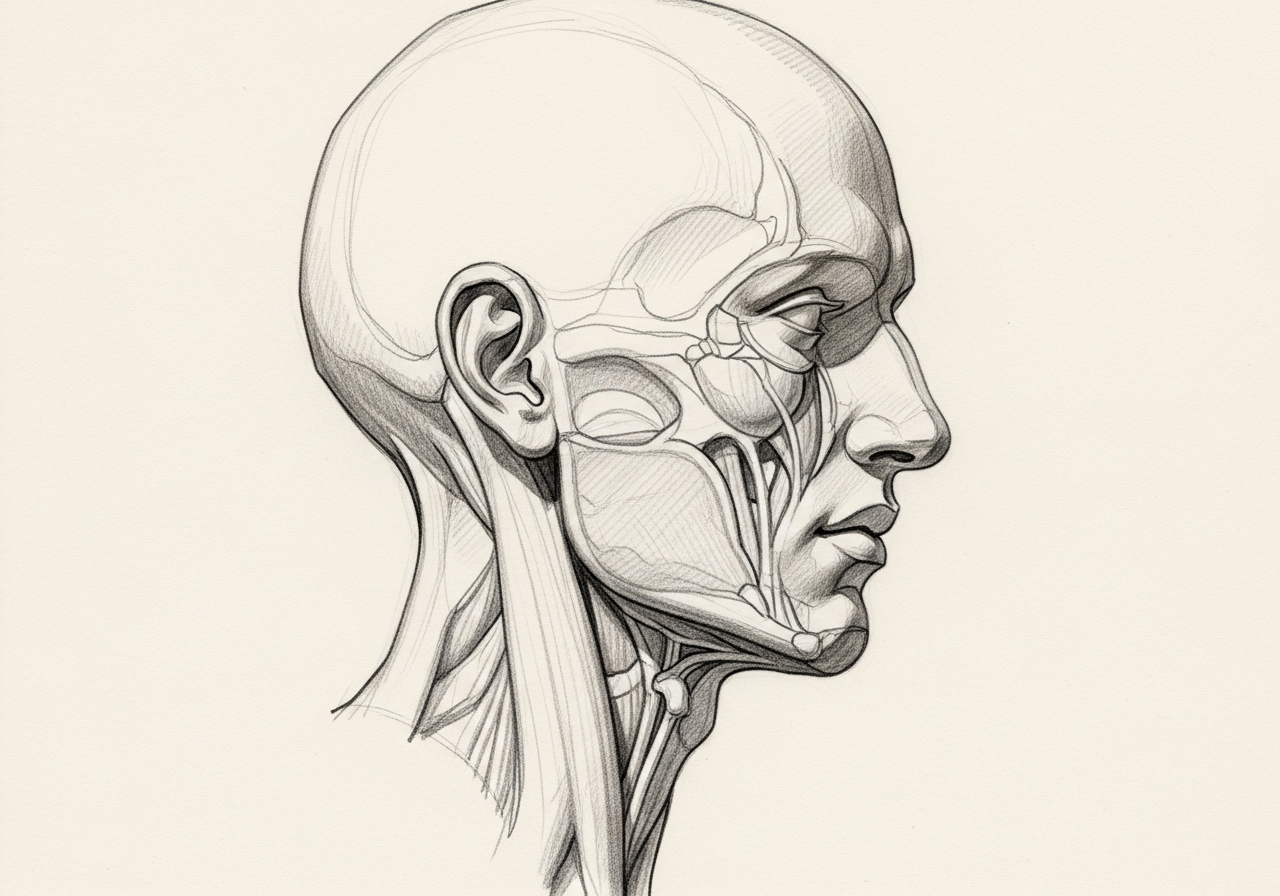
Considering thyroid ultrasound and FNA biopsy? The next step is a quiet, unhurried conversation.
What happens next
Care usually follows a clear sequence.
- Review thyroid function and any prior ultrasound.
- Perform a structured ultrasound of the thyroid and relevant neck lymph nodes.
- Select the nodule or lymph node and obtain ultrasound-guided samples.
- Confirm sample handling for cytology and any planned molecular testing.
- Communicate the Bethesda category, the uncertainty, and a documented next step, which may include thyroid surgery when indicated.
When to seek urgent care
Problems after a thyroid biopsy are uncommon, but some symptoms cannot wait.
- Emergency: severe neck swelling, breathing difficulty, or significant bleeding needs emergency care.
- Same-day: spreading redness, fever, or a rapidly enlarging area at the biopsy site should prompt a same-day call.
- Routine: mild soreness or bruising can be managed according to the clinician's instructions and reviewed at a scheduled visit.
The online consultation form is not an emergency service.
Who may benefit
These tests are used for several common situations.
- A thyroid nodule found on examination or imaging
- An enlarged thyroid or goiter
- A nodule that is enlarging or causing symptoms
- Monitoring of a previously identified nodule
- Evaluation of nearby lymph nodes
Not every nodule needs a biopsy; ultrasound features and size help decide.
How ultrasound is performed
Ultrasound is a painless test performed with a small probe and gel on the neck. It produces real-time images of the thyroid and surrounding structures without radiation.
The study records the size and number of nodules and features such as composition, shape, margins, and calcifications. These features are used with standardized risk systems to estimate the chance that a nodule could be cancer and to decide whether a biopsy is recommended.
How FNA biopsy is performed
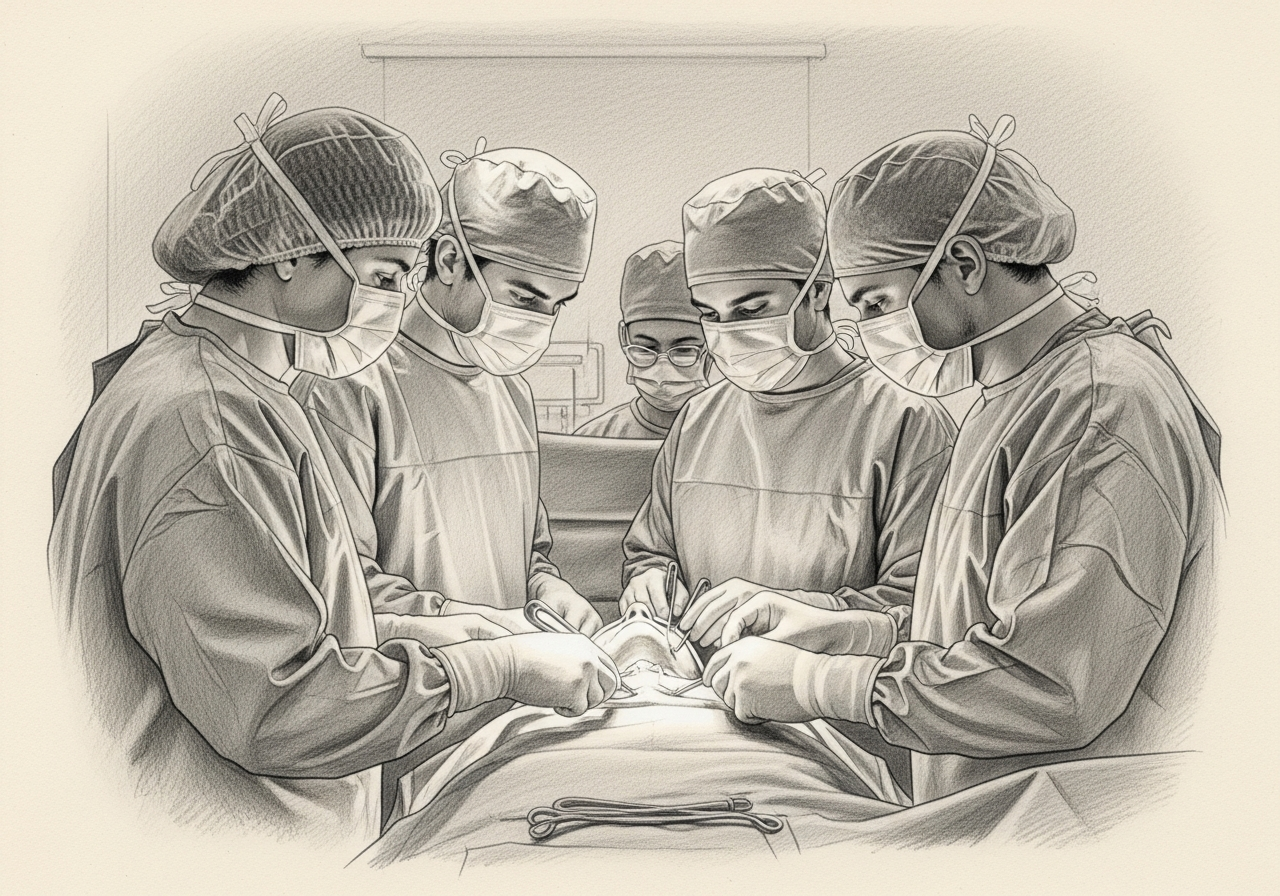
Fine-needle aspiration uses a thin needle to withdraw a small sample of cells from a nodule, usually with ultrasound guidance for accuracy. The skin may be numbed, and the procedure is typically brief.
The sample is examined under a microscope. Results are reported in standardized categories that range from benign to suspicious or malignant, and some indeterminate results may lead to repeat biopsy, molecular testing, or surgery for a definitive diagnosis.
Recovery and aftercare
Ultrasound requires no recovery. After FNA biopsy, mild tenderness, minor bruising, or slight swelling at the needle site can occur and usually settle within a day or two.
Most patients return to normal activity the same day. The team reviews the results and explains the recommended next step, which may be routine monitoring, repeat imaging or biopsy, additional testing, or referral for surgery.

Understanding results and next steps
Benign results often allow monitoring with periodic ultrasound rather than surgery. Suspicious or malignant results usually lead to a surgical consultation.
Indeterminate results are common and do not mean cancer is present; they may prompt repeat biopsy, molecular testing, or surgery depending on the situation. The plan is individualized and frequently coordinated with endocrinology.
Clinical perspective
Our head and neck surgeons treat the result as a guide to the next decision rather than a verdict. Each Bethesda category points toward a different set of questions: a nondiagnostic sample may call for repeat ultrasound-guided FNA, a benign result often supports surveillance, atypia or a follicular lesion may prompt molecular testing or repeat sampling, a follicular neoplasm or suspicious result may lead to a surgical discussion, and a malignant result moves toward treatment planning.
For each category, the team weighs the questions that determine the next step rather than applying a rigid prescription. Some follicular-pattern lesions cannot be classified without examining the surgical specimen, so a biopsy cannot diagnose every cancer. Interpretation requires individualized specialist review.
What to bring to your consultation
Gathering the right records helps a focused visit move quickly.
- Prior imaging and reports
- Pathology or biopsy results when applicable
- Recent laboratory results, including thyroid function
- Treatment notes and a current medication list
- A clear note about the decision you want help with
A focused review covers the likely diagnosis, the realistic options, the trade-offs, and the steps needed before treatment. For urgent symptoms, follow the guidance above rather than using the routine form.
Medical review
This page is a patient-education resource reviewed by the responsible Norelle ENT clinician before publication. It does not replace an in-person evaluation. If symptoms are severe or rapidly worsening, seek immediate medical care.
Specialists who perform thyroid ultrasound and FNA biopsy
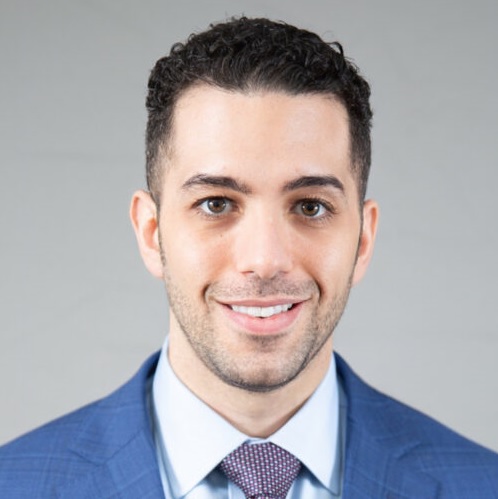
Dr. Moustafa Mourad
MD, FACS
Double Board-Certified Head & Neck and Facial Plastic & Reconstructive Surgeon
Dr. Moustafa Mourad is a double board-certified head and neck and facial plastic and reconstructive surgeon who cares for the full range of cosmetic and complex conditions affecting the face, head, and neck.
- Facial plastic and reconstructive surgery
- Head and neck cancer surgery
- Microvascular free-flap reconstruction
- Facial trauma and reconstruction
Also caring for this area
Not sure who to see? Our patient coordination team can help match you with the right specialist.
(212) 444-8006Norelle Academic Work
Research by Our Physicians
Selected scholarly work related to this topic.
Diagnostic Value of RAS Mutations in Indeterminate Thyroid Nodules: Systematic Review and Meta-Analysis
Otolaryngology–Head and Neck Surgery
Machine Learning and Feature Selection Applied to SEER Data to Reliably Assess Thyroid Cancer Prognosis
Scientific Reports
Intraoperative Nerve Monitoring during Parathyroid Surgery: The Fort Worth Experience
Head & Neck
Utility of Intraoperative Nerve Monitoring in Thyroid Surgery: 20-Year Experience with 1418 Cases
Oral and Maxillofacial Surgery
Citation details link to the original PubMed, DOI, journal, or publisher record.
Explore all Norelle research on this topicFrequently Asked Questions
It is a painless, radiation-free imaging test that uses sound waves to evaluate the size and features of thyroid nodules and nearby lymph nodes.
Fine-needle aspiration uses a thin needle, often with ultrasound guidance, to take a small sample of cells from a thyroid nodule for analysis.
No. Many nodules can be monitored based on their ultrasound features and size. A biopsy is recommended when sampling is likely to change management.
Most patients tolerate it well. The needle is thin, the skin can be numbed, and the procedure is usually brief, with only mild tenderness afterward.
Results are reported in standardized categories from benign to suspicious or malignant. Some results are indeterminate and may lead to repeat biopsy, molecular testing, or surgery.
No. Indeterminate results are common and uncertain rather than positive. They may prompt additional testing or surgery to reach a definitive diagnosis.
Ultrasound has none. After a biopsy, most patients return to normal activity the same day, with possible mild tenderness or bruising at the site.
Depending on the results, the next step may be monitoring with periodic ultrasound, repeat testing, additional studies, or referral for surgery.
Do not stop prescribed medication on your own. The clinician performing the biopsy gives individualized instructions based on the medication and your bleeding risk.
Usually for selected indeterminate samples when the result can meaningfully change management. It is not automatically useful for every nodule.
Clinical References
These independent resources from medical and professional organizations offer further reading. They are provided for general education and do not replace a consultation with a clinician.
Related Conditions

Related Procedures

Request a consultation about thyroid ultrasound and FNA biopsy
Schedule a consultation with our team to discuss whether this procedure is the right option for you.