
About the Procedure
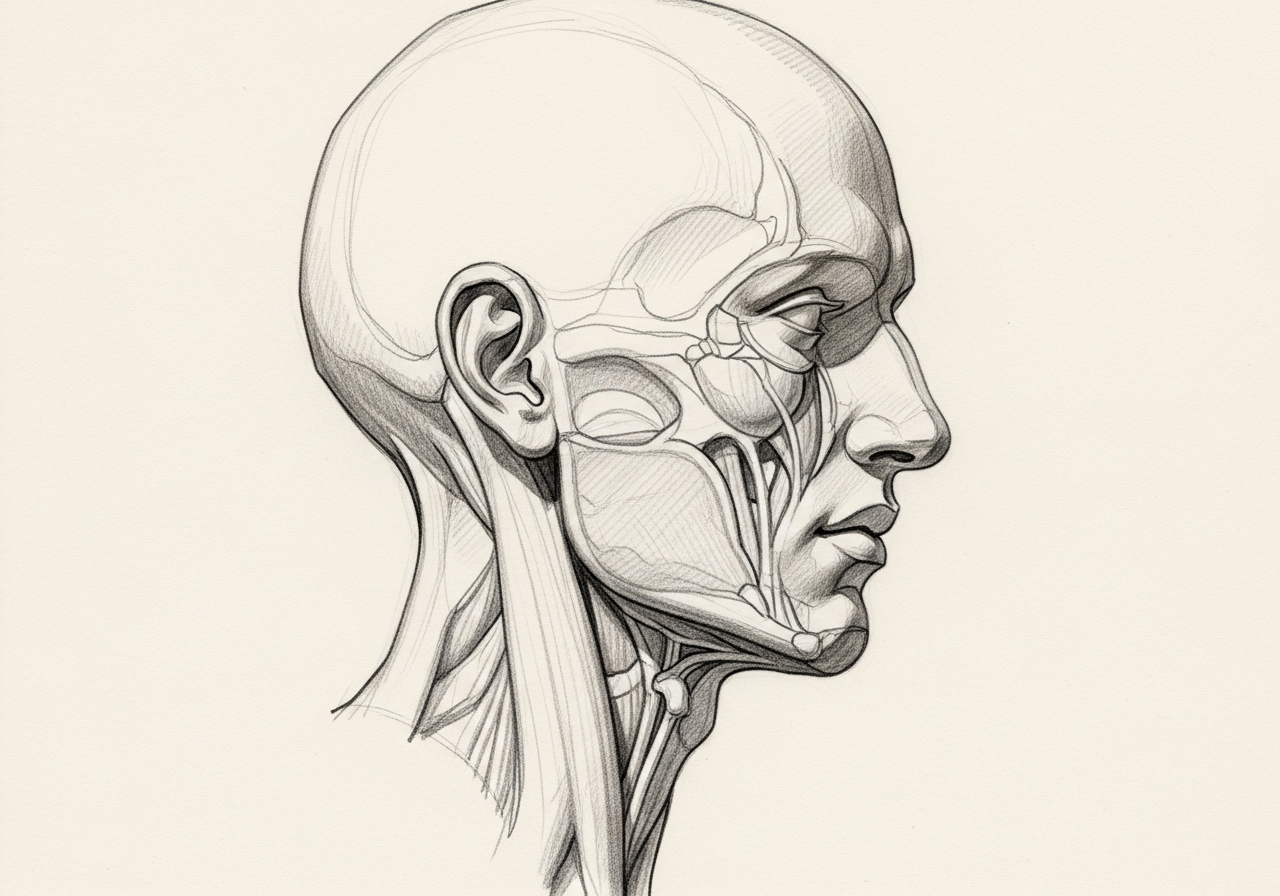
Oral cancer surgery treats cancer of the lips, tongue, floor of the mouth, gums, cheek lining, and hard palate. The aim is to remove the cancer completely, along with a margin of healthy tissue, while protecting the ability to speak, chew, and swallow as much as possible.
Because the mouth is central to eating and talking, surgery is planned with reconstruction and rehabilitation in mind. Depending on the size and location of the tumor, treatment may include removal of neck lymph nodes, reconstruction with local tissue or free tissue transfer, and follow-up radiation or other therapy guided by pathology.
Norelle ENT approaches oral cancer surgery as part of a multidisciplinary plan involving head and neck surgery, oncology, pathology, radiology, dental and prosthetic specialists, and speech and swallowing therapy. The right plan depends on tumor stage and location, depth of invasion, lymph node status, overall health, and the patient's goals.
How we approach the decision
Surgery is usually the main treatment for cancer of the oral cavity, and planning balances cure with function. A consultation helps work through several questions.
- Can the tumor be removed with a clear margin, and how will the resulting defect be reconstructed?
- Does the neck need treatment with a neck dissection because nodes are involved or at risk?
- Will additional treatment such as radiation be needed based on pathology?
The plan depends on the size, depth, and location of the oral cancer and on lymph node status.
Considering oral cancer surgery? The next step is a quiet, unhurried conversation.
What happens next
Care usually follows a sequence.
- Confirm the diagnosis and stage with examination, imaging, and biopsy.
- Plan the resection, the margin, and any neck treatment.
- Plan reconstruction, from direct closure or a graft to a free flap or other head and neck reconstruction.
- Use final pathology to decide whether radiation or other treatment is recommended.
- Support healing with nutrition after surgery, speech and swallowing therapy, dental care, and surveillance.
When to seek urgent care
After oral cancer surgery, some symptoms need prompt attention.
- Emergency: breathing difficulty or significant bleeding from the mouth or neck needs emergency care.
- Same-day: fever, spreading redness, increasing pain, or trouble managing secretions should prompt a same-day call to the surgical team.
- Routine: gradual swelling, numbness, and changes in taste can be reviewed at a scheduled visit.
The online consultation form is not an emergency service.
Who may be a candidate
Surgery is often the main treatment for cancer of the oral cavity.
- Cancers of the tongue, floor of mouth, gums, cheek lining, hard palate, or lip
- Tumors that can be removed with clear margins
- Disease with neck lymph node involvement or high risk of spread, which may add neck dissection
- Selected recurrent cancers after other treatment
The plan depends on tumor size, depth, location, and stage.
How it is performed
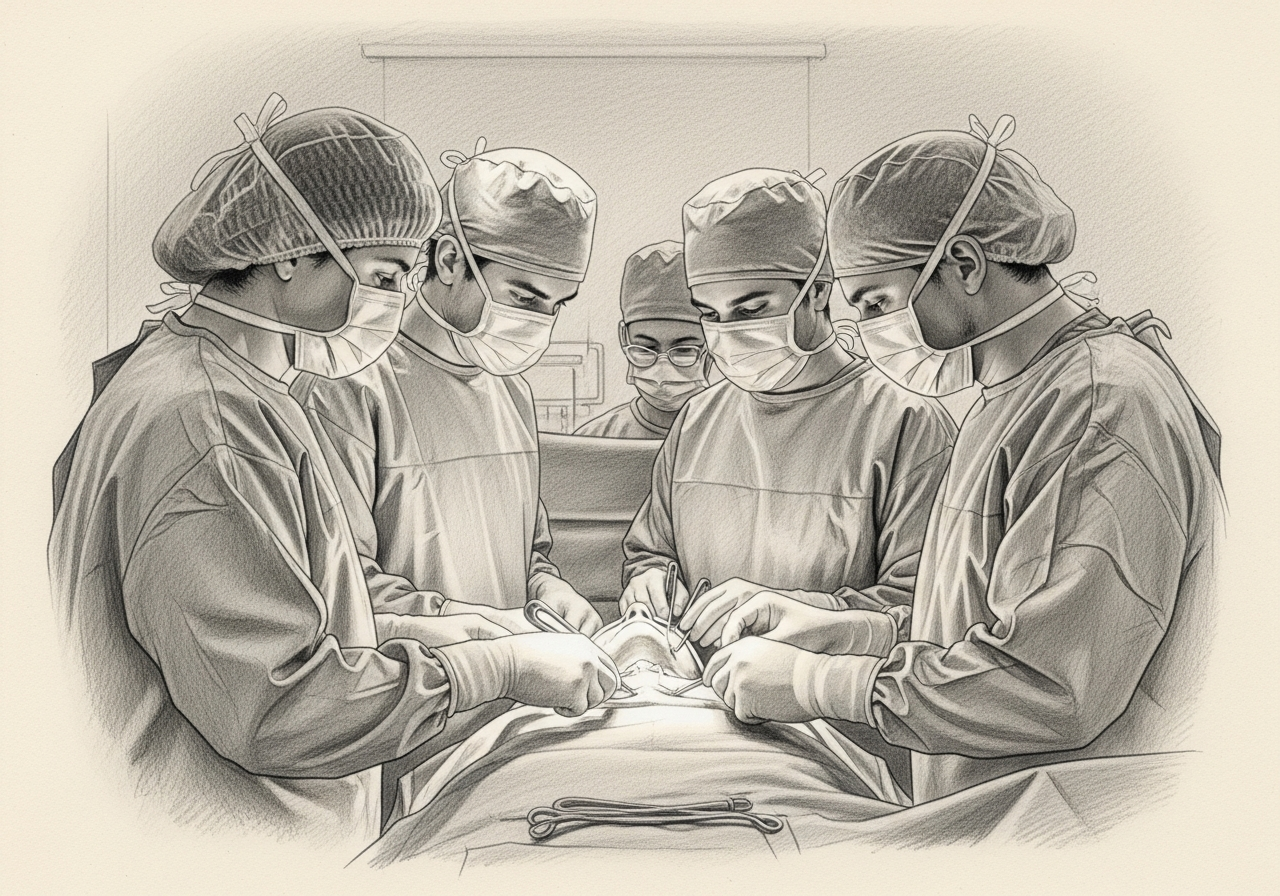
Surgery is performed under general anesthesia, through the mouth for smaller tumors and through combined approaches for larger ones. The surgeon removes the cancer with a margin of healthy tissue, and pathology may be checked during the operation to assess the margins.
When indicated, a neck dissection removes at-risk lymph nodes. Reconstruction ranges from primary closure or a skin graft to a free tissue transfer that rebuilds the tongue, floor of mouth, jaw, or cheek to support speech and swallowing.
Recovery and aftercare
Recovery varies with the extent of surgery. Small resections may heal with outpatient care and a soft diet, while larger operations may involve a hospital stay, temporary feeding support, and a tracheostomy in selected cases for airway safety during healing.
Speech and swallowing therapy is an important part of aftercare. Oral hygiene, wound care, nutrition support, and gradual diet advancement help recovery, and dental or prosthetic specialists may be involved when teeth or the jaw are affected.

Risks and alternatives
Risks depend on the procedure and may include bleeding, infection, changes in speech and swallowing, numbness, altered taste, dental and jaw effects, scarring, fistula, flap complications when reconstruction is used, and the possible need for additional treatment.
Alternatives or additions depend on stage and may include radiation, chemotherapy, or combined treatment. For many oral cavity cancers, surgery is the preferred initial treatment, but the plan is individualized with the cancer team.
Results and follow-up
Pathology defines the final stage and helps determine whether radiation or other treatment is recommended after surgery. The goal is complete removal of the cancer with the best achievable function.
Long-term follow-up includes surveillance examinations and imaging, ongoing speech and swallowing support, dental care, nutrition, and support for stopping tobacco and alcohol use, coordinated with oncology.
Clinical perspective
Our head and neck surgeons plan oral cavity surgery around complete removal with a clear margin while protecting the tongue, jaw, and the structures needed for speech and swallowing. Factors that shape the plan include tumor size, depth of invasion, location, bone involvement, lymph node status, prior treatment, and overall health. Depth of invasion in particular can influence whether the neck is treated, and final pathology guides any added radiation or chemotherapy. Reconstruction is planned together with removal so that function is restored as fully as possible. The right plan requires individualized specialist review.
What to bring to your consultation
For a focused review, gather prior imaging and reports, biopsy and pathology results, dental records when available, a current medication list, and a written timeline of symptoms and prior treatment. A consultation can clarify the diagnosis, the planned resection and reconstruction, the likely effects on speech and swallowing, and the steps needed before treatment. For urgent symptoms, follow the guidance above rather than using the routine form.
Medical review
This page is a patient-education resource reviewed by the responsible Norelle ENT clinician before publication. It does not replace an in-person evaluation. If symptoms are severe or rapidly worsening, seek immediate medical care.
Specialists who perform oral cancer surgery
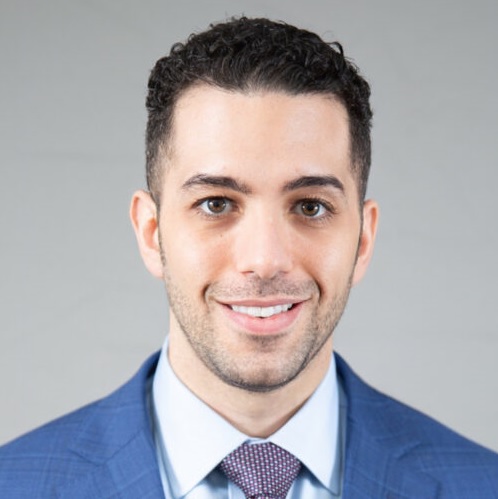
Dr. Moustafa Mourad
MD, FACS
Double Board-Certified Head & Neck and Facial Plastic & Reconstructive Surgeon
Dr. Moustafa Mourad is a double board-certified head and neck and facial plastic and reconstructive surgeon who cares for the full range of cosmetic and complex conditions affecting the face, head, and neck.
- Facial plastic and reconstructive surgery
- Head and neck cancer surgery
- Microvascular free-flap reconstruction
- Facial trauma and reconstruction
Also caring for this area

Not sure who to see? Our patient coordination team can help match you with the right specialist.
(212) 444-8006Norelle Academic Work
Research by Our Physicians
Selected scholarly work related to this topic.

Estimating survival after salvage surgery for recurrent oral cavity cancer
JAMA Otolaryngology–Head & Neck Surgery

Jaw in a Day: Immediate Dental Rehabilitation During Fibula Reconstruction of the Mandible
Facial Plastic Surgery
Flap Failure and Salvage in Head and Neck Reconstruction
Seminars in Plastic Surgery
Worldwide 10-Year Systematic Review of Treatment Trends in Fibula Free Flap for Mandibular Reconstruction
Journal of Oral and Maxillofacial Surgery
Free Flap Monitoring Techniques and Frequency in the Era of Restricted Resident Work Hours: Analysis of Outcomes
JAMA Otolaryngology–Head & Neck Surgery
Citation details link to the original PubMed, DOI, journal, or publisher record.
Explore all Norelle research on this topicFrequently Asked Questions
A clear margin means a rim of healthy tissue surrounds the removed cancer, lowering the chance that disease is left behind. Margins are checked by pathology and sometimes during surgery.
Depth of invasion measures how far a cancer extends beneath the surface. Greater depth can raise the risk of spread to neck lymph nodes and may influence whether the neck is treated.
It is surgery to remove cancer from the lips or inside of the mouth, along with a margin of healthy tissue, often combined with neck lymph node surgery and reconstruction to help preserve speech and swallowing.
It can, especially with larger tumors of the tongue or floor of the mouth. Reconstruction and speech and swallowing therapy are used to support recovery of function.
Often, yes. When lymph nodes are involved or at meaningful risk, a neck dissection is performed at the same time to treat and stage the disease.
It depends on the size of the area removed. Small areas may close directly or with a graft, while larger defects may need a flap or free tissue transfer to rebuild the area.
Pathology guides this. Some patients need radiation or chemotherapy after surgery based on tumor features, while others are treated with surgery alone.
Bring prior imaging, biopsy and pathology reports, a medication list, dental records if available, and a timeline of symptoms, which can prevent repeated testing.
Small resections may heal in weeks with outpatient care, while larger operations with reconstruction can involve a hospital stay and a longer rehabilitation period.
Yes. Stopping tobacco and limiting alcohol can support healing and reduce the risk of new or recurrent cancers, and the team can provide resources to help.
Clinical References
These independent resources from medical and professional organizations offer further reading. They are provided for general education and do not replace a consultation with a clinician.
Related Resources
Related Conditions

Related Procedures

Request a consultation about oral cancer surgery
Schedule a consultation with our team to discuss whether this procedure is the right option for you.