
About the Procedure
Tonsillectomy and adenoidectomy is the surgical removal of the tonsils and the adenoids, lymphoid tissues at the back of the throat and behind the nose. When these tissues are enlarged, they can obstruct the airway during sleep, causing snoring, restless sleep, and obstructive sleep apnea.
In children, enlarged tonsils and adenoids are the most common cause of sleep-disordered breathing, and their removal is often the first-line treatment. In selected adults with significant tonsil enlargement, the procedure can also help as part of a broader airway plan.
At Norelle ENT, the decision is based on the size of the tissues, the severity of the sleep-disordered breathing, and the overall airway picture. We discuss expected benefits and recovery so families and adult patients can make an informed choice.
Who may be a candidate
In children, enlarged tonsils and adenoids are the leading cause of sleep-disordered breathing, and removal is frequently the first-line treatment.
In adults, the procedure is considered when tonsils are significantly enlarged and contribute to obstruction, often as part of a broader airway evaluation. A sleep study may be obtained when the diagnosis or severity is uncertain.
Considering tonsillectomy and adenoidectomy for sleep-disordered breathing? The next step is a quiet, unhurried conversation.
How it is performed
Under general anesthesia, the tonsils are removed through the mouth, and the adenoids are removed from behind the nose. There are no external incisions.
Various techniques are used to remove or reduce the tissue and control bleeding. The procedure is usually outpatient, though young children, very young patients, or those with severe apnea may be observed overnight.
Recovery and aftercare
Throat pain is the main feature of recovery.
- Expect a sore throat, ear pain, and reduced appetite for one to two weeks
- Prioritize hydration and follow the pain-control plan
- Soft, cool foods are usually easier early on
- Avoid strenuous activity until cleared
- Watch for and promptly report any significant bleeding, which is uncommon but important

Risks and alternatives
Risks include throat pain, dehydration, and bleeding, which can occasionally occur up to about two weeks after surgery and rarely requires further treatment. Other uncommon risks include temporary voice or swallowing changes and anesthesia-related risks.
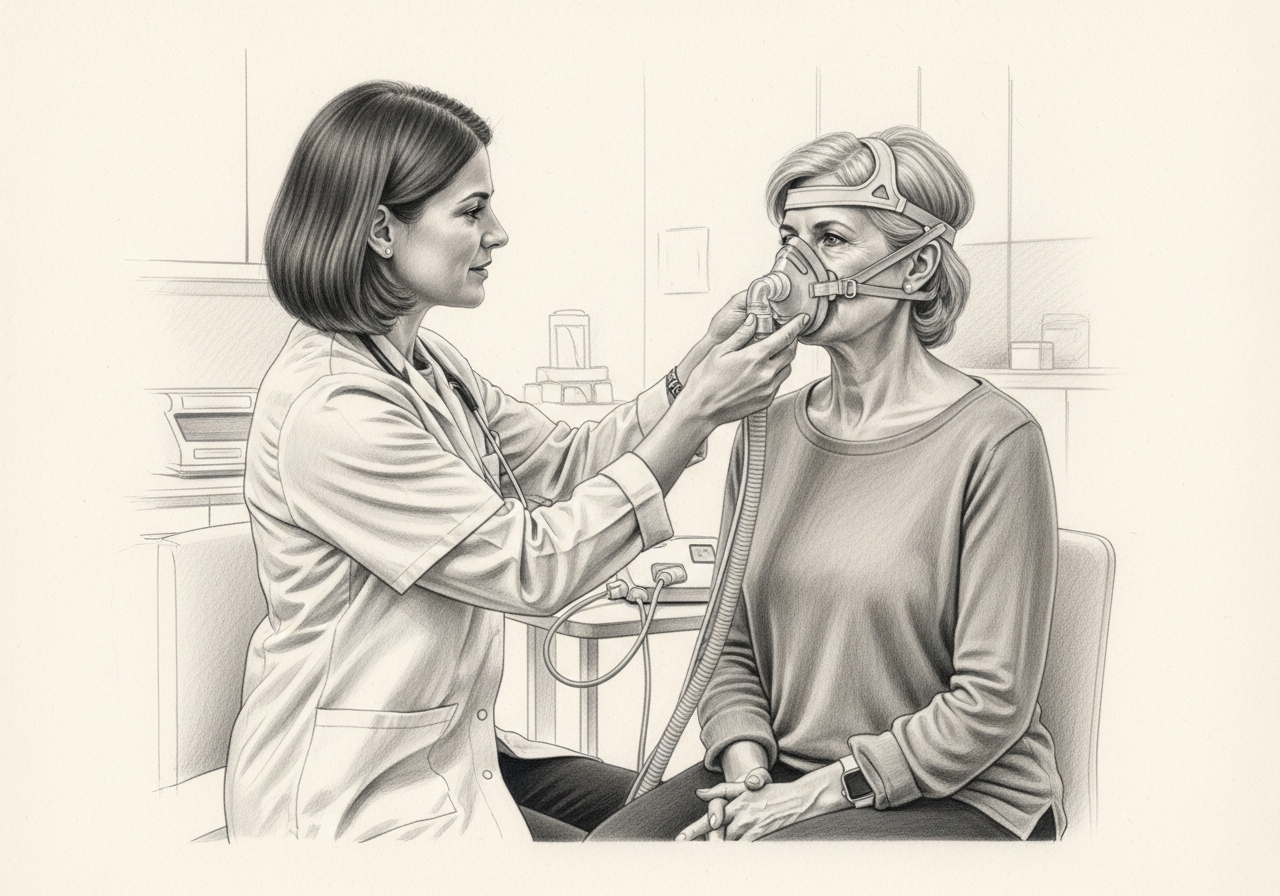
Alternatives depend on age and severity and may include watchful waiting for mild cases, nasal steroids for adenoid-related symptoms, CPAP, or other airway treatments when tonsils and adenoids are not the main problem.
Results and follow-up
In children, removing enlarged tonsils and adenoids often substantially improves or resolves sleep-disordered breathing. In adults, benefit depends on how much the tonsils contributed and whether other levels of collapse remain.
Follow-up confirms healing, and repeat sleep testing may be recommended for higher-risk patients or when symptoms persist after recovery.
Clinical references
- American Academy of Otolaryngology–Head and Neck Surgery (https://www.entnet.org)
Medical review
This page is a patient-education resource reviewed by the responsible Norelle ENT clinician before publication. It does not replace an in-person evaluation. If symptoms are severe or rapidly worsening, seek immediate medical care.
Specialists who perform tonsillectomy and adenoidectomy for sleep-disordered breathing

Dr. Adrian Ong
MD
Board-Certified Facial Plastic & Reconstructive and Head & Neck Surgeon
Dr. Adrian Ong is a board-certified surgeon who practices exclusively on the face, head, and neck, with expertise spanning rhinoplasty, sinus surgery, facial trauma, reconstruction, and sleep surgery.
- Functional and aesthetic rhinoplasty (including revision)
- Sinus surgery and complex revision sinus surgery
- Facial trauma and nasal fractures
- Head and neck cancer surgery and microvascular reconstruction
Also caring for this area

Not sure who to see? Our patient coordination team can help match you with the right specialist.
(212) 444-8006Frequently Asked Questions
When enlarged, these tissues block the airway during sleep, causing snoring, restless sleep, and obstructive sleep apnea. Removing them enlarges the airway and can relieve these symptoms.
It is the most common treatment for sleep-disordered breathing in children, but it can also help selected adults with significant tonsil enlargement as part of a broader airway plan.
A sleep study is not always required when tonsils and adenoids are clearly enlarged and symptoms are typical, but it may be obtained when the diagnosis or severity is uncertain or for higher-risk children.
Throat pain usually lasts one to two weeks. Many children return to school within one to two weeks, and adults often need a similar or slightly longer period away from work and exercise.
Bleeding is the most important risk and can occur up to about two weeks after surgery. Significant bleeding should prompt urgent medical attention.
In children, it often resolves sleep-disordered breathing caused by enlarged tissues. In adults, results depend on whether other areas of the airway also collapse.
For mild cases, watchful waiting or nasal steroids may be considered, and CPAP or other treatments are options when tonsils and adenoids are not the main cause.
Related Conditions

1 of 4 · Pediatric Sleep Apnea
Related Procedures

Request a consultation about tonsillectomy and adenoidectomy for sleep-disordered breathing
Schedule a consultation with our team to discuss whether this procedure is the right option for you.