

Facial Plastics and Reconstructive Surgery
Functional and aesthetic surgery of the nose, eyelids, and face, facial reconstruction, and facial nerve and paralysis care.
Overview
Reasons for facial plastic and reconstructive surgery range from trauma and skin cancer to aging and facial nerve conditions. Our surgeons focus on natural-looking, function-preserving results tailored to each patient's facial anatomy, including the evaluation and treatment of facial paralysis.
The Facial Plastics and Reconstructive Surgery division at Norelle Health in New York City focuses on restoring facial function, protection, symmetry, and appearance after nerve injury, cancer surgery, trauma, scarring, or anatomic change. Alongside aesthetic procedures such as rhinoplasty, eyelid surgery, brow lift, and facelift, the division provides reconstructive care for patients dealing with facial paralysis, difficulty closing the eye, brow droop, facial asymmetry, Mohs and skin cancer defects, nasal reconstruction, facial trauma, and scar revision. Many reconstructive patients are asking not only whether a wound can be closed but whether they will still look like themselves, whether their eye will be protected, and whether they can smile again. Timing matters: facial paralysis treatment depends on the duration, cause, nerve viability, and risk to the eye; Mohs reconstruction depends on defect size, location, depth, and tissue quality; and scar revision depends on scar maturity, tension, and whether nonsurgical options such as silicone, steroid injection, or laser may help. Treatment options range from physical therapy and BOTOX to nerve transfer and muscle transfer (reanimation) surgery, along with free tissue transfer and eyelid procedures that protect and restore eye function.
Areas of Focus
- Rhinoplasty, eyelid surgery, brow lift, and facelift
- Reconstruction after skin cancer removal and facial trauma
- Facial nerve evaluation and facial reanimation surgery
- Eyelid procedures to protect and restore eye function
Specialists
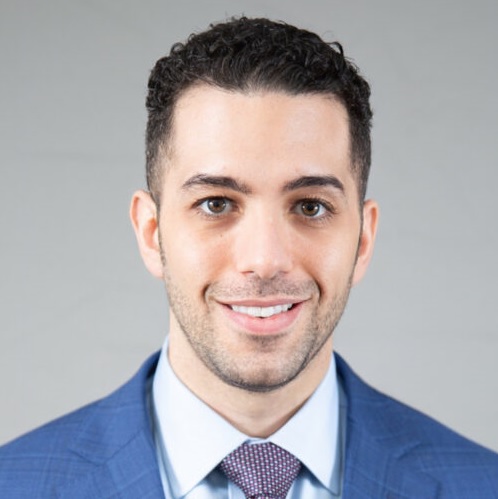



Need guidance?
Our patient coordination team is available to answer questions and schedule your evaluation with the right specialist.
Contact UsFacial Paralysis and Reanimation
Evaluation and treatment of facial nerve weakness, from physical therapy to nerve and muscle transfer.

1 of 20 · Facial Paralysis
Facial Paralysis
Facial paralysis affects eye closure, smile, speech, eating, and symmetry. Care is individualized and focused on protecting the eye, identifying the cause, and restoring function.
ConditionBell's Palsy
Bell's palsy is sudden, usually one-sided facial weakness caused by inflammation of the facial nerve, often with incomplete eye closure and a drooping mouth that frequently improves over weeks to months.
ConditionSynkinesis
Synkinesis is unwanted, involuntary facial movement, such as the eye narrowing when smiling, that can develop months after facial nerve injury as nerves heal along mismatched pathways.
ConditionBilateral Facial Paralysis
Bilateral facial paralysis is weakness of both sides of the face at once, an uncommon pattern that often signals an underlying systemic, neurologic, or infectious condition requiring careful evaluation.
ConditionCongenital Facial Paralysis
Congenital facial paralysis is facial weakness present from birth, caused by underdevelopment or injury of the facial nerve or muscles, which can affect eye closure, feeding, and the ability to smile.
ConditionFacial Paralysis After Stroke
Facial weakness after a stroke affects movement on one side of the face and can change the smile, speech, and eating; rehabilitation and selected procedures may help restore function and symmetry.
ConditionRamsay Hunt Syndrome
Ramsay Hunt syndrome is facial paralysis caused by reactivation of the varicella-zoster (shingles) virus near the facial nerve, often with a painful ear rash and hearing or balance symptoms.
ConditionFacial Schwannoma
A facial schwannoma is a rare, usually benign tumor that grows from the sheath of the facial nerve and can cause gradual facial weakness, twitching, or hearing changes depending on its location.
ConditionVestibular Schwannoma-Related Facial Weakness
This refers to facial weakness associated with a vestibular schwannoma (acoustic neuroma) or its treatment, since the tumor lies near the facial nerve as it passes through the skull base.
ProcedureFacial Nerve Repair
Facial nerve repair refers to surgical techniques used to restore continuity or input to the facial nerve after injury, with the goal of recovering facial movement and protecting the eye.
ProcedureCross-Face Nerve Graft
A cross-face nerve graft borrows signals from working facial nerve branches on the healthy side of the face, routing them across to the paralyzed side to support a more spontaneous, natural smile.
ProcedureHypoglossal to Facial Nerve Transfer
A hypoglossal-to-facial nerve transfer reroutes part of the tongue's nerve to the facial nerve to restore facial muscle tone and movement when the facial nerve is injured but the facial muscles are still healthy.
ProcedureMasseter to Facial Nerve Transfer
A masseter-to-facial nerve transfer connects the chewing-muscle nerve to the facial nerve to restore smile movement in facial paralysis when the facial muscles are still healthy.
ProcedureGracilis Free Tissue Transfer
Gracilis free tissue transfer is a microsurgical procedure that moves a small segment of thigh muscle to the face to restore the ability to smile in long-standing or complete facial paralysis.
ProcedureTemporalis Tendon Transfer
Temporalis tendon transfer repurposes the temporalis chewing muscle to restore a dynamic smile in established facial paralysis when the facial nerve cannot be repaired.
ProcedureStatic Suspension
Static suspension uses a graft or suture sling to lift and reposition sagging facial structures in facial paralysis, improving symmetry at rest without restoring movement.
ProcedureSelective Denervation
Selective denervation is a surgical treatment for facial synkinesis that interrupts overactive nerve branches to relax specific muscles and improve facial balance and movement.
ProcedureBotox for Facial Paralysis
Botulinum toxin (Botox) for facial paralysis uses small, targeted injections to relax overactive or tight muscles, ease synkinesis, and improve facial symmetry at rest and with movement.
ProcedureFillers for Facial Paralysis
Fillers for facial paralysis use injectable soft-tissue fillers to improve facial symmetry at rest by adding volume or balancing contours affected by facial nerve weakness.
ProcedureFacial Physical Therapy
Facial physical therapy, also called facial neuromuscular retraining, is a nonsurgical, exercise-based program that helps people with facial paralysis or synkinesis improve movement, symmetry, and control.
Nose and Breathing
Functional and aesthetic nasal surgery and the structural causes of nasal obstruction.

1 of 12 · Deviated Septum
Deviated Septum
A deviated septum is one of several structural or inflammatory causes of nasal obstruction, each identified so treatment targets the real source.
ConditionBroken Nose
A nasal fracture can affect appearance, breathing or both; early assessment checks for displacement, septal injury and a septal hematoma.
ConditionNasal Valve Collapse
The nasal valve is the narrowest part of the nasal airway, where weakness, scarring or narrowing can cause obstruction that often worsens with breathing.
ConditionTurbinate Hypertrophy
Enlarged inferior turbinates can contribute to chronic nasal blockage; treatment aims to reduce excess bulk while preserving normal function.
ConditionNasal Septal Perforation
A septal perforation is an opening through the wall between the nasal passages; not every perforation causes symptoms or requires surgery.
ProcedureFunctional Septorhinoplasty
Functional septorhinoplasty is a single operation that addresses the structures controlling nasal breathing — the septum, the nasal valves, the turbinates, and the cartilage framework — and, when desired, the external shape of the nose. It is planned around how the nose works, not appearance alone.
ProcedureRhinoplasty
Rhinoplasty reshapes the nose to change its appearance, improve nasal breathing, or both, with a plan tailored to your anatomy and goals.
ProcedureRevision Rhinoplasty
Revision rhinoplasty addresses breathing problems or appearance concerns that remain or develop after a previous nose surgery, often using grafts to rebuild support.
ProcedureSeptoplasty
Septoplasty is a surgical procedure that straightens a deviated nasal septum to improve airflow when a crooked or displaced septum blocks breathing through the nose.
ProcedureTurbinoplasty
Turbinoplasty reduces or reshapes enlarged nasal turbinates to improve airflow while preserving the turbinate's role in warming and humidifying the air.
ProcedureNasal Septal Perforation Surgery
Nasal septal perforation surgery repairs a hole in the nasal septum to relieve crusting, bleeding, whistling, and congestion and to restore the septal lining.
ProcedureNostril Reduction
Nostril reduction, or alar base reduction, narrows wide or flared nostrils and refines the base of the nose, often as part of or after rhinoplasty.
Eyelid and Periocular Surgery
Procedures that protect, position, and restore the function and appearance of the eyelids.

Ptosis
Ptosis is drooping of the upper eyelid that can affect appearance and, when the eyelid covers part of the pupil, the upper field of vision.
ConditionEctropion
Ectropion is an outward turning of the lower eyelid that pulls it away from the eye, causing tearing, irritation, dryness, and exposure of the eye surface.
ConditionEntropion
Entropion is an inward turning of the eyelid that causes the lashes and lid skin to rub against the eye, leading to irritation, tearing, and, if untreated, possible damage to the cornea.
ConditionLower Eyelid Retraction
Lower eyelid retraction is a downward pull of the lower eyelid that exposes more of the white of the eye, leaving the eye surface dry and irritated and sometimes affecting comfort and appearance.
ConditionPuffy Eyelids
Puffy eyelids describe fullness or swelling of the upper or lower lids, often from excess skin, prolapsing fat, fluid, or allergy rather than a single cause.
ProcedureBlepharoplasty
Blepharoplasty is eyelid surgery that removes or repositions excess skin, muscle, or fat from the upper or lower eyelids to address heaviness, puffiness, or a tired appearance, and in some cases to improve a visual field limited by drooping skin.
ProcedurePtosis Surgery
Ptosis surgery lifts a drooping upper eyelid by tightening or repositioning the muscle that raises the lid, improving eyelid position and, when vision is affected, the field of view.
ProcedureEctropion Surgery
Ectropion surgery repositions a lower eyelid that turns outward, restoring normal contact with the eye to relieve tearing, irritation, and dryness and to help protect the eye surface.
ProcedureEntropion Surgery
Entropion surgery repositions a lower eyelid that turns inward, stopping the lashes and skin from rubbing against the eye to relieve irritation and help protect the cornea.
ProcedureLower Eyelid Retraction Surgery
Lower eyelid retraction surgery raises and supports a lower eyelid that sits too low or pulls away from the eye, improving eye closure, comfort, and protection of the eye surface.
ProcedureUpper Eyelid Weight Surgery
Upper eyelid weight surgery places a small gold or platinum implant in the upper eyelid to help it close in facial paralysis, protecting the eye when blinking is impaired.
Facial Rejuvenation and Contouring
Surgery that addresses facial laxity, aging, and lower-face contour.

Facial Laxity
Facial laxity is the gradual loosening and descent of facial skin and soft tissue with age, which can soften the jawline, deepen folds, and contribute to a tired or heavy appearance.
ConditionChin Dimpling
Chin dimpling is the pebbled or orange-peel texture and puckering of the chin that appears when the mentalis muscle is overactive or the chin skin and soft tissue change over time.
ProcedureFacelift
Facelift, or rhytidectomy, is a surgical procedure that repositions and tightens the deeper tissues of the lower face and neck to reduce sagging and restore a more rested facial contour.
ProcedureBrowlift
A brow lift raises and stabilizes a low or heavy eyebrow position to open the upper eye, reduce forehead heaviness, and create a more rested appearance.
ProcedureMentalis Resection
Mentalis resection is a procedure that weakens or partially removes the mentalis muscle of the chin to reduce chin dimpling, puckering, or excessive muscle activity.
Skin Cancer Reconstruction and Trauma
Reconstruction after Mohs and skin cancer removal, facial fractures, and scarring.

Facial Tumors
Facial tumors are growths of the skin and soft tissues of the face that may be benign or cancerous; evaluation aims to determine the diagnosis and to plan treatment that preserves function and appearance.
ConditionFacial Trauma
Facial trauma includes injuries to the soft tissue and bones of the face from falls, sports, assaults, or accidents, ranging from cuts and nasal fractures to complex injuries that affect breathing, vision, or the bite.
ProcedureMohs Reconstruction
Mohs reconstruction restores facial form and function after skin cancer removal, with planning focused on the defect, surrounding tissue, scar placement, and function such as eyelid closure and nasal breathing.
ProcedureFacial Fracture Repair
Facial fracture repair is surgery to realign and stabilize broken bones of the face, such as the nose, cheek, eye socket, or jaw, to restore facial structure, function, and appearance.
ProcedureFree Grafts
A free graft transfers skin, cartilage, or composite tissue from one part of the body to reconstruct a facial defect, restoring coverage, contour, and support after skin cancer removal, trauma, or prior surgery.
ProcedureScar Revision
Scar revision improves the appearance of a scar—from surgery, injury, or skin cancer removal—by repositioning, resurfacing, or refining it to blend with surrounding skin.
