
Overview
Turbinates are normal structures along the nasal sidewall that warm, humidify and filter inhaled air. They normally swell and shrink during the nasal cycle. When inferior turbinates remain enlarged, they can contribute to chronic blockage.
Treatment should preserve normal turbinate function. The goal is not to remove the turbinates, but to reduce excessive bulk while maintaining healthy lining.
Why turbinates enlarge
- Allergic or nonallergic rhinitis
- Compensatory enlargement opposite a deviated septum
- Medication-related rebound congestion
- Chronic inflammation
- Normal nasal-cycle variation that becomes symptomatic
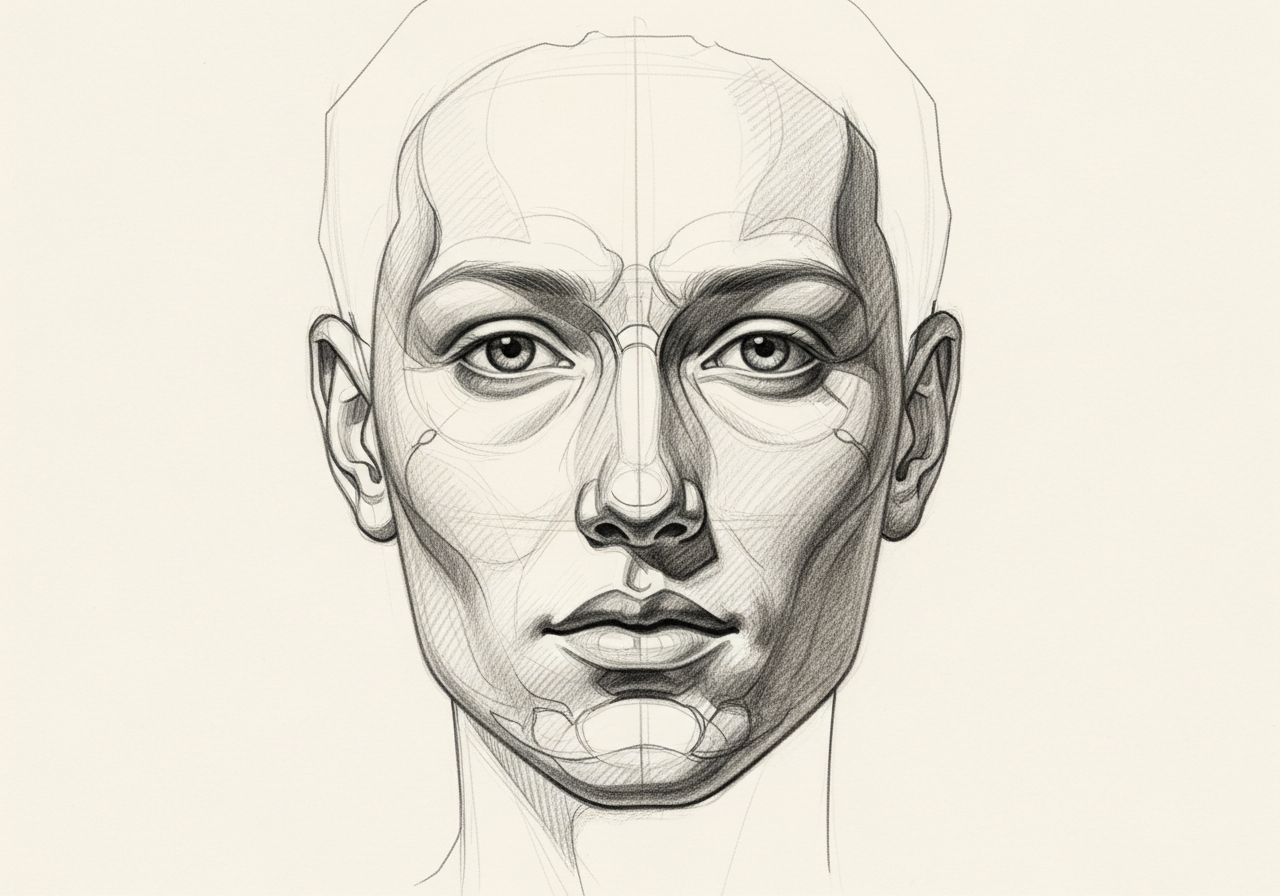
Living with turbinate hypertrophy? The next step is a quiet, unhurried conversation.
How evaluation should work
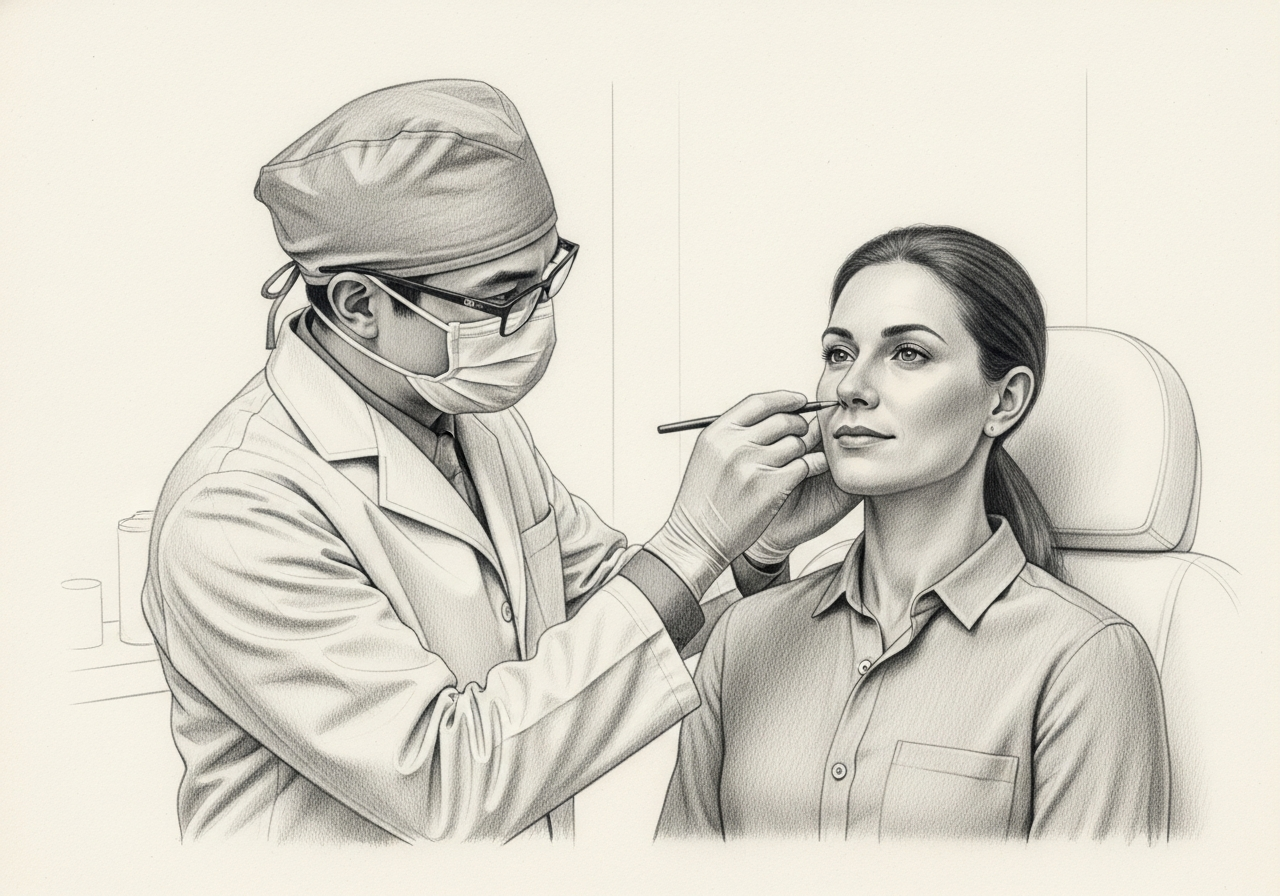
Examination before and after decongestion helps estimate reversible swelling. The septum and nasal valve should also be checked so a turbinate procedure is not used to treat the wrong structure.
Endoscopy may be used when deeper obstruction, polyps or sinus disease is suspected.
Treatment considerations
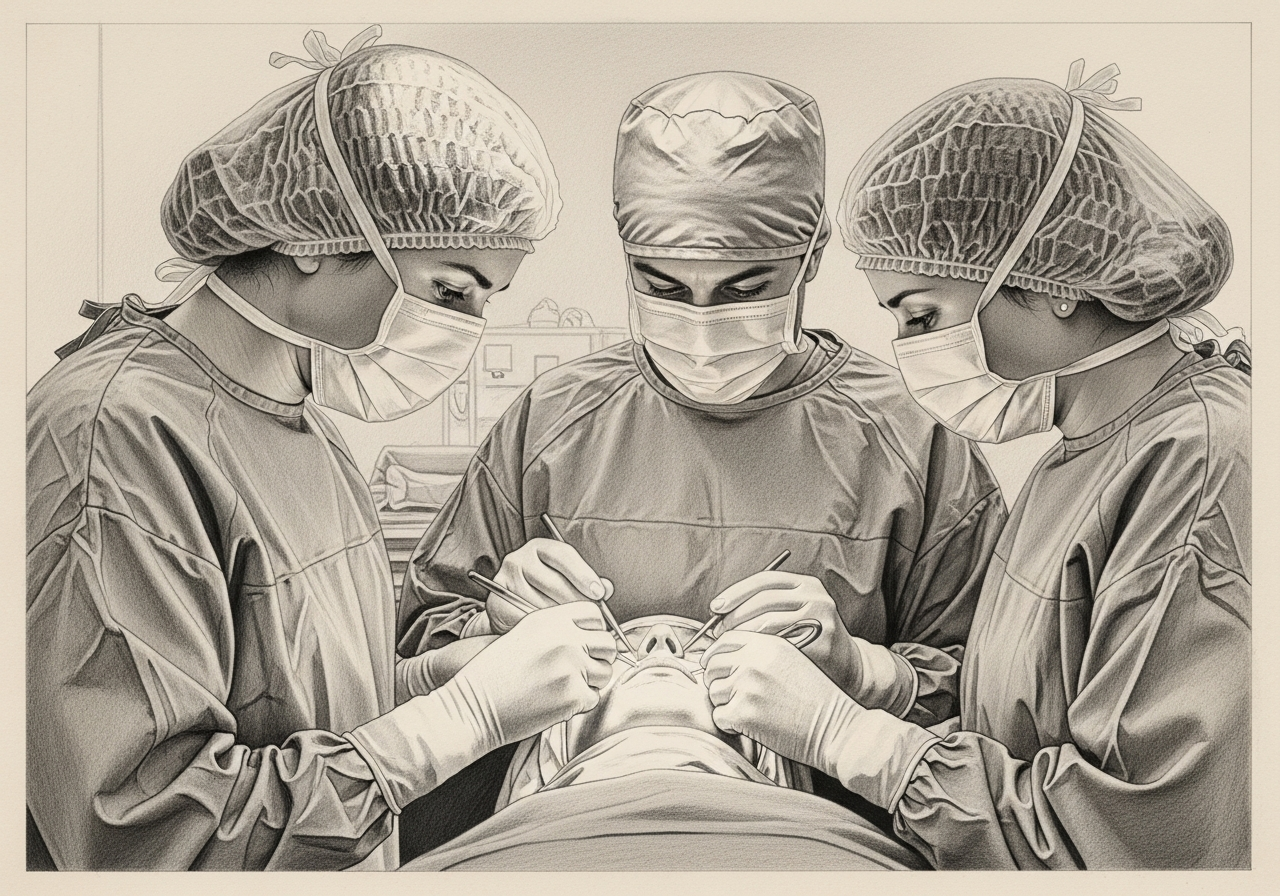
Turbinate reduction can be performed with several techniques, some office-based and some performed in an operating room, with the choice matched to the patient.
The goal is to balance improved airflow with preservation of the tissue the nose needs to humidify and filter air.
Recovery and follow-up
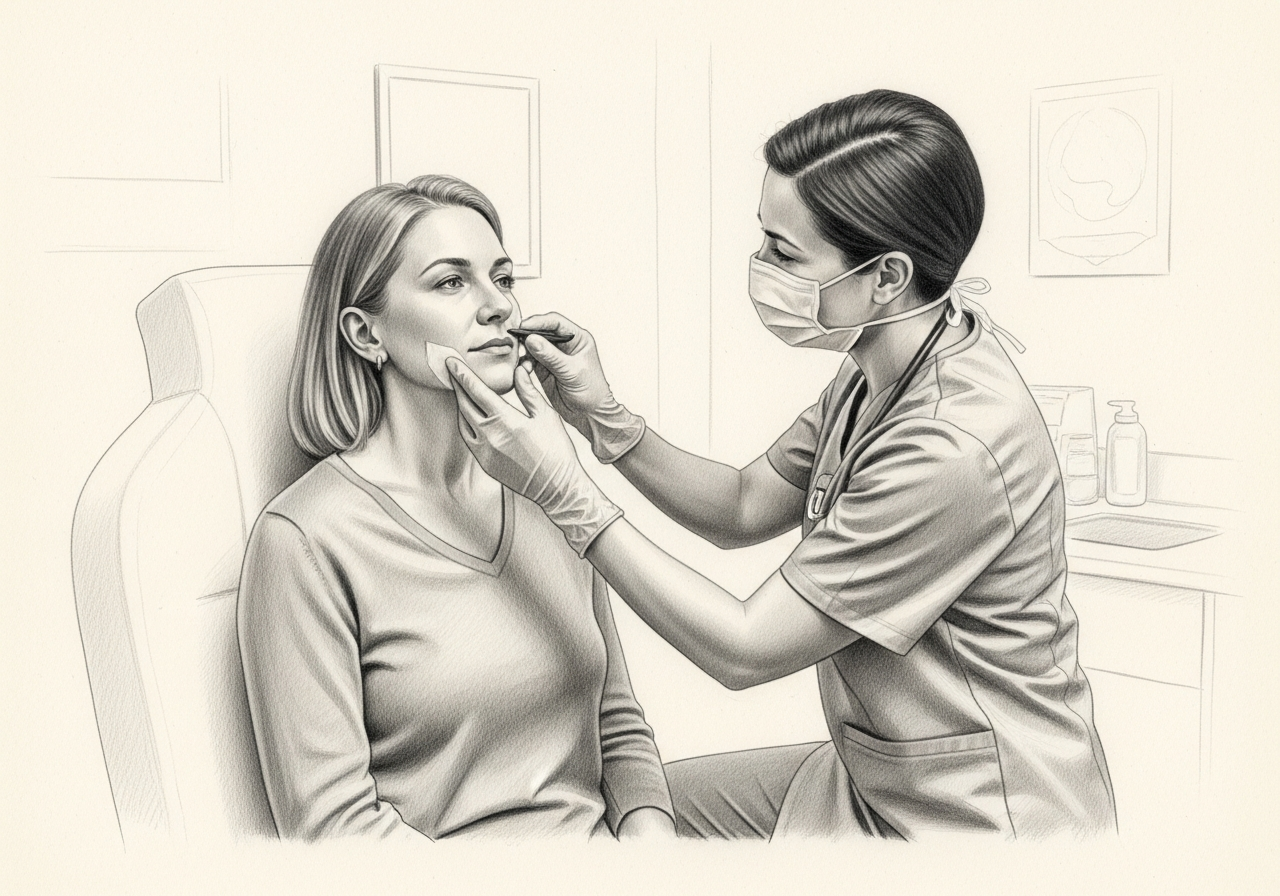
Temporary swelling and crusting are common after a procedure.
Saline and follow-up help the lining heal.
Risks, limits and safety
- Bleeding, crusting, dryness or scar tissue
- Persistent obstruction
- Over-reduction and chronic dryness
- Need to treat another source of blockage
Individual risk depends on anatomy, prior treatment, disease severity and overall health, and an in-person consent discussion remains essential. Urgent symptoms should be directed to emergency care rather than an online consultation form.
Suggested next step
A consultation should focus on confirming the diagnosis, reviewing prior treatment and imaging, discussing reasonable alternatives and defining what improvement is realistic. Patients with severe breathing difficulty, uncontrolled bleeding, sudden vision change, neurologic symptoms, fever with neck stiffness, or another emergency should seek urgent medical care.
Medical review
This page is a patient-education resource reviewed by the responsible Norelle ENT clinician before publication. It does not replace an in-person evaluation. If symptoms are severe or rapidly worsening, seek immediate medical care.
Specialists who treat turbinate hypertrophy
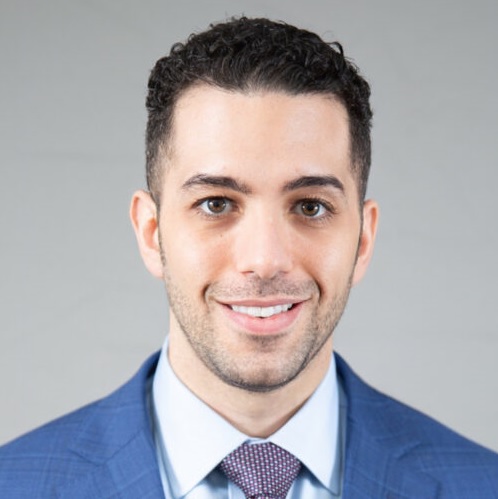
Dr. Moustafa Mourad
MD, FACS
Double Board-Certified Head & Neck and Facial Plastic & Reconstructive Surgeon
Dr. Moustafa Mourad is a double board-certified head and neck and facial plastic and reconstructive surgeon who cares for the full range of cosmetic and complex conditions affecting the face, head, and neck.
- Facial plastic and reconstructive surgery
- Head and neck cancer surgery
- Microvascular free-flap reconstruction
- Facial trauma and reconstruction
Also caring for this area
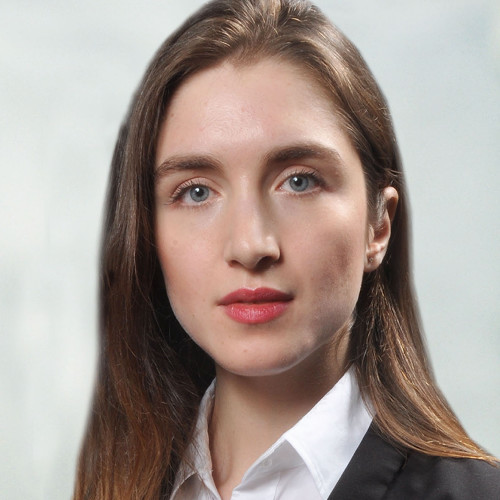
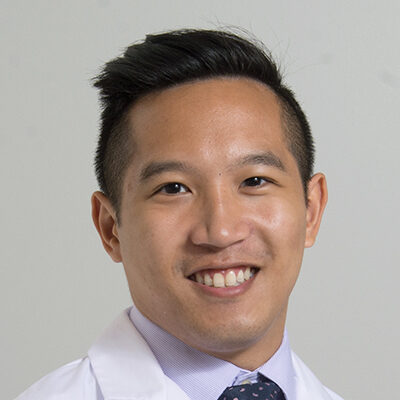
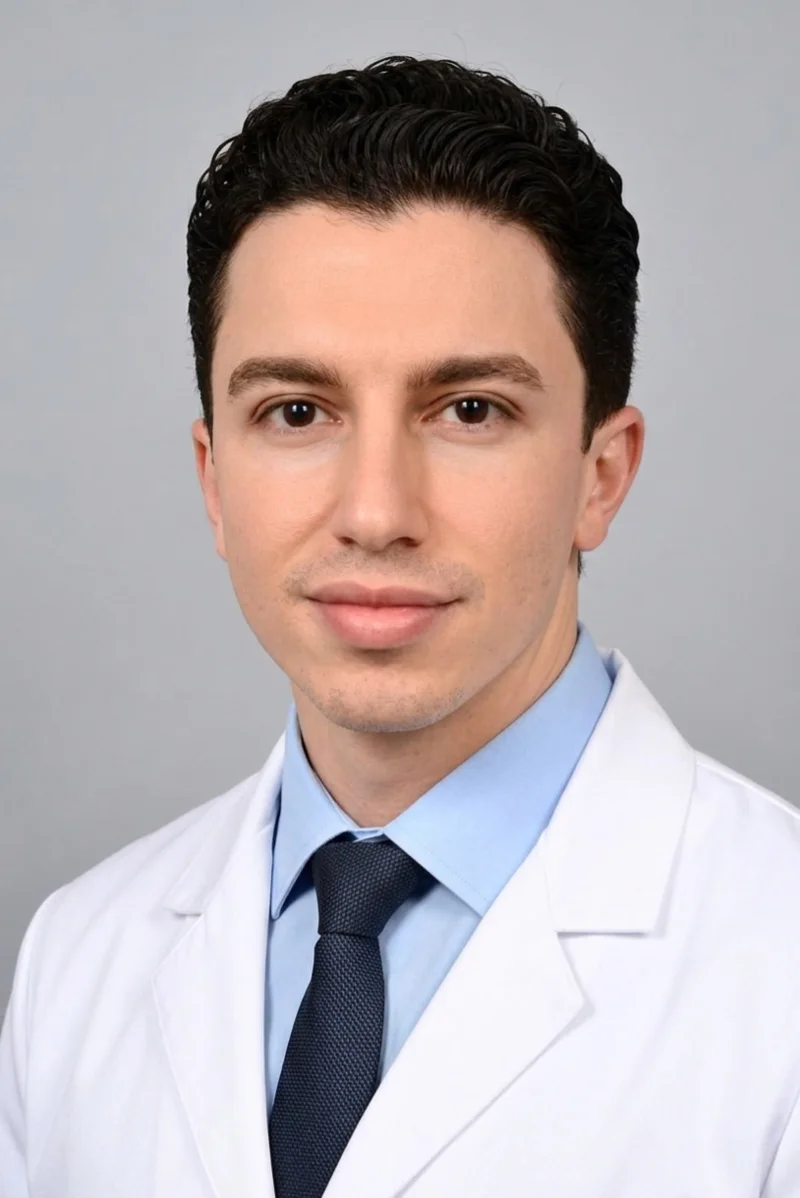

Not sure who to see? Our patient coordination team can help match you with the right specialist.
(212) 444-8006Frequently Asked Questions
No. Turbinates are normal structures that can enlarge; polyps are inflammatory growths.
Inflammatory swelling can recur if rhinitis remains active.
No. The plan depends on which structures contribute.
Improved airflow while preserving tissue needed to humidify and filter air.
Clinical References
These independent resources from medical and professional organizations offer further reading. They are provided for general education and do not replace a consultation with a clinician.
Related Procedures

1 of 3 · Turbinoplasty

Request a consultation for turbinate hypertrophy
Schedule an evaluation with our team to review your symptoms and the appropriate next steps.