
About the Procedure
A brow lift, also called a forehead lift, repositions the eyebrows and forehead tissues that descend with age or, in some cases, because of facial nerve weakness. A low brow can make the upper eyelids look heavy, contribute to a tired or stern expression, and push extra skin onto the eyelids.
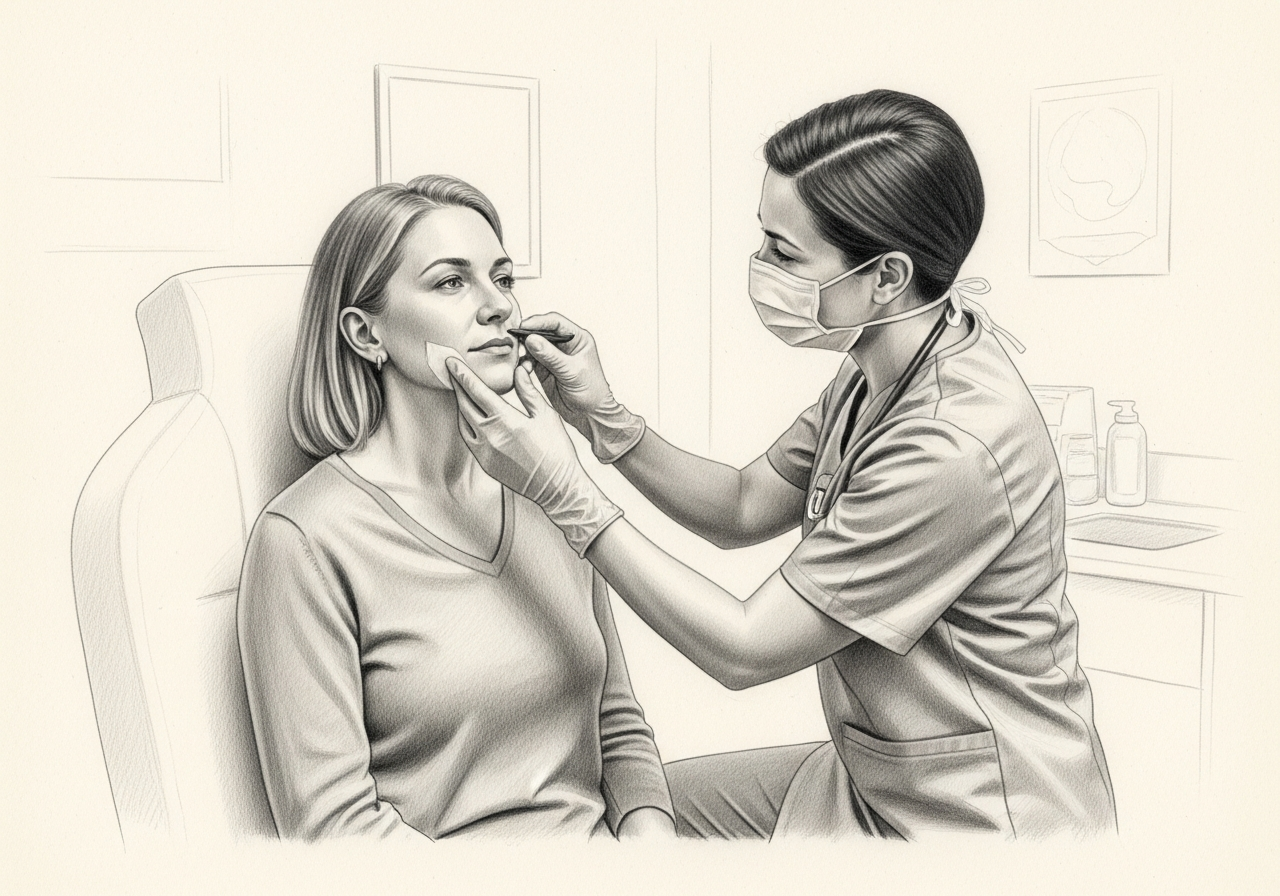
Because a sagging brow and excess eyelid skin can look similar, evaluation determines whether a brow lift, eyelid surgery, or a combination best addresses the concern. Treating only the eyelids when the brow is low can leave the result incomplete.
At Norelle ENT, brow lift planning focuses on a natural, balanced position rather than a surprised or overly elevated look, and it accounts for forehead height, hairline, and eyebrow shape.
Who may be a candidate
A brow lift may be considered for people who have:
- A low or heavy brow that crowds the upper eyelids
- A tired, heavy, or stern resting expression
- Brow asymmetry, including drooping from facial nerve weakness
- Forehead heaviness that adds to upper eyelid fullness
Evaluation clarifies whether the brow, the eyelid skin, or both are responsible, since correcting only one can leave a partial result.
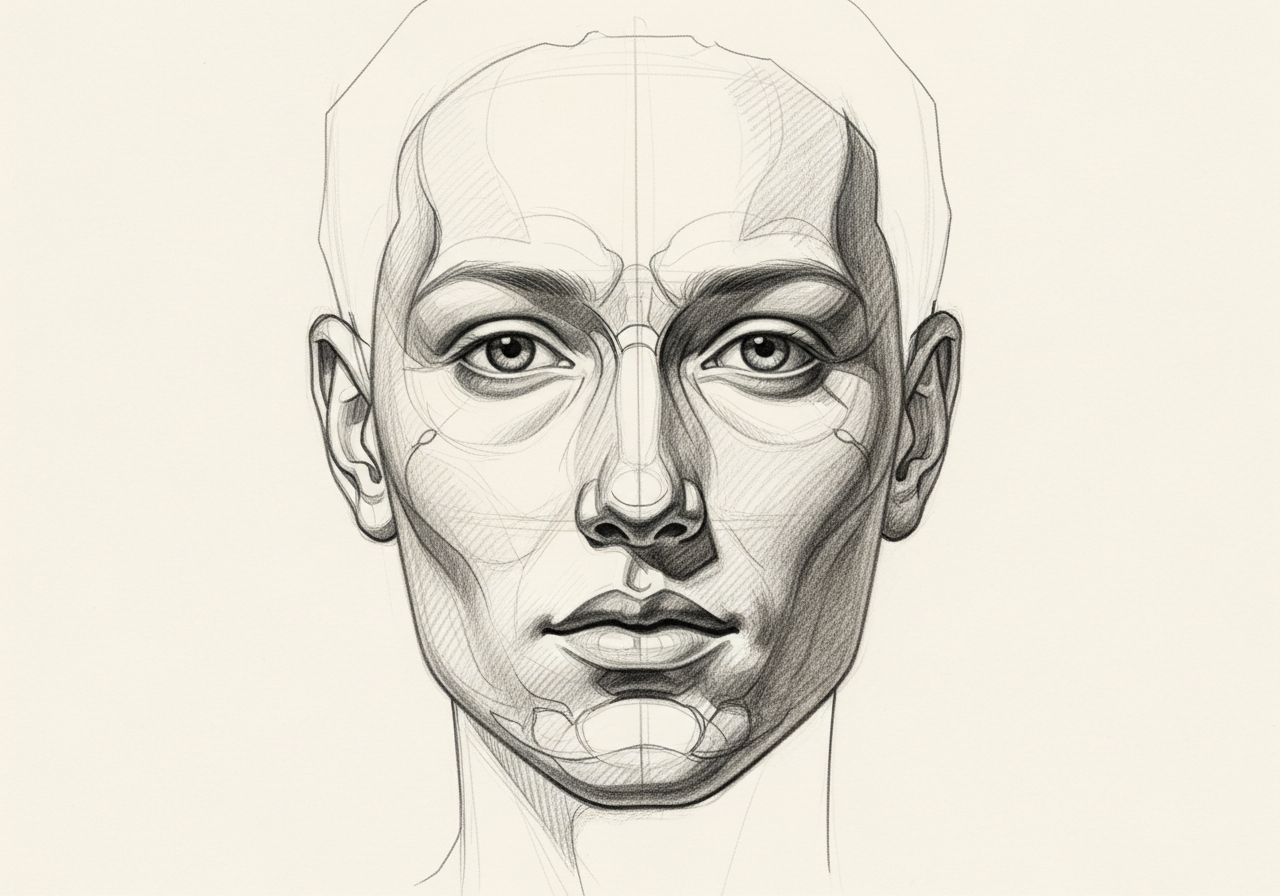
Considering browlift? The next step is a quiet, unhurried conversation.
How it is performed
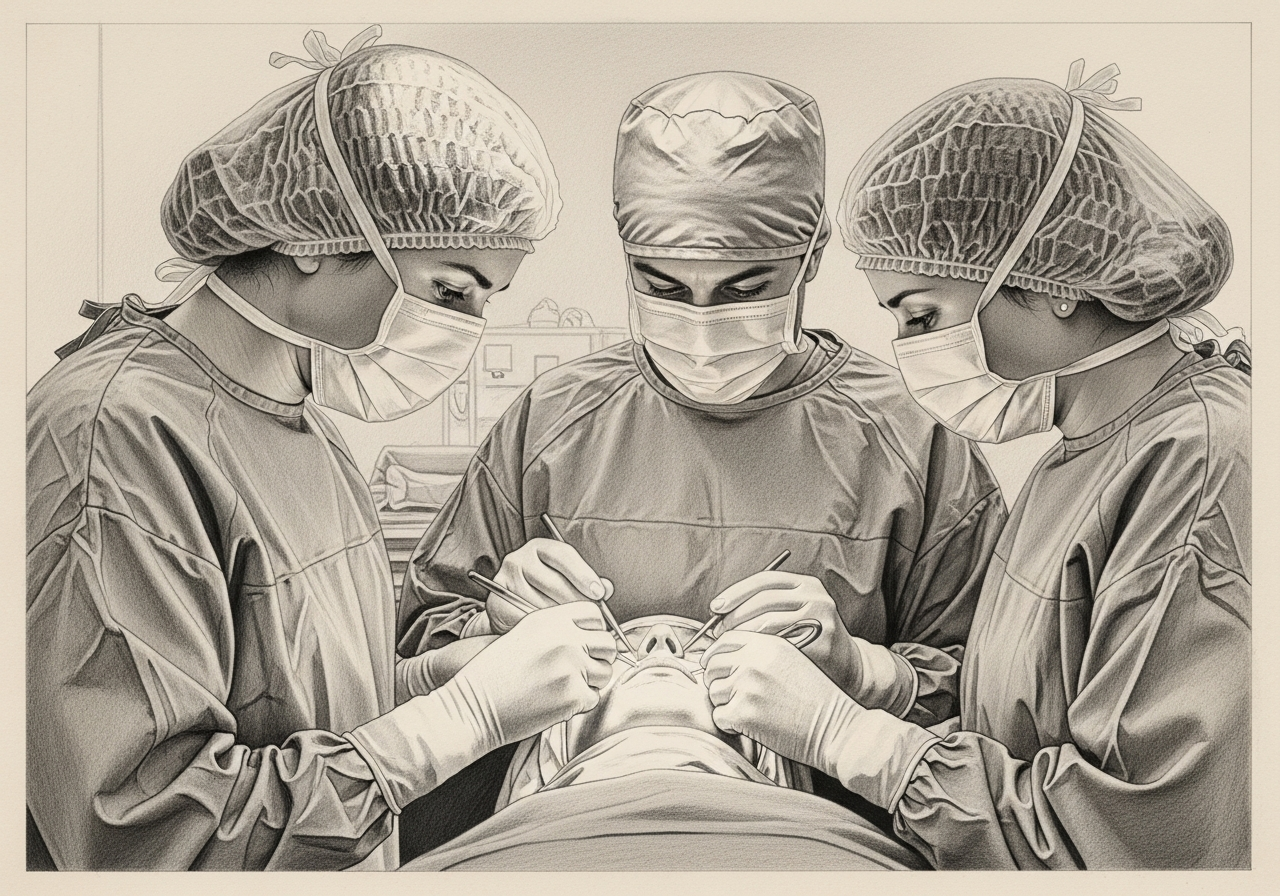
Several techniques exist. An endoscopic brow lift uses small incisions hidden in the hairline and a camera to reposition and secure the brow. Other approaches place incisions at the hairline or in a forehead crease, and a direct brow lift just above the brow is sometimes used for facial nerve-related drooping.
The method is chosen based on brow position, forehead height, hairline, and goals. It may be performed under local anesthesia with sedation or under general anesthesia, often as an outpatient procedure.
Recovery and aftercare
Early recovery involves forehead and eye-area swelling and bruising, eased by keeping the head elevated. Temporary numbness, tightness, or itching of the forehead and scalp is common and improves over weeks.
Many people return to light activity within one to two weeks. Strenuous exercise and heavy lifting are limited until cleared.
Risks and alternatives
Possible risks include bruising, swelling, temporary or, rarely, longer-lasting numbness, changes in hairline position, scarring, asymmetry, and, uncommonly, weakness of the muscles that raise the brow.
Alternatives include upper eyelid surgery alone, nonsurgical options such as botulinum toxin to soften brow position in selected cases, or observation. The right choice depends on whether the brow or the eyelid is the main problem.
Results and follow-up
The goal is a natural, refreshed brow position that balances the upper face, not an overly raised look. Results are typically long lasting, although the forehead continues to age gradually.
Follow-up visits monitor healing, brow position, and symmetry, and any additional steps are discussed if needed.
Clinical references
Medical review
This page is a patient-education resource reviewed by the responsible Norelle ENT clinician before publication. It does not replace an in-person evaluation. If symptoms are severe or rapidly worsening, seek immediate medical care.
Specialists who perform browlift
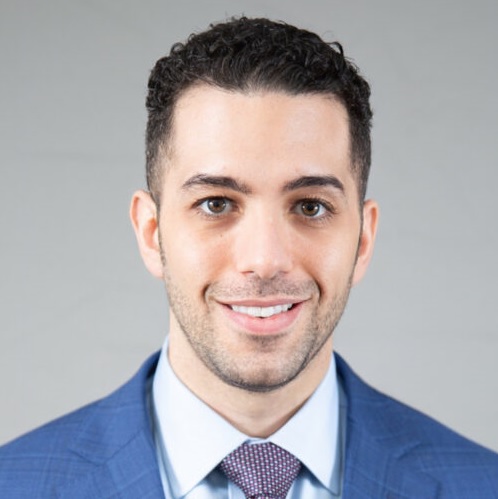
Dr. Moustafa Mourad
MD, FACS
Double Board-Certified Head & Neck and Facial Plastic & Reconstructive Surgeon
Dr. Moustafa Mourad is a double board-certified head and neck and facial plastic and reconstructive surgeon who cares for the full range of cosmetic and complex conditions affecting the face, head, and neck.
- Facial plastic and reconstructive surgery
- Head and neck cancer surgery
- Microvascular free-flap reconstruction
- Facial trauma and reconstruction
Also caring for this area

Not sure who to see? Our patient coordination team can help match you with the right specialist.
(212) 444-8006Frequently Asked Questions
A brow lift raises a low or heavy eyebrow, while eyelid surgery treats excess skin or fat of the eyelids themselves. Because they can look similar, they are sometimes done together.
The aim is a natural, balanced position rather than an overly raised or surprised look. Planning accounts for brow shape, forehead height, and hairline to keep the result natural.
Yes. It is commonly combined with upper eyelid surgery, and sometimes with a facelift, because these areas work together to frame the eyes and upper face.
Depending on the technique, incisions may be hidden in the hairline (endoscopic), placed at the hairline or in a forehead crease, or located just above the brow for certain nerve-related cases.
Yes. A brow lift, often a direct technique, can raise a brow that has dropped because of facial nerve weakness and help open the eye and improve symmetry.
Swelling and bruising are most noticeable for one to two weeks. Many people return to light activity in that time, with strenuous exercise limited a little longer.
Temporary numbness, tightness, or itching of the forehead and scalp is common and usually improves over weeks, though it occasionally lasts longer.
Results are typically long lasting, although the brow and forehead continue to age gradually over the years.
Related Conditions
Related Procedures

Request a consultation about browlift
Schedule a consultation with our team to discuss whether this procedure is the right option for you.