
About the Procedure
Vidian neurectomy is a more invasive nerve procedure reserved for selected severe, treatment-resistant rhinitis. Because the vidian nerve also contributes to tear production, this page explains dry-eye risk, ophthalmic considerations, less invasive alternatives, and the high bar for candidacy.
What this evaluation should clarify
A focused evaluation should help you understand a few key decisions:
- Whether the underlying diagnosis and treatment goal are established with the right examination, imaging, testing, or pathology
- How this option compares with continued medical care, a different procedure, observation, or referral to another specialty
- Which anatomy, prior treatment, comorbidities, benefits, risks, and recovery requirements change the recommendation
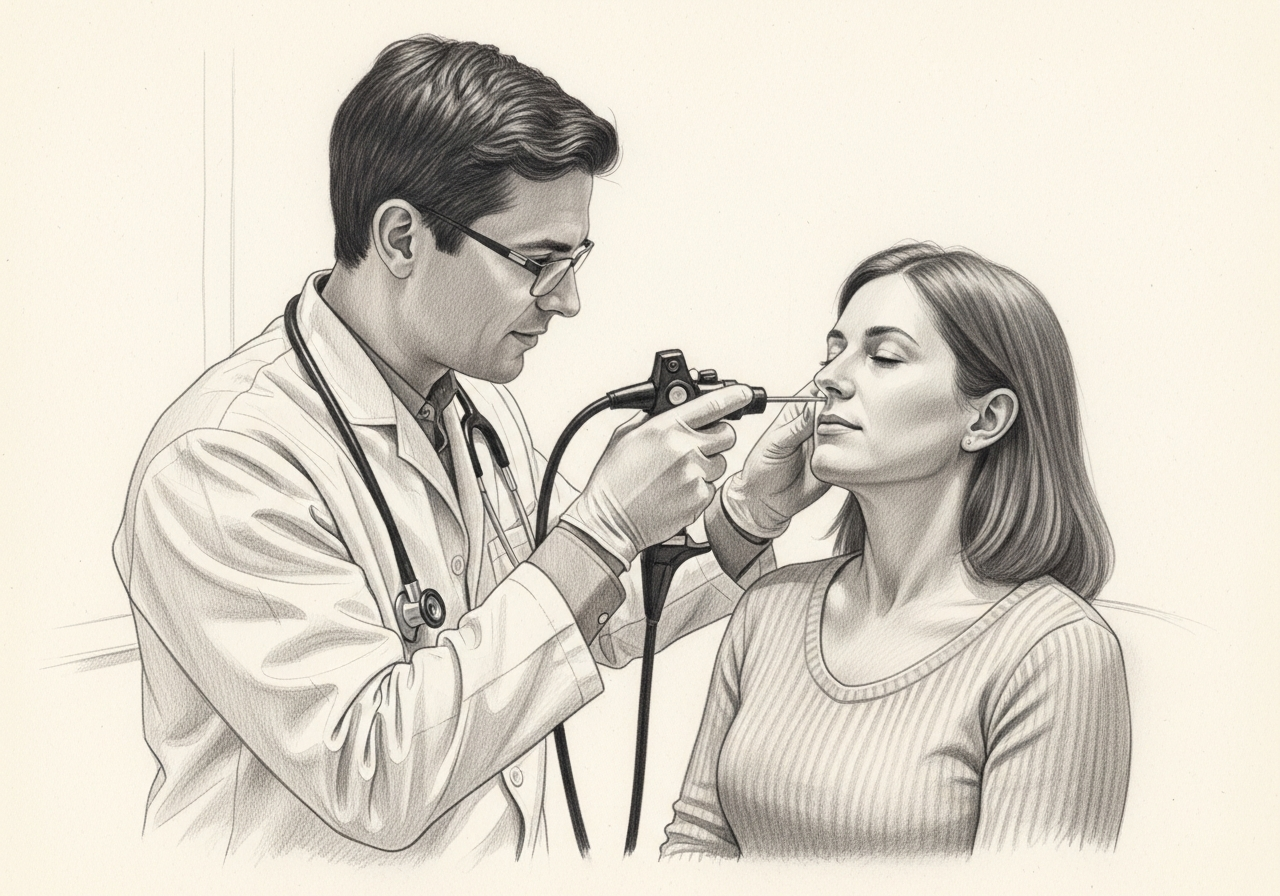
Considering vidian neurectomy? The next step is a quiet, unhurried conversation.
Evaluation and treatment pathway
- Confirm the diagnosis, treatment goal, and the reasons a less invasive or nonsurgical approach is insufficient.
- Candidacy requires a confirmed rhinitis diagnosis, substantial symptom burden, failure or intolerance of appropriate medication, and consideration of posterior nasal nerve procedures. Baseline eye symptoms and tear function may influence the decision.
- Alternatives include topical medication, allergy treatment, trigger control, posterior nasal nerve ablation, and continued observation. The potential benefit must be weighed against dry-eye and other surgical risks.
- The vidian nerve is approached endoscopically near the sphenoid region and divided or interrupted. Detailed anatomy, laterality, and risk to nearby structures require procedure-specific consent.
- Nasal congestion, bleeding, and discomfort can occur. Dry eye may be temporary or persistent, and an ophthalmic assessment and follow-up pathway are part of planning.
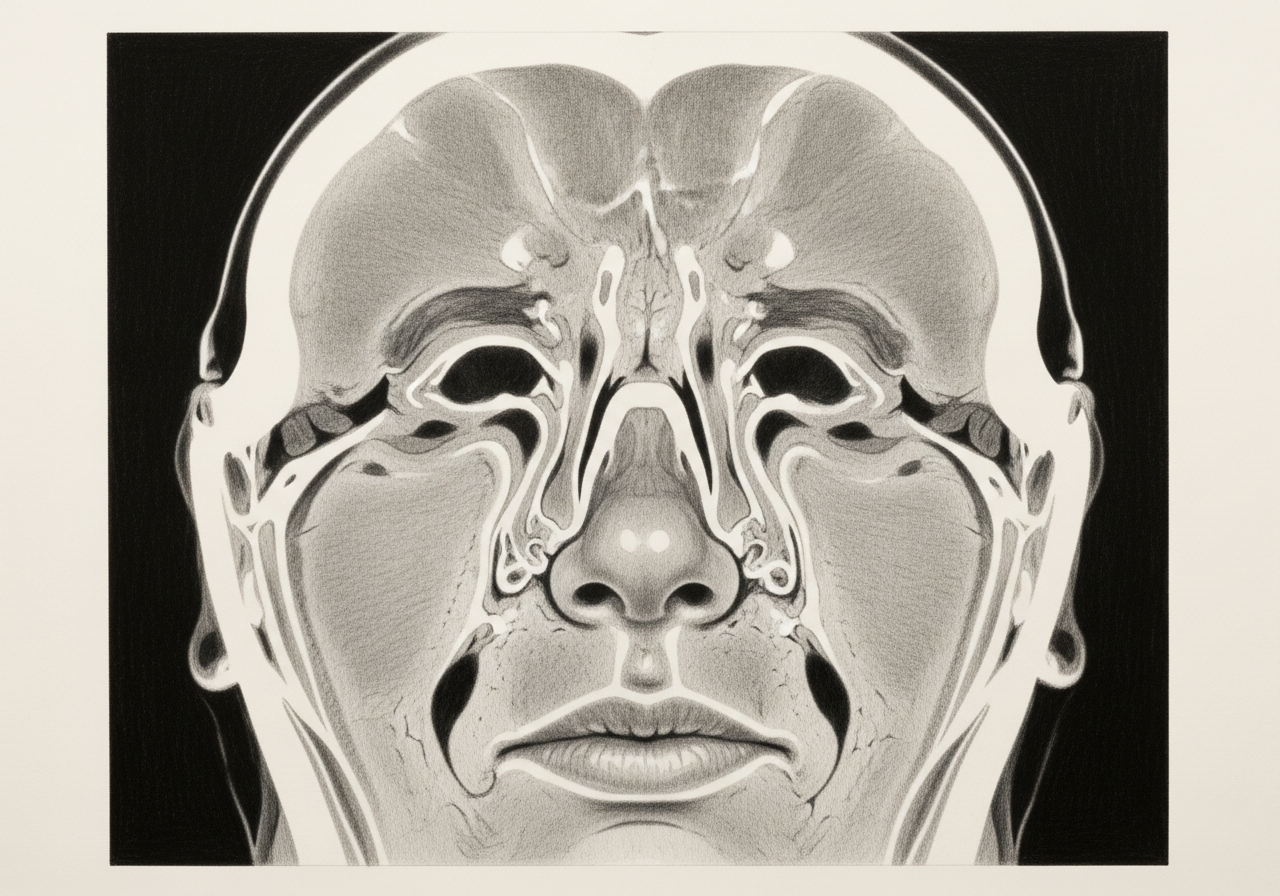
How it is performed
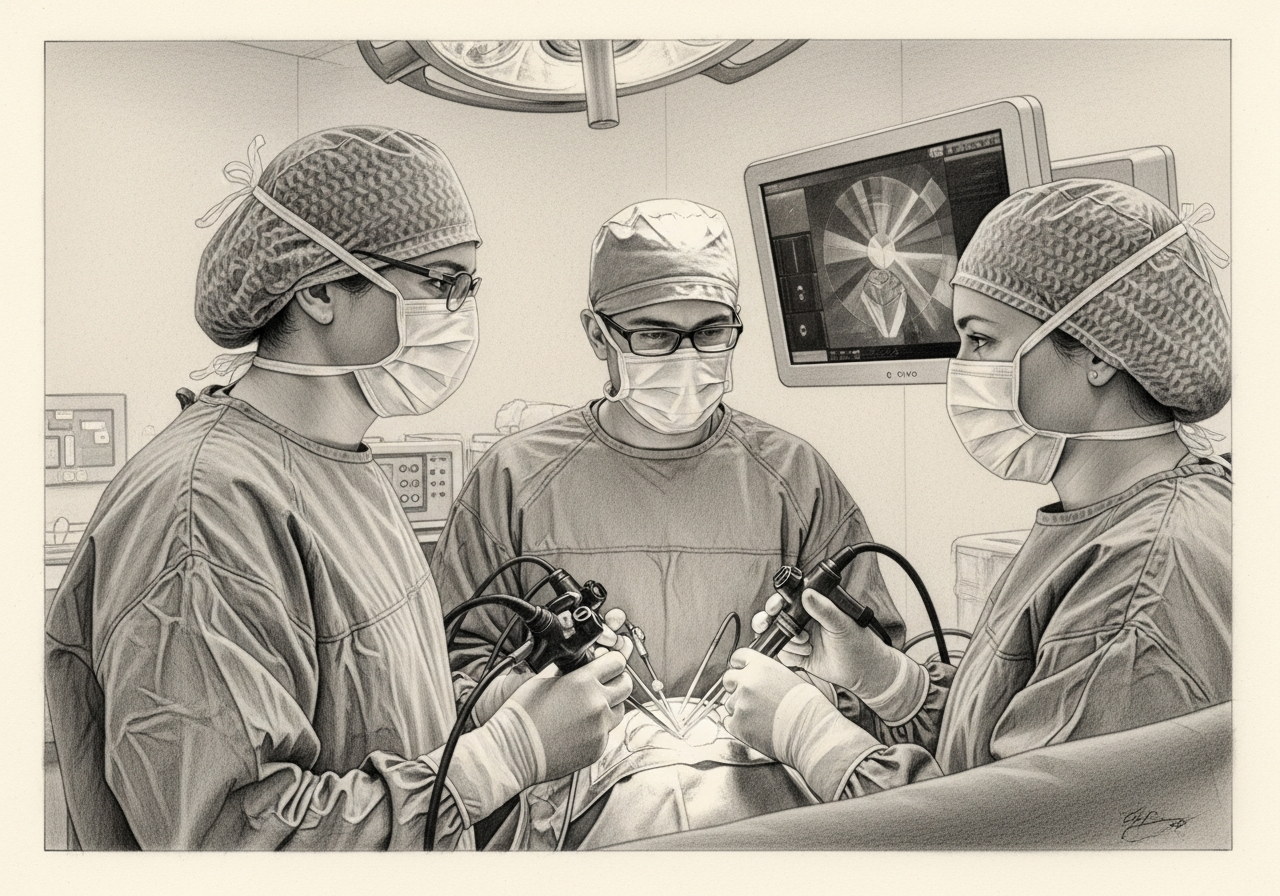
The procedure is performed through the nostrils using endoscopes. The surgeon locates the vidian nerve near the back of the nasal cavity and interrupts it, which reduces the signals driving mucus production and congestion.
Image guidance may be used because of the nerve's location near important structures. There are no external incisions.
Risks and alternatives
Possible risks include bleeding, infection, crusting, numbness in part of the palate or nose, and changes in tear production that can cause temporary or, less commonly, longer-lasting eye dryness. These are discussed in detail before surgery.
Alternatives include continued medical therapy such as topical nasal sprays, antihistamines, and ipratropium, as well as treatment of underlying allergy. Surgery is considered when these are not enough.

Results and follow-up
Vidian neurectomy is intended to reduce severe runny nose and congestion when medical therapy has not worked. Results vary between patients, and some symptoms may persist or partially return.
Follow-up monitors symptom improvement and any side effects such as dryness, and ongoing care addresses any underlying allergic or inflammatory conditions.
What to bring to your consultation
Bring or securely transfer the records that can change this decision:
- Imaging files and reports
- Endoscopy or operative findings
- Pathology results
- Laboratory results
- Prior treatment notes
- A current medication list
- The specific question you want answered
Having these available helps the team review the diagnosis and the available options together.
When to seek urgent care
Vision change, severe eye pain, heavy bleeding, clear drainage, severe headache, fever, neurologic symptoms, or breathing difficulty after surgery requires urgent assessment.
An online form or routine appointment request is not an emergency service. For emergency symptoms, use emergency services rather than the routine form.
Medical review
This page is a patient-education resource reviewed by the responsible Norelle ENT clinician before publication. It does not replace an in-person evaluation. If symptoms are severe or rapidly worsening, seek immediate medical care.
Specialists who perform vidian neurectomy

Dr. Adrian Ong
MD
Board-Certified Facial Plastic & Reconstructive and Head & Neck Surgeon
Dr. Adrian Ong is a board-certified surgeon who practices exclusively on the face, head, and neck, with expertise spanning rhinoplasty, sinus surgery, facial trauma, reconstruction, and sleep surgery.
- Functional and aesthetic rhinoplasty (including revision)
- Sinus surgery and complex revision sinus surgery
- Facial trauma and nasal fractures
- Head and neck cancer surgery and microvascular reconstruction
Also caring for this area


Not sure who to see? Our patient coordination team can help match you with the right specialist.
(212) 444-8006Frequently Asked Questions
Candidacy requires a confirmed rhinitis diagnosis, substantial symptom burden, failure or intolerance of appropriate medication, and consideration of posterior nasal nerve procedures. Baseline eye symptoms and tear function may influence the decision.
The vidian nerve is approached endoscopically near the sphenoid region and divided or interrupted. Detailed anatomy, laterality, and risk to nearby structures require procedure-specific consent.
Alternatives include topical medication, allergy treatment, trigger control, posterior nasal nerve ablation, and continued observation. The potential benefit must be weighed against dry-eye and other surgical risks.
Nasal congestion, bleeding, and discomfort can occur. Dry eye may be temporary or persistent, and an ophthalmic assessment and follow-up pathway are part of planning.
Clinical References
These independent resources from medical and professional organizations offer further reading. They are provided for general education and do not replace a consultation with a clinician.
Related Conditions

Related Procedures

1 of 1 · Posterior Nasal Nerve Ablation
Request a consultation about vidian neurectomy
Schedule a consultation with our team to discuss whether this procedure is the right option for you.