
Overview
Ptosis is the medical term for drooping of the upper eyelid. It may affect one or both eyes and can range from a subtle difference in eyelid height to drooping that covers part of the pupil and limits the upper field of vision.
The most common cause in adults is gradual stretching or detachment of the levator tendon that lifts the eyelid, which can come with age, long-term contact lens wear, or prior eye surgery. Ptosis can also result from nerve problems, muscle disorders, trauma, or an eyelid mass, so a new or rapidly changing droop deserves evaluation.
Evaluation measures eyelid height and muscle function, looks for an underlying cause, and determines whether the droop is mainly cosmetic or is affecting vision. This guides whether observation, treatment of an underlying condition, or eyelid surgery is appropriate.
Symptoms
Symptoms include one or both upper eyelids sitting low, a tired or uneven appearance, and a reduced upper field of vision when the eyelid covers part of the pupil. People often raise their eyebrows or tilt their head back to see better, which can lead to forehead aching and eye fatigue.
A droop that appears suddenly or changes quickly, especially with double vision, headache, or weakness elsewhere, should be evaluated promptly.
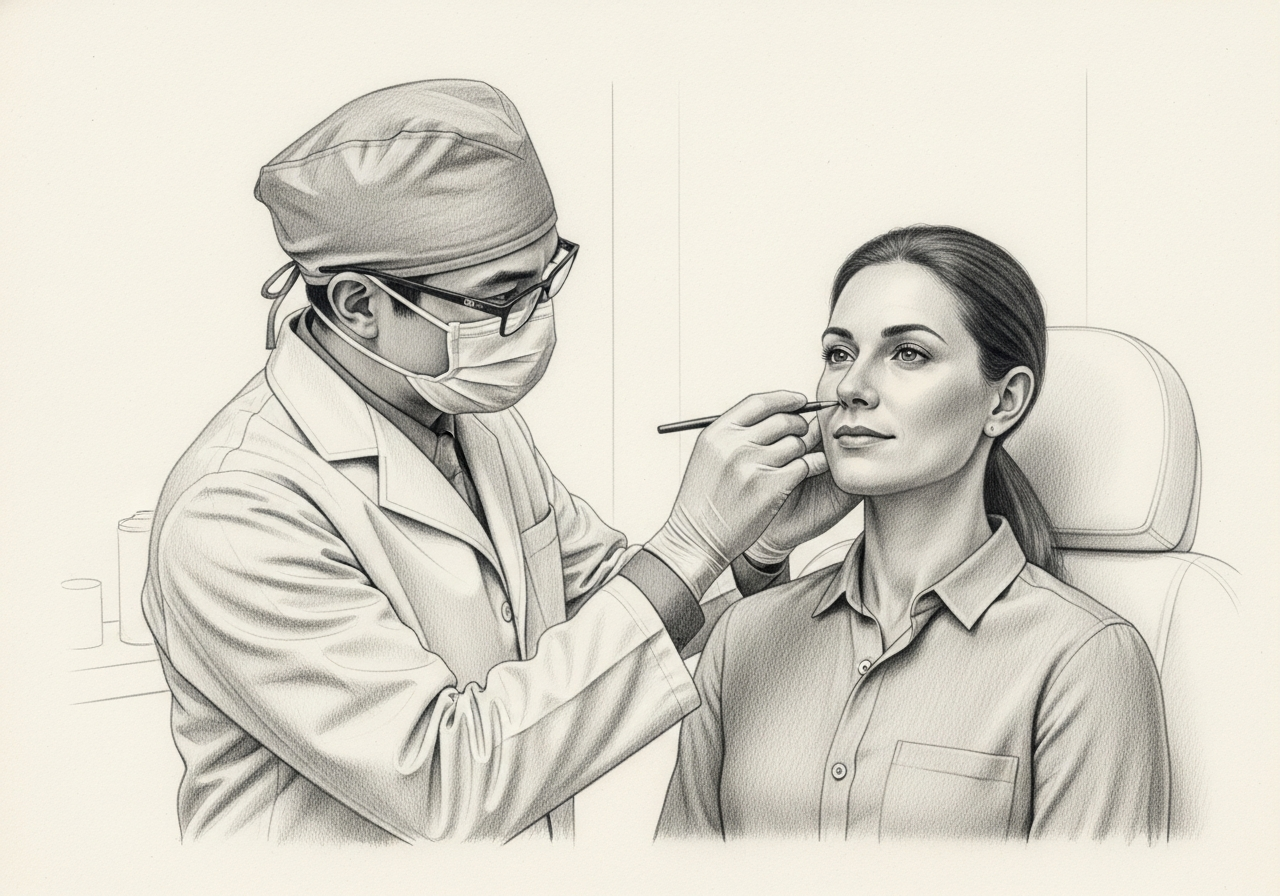
Living with ptosis? The next step is a quiet, unhurried conversation.
Causes and risk factors
The most common adult cause is age-related stretching or detachment of the levator tendon. Long-term contact lens wear, prior eye surgery, and eye rubbing can contribute.
Less commonly, ptosis results from nerve conditions, muscle disorders such as myasthenia gravis, trauma, or an eyelid mass. Children can have congenital ptosis from underdevelopment of the levator muscle.
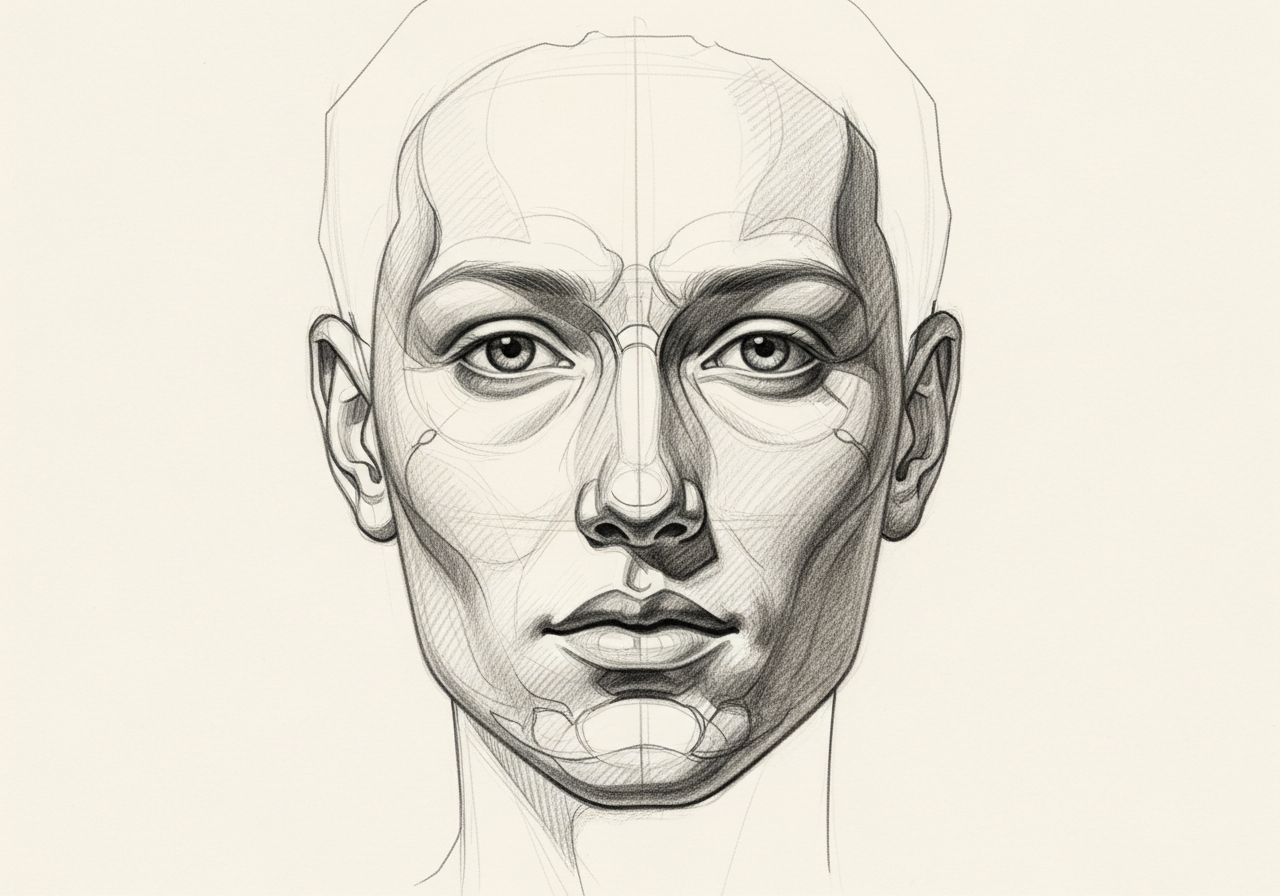
How it is diagnosed
Evaluation measures the eyelid height, the distance the eyelid travels (levator function), and the position of the brow. The clinician checks both eyes, since lifting a droopier eyelid can reveal a droop on the other side.
When vision is affected, visual field testing may be used. If a neurologic or muscle cause is suspected, additional testing or coordination with ophthalmology or neurology may be arranged.
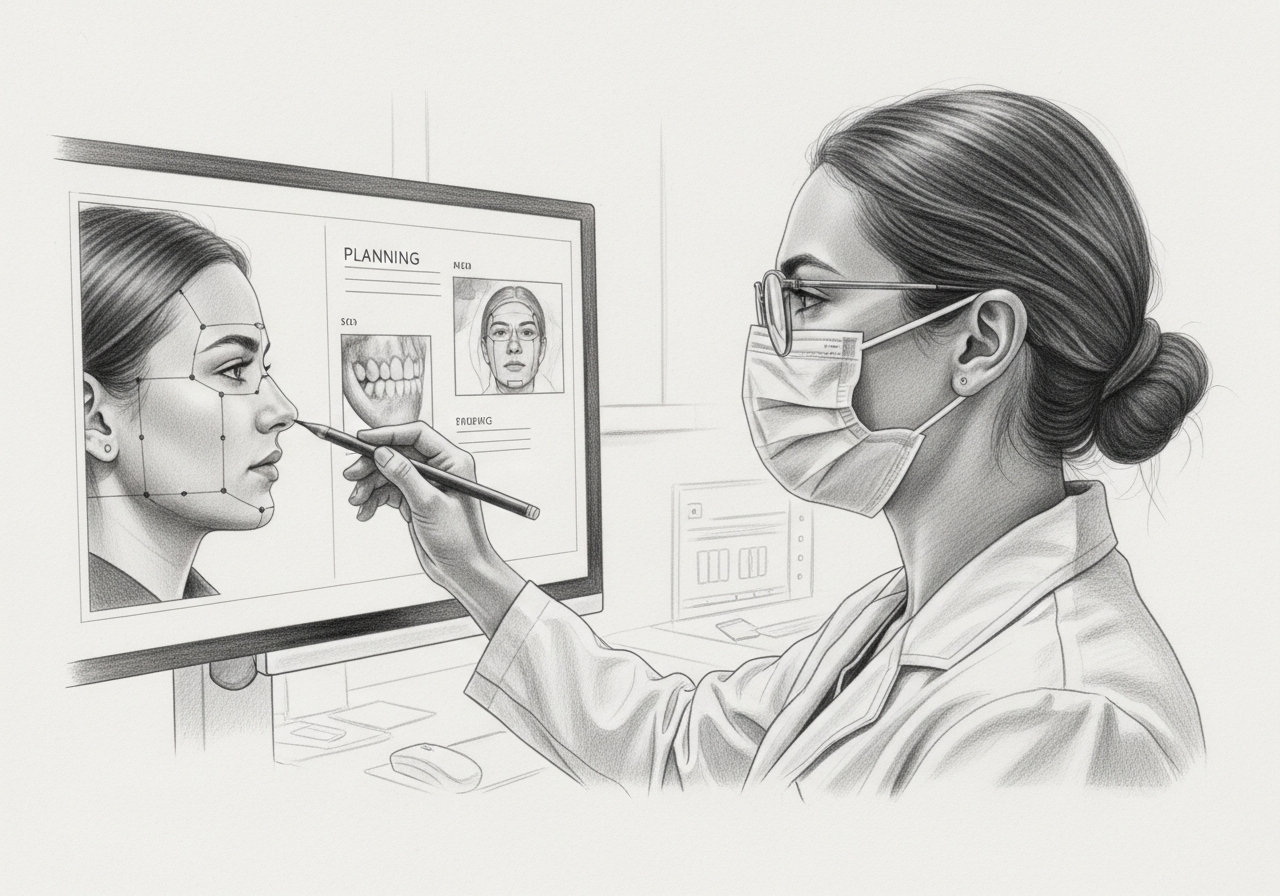
Treatment options
Treatment depends on the cause and severity:
- Observation when the droop is mild and vision is unaffected
- Treatment of an underlying neurologic or muscle condition
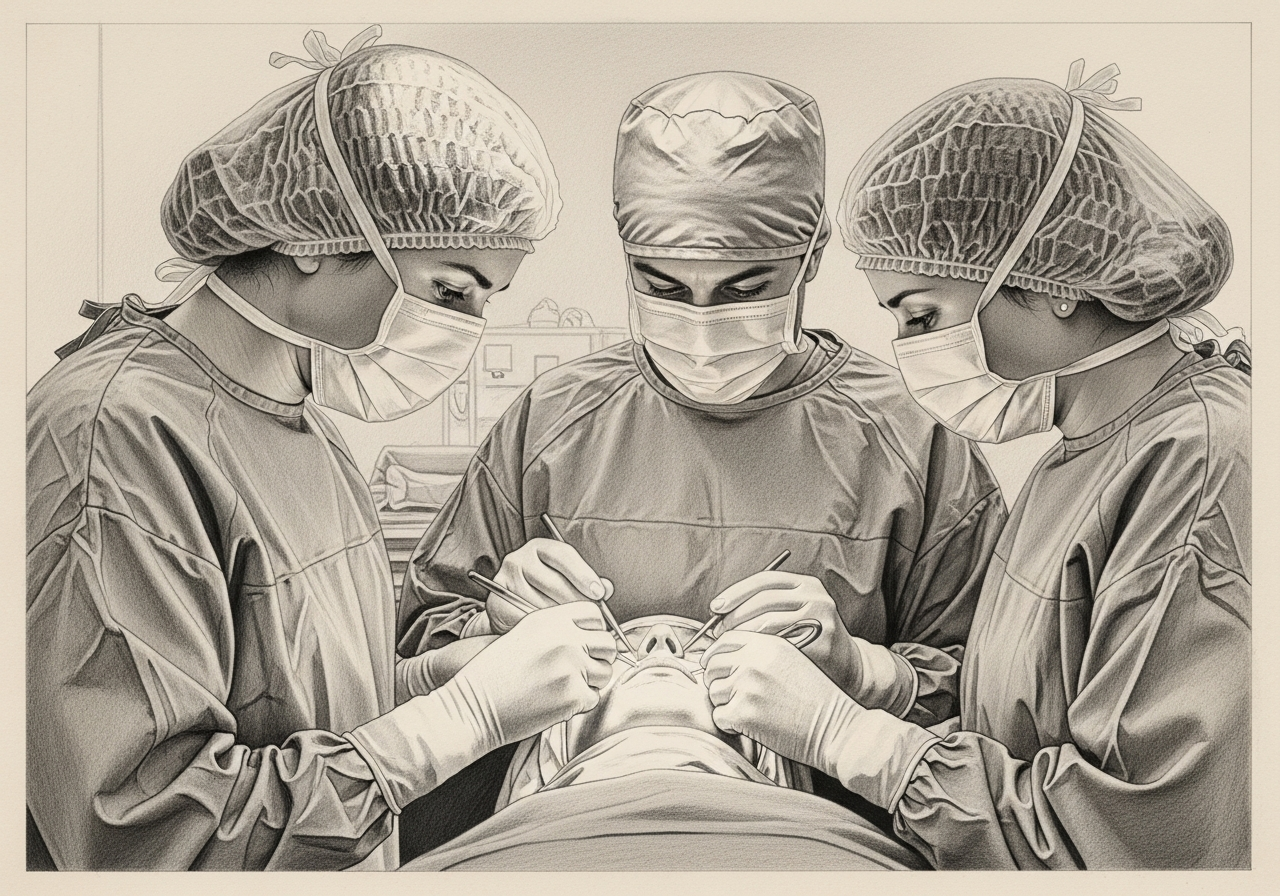
- Levator advancement or repair through an external eyelid incision
- Müller muscle or conjunctival approaches in selected cases
- A frontalis sling when levator function is very limited
- Coordination with ophthalmology when appropriate
Excess eyelid skin can be addressed at the same time when it contributes to heaviness.
When to seek care
Routine evaluation is reasonable when drooping affects vision, causes eye strain, or is a cosmetic concern. Seek prompt medical care for sudden ptosis, especially with double vision, an unequal pupil, severe headache, or weakness elsewhere in the body, as these can signal a serious cause.
New ptosis after trauma also warrants evaluation.
Medical review
This page is a patient-education resource reviewed by the responsible Norelle ENT clinician before publication. It does not replace an in-person evaluation. If symptoms are severe or rapidly worsening, seek immediate medical care.
Specialists who treat ptosis

Dr. Moustafa Mourad
MD, FACS
Double Board-Certified Head & Neck and Facial Plastic & Reconstructive Surgeon
Dr. Moustafa Mourad is a double board-certified head and neck and facial plastic and reconstructive surgeon who cares for the full range of cosmetic and complex conditions affecting the face, head, and neck.
- Facial plastic and reconstructive surgery
- Head and neck cancer surgery
- Microvascular free-flap reconstruction
- Facial trauma and reconstruction
Also caring for this area




Not sure who to see? Our patient coordination team can help match you with the right specialist.
(212) 444-8006Frequently Asked Questions
Ptosis means the eyelid margin itself sits too low because the lifting muscle is weak or detached. Excess upper eyelid skin (dermatochalasis) is loose skin that hangs over the eyelid. They can look similar and sometimes occur together, but they are treated differently, which is why an examination matters.
Yes. When the eyelid covers part of the pupil, it can block the upper field of vision and make activities like reading or driving harder. Measuring the eyelid position and, when needed, visual field testing helps determine whether vision is affected.
The most common cause is age-related stretching or detachment of the tendon that lifts the eyelid. Contact lens wear and prior eye surgery can contribute. Less commonly, nerve or muscle conditions, trauma, or an eyelid mass are responsible.
A droop that comes on suddenly, especially with double vision, an unequal pupil, severe headache, or weakness elsewhere, should be evaluated promptly because it can indicate a nerve or other serious problem.
Repair usually tightens or reattaches the levator muscle, often through an external eyelid incision. Other approaches address the Müller muscle, and a frontalis sling may be used when the lifting muscle has very little function.
Coverage depends on whether the drooping affects vision and on your plan. Documentation such as eyelid measurements and visual field testing is often required. Confirm benefits with our office and your insurer before scheduling.
Most repairs are durable, but eyelid position can change over time, and some patients need adjustment. Your surgeon will discuss expectations and follow-up before the procedure.
Related Procedures


Request a consultation for ptosis
Schedule an evaluation with our team to review your symptoms and the appropriate next steps.