About This Treatment
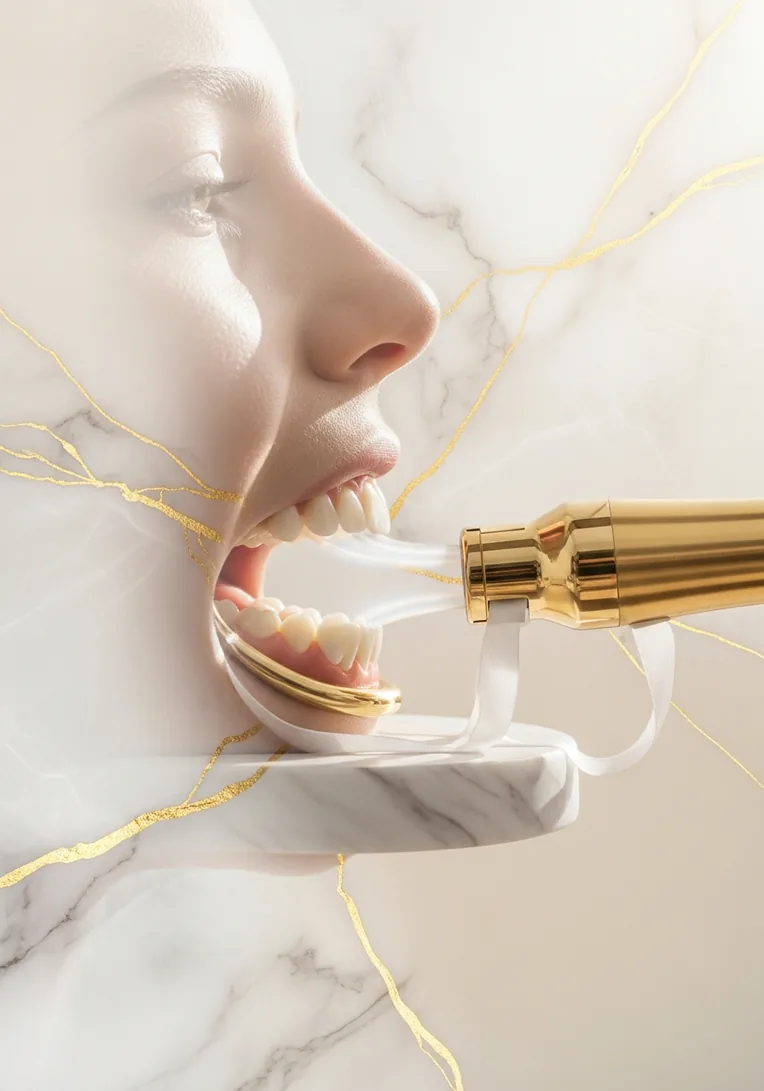
A mandibular advancement device (MAD) is a custom-fitted oral appliance, similar in appearance to a mouthguard, that gently holds the lower jaw and tongue forward during sleep. By advancing the jaw, it enlarges the space behind the tongue and reduces airway collapse, which can lessen snoring and obstructive sleep apnea.
Oral appliances are a recognized option for snoring and for mild to moderate obstructive sleep apnea, and for patients with more severe apnea who cannot tolerate CPAP. They are portable, quiet, and do not require electricity, which appeals to many travelers and lighter sleepers.
At Norelle ENT, we coordinate with dental sleep medicine to fit and adjust the device and to confirm effectiveness with follow-up testing. A diagnosis is established first so that the appliance is matched to the severity of disease.
Who may be a candidate
Oral appliances suit patients with primary snoring or mild to moderate obstructive sleep apnea, and selected patients with more severe apnea who cannot use CPAP.
Candidacy depends on having enough healthy teeth to hold the device and a healthy jaw joint. People with advanced gum disease, many missing teeth, or significant jaw-joint problems may not be suitable, and a dental evaluation is part of the assessment.
Considering mandibular advancement device? The next step is a quiet, unhurried conversation.
How it is fitted
Impressions or digital scans of your teeth are used to fabricate a custom device with two connected trays that hold the lower jaw forward.
The initial position is set conservatively, then advanced gradually over several weeks. This titration balances airway opening against jaw comfort and is guided by symptom response.
Recovery and aftercare
There is no downtime, and the device is worn nightly.
- Expect a short adjustment period with possible jaw soreness or extra saliva
- Advance the device gradually as directed
- Clean it daily and store it properly
- Report persistent jaw pain, bite changes, or loose teeth
- Attend follow-up to confirm symptom improvement and device fit
Risks and alternatives
Most side effects are minor: jaw or tooth soreness, dry mouth or excess salivation, and temporary bite changes in the morning. Long-term use can occasionally cause gradual tooth movement or bite changes, which dental follow-up monitors.
Alternatives include CPAP, positional therapy, weight management, nasal treatment, and airway surgery. CPAP is generally more effective for severe apnea, while oral appliances are valued for comfort and portability.
Results and follow-up
Many patients see reduced snoring and improved sleep, and oral appliances can meaningfully lower apnea events in mild to moderate disease. A follow-up sleep study is often recommended to confirm the device is controlling the apnea.
Periodic dental and sleep follow-up checks the fit, monitors for bite changes, and adjusts the advancement if symptoms return.
Clinical references
- American Academy of Sleep Medicine (https://sleepeducation.org)
Medical review
This page is a patient-education resource reviewed by the responsible Norelle ENT clinician before publication. It does not replace an in-person evaluation. If symptoms are severe or rapidly worsening, seek immediate medical care.
Specialists who provide mandibular advancement device

Dr. Adrian Ong
MD
Board-Certified Facial Plastic & Reconstructive and Head & Neck Surgeon
Dr. Adrian Ong is a board-certified surgeon who practices exclusively on the face, head, and neck, with expertise spanning rhinoplasty, sinus surgery, facial trauma, reconstruction, and sleep surgery.
- Functional and aesthetic rhinoplasty (including revision)
- Sinus surgery and complex revision sinus surgery
- Facial trauma and nasal fractures
- Head and neck cancer surgery and microvascular reconstruction
Also caring for this area

Not sure who to see? Our patient coordination team can help match you with the right specialist.
(212) 444-8006Frequently Asked Questions
It holds the lower jaw and tongue slightly forward during sleep, enlarging the space behind the tongue and reducing airway collapse that causes snoring and obstructive sleep apnea.
For mild to moderate apnea and snoring, oral appliances can work well and are often preferred for comfort. CPAP is generally more effective for severe apnea, though an appliance may help patients who cannot tolerate CPAP.
Long-term use can occasionally cause gradual tooth or bite changes. Regular dental follow-up monitors for this and allows adjustments to limit it.
There is usually a short adjustment period with mild jaw soreness or extra saliva. A custom fit and gradual advancement improve comfort over the first few weeks.
Yes. A diagnosis confirms the severity of apnea so the appliance is appropriate, and a follow-up study is often recommended to verify it is controlling the apnea.
Custom devices fit better, are more comfortable, and are designed to be adjusted, which makes them more reliable than boil-and-bite products, especially for treating diagnosed sleep apnea.
People with insufficient healthy teeth, advanced gum disease, or significant jaw-joint problems may not be candidates. A dental evaluation helps determine suitability.
Related Conditions


Request a consultation about mandibular advancement device
Schedule a consultation with our team to discuss whether this treatment is the right option for you.