
Overview
Bilateral facial paralysis means the muscles on both sides of the face are weak at the same time. Because both sides are affected, the face can look unusually still rather than clearly drooping on one side, which sometimes delays recognition.
Unlike typical one-sided Bell's palsy, weakness on both sides is uncommon and more often points to an underlying condition, such as an infection, an inflammatory or neurologic disorder, or a systemic illness. For that reason, it usually warrants a more thorough medical workup.
At Norelle ENT, evaluation focuses on identifying the underlying cause, protecting both eyes, and coordinating care with other specialists when needed, so that treatment addresses the source of the problem as well as facial function.
Symptoms
People may have difficulty closing both eyes, an even but reduced ability to smile or show expression, trouble speaking clearly, and difficulty keeping food or liquid in the mouth. The face can appear unusually still.
Because the changes are symmetric, they can be harder to notice than one-sided weakness, and they are sometimes recognized only when eye dryness or speech and eating difficulties develop.
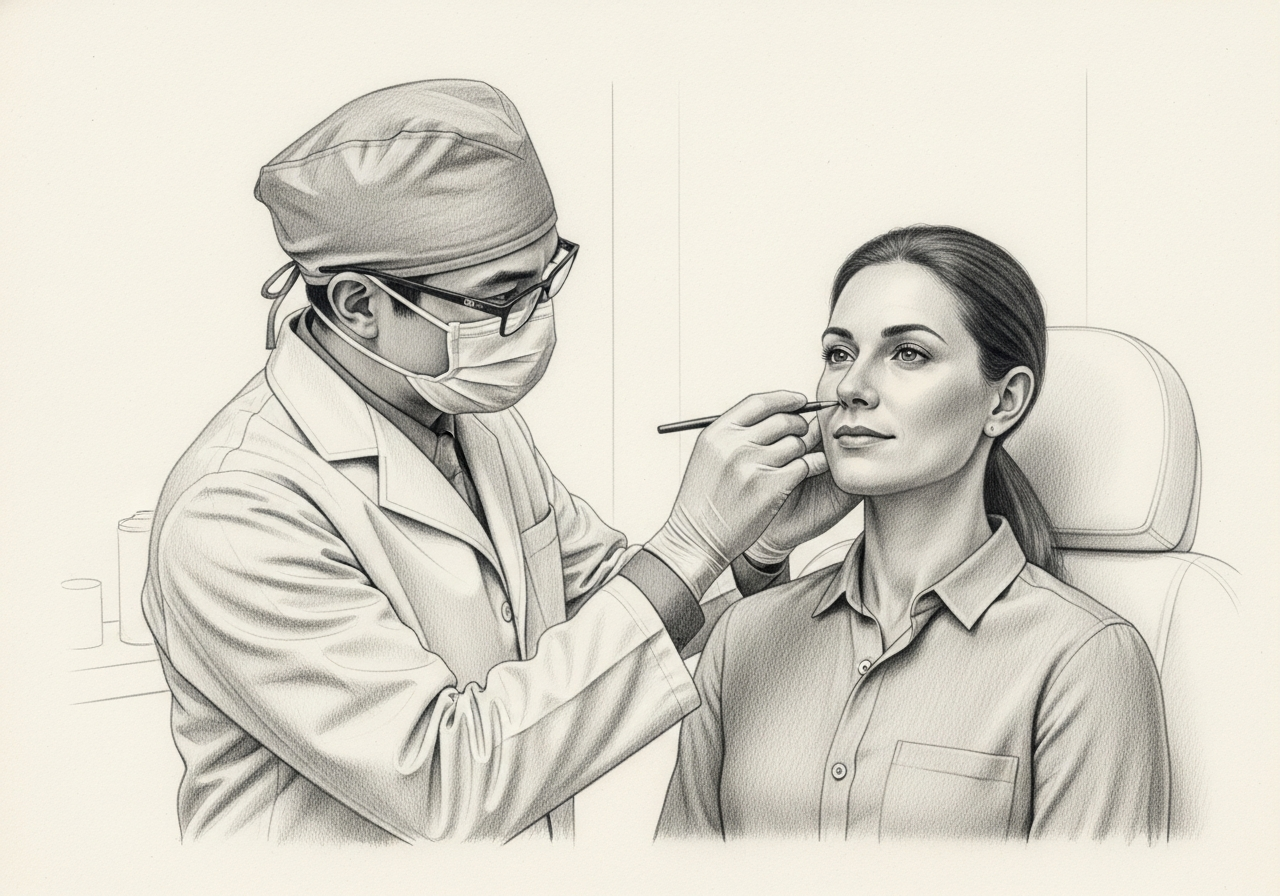
Living with bilateral facial paralysis? The next step is a quiet, unhurried conversation.
Causes and risk factors
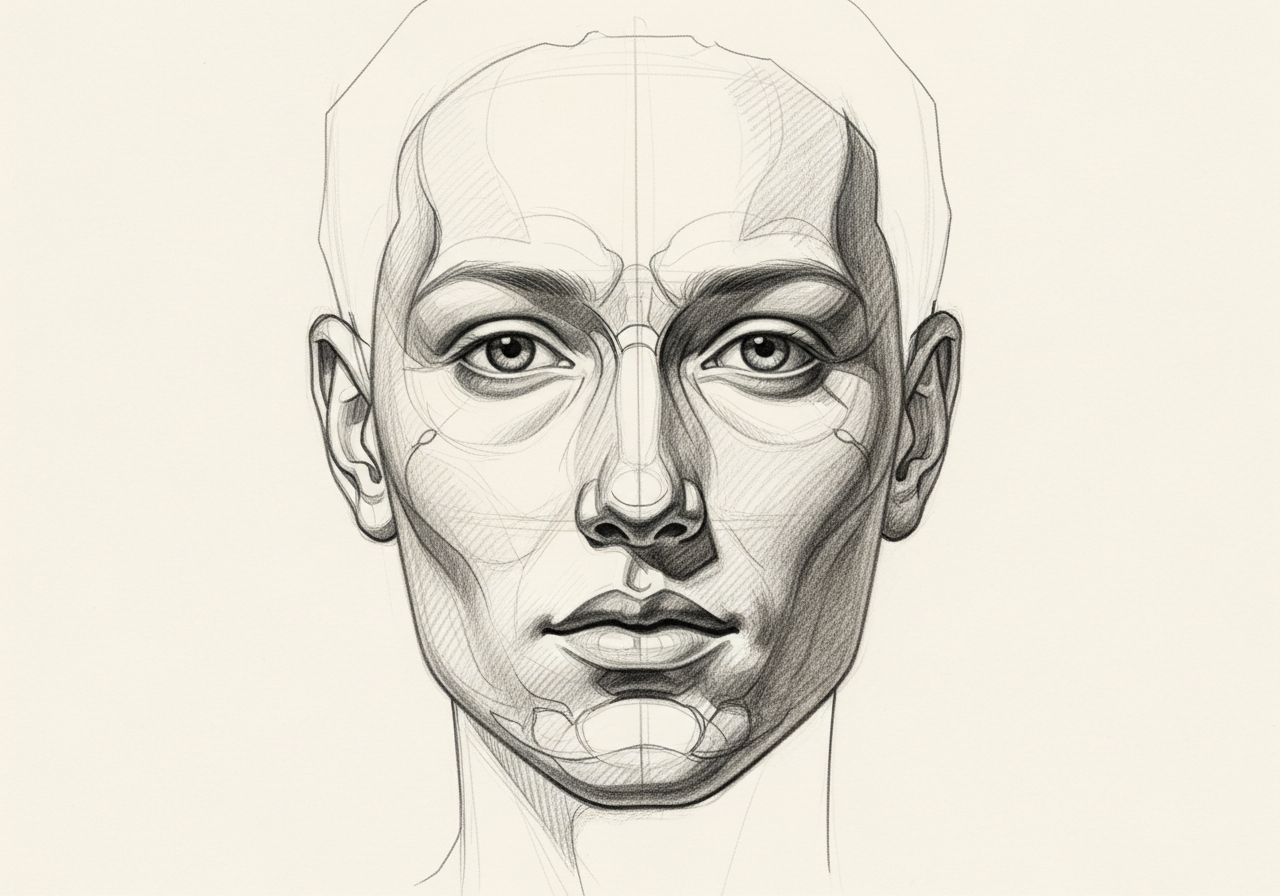
Weakness on both sides of the face can be associated with infections such as Lyme disease, neurologic conditions such as Guillain-Barré syndrome, inflammatory disorders such as sarcoidosis, certain autoimmune conditions, trauma, and, less commonly, tumors.
Because these causes are treated very differently, identifying the underlying condition is central to the evaluation.
How it is diagnosed
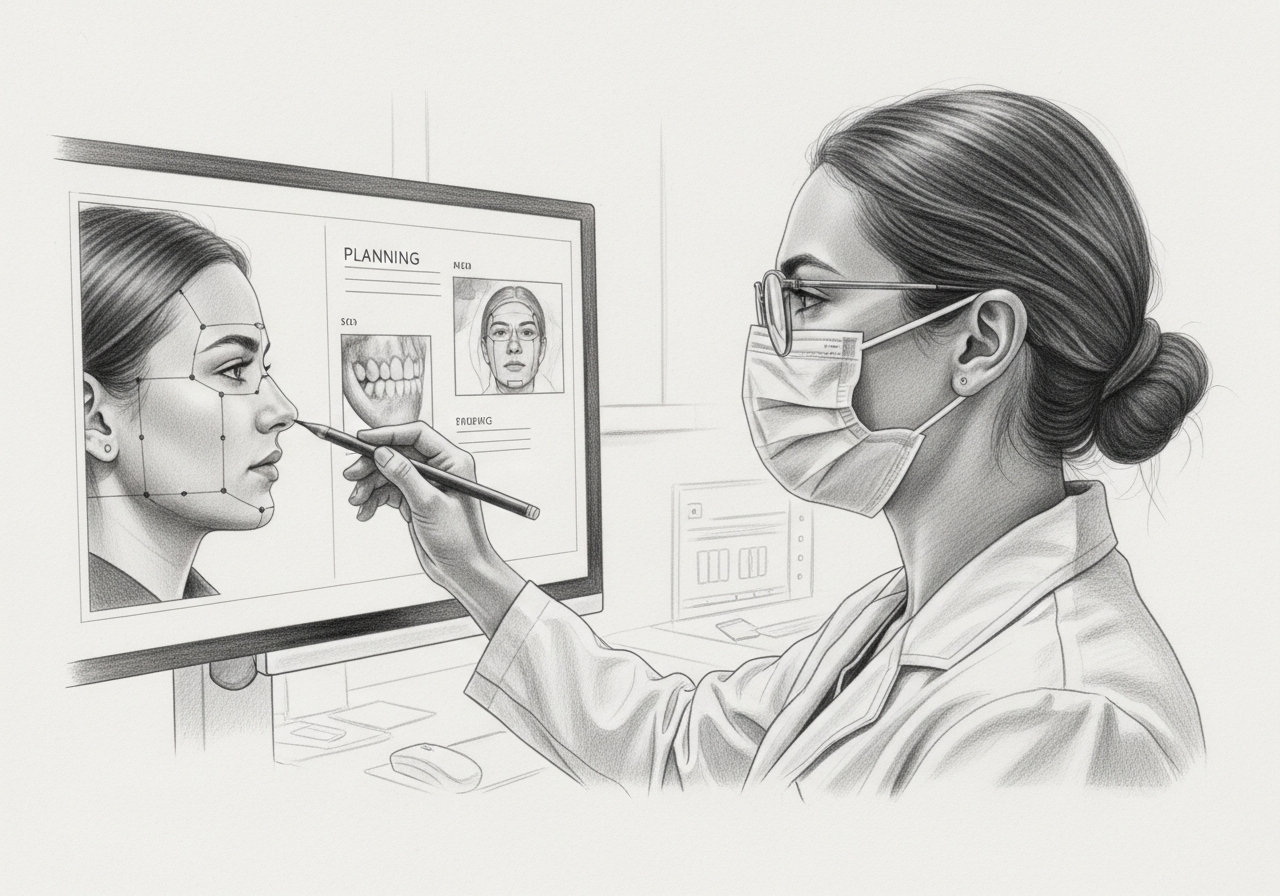
Evaluation usually includes a detailed history and neurologic examination, with grading of facial movement and assessment of eye closure. Bilateral weakness commonly prompts a broader workup than one-sided weakness.
Blood tests, imaging, hearing tests, nerve testing, and sometimes a lumbar puncture may be ordered, often in coordination with neurology and other specialists.
Treatment options
Treatment is directed at both the underlying cause and facial function:
- Treating the specific condition responsible for the weakness
- Protecting both eyes with lubrication and nighttime measures
- Medications such as corticosteroids or antibiotics when appropriate
- Facial physical therapy and neuromuscular retraining
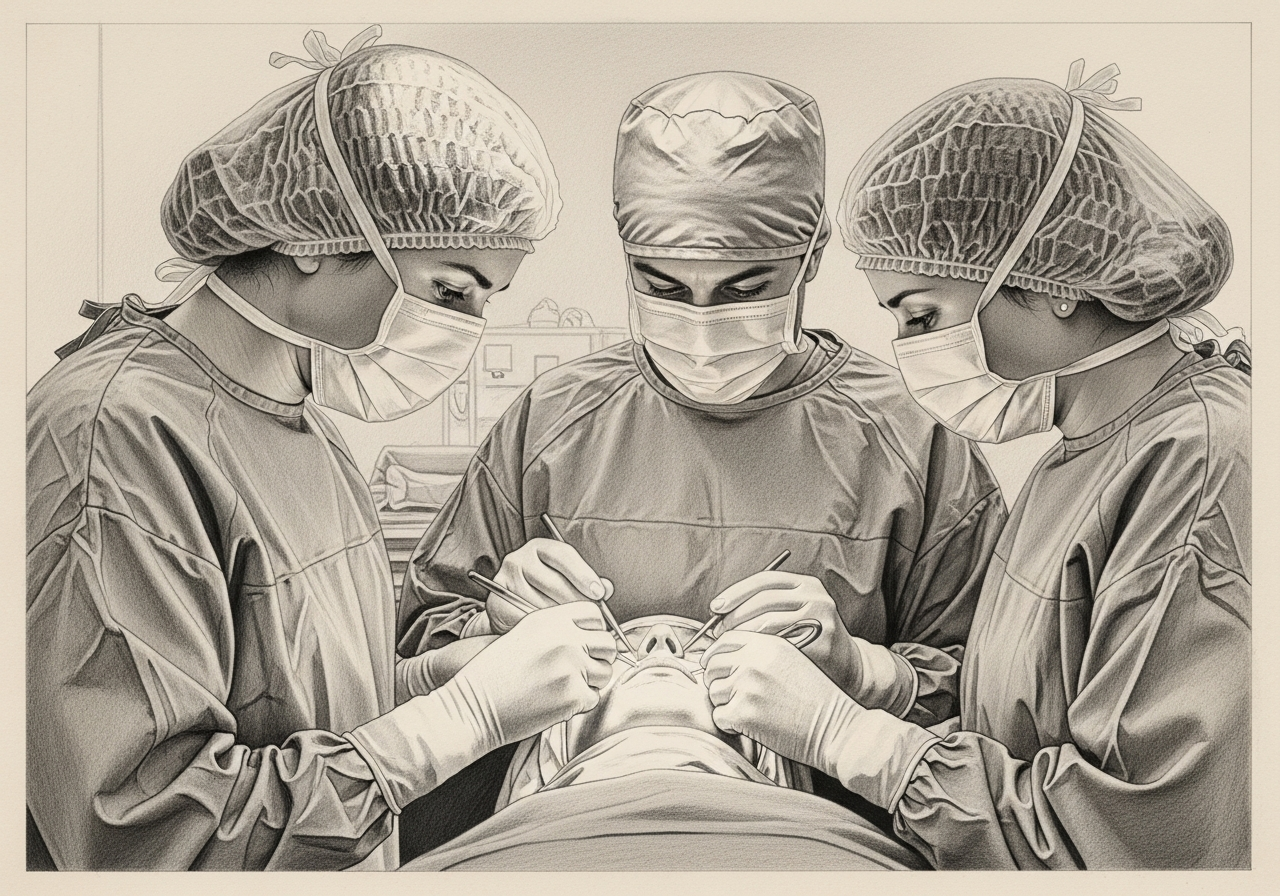
- Reanimation or static procedures for lasting weakness
Care is frequently coordinated across specialties because the source of the paralysis may be systemic.
When to seek care
Seek urgent evaluation for facial weakness affecting both sides, especially with difficulty breathing, swallowing, or new weakness in the arms or legs, since some causes can progress quickly and are medical emergencies.
Protecting both eyes is important when they cannot fully close, so prompt care also helps prevent eye injury.
Medical review
This page is a patient-education resource reviewed by the responsible Norelle ENT clinician before publication. It does not replace an in-person evaluation. If symptoms are severe or rapidly worsening, seek immediate medical care.
Patient Results
Before and After: Facial Paralysis
Photographs of Norelle ENT patients, published with consent. Individual results vary.
Specialists who treat bilateral facial paralysis

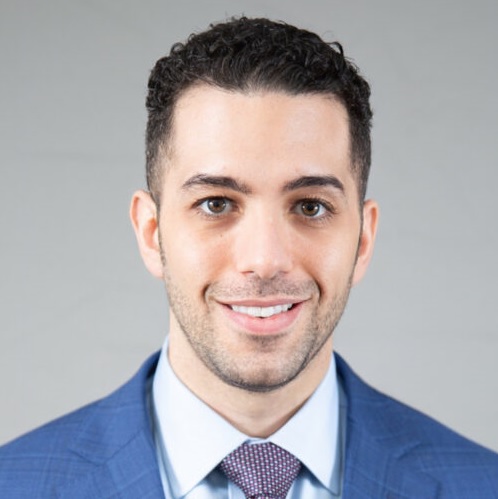
Dr. Rakhna Araslanova
MD, FRCSC, FACS
Fellowship-Trained Facial Plastic & Reconstructive Surgeon — Facial Paralysis and Reanimation
Dr. Rakhna Araslanova is a fellowship-trained facial plastic and reconstructive surgeon who leads facial paralysis and reanimation at Norelle ENT, with additional expertise in craniofacial reconstruction and aesthetic facial plastic surgery.
- Facial paralysis rehabilitation and surgical reanimation
- Craniofacial reconstruction
- Aesthetic facial plastic surgery
- Rhinoplasty
Also caring for this area



Not sure who to see? Our patient coordination team can help match you with the right specialist.
(212) 444-8006Frequently Asked Questions
Weakness on both sides of the face is uncommon and more often reflects an underlying systemic, neurologic, or infectious condition. For that reason it usually prompts a broader evaluation than typical one-sided Bell's palsy.
Possible causes include Lyme disease, Guillain-Barré syndrome, sarcoidosis, certain autoimmune and inflammatory disorders, trauma, and, less commonly, tumors. The evaluation is designed to identify which cause is present.
Testing may include blood work, imaging, hearing and nerve testing, and sometimes a lumbar puncture, often coordinated with neurology. The specific tests depend on the suspected cause.
When both eyelids cannot close fully, lubricating drops and ointment, taping, or moisture chambers help protect the surface of each eye while the cause is treated and the nerves recover.
Recovery depends on the underlying cause. Some conditions improve substantially with treatment, while others leave lasting weakness that can be addressed with therapy and reconstructive options.
Many cases are managed medically by treating the underlying condition and protecting the eyes. Reanimation or static procedures may be considered when weakness persists and affects function or appearance.
Care is often shared with neurology, infectious disease, ophthalmology, and physical therapy, depending on the cause and the effects on the eyes, speech, and eating.
Seek emergency care if facial weakness on both sides comes with trouble breathing or swallowing, or with new weakness in the limbs, because some causes can progress rapidly.
Related Procedures

1 of 3 · Facial Physical Therapy
Related Conditions

Request a consultation for bilateral facial paralysis
Schedule an evaluation with our team to review your symptoms and the appropriate next steps.