
Overview
A stroke can injure the part of the brain that controls facial movement, producing weakness on one side of the face. Unlike facial nerve injuries that begin in the face itself, weakness from a stroke usually spares the forehead and may be accompanied by other neurologic changes, which is why diagnosis and timing matter.
The weakness can make the smile uneven, affect clear speech, and make eating or controlling saliva more difficult. Some people also have trouble fully closing the eye, which can leave the eye surface dry and exposed.
At Norelle ENT, care for facial weakness after a stroke is coordinated with a patient's neurology and rehabilitation team. Evaluation focuses on protecting the eye, supporting recovery through facial therapy, and considering procedures to improve symmetry and function when weakness persists.
Symptoms
Common findings include an uneven smile, a drooping mouth corner, difficulty with speech and eating, and asymmetry that is most visible with expression. The forehead is frequently less affected than in facial nerve injuries.
If eye closure is incomplete, the eye can become dry and irritated, which needs attention to protect vision.
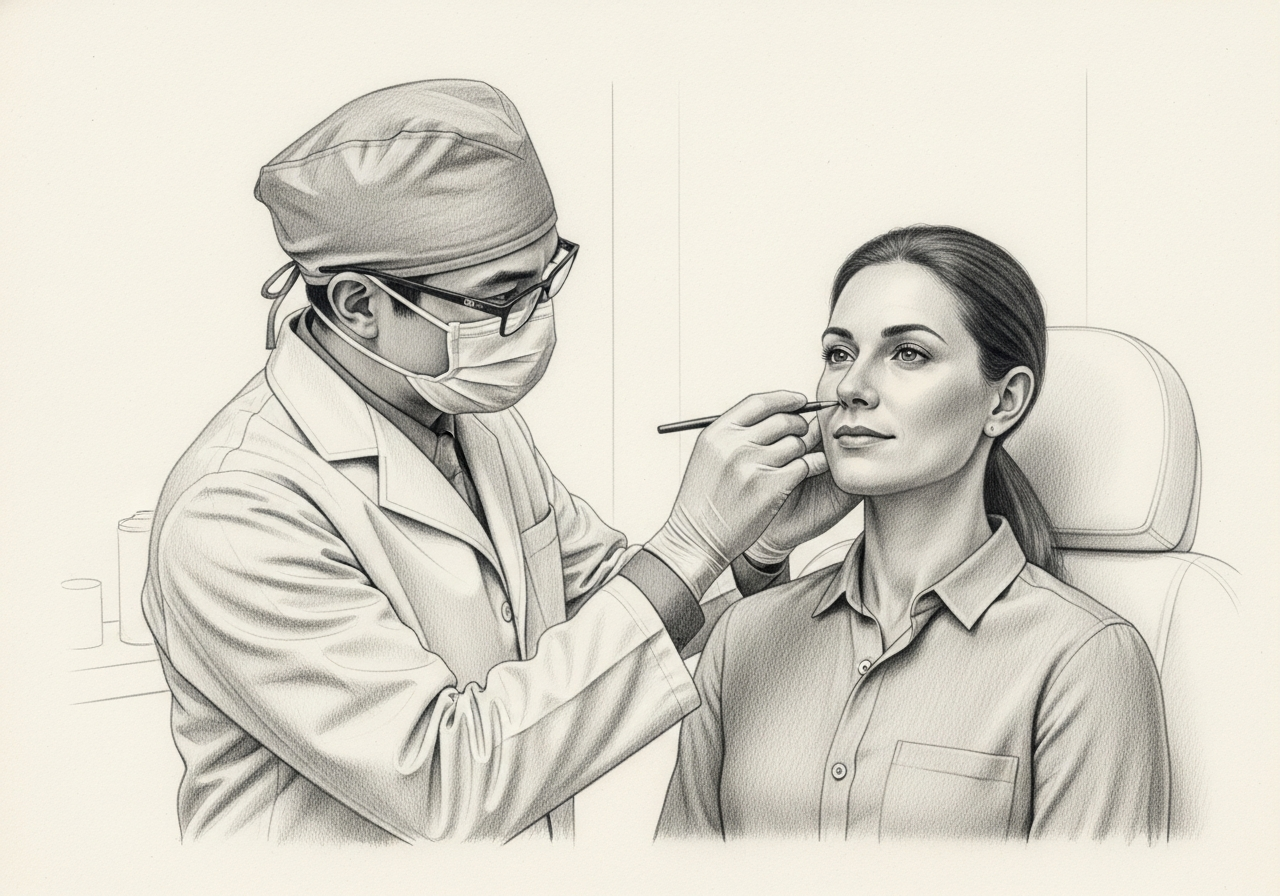
Living with facial paralysis after stroke? The next step is a quiet, unhurried conversation.
How stroke-related weakness differs
Facial weakness from a stroke usually relates to the brain rather than the facial nerve in the face, and it may occur with other neurologic symptoms such as arm or leg weakness or speech changes. This distinction guides both diagnosis and treatment.
New, sudden facial drooping is a medical emergency until a stroke is ruled out, so timing of evaluation is important.
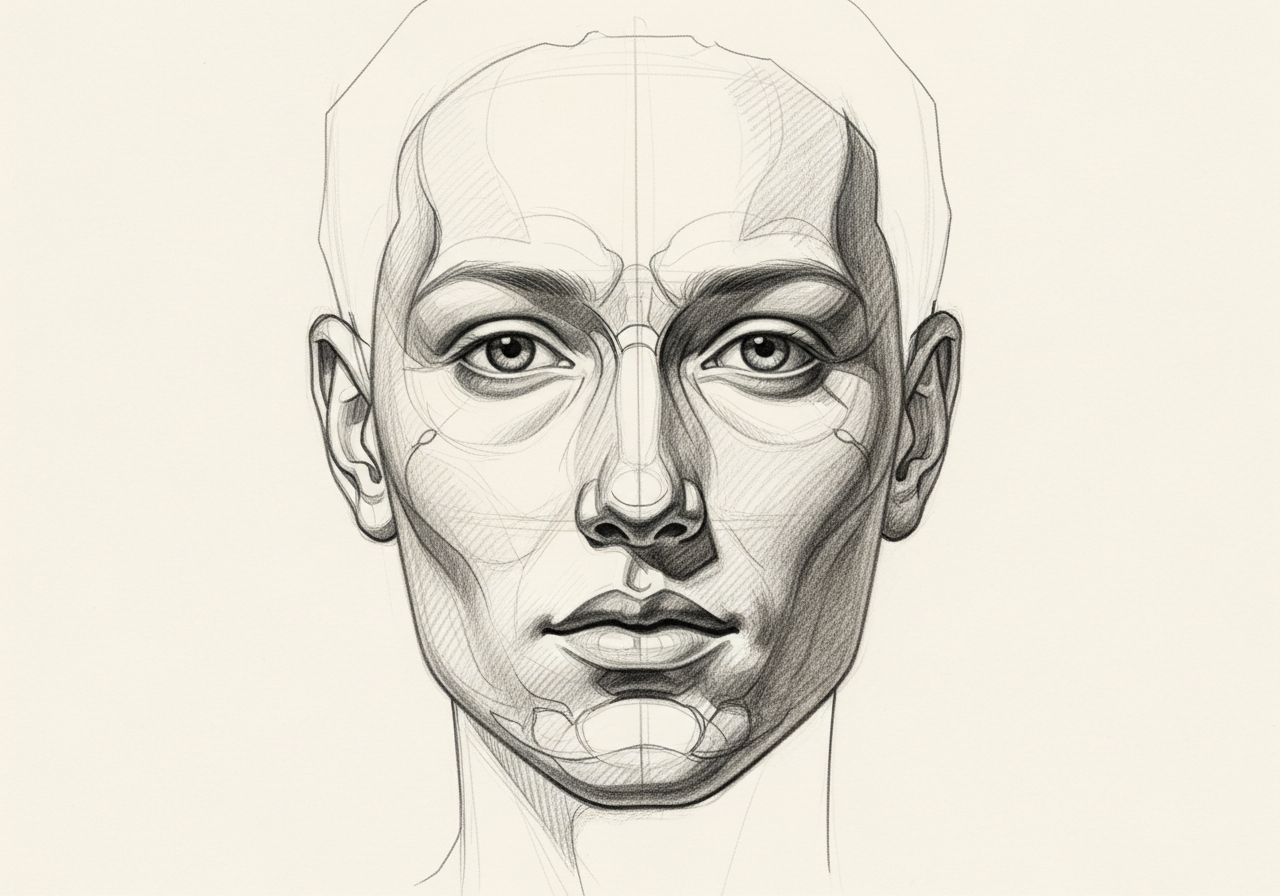
How it is evaluated
Evaluation in our setting focuses on facial function: the degree and pattern of weakness, eye closure and surface health, smile symmetry, and the effect on speech and eating. This is done in coordination with the patient's neurology and rehabilitation care.
Photographs or video of facial movement can help track changes and plan therapy or procedures.
Treatment and rehabilitation
Eye protection is an early priority when closure is incomplete, using lubrication and other measures to keep the surface healthy. Facial physical therapy and neuromuscular retraining can help recovering muscles work more effectively.
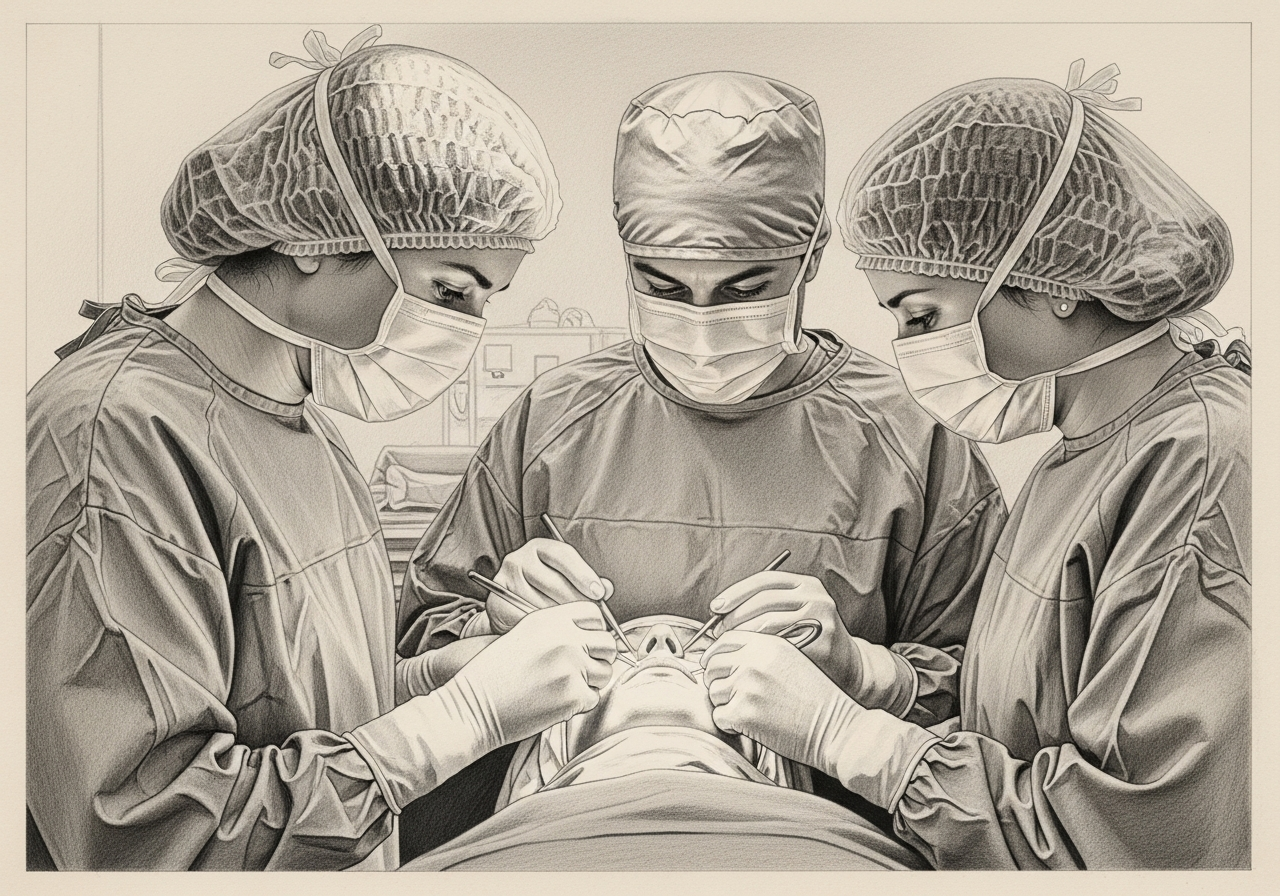
When weakness persists, options may include botulinum toxin to balance overactive muscles, static suspension to support the mouth or brow, eyelid procedures to improve closure, and, in selected cases, nerve transfer or reanimation procedures. Care is staged and individualized.
When to seek care
Sudden facial drooping, especially with arm weakness, speech difficulty, or confusion, is a medical emergency. Call emergency services immediately, because rapid treatment of stroke is critical. For established, persistent facial weakness, a planned evaluation can address eye protection, function, and symmetry.
Medical review
This page is a patient-education resource reviewed by the responsible Norelle ENT clinician before publication. It does not replace an in-person evaluation. If symptoms are severe or rapidly worsening, seek immediate medical care.
Patient Results
Before and After: Facial Paralysis
Photographs of Norelle ENT patients, published with consent. Individual results vary.
Specialists who treat facial paralysis after stroke

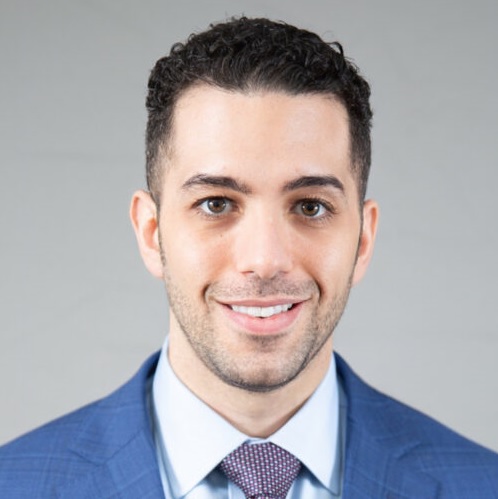
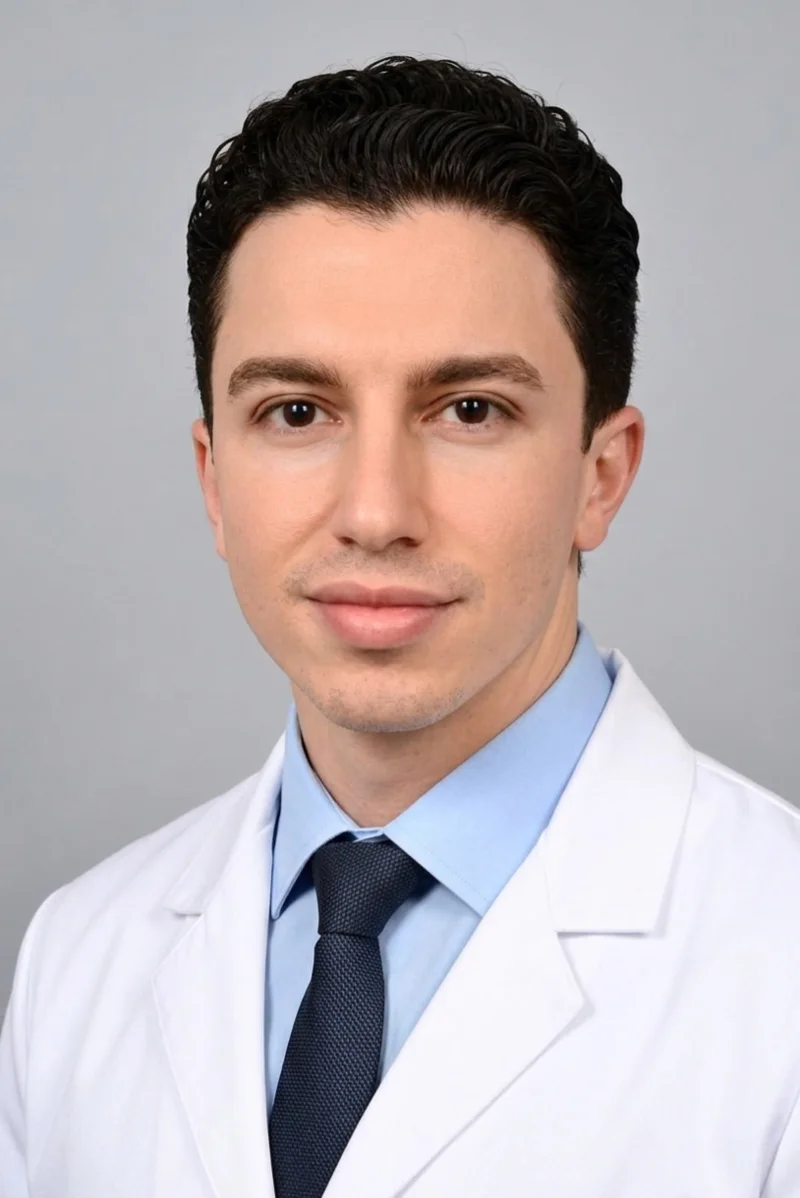
Dr. Rakhna Araslanova
MD, FRCSC, FACS
Fellowship-Trained Facial Plastic & Reconstructive Surgeon — Facial Paralysis and Reanimation
Dr. Rakhna Araslanova is a fellowship-trained facial plastic and reconstructive surgeon who leads facial paralysis and reanimation at Norelle ENT, with additional expertise in craniofacial reconstruction and aesthetic facial plastic surgery.
- Facial paralysis rehabilitation and surgical reanimation
- Craniofacial reconstruction
- Aesthetic facial plastic surgery
- Rhinoplasty
Also caring for this area


Not sure who to see? Our patient coordination team can help match you with the right specialist.
(212) 444-8006Frequently Asked Questions
Stroke-related weakness usually comes from the brain and often spares the forehead, frequently occurring with other neurologic symptoms. Bell's palsy affects the facial nerve in the face and typically weakens the forehead as well. The distinction affects evaluation and treatment.
Some recovery is possible, especially in the early months, and rehabilitation can support it. When weakness persists, therapies and procedures may improve symmetry and function even if full natural movement does not return.
If the eye cannot close fully, the surface can dry out and become irritated or injured. Lubrication and other protective measures help preserve eye health while other treatments are pursued.
It uses guided exercises and neuromuscular retraining to help recovering muscles coordinate, improve symmetry, and reduce unwanted movement. A therapist tailors the program to your pattern of weakness.
For persistent weakness, procedures such as static suspension, eyelid surgery, and selected nerve or muscle transfers may improve function and balance. Candidacy depends on the cause, time since the stroke, and your goals.
Yes. Facial rehabilitation works best alongside your neurology and rehabilitation care, so that overall recovery and any procedures are well timed and coordinated.
Treat it as an emergency. Sudden drooping with arm weakness, speech trouble, or confusion can signal a stroke, and you should call emergency services right away.
Related Procedures

1 of 3 · Facial Physical Therapy
Related Conditions

Request a consultation for facial paralysis after stroke
Schedule an evaluation with our team to review your symptoms and the appropriate next steps.