
Overview
Facial tumors are growths that develop in the skin, fat, or other soft tissues of the face. Many are benign, such as cysts and other harmless lumps, while others are skin cancers or, less often, tumors of deeper tissues. Identifying which type is present is the central goal of evaluation.
Because the face is highly visible and contains important structures like the eyelids, nose, lips, and facial nerve, both the diagnosis and the plan for removal and reconstruction require careful attention to function and appearance.
At Norelle ENT, evaluation focuses on examining the growth, obtaining a tissue diagnosis when appropriate, and planning treatment that addresses the tumor while preserving facial function and a natural appearance.
Benign and malignant growths
Benign growths include cysts, lipomas, and other harmless lumps, which may be removed for comfort, growth, or appearance. Skin cancers such as basal cell and squamous cell carcinoma frequently appear on the face and require treatment.
Some features raise concern, such as a sore that does not heal, a changing mole, or a firm, enlarging nodule.
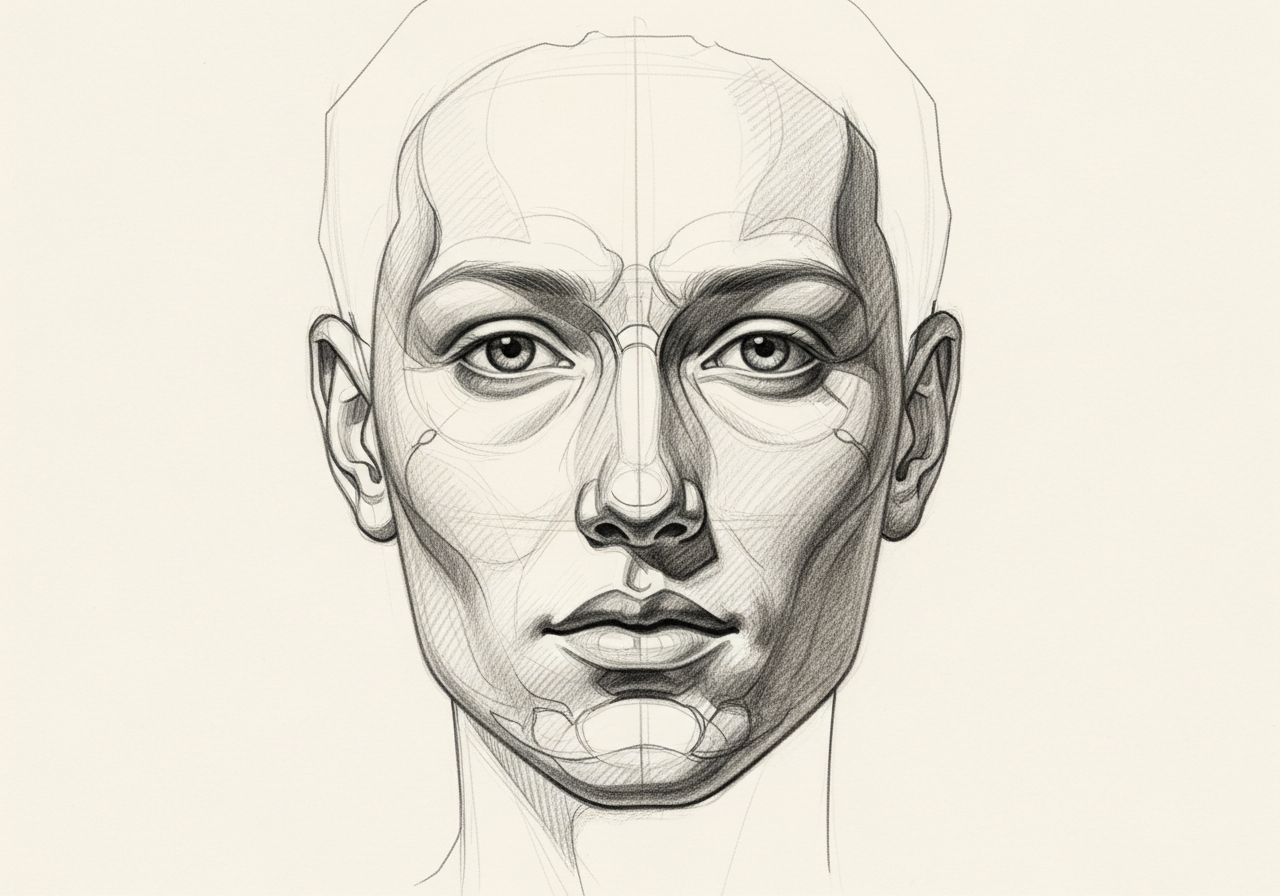
Living with facial tumors? The next step is a quiet, unhurried conversation.
Causes and risk factors
Cumulative sun exposure is a major risk factor for facial skin cancers, along with fair skin and a history of sunburns or prior skin cancer. Benign growths can develop for many reasons, including blocked glands or normal tissue changes.
A personal or family history of skin cancer increases the importance of evaluating new or changing facial growths.
How it is diagnosed
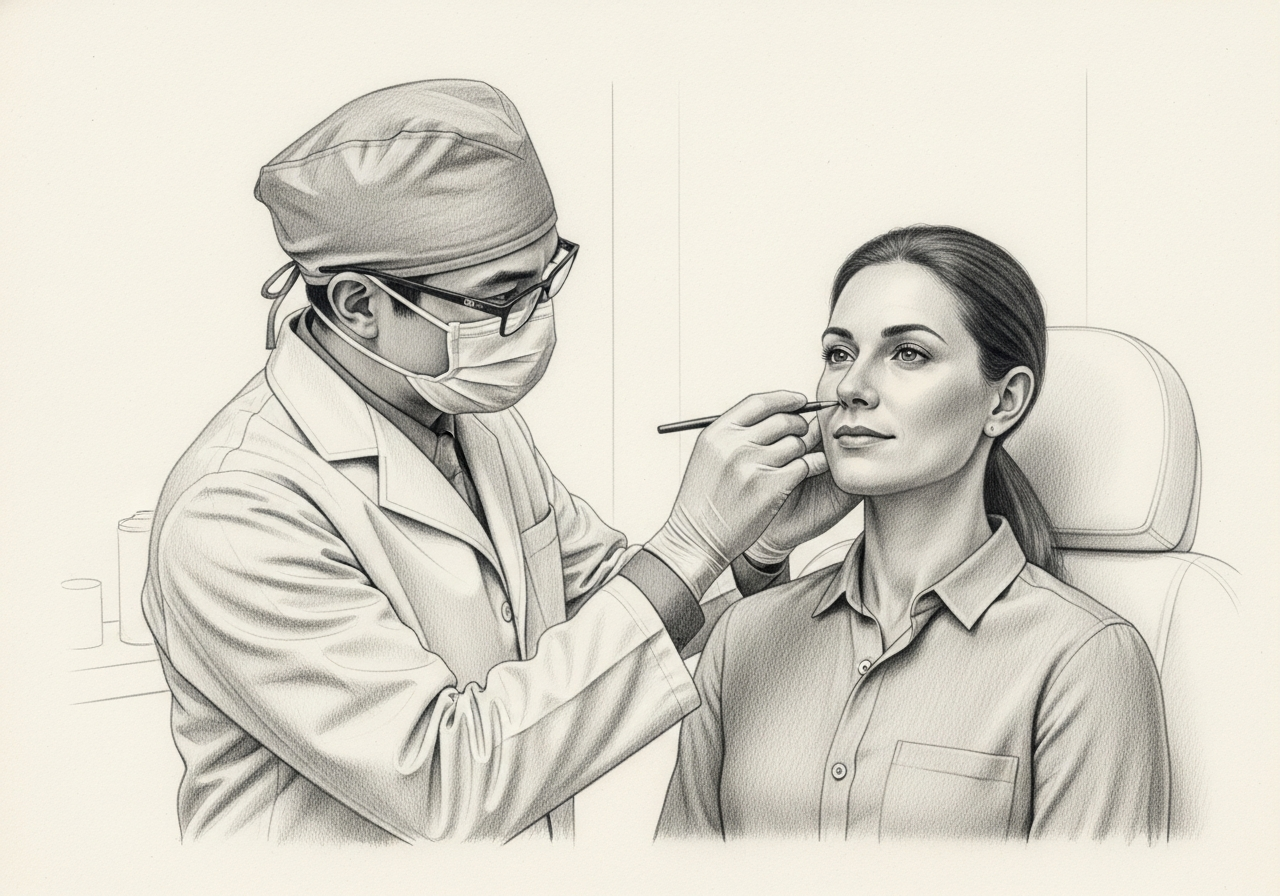
Evaluation begins with an examination of the growth and the surrounding skin. A biopsy is often the key step to determine whether a growth is benign or cancerous and to guide treatment.
Imaging may be added for deeper, larger, or recurrent tumors, or when structures beneath the skin may be involved.
Treatment options
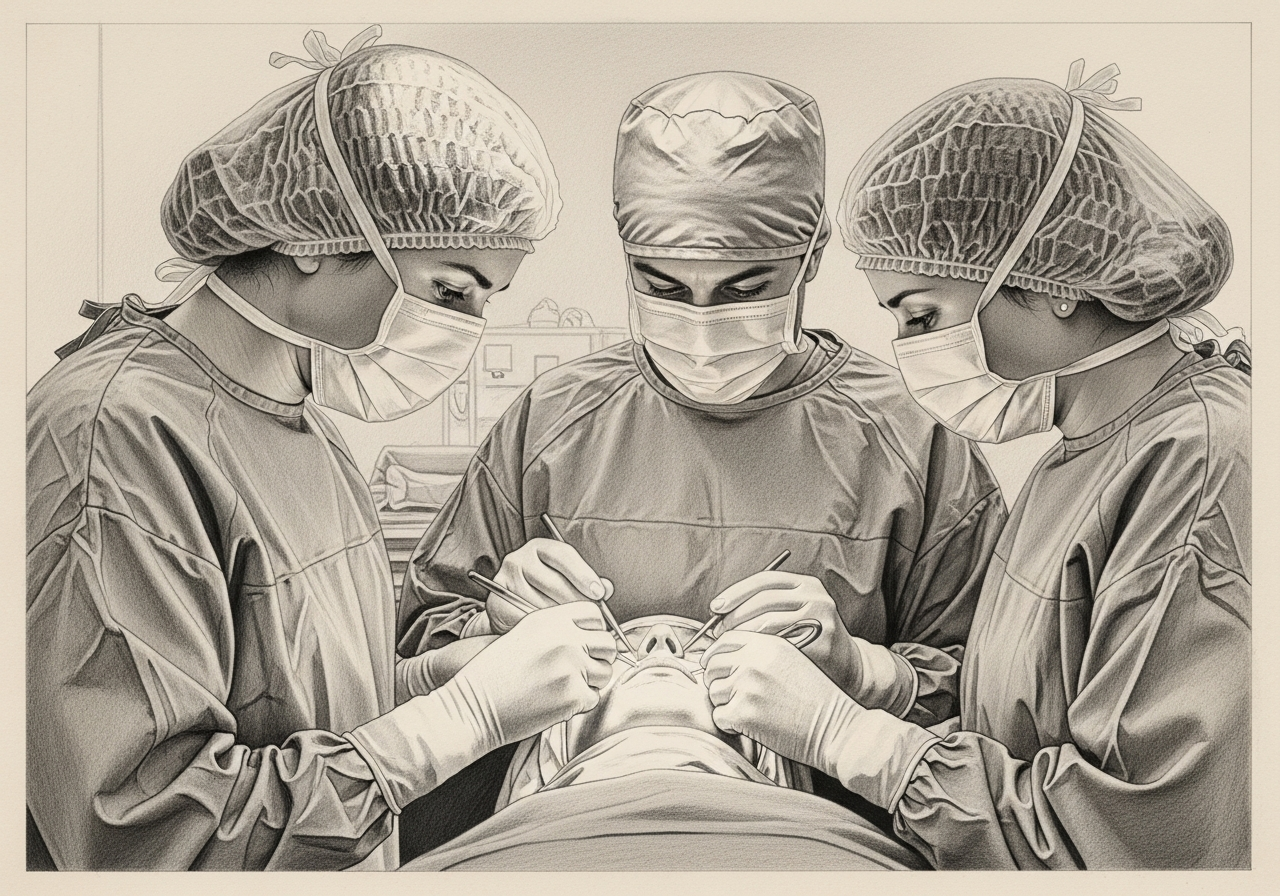
Benign growths may be observed or removed depending on size, symptoms, and location. Skin cancers are treated by removal, which may include Mohs surgery in selected cases to remove cancer while sparing healthy tissue.
Reconstruction is planned to restore the area using techniques such as direct closure, skin grafts, or local flaps, with attention to function around the eyelids, nose, and lips. Care is coordinated with dermatology and oncology when appropriate.
When to seek care
Have any new, growing, changing, bleeding, or non-healing facial growth evaluated. Most are not dangerous, but timely assessment allows skin cancers to be diagnosed and treated earlier, when reconstruction is often more straightforward.
Medical review
This page is a patient-education resource reviewed by the responsible Norelle ENT clinician before publication. It does not replace an in-person evaluation. If symptoms are severe or rapidly worsening, seek immediate medical care.
Specialists who treat facial tumors
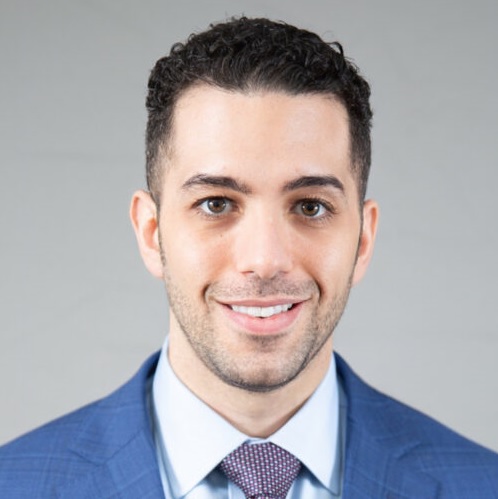
Dr. Moustafa Mourad
MD, FACS
Double Board-Certified Head & Neck and Facial Plastic & Reconstructive Surgeon
Dr. Moustafa Mourad is a double board-certified head and neck and facial plastic and reconstructive surgeon who cares for the full range of cosmetic and complex conditions affecting the face, head, and neck.
- Facial plastic and reconstructive surgery
- Head and neck cancer surgery
- Microvascular free-flap reconstruction
- Facial trauma and reconstruction
Also caring for this area

Not sure who to see? Our patient coordination team can help match you with the right specialist.
(212) 444-8006Frequently Asked Questions
Many facial growths are benign, such as cysts and lipomas. However, skin cancers are common on the face, so a growth that is new, changing, bleeding, or not healing should be evaluated.
Diagnosis usually involves an examination and a biopsy, which provides a tissue sample to determine whether a growth is benign or cancerous. Imaging may be added for deeper or larger tumors.
Mohs surgery removes skin cancer in stages, checking the tissue margins during the procedure to remove the cancer while sparing as much healthy tissue as possible. It is often used for facial skin cancers, and reconstruction can follow.
It depends on the size and location of the growth. Reconstruction can range from simple closure to skin grafts or local flaps, planned to restore appearance and protect function near the eyelids, nose, and lips.
Often yes. Benign growths may be monitored if they are stable and not bothersome, or removed if they grow, cause symptoms, or affect appearance. Your clinician can help weigh the options.
Cumulative sun exposure, fair skin, a history of sunburns, and prior skin cancer all increase risk. Sun protection and regular skin checks are reasonable preventive steps.
Watch for changes in size, shape, color, or texture, and for sores that bleed or do not heal. Any of these changes is a reason to have the spot evaluated.
Related Procedures

Related Conditions

Request a consultation for facial tumors
Schedule an evaluation with our team to review your symptoms and the appropriate next steps.