
Overview
Facial paralysis affects movement on one or both sides of the face, including eye closure, smile, speech, eating, expression, and symmetry. It can follow Bell's palsy, Ramsay Hunt syndrome, injury, tumor treatment, surgery, or other causes, and it can range from temporary weakness to long-standing paralysis.
At Norelle ENT, evaluation for facial paralysis is individualized. The clinician considers the cause, how long symptoms have been present, the degree of weakness, nerve function, eye protection, and your personal goals before recommending a plan. Early priorities often include protecting the eye and determining whether recovery is likely.
Treatment may range from eye protection and facial physical therapy to Botox for synkinesis, eyelid procedures, static support, nerve repair or transfer, and muscle transfer for long-standing paralysis. The right approach depends on the diagnosis, and two patients with similar symptoms may need very different plans.
Why patients seek care for facial paralysis
Patients look for help with facial paralysis when they notice facial weakness, an uneven smile, trouble closing an eye, changes in speech or eating, or involuntary facial movement. Many want to know whether the problem is serious, whether testing is needed, whether it will improve on its own, and who should evaluate it.
These questions usually come with real concerns: protecting the eye, recovery time, the chance of complications, and whether the weakness will be permanent. Facial paralysis care is time-sensitive and function-focused, so an early specialist visit helps clarify the cause and gives you a practical next step.
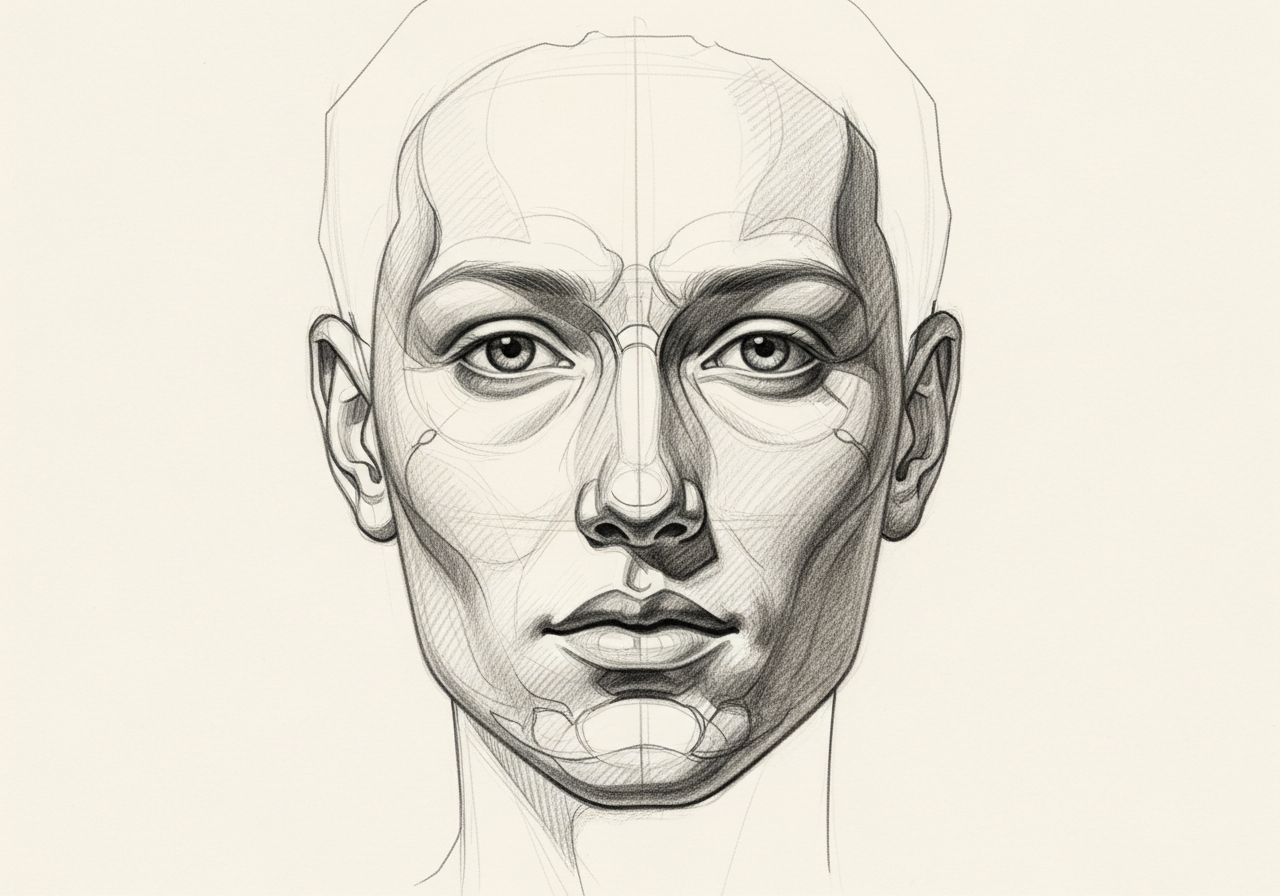
Living with facial paralysis? The next step is a quiet, unhurried conversation.
How Norelle ENT evaluates facial paralysis
Evaluation begins with a detailed history: when symptoms started, how they have changed, what treatments have been tried, any prior imaging or procedures, and what you most want to achieve. A focused examination grades facial movement and checks how well the eye is protected.
Depending on the cause, the workup may include photographs or video to document movement, electrodiagnostic testing, and imaging when a tumor, trauma, or skull-base problem is suspected. Evaluation is often staged: one step to examine and document, another to complete testing, and a follow-up to review results and build a plan. Prior records, operative notes, and pathology reports are especially valuable for complex or recurrent cases.
Symptoms and clinical patterns
Facial paralysis can look different from patient to patient. Common patterns include weakness or drooping on one side, an asymmetric smile, incomplete eye closure, dry eye or tearing, a drooping brow or mouth corner, facial tightness, and involuntary movements such as synkinesis. Symptom severity does not always match the underlying cause; some significant problems are subtle.
Sudden, severe, or rapidly worsening weakness, weakness on both sides, new neurologic changes, vision changes, or an inability to protect the eye should be evaluated promptly.
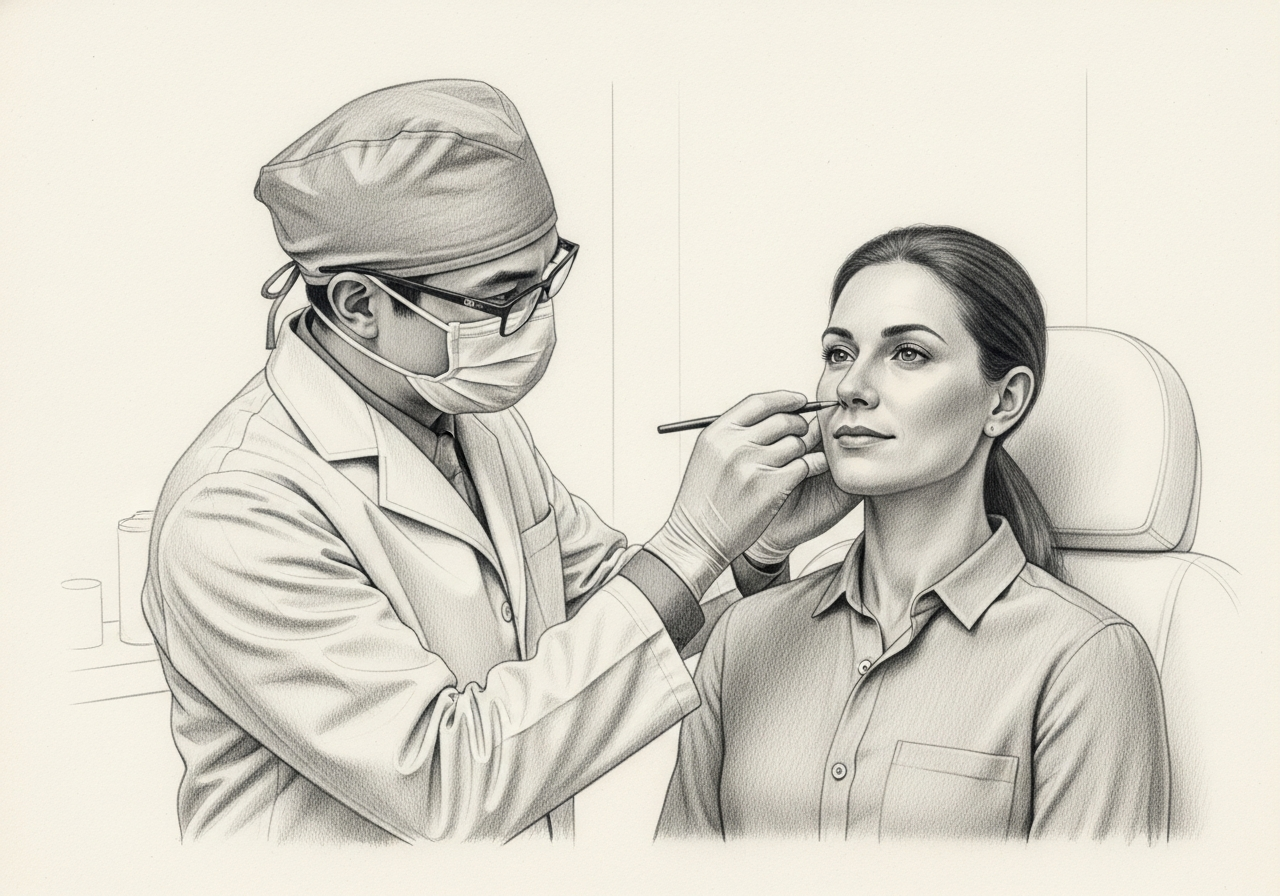
Causes, risk factors, and related conditions
Facial paralysis can have more than one cause. It may follow Bell's palsy, Ramsay Hunt syndrome, infection, trauma, tumor growth, nerve injury, prior surgery, or radiation. Some patients have more than one contributing factor.
Because the facial nerve controls eye closure, smile, and expression, the clinician asks about timing, prior photographs, trauma, skin cancer history, prior surgery, eye symptoms, and what changes bother you most. Related conditions such as Bell's palsy, synkinesis, and Ramsay Hunt syndrome are evaluated in context.
Treatment options
Treatment is individualized and is often presented in escalating steps. Options may include:
- Eye protection and lubrication
- Medication when timing and diagnosis support it
- Facial physical therapy
- Botox for synkinesis
- Eyelid procedures and static suspension
- Nerve repair, nerve transfer, or cross-face nerve grafting
- Gracilis free tissue transfer for long-standing paralysis
Some patients can be monitored safely while recovery is expected. Others benefit from therapy, office-based treatment, or staged reconstruction. The plan is intended to protect the eye, support the smile, and balance function with appearance.
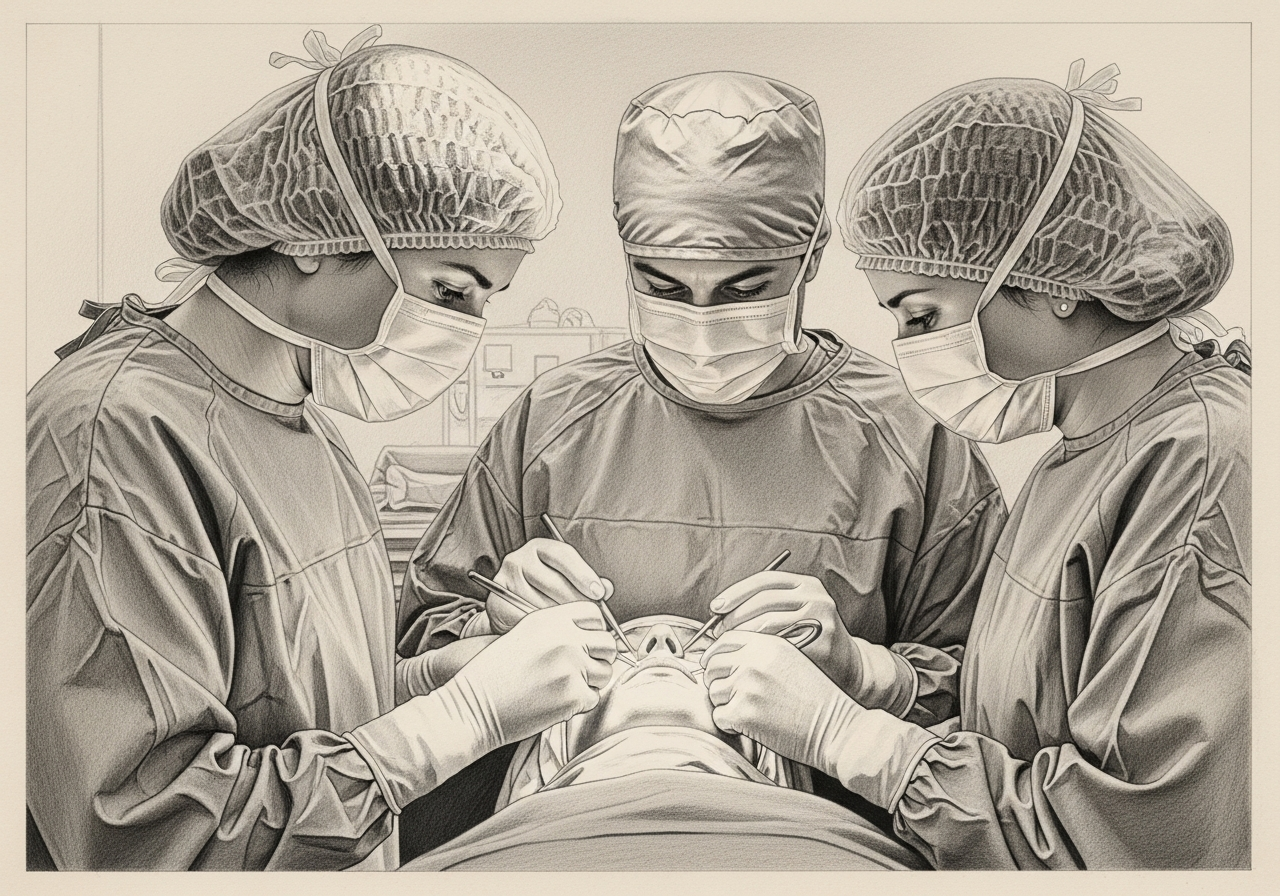
Risks, limitations, and alternatives
Facial paralysis treatment is highly individualized, and benefits cannot be guaranteed. Possible limitations include incomplete return of movement, asymmetry, overcorrection or undercorrection, donor-site symptoms, scarring, and the need for therapy or staged refinement.
Alternatives may include observation, medication, therapy, device-based eye protection, referral to another specialist, or a different procedure. A consultation matters because online information can explain possibilities but cannot determine candidacy or replace an in-person examination.
Recovery, follow-up, and long-term planning
Recovery depends on the cause and the treatment. Nerve recovery and rehabilitation take time, and swelling, bruising, tightness, numbness, and scar maturation evolve over weeks to months. Care is frequently staged, with refinement and therapy as part of the plan.
Follow-up may include symptom checks, therapy progress, eye-protection assessment, and imaging or surveillance when appropriate. You should receive clear instructions about eye care, activity, medications, and which symptoms should prompt a call to the office. Coordination may involve ophthalmology, physical therapy, neurology, or speech therapy when helpful.
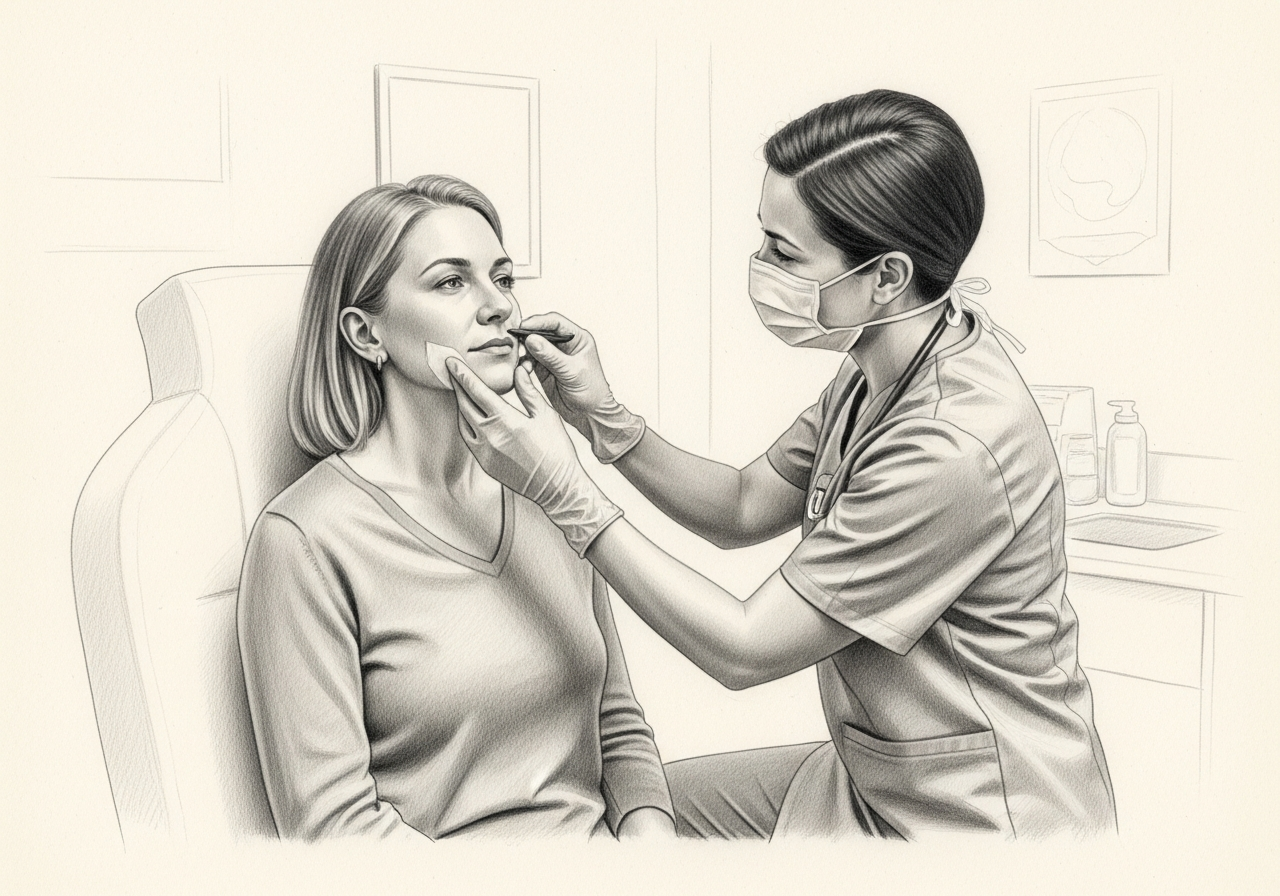
What makes Norelle ENT different
Norelle ENT emphasizes careful diagnosis, clear explanation, and conservative decision-making. Patients are evaluated in context, including anatomy, medical history, prior treatment, eye safety, and personal goals, rather than treated as isolated symptoms.
The aim is a focused, coordinated experience: understand what may be happening, complete the right evaluation, and leave with a practical plan that protects function and appearance. Second opinions are welcome, especially for complex or surgical problems.
Clinical references
Medical review
This page is a patient-education resource reviewed by the responsible Norelle ENT clinician before publication. It does not replace an in-person evaluation. If symptoms are severe or rapidly worsening, seek immediate medical care.
Patient Results
Before and After: Facial Paralysis
Photographs of Norelle ENT patients, published with consent. Individual results vary.
Specialists who treat facial paralysis
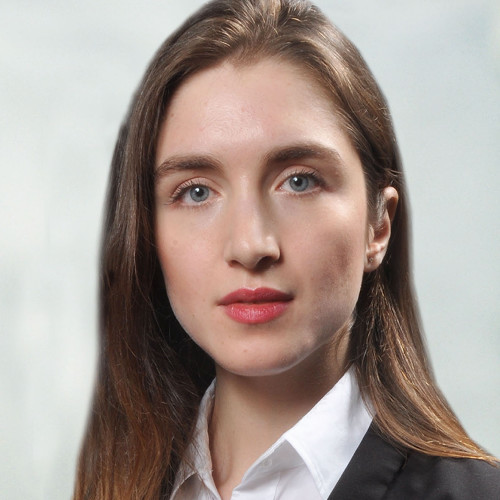
Dr. Rakhna Araslanova
MD, FRCSC, FACS
Fellowship-Trained Facial Plastic & Reconstructive Surgeon — Facial Paralysis and Reanimation
Dr. Rakhna Araslanova is a fellowship-trained facial plastic and reconstructive surgeon who leads facial paralysis and reanimation at Norelle ENT, with additional expertise in craniofacial reconstruction and aesthetic facial plastic surgery.
- Facial paralysis rehabilitation and surgical reanimation
- Craniofacial reconstruction
- Aesthetic facial plastic surgery
- Rhinoplasty
Also caring for this area
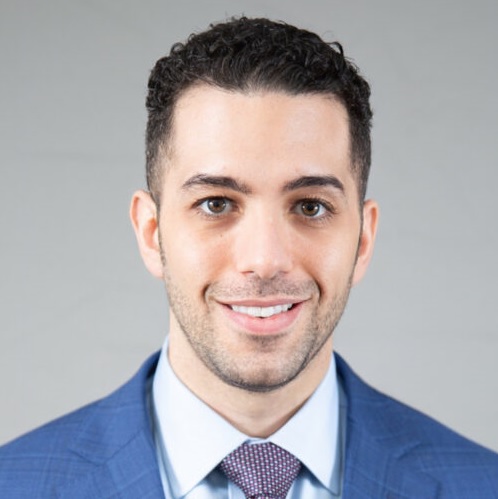

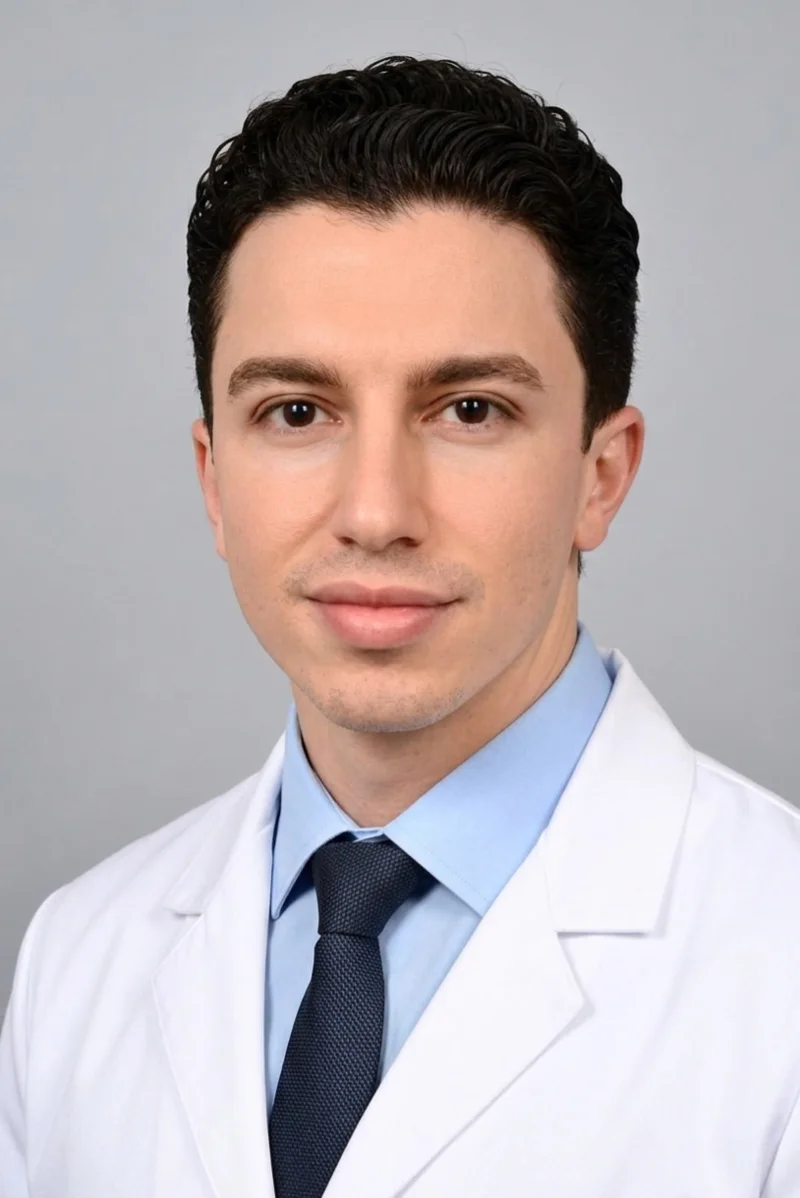

Not sure who to see? Our patient coordination team can help match you with the right specialist.
(212) 444-8006Frequently Asked Questions
Evaluation is appropriate when weakness is new, persistent, recurrent, progressive, one-sided, or interfering with eye closure, smile, speech, or eating. A clinician reviews your history, examines facial movement, checks eye protection, and orders testing when appropriate before recommending observation, therapy, or a procedure.
Some causes, such as Bell's palsy, often improve over weeks to months, while others may not fully recover. The likelihood of recovery depends on the cause, the degree of weakness, and nerve function, which is why early evaluation and eye protection are important.
Diagnosis may include a focused history, an examination that grades facial movement, photographs or video, electrodiagnostic testing, and imaging when a tumor, trauma, or skull-base problem is suspected. Testing is selected to confirm the cause and guide treatment.
Often, yes. Eye protection, medication when appropriate, facial physical therapy, and Botox for synkinesis can help many patients. Surgery such as eyelid procedures, static suspension, or nerve and muscle transfer is considered when it is the most appropriate option for the diagnosis and goals.
When the eye cannot close fully, the surface can dry out and become injured. Lubrication, taping, weights, or eyelid procedures may be recommended to protect vision while other treatment is planned.
Long-standing paralysis may be addressed with reanimation procedures such as nerve transfer, cross-face nerve grafting, or gracilis free tissue transfer, along with eyelid surgery and static support. The plan is staged and individualized to balance smile, eye protection, and symmetry.
Bring prior imaging, operative notes, pathology or biopsy reports, medication lists, photographs from before symptoms began, and a written timeline of how symptoms started and changed. These records help the specialist avoid repeating steps and focus the visit.
Seek prompt care for sudden or rapidly worsening weakness, weakness on both sides, new neurologic changes, vision changes, severe headache with neurologic symptoms, or an inability to close or protect the eye.
Related Procedures

1 of 7 · Facial Nerve Repair
Related Conditions

Request a consultation for facial paralysis
Schedule an evaluation with our team to review your symptoms and the appropriate next steps.