

Overview
Facial trauma covers a wide range of injuries to the face, from cuts and bruises to fractures of the nose, cheekbones, eye sockets, and jaw. These injuries commonly result from falls, sports, motor vehicle collisions, work accidents, and assaults.
Because the face houses structures that are essential for breathing, vision, eating, speaking, and expression, facial injuries can affect both function and appearance. The right care depends on which structures are involved and how severe the injury is.
At Norelle Health, evaluation of facial trauma focuses first on safety and any urgent concerns, then on restoring function and appearance. Treatment ranges from careful wound repair to fracture repair, with attention to scarring and long-term facial balance.
Types of facial injury
Common patterns include soft-tissue lacerations, nasal fractures, cheekbone and eye-socket fractures, and jaw fractures. Each can affect different functions, such as nasal breathing, eye position, sensation, or the way the teeth meet.
More than one injury can be present at the same time, so a thorough assessment is important.
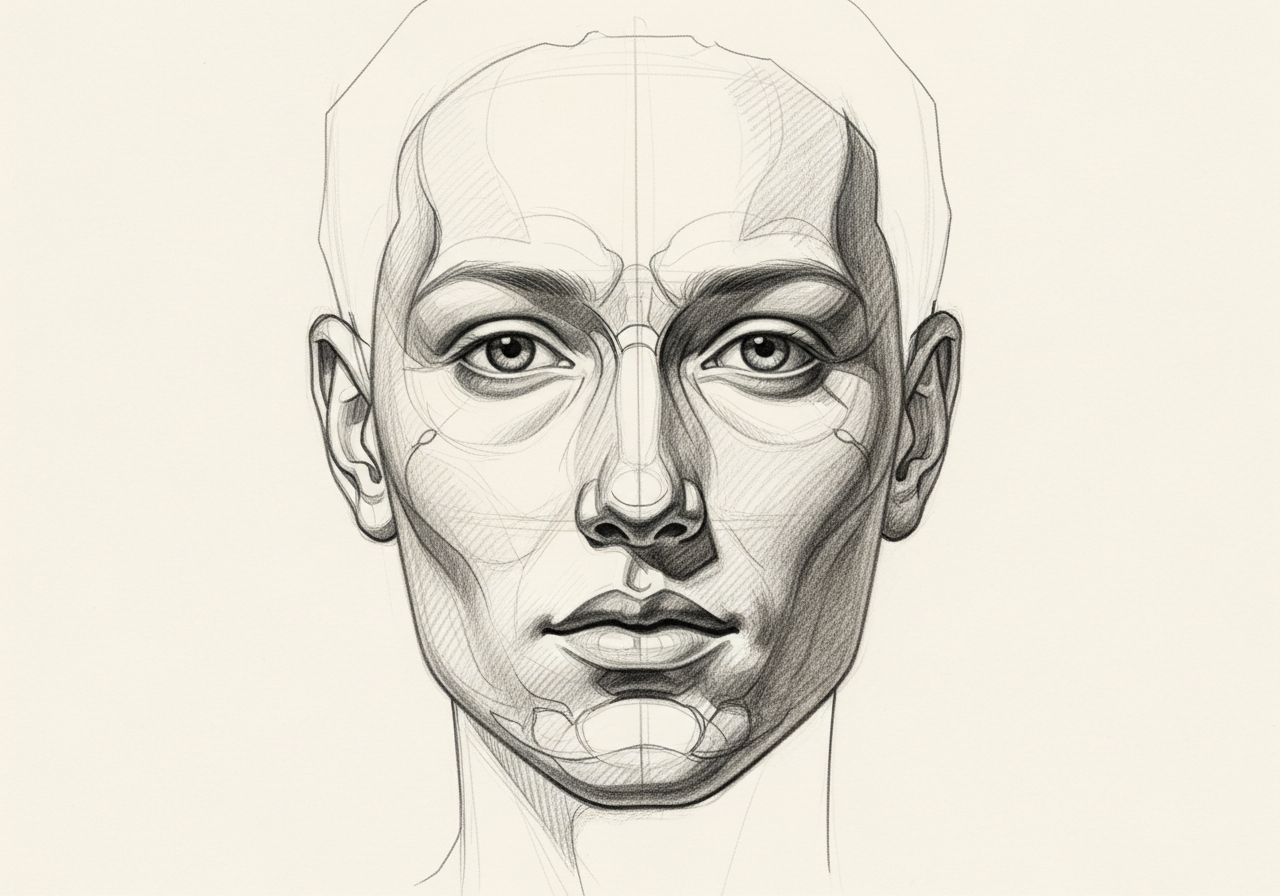
Living with facial trauma? The next step is a quiet, unhurried conversation.
Initial assessment and safety
Serious facial injuries are evaluated first for urgent concerns such as airway, significant bleeding, eye injury, and associated head or neck injury. Some facial trauma occurs alongside other injuries that take priority.
Once a patient is stable, attention turns to the specific facial structures involved and the best timing for repair.
How it is diagnosed
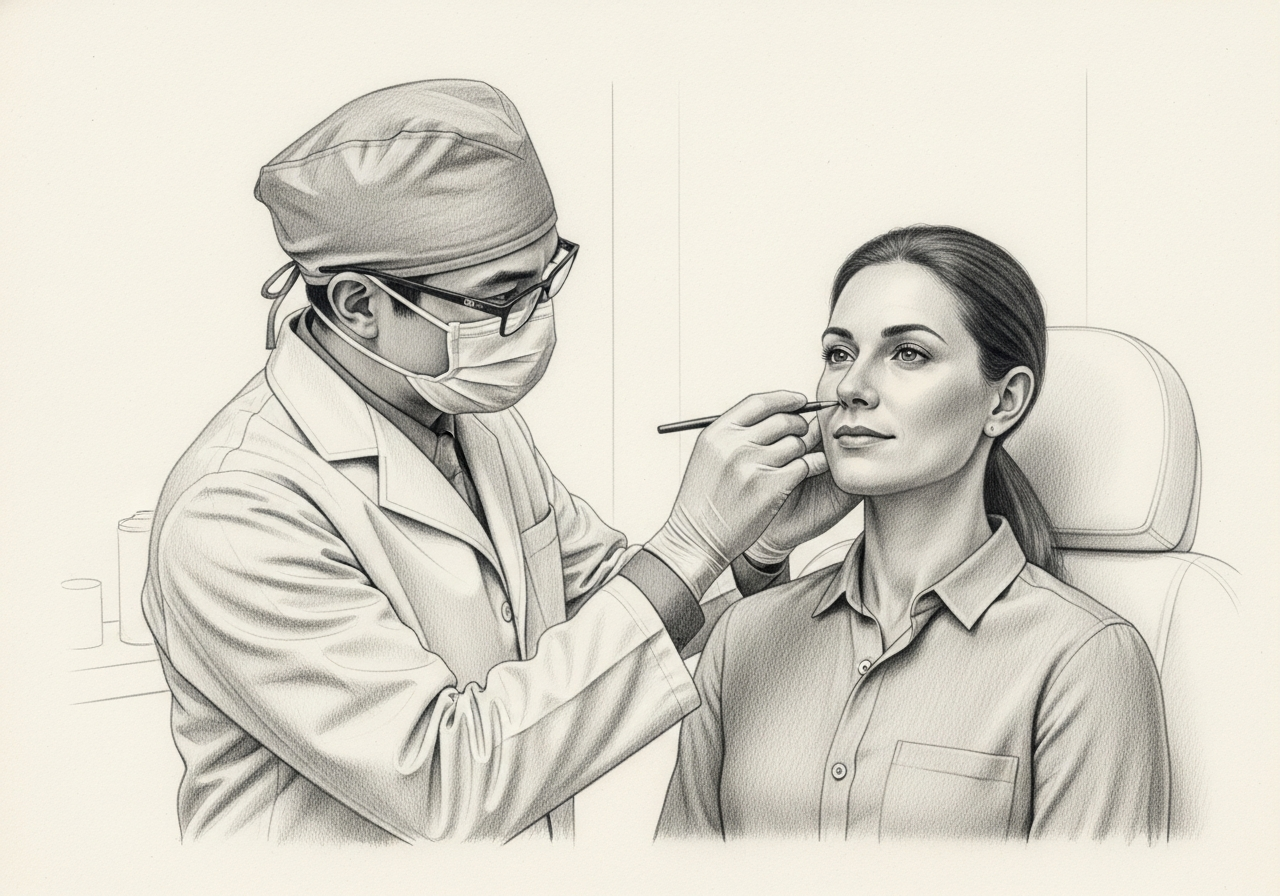
Diagnosis combines examination with imaging. CT scans are often used to define facial fractures and their alignment, and an eye assessment is performed when the orbit is involved.
The evaluation checks nasal breathing, facial sensation, eye movement and position, and how the teeth fit together, since these guide treatment.
Treatment options
Soft-tissue injuries are cleaned and repaired with attention to limiting scarring. Bleeding and nasal injuries are managed as needed.
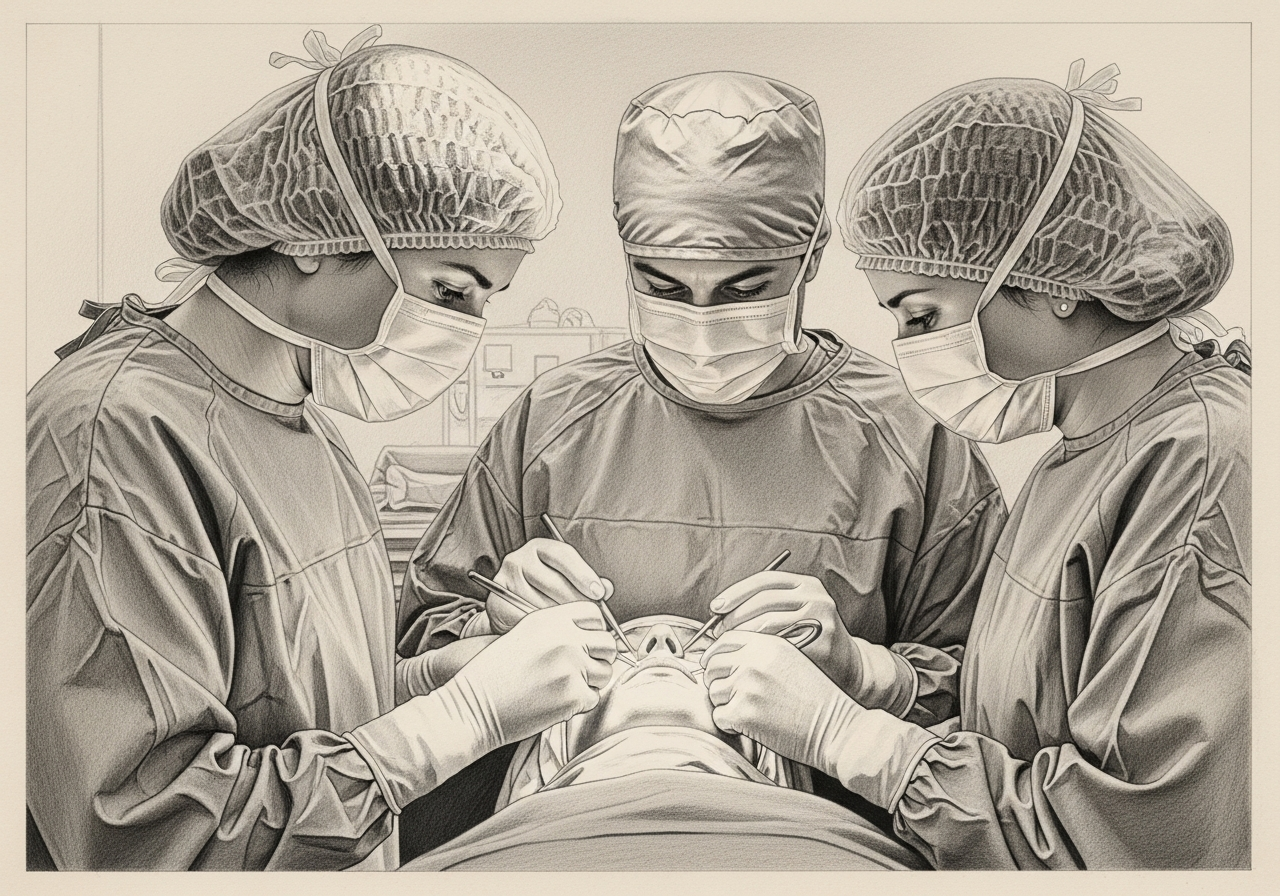
Fractures may be treated by repositioning the bone without an incision (closed reduction) or by surgical repair to realign and stabilize the bones when displacement affects function or appearance. Care is often coordinated with eye, dental, or oral surgery specialists, and scar management or revision can be part of longer-term care.
When to seek care
Seek emergency care for serious facial injuries, especially with trouble breathing, heavy bleeding, vision changes, loss of consciousness, or a possible head or neck injury. For lesser injuries, prompt evaluation still matters, because some fractures are best treated within a limited window before healing begins.
Medical review
This page is a patient-education resource reviewed by the responsible Norelle Health clinician before publication. It does not replace an in-person evaluation. If symptoms are severe or rapidly worsening, seek immediate medical care.
Specialists who treat facial trauma

Dr. Moustafa Mourad
MD, FACS
Double Board-Certified Head & Neck and Facial Plastic & Reconstructive Surgeon
Dr. Moustafa Mourad is a double board-certified head and neck and facial plastic and reconstructive surgeon who cares for the full range of cosmetic and complex conditions affecting the face, head, and neck.
- Facial plastic and reconstructive surgery
- Head and neck cancer surgery
- Microvascular free-flap reconstruction
- Facial trauma and reconstruction
Also caring for this area



Not sure who to see? Our patient coordination team can help match you with the right specialist.
(212) 444-8006Frequently Asked Questions
Timing depends on the fracture and the patient, but many facial fractures are best addressed within a limited window, often within one to two weeks, before the bones begin to heal in position. Prompt evaluation helps determine the right timing.
Careful repair is aimed at minimizing scarring, and scars often fade over time. When a scar remains noticeable, scar management or revision can be considered later.
No. Some fractures are stable and heal well without surgery, while others are repositioned without an incision or repaired surgically when displacement affects breathing, vision, sensation, or the bite.
Seek urgent care for trouble breathing, heavy bleeding, vision changes or double vision, severe pain, a change in your bite, or symptoms of a head injury such as confusion or loss of consciousness.
Yes. A displaced nasal fracture can narrow the airway or shift the septum, which may affect breathing. This can often be addressed at the time of injury or later with nasal procedures.
Facial injuries can involve the eyes, teeth, and jaw, so care is frequently coordinated with eye, dental, or oral surgery specialists to protect all the affected structures.
Recovery depends on the injury and treatment, and may include swelling and bruising that improve over weeks, activity restrictions, and follow-up to monitor healing and function.
Related Procedures

1 of 3 · Facial Fracture Repair
Request a consultation for facial trauma
Schedule an evaluation with our team to review your symptoms and the appropriate next steps.