

Overview
Head and neck cancer is a group of cancers that begin in the mouth, throat, voice box, nose and sinuses, or salivary glands. These areas are responsible for breathing, speaking, swallowing, and appearance, so both diagnosis and treatment focus on confirming the disease accurately and preserving function whenever possible.
Many head and neck cancers are first noticed as a persistent neck lump, a sore that does not heal, a lasting sore throat or voice change, or difficulty swallowing. Tobacco and alcohol use are recognized risk factors, and human papillomavirus (HPV) is associated with certain throat cancers. Because symptoms can be subtle, persistent changes should be evaluated.
Norelle Health approaches head and neck cancer with careful evaluation, tissue diagnosis, and imaging, and coordinates care across radiology, pathology, medical and radiation oncology, and reconstructive and rehabilitation services. Treatment planning emphasizes accurate staging and protection of swallowing, voice, and appearance.
How we approach the decision
A head and neck cancer diagnosis raises two questions at once: how to control the disease, and how treatment may affect speech, swallowing, breathing, appearance, and daily life. A focused evaluation is built to answer both. The decisions this care is meant to help you understand are:
- Where did the cancer begin, and is the pathology, including HPV, EBV, grade, or other relevant biomarkers, complete?
- Which options offer an appropriate cancer-control plan: surgery, radiation, systemic therapy, or a combined approach?
- What must be planned before treatment to protect swallowing, voice, nutrition, airway safety, dental health, and reconstruction?
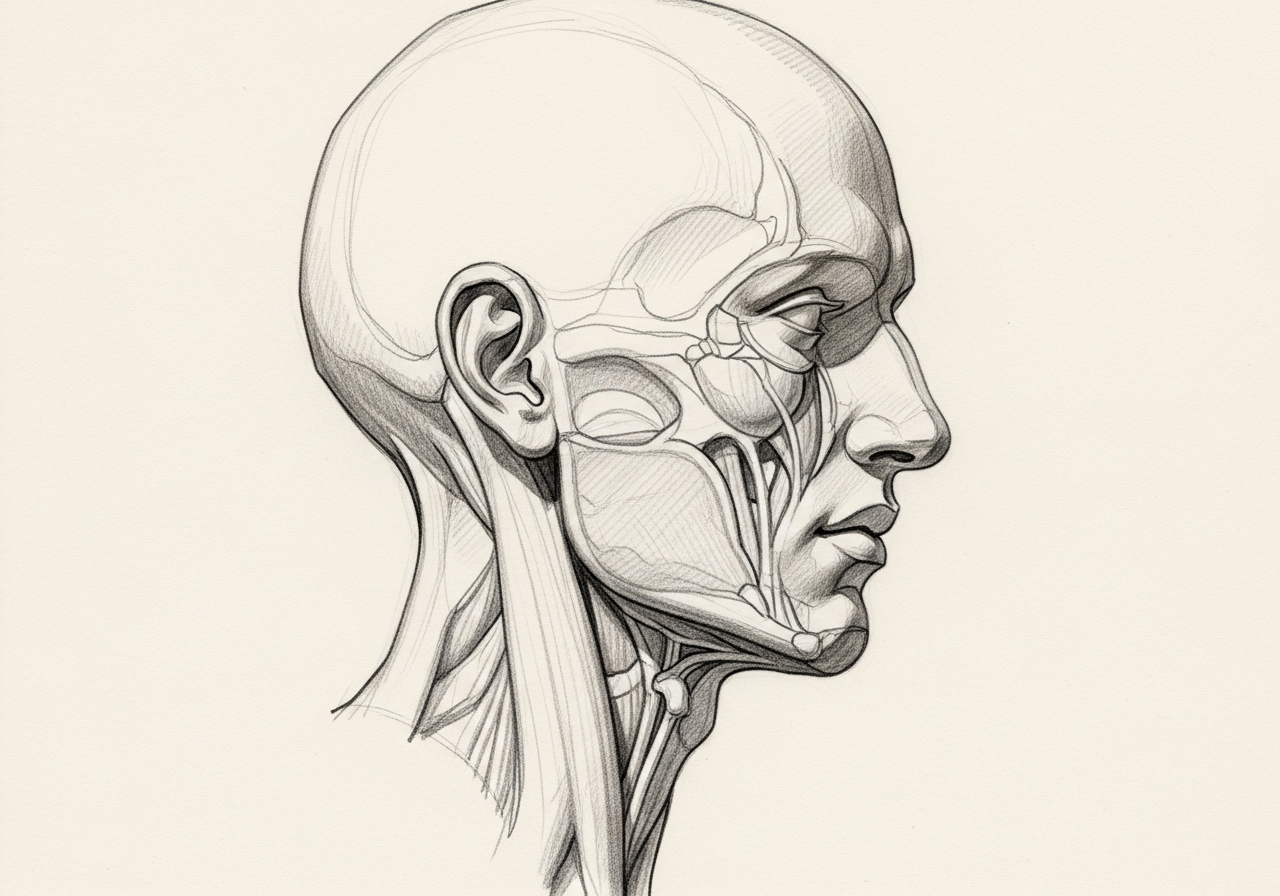
Living with head and neck cancer? The next step is a quiet, unhurried conversation.
What happens next
Evaluation usually follows a clear sequence:
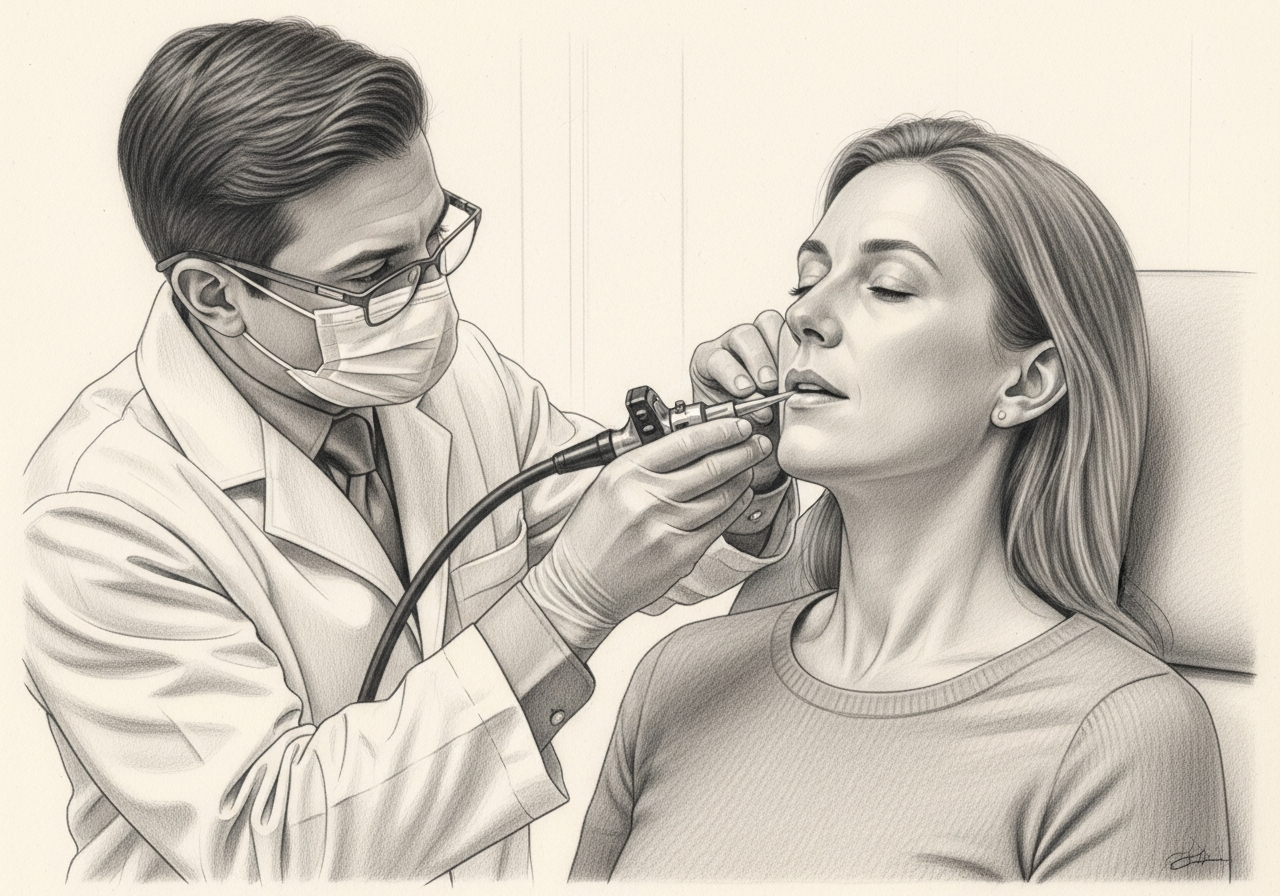
- Specialist examination, often including flexible endoscopy when the primary site may be in the throat or larynx, frequently prompted by a persistent neck mass.
- Tissue diagnosis with pathology review and site-appropriate biomarker testing.
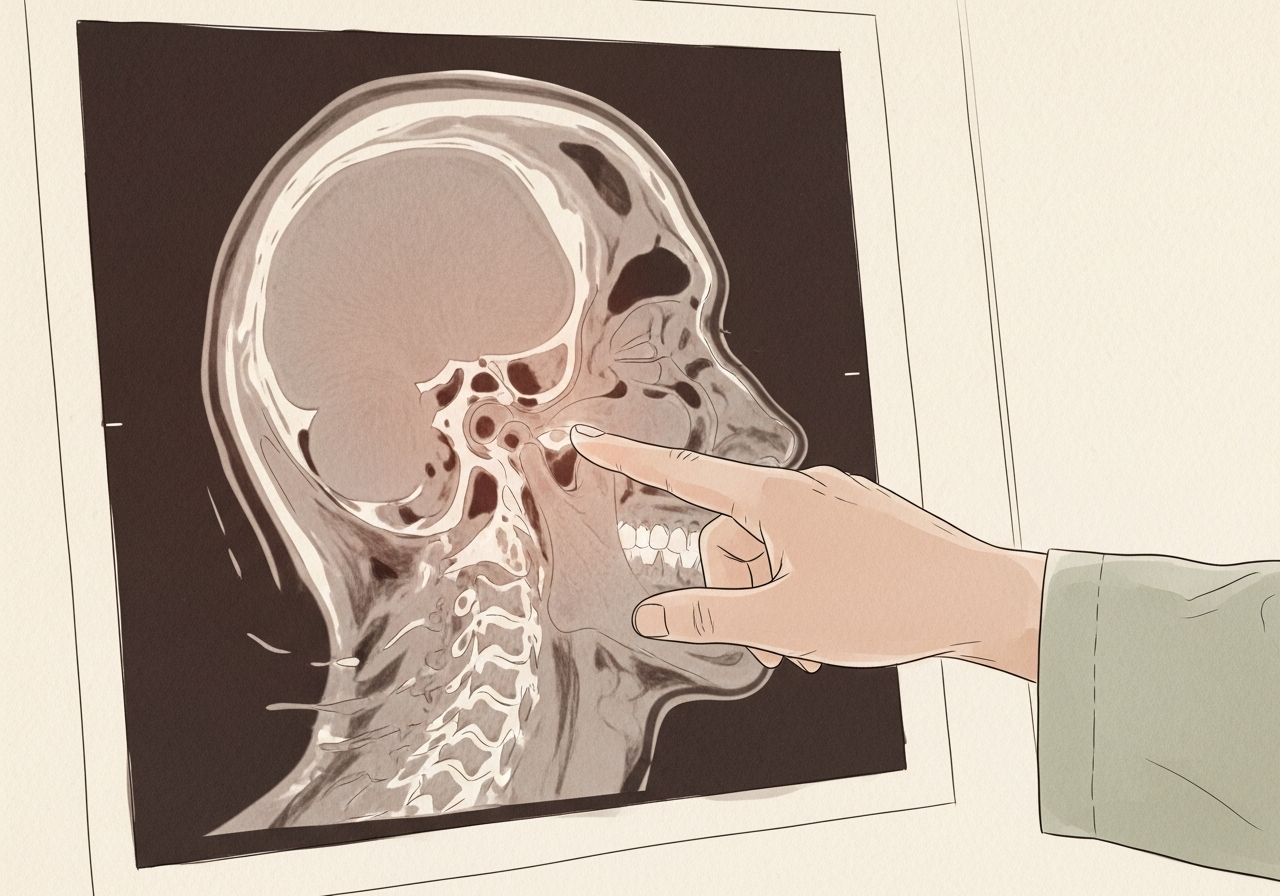
- Imaging and staging that define the primary tumor, lymph nodes, distant disease, and anatomic relationships.
- Treatment comparison with functional assessment, reconstructive planning, and rehabilitation needs identified before therapy starts. When an operation is recommended, head and neck cancer surgery and head and neck reconstruction are often planned together.
- A written plan for treatment sequence, pathology review, surveillance, and survivorship.
When cancer is found in a neck node but the starting point is not yet clear, the workup for unknown primary head and neck cancer is used to locate the source. A head and neck cancer second opinion can confirm the diagnosis and review the proposed plan before treatment begins.
Symptoms and warning signs
Warning signs include a neck lump that persists for two weeks or longer, a non-healing mouth or throat sore, a lasting voice change, difficulty or pain with swallowing, persistent one-sided ear pain, and unexplained weight loss.
These symptoms are common and often have benign causes, but when they persist they should be evaluated rather than waited out, because earlier evaluation can broaden the options available.
Causes and risk factors
Recognized risk factors include tobacco use in any form, heavy alcohol use, and infection with certain types of HPV, which is linked to some throat cancers. Sun exposure is a risk for cancers of the lip and skin of the head and neck.
A clinician may ask about tobacco and alcohol history, HPV-related risk, prior radiation, and family history. Having a risk factor does not mean cancer is present, and many patients have no clear risk factor.
How it is diagnosed
Diagnosis combines examination, tissue sampling, and imaging:
- A head and neck examination, often with flexible endoscopy
- Biopsy or fine needle aspiration to confirm the diagnosis
- CT, MRI, or PET imaging to define the tumor and check for spread
- HPV testing of throat tumors when relevant
These steps establish the diagnosis and stage, which guide treatment.
Treatment options
Treatment is individualized based on the site, type, and stage of cancer and the patient's overall health. It may involve surgery, radiation therapy, chemotherapy, targeted therapy, or a combination.
When surgery affects appearance or function, reconstruction and rehabilitation are part of the plan. Care is coordinated through a multidisciplinary team so that swallowing, voice, breathing, and appearance are considered alongside cancer control. The reasoning behind each recommended option is explained so decisions can be made together.
When surgery may be considered
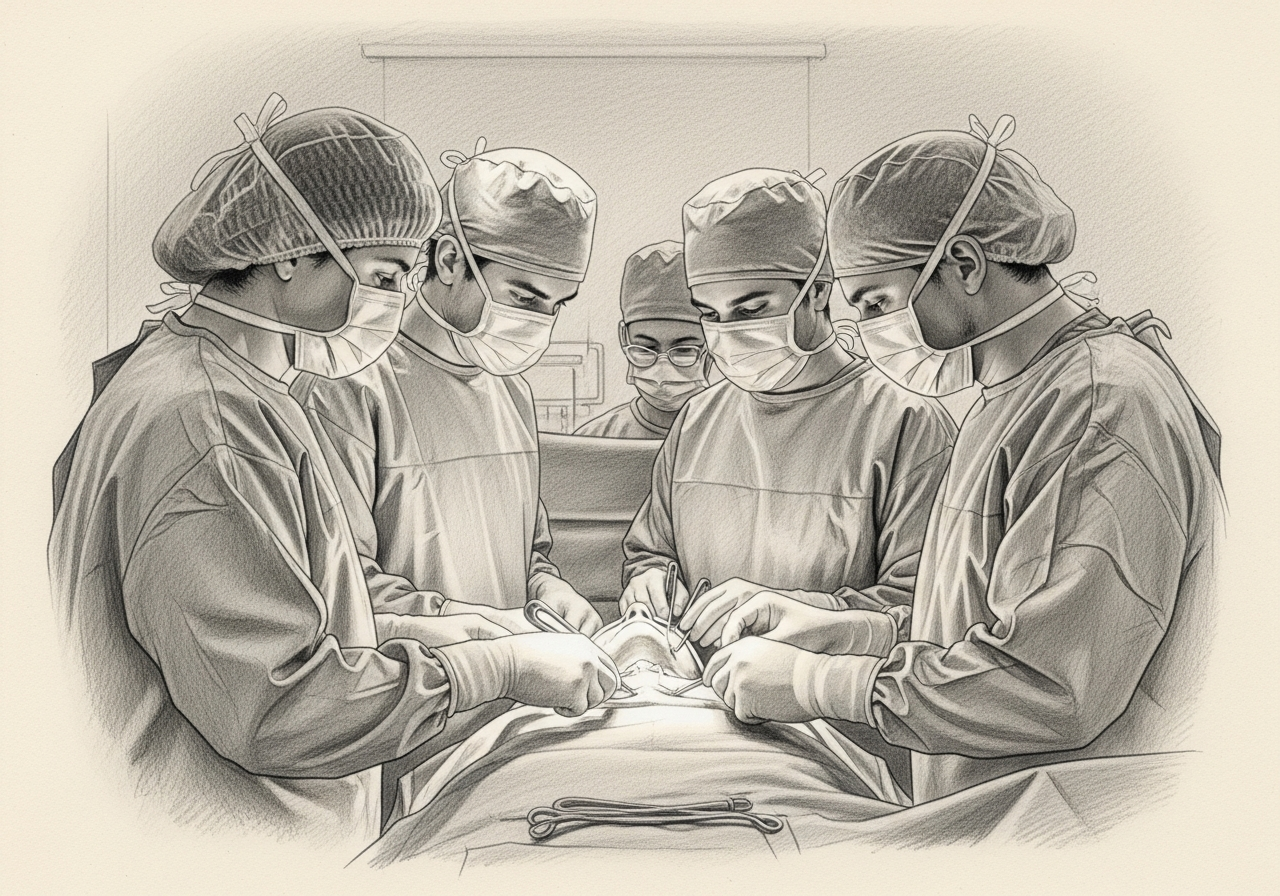
Surgery may be used to remove a primary tumor, treat lymph nodes in the neck, confirm a diagnosis, address recurrent disease, or reconstruct tissue affected by cancer or prior treatment. Whether surgery is preferred depends on the site and stage of the cancer and on the expected effect on function compared with non-surgical treatment.
Examples include removal of tumors of the oral cavity, salivary glands, sinuses, or selected throat and voice box sites, along with treatment of lymph nodes. Some selected throat tumors may be approached through the mouth, while others require an open approach.
Neck lymph nodes and neck dissection
Head and neck cancers can spread to lymph nodes in the neck. A neck dissection removes lymphatic tissue from selected levels of the neck, and the extent is based on where the cancer started, imaging, examination, and pathology. It may be performed at the same time as removal of the primary tumor or as a separate operation.
Planning includes a discussion of shoulder movement, numbness, swelling, scar care, drains, and rehabilitation, and whether nearby nerves, muscles, and blood vessels can be preserved.
Reconstruction and functional planning
After a tumor is removed, reconstruction may be needed to close a defect, restore the tongue or jaw, separate the mouth from the neck, cover exposed structures, and support speech and swallowing. Options range from primary closure and grafts to local or regional flaps and microvascular free flaps, and the choice depends on the size and location of the defect, prior radiation, overall health, and treatment goals.
Speech-language pathology, nutrition, and dental care may be integrated into recovery, sometimes in coordination with partner teams.
Follow-up and surveillance
After treatment, follow-up may include examination, endoscopy, imaging, thyroid testing after radiation to the neck, dental care, nutrition support, speech and swallowing assessment, shoulder rehabilitation, and monitoring for recurrence or a second cancer. The schedule depends on the cancer type, stage, and treatment received.

When to seek urgent care
Use these categories to guide timing:
- Emergency, meaning call 911 or go to the nearest emergency department: difficulty breathing, significant bleeding from the mouth or throat, an inability to swallow liquids or saliva, rapidly increasing neck swelling, or signs of dehydration.
- Same-day or urgent evaluation: a rapidly enlarging mass or quickly worsening symptoms.
- Routine specialist evaluation: a neck lump that persists for two weeks or longer, a non-healing mouth or throat sore, a lasting voice change, or trouble swallowing.
The online consultation form is for routine scheduling and is not an emergency service.
Clinical perspective
Our head and neck surgeons make the first treatment decision by weighing which findings make surgery more or less suitable, when reconstruction should be planned at the same time as tumor removal, and when a patient should meet radiation or medical oncology before committing to a plan.
Findings that generally favor a surgical approach include an accessible tumor where removal can achieve clear margins with acceptable effects on function. Findings that call for caution include extensive local invasion, involvement of major nerves or vessels, or significant medical conditions that affect healing. Some sites are better controlled with radiation or combined therapy, or an operation would compromise function without improving cancer control.
What commonly changes the recommendation is new pathology detail, the results of staging imaging, and a patient's own priorities for voice, swallowing, and appearance. Candidacy is determined individually after specialist review rather than from a general rule.
What to bring to your consultation
Bringing the right records makes a consultation more efficient. Helpful items include:
- Prior imaging and the written reports
- Pathology or biopsy results when available
- Recent laboratory results
- Treatment notes and operative reports from any prior care
- A current medication list
- The specific decision you want the consultation to answer
For a second opinion, the pathology report and slides, imaging files, and any proposed treatment plan are especially useful. Request a consultation for a focused review of the diagnosis, the available options, the likely tradeoffs, and the steps needed before treatment.
Medical review
This page is a patient-education resource reviewed by the responsible Norelle Health clinician before publication. It does not replace an in-person evaluation. If symptoms are severe or rapidly worsening, seek immediate medical care.
Specialists who treat head and neck cancer

Dr. Moustafa Mourad
MD, FACS
Double Board-Certified Head & Neck and Facial Plastic & Reconstructive Surgeon
Dr. Moustafa Mourad is a double board-certified head and neck and facial plastic and reconstructive surgeon who cares for the full range of cosmetic and complex conditions affecting the face, head, and neck.
- Facial plastic and reconstructive surgery
- Head and neck cancer surgery
- Microvascular free-flap reconstruction
- Facial trauma and reconstruction
Also caring for this area

Not sure who to see? Our patient coordination team can help match you with the right specialist.
(212) 444-8006Frequently Asked Questions
It is a group of cancers that begin in the mouth, throat, voice box, nose and sinuses, or salivary glands. Because these areas control breathing, speech, and swallowing, care focuses on accurate diagnosis and preserving function.
Persistent signs include a neck lump, a non-healing mouth or throat sore, a lasting voice change, difficulty swallowing, one-sided ear pain, and unexplained weight loss. Symptoms that persist should be evaluated rather than waited out.
Recognized risk factors include tobacco use, heavy alcohol use, and certain types of HPV linked to some throat cancers. Many patients have no obvious risk factor, so evaluation is based on symptoms.
Diagnosis combines a head and neck examination, often with endoscopy, a biopsy to confirm the diagnosis, and imaging such as CT, MRI, or PET to define the tumor and check for spread.
Treatment depends on the site, type, and stage and may involve surgery, radiation therapy, chemotherapy, or targeted therapy, often in combination. Reconstruction and rehabilitation help restore function and appearance.
Head and neck cancer often involves several treatment types and affects breathing, swallowing, voice, and appearance. A multidisciplinary team helps align cancer control with preserving function.
No. Some cancers are treated mainly with radiation or combined therapy, while others are treated primarily with surgery. The recommendation depends on the tumor site, stage, pathology, expected function, prior treatment, and individual priorities.
Sometimes cancer is found in a neck lymph node before the original tumor is identified. Evaluation may include imaging, endoscopy, directed biopsies, assessment of the tonsils and base of the tongue, and pathology testing to help locate the source.
It can, depending on the site and extent of treatment. Preoperative planning, reconstruction, nutrition support, and speech and swallowing therapy are used to reduce and manage functional effects, although outcomes vary.
Yes. Second opinions are appropriate for cancer decisions. Bringing prior imaging, pathology, and reports helps the review be thorough and efficient.
Usually the pathology report and slides, imaging reports and image files, operative notes, any prior radiation or systemic-therapy records, recent laboratory results, and the proposed treatment plan.
Biomarkers can clarify where a cancer began, refine staging or prognosis, and sometimes influence treatment planning. Their meaning depends on the tumor site and pathology.
Reconstruction should be considered before tumor removal whenever the operation may affect the mouth, throat, jaw, skin, nerves, or major vessels. Planning both operations together can protect function and healing.
The goal is prompt, accurate staging and coordinated planning without avoidable delay. The appropriate timeline depends on symptoms, tumor biology, needed testing, and whether dental, nutritional, airway, or reconstructive preparation is required.
Clinical References
These independent resources from medical and professional organizations offer further reading. They are provided for general education and do not replace a consultation with a clinician.
- National Cancer Institute: Head and Neck Cancers
- National Cancer Institute: Oropharyngeal Cancer Treatment (PDQ)
- AAO-HNS: Clinical Practice Guideline for Neck Mass in Adults
- American Head and Neck Society: Survivorship Resources
- American Cancer Society: Oral Cavity and Oropharyngeal Cancer
- National Cancer Institute: Laryngeal Cancer Treatment (PDQ)
Related Resources
Related Procedures

1 of 4 · Head and Neck Cancer Surgery
Related Conditions

Request a consultation for head and neck cancer
Schedule an evaluation with our team to review your symptoms and the appropriate next steps.