
About the Procedure
Static suspension is a reconstructive technique used in facial paralysis to support and reposition structures that have drooped because the facial muscles are no longer working. Using a strip of the patient's own tissue (such as fascia) or a suture sling, the surgeon lifts the corner of the mouth, cheek, or other areas to restore a more balanced position when the face is at rest.
Unlike facial reanimation procedures that aim to restore movement, static suspension does not create a spontaneous smile. Its purpose is to improve resting symmetry, support the mouth and cheek, and help with functions such as keeping food in the mouth and clearer speech.
At Norelle ENT, static suspension is considered as part of an individualized facial paralysis plan. It may be used on its own, particularly when dynamic options are not suitable, or alongside other procedures that address the eye, brow, or smile.
Who may be a candidate
Static suspension may be considered when:
- Facial paralysis has caused drooping of the mouth or cheek
- The native facial muscles can no longer be reactivated, or dynamic surgery is not suitable
- A patient prefers a less complex procedure to improve resting balance
- Additional support is needed alongside other facial paralysis surgery
The decision depends on how long paralysis has been present, the condition of the muscles and nerves, and the patient's goals.
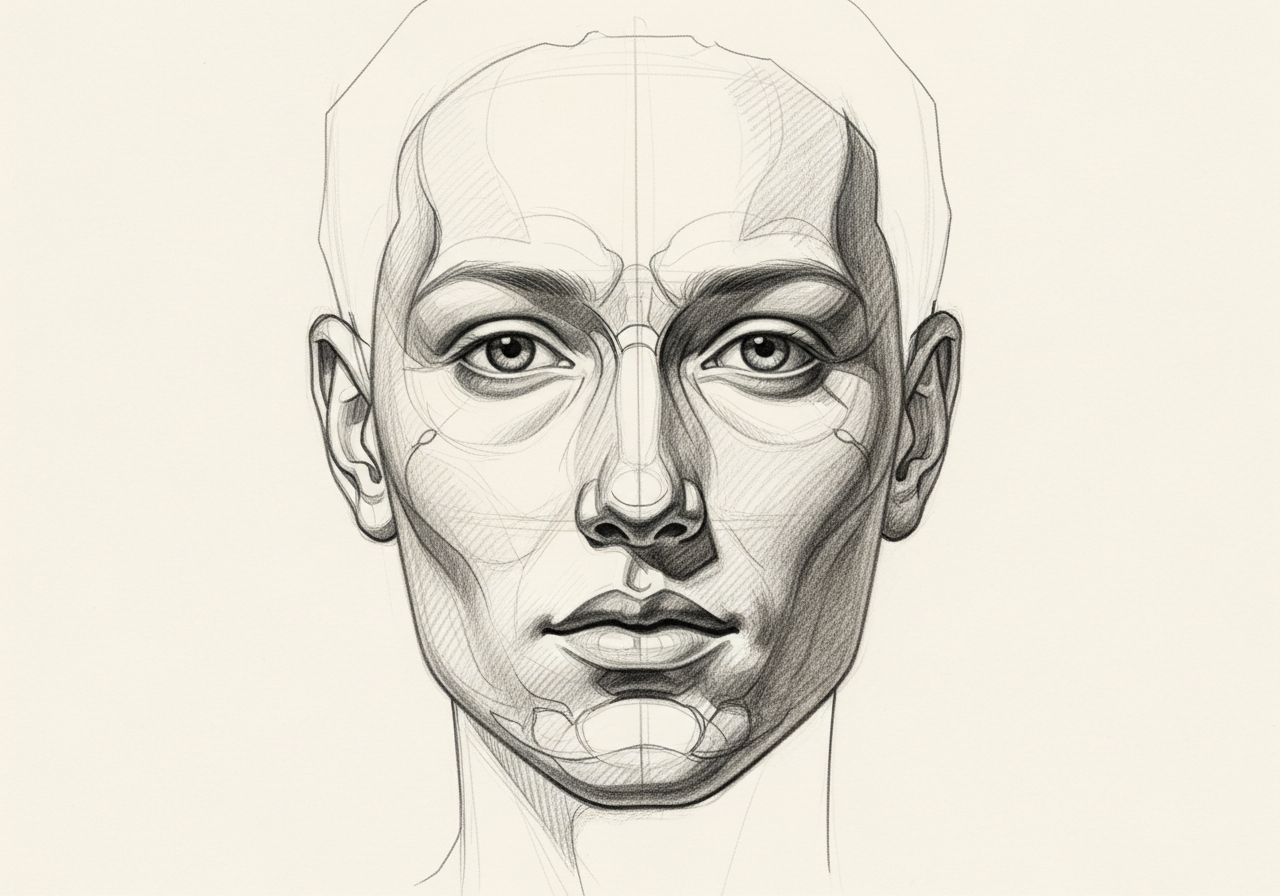
Considering static suspension? The next step is a quiet, unhurried conversation.
How it is performed
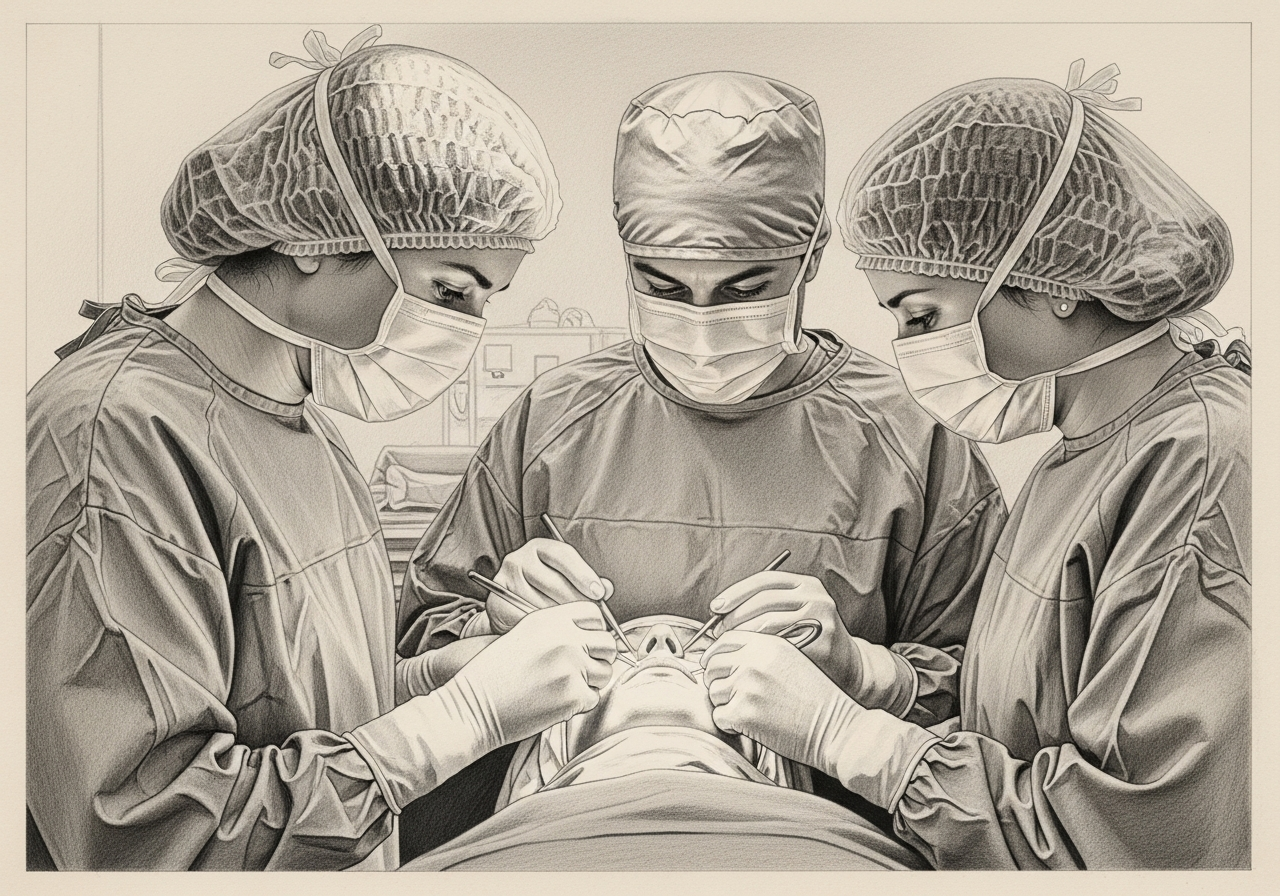
Through incisions placed in natural skin creases, often near the ear or within facelift-type lines, the surgeon passes a strip of fascia or a suture sling from a stable anchor point to the corner of the mouth and nearby tissue.
The sling is tensioned to lift the drooping side into balance with the opposite side at rest. Because tissues relax over time, the surgeon may set the position slightly higher initially.
Recovery and aftercare
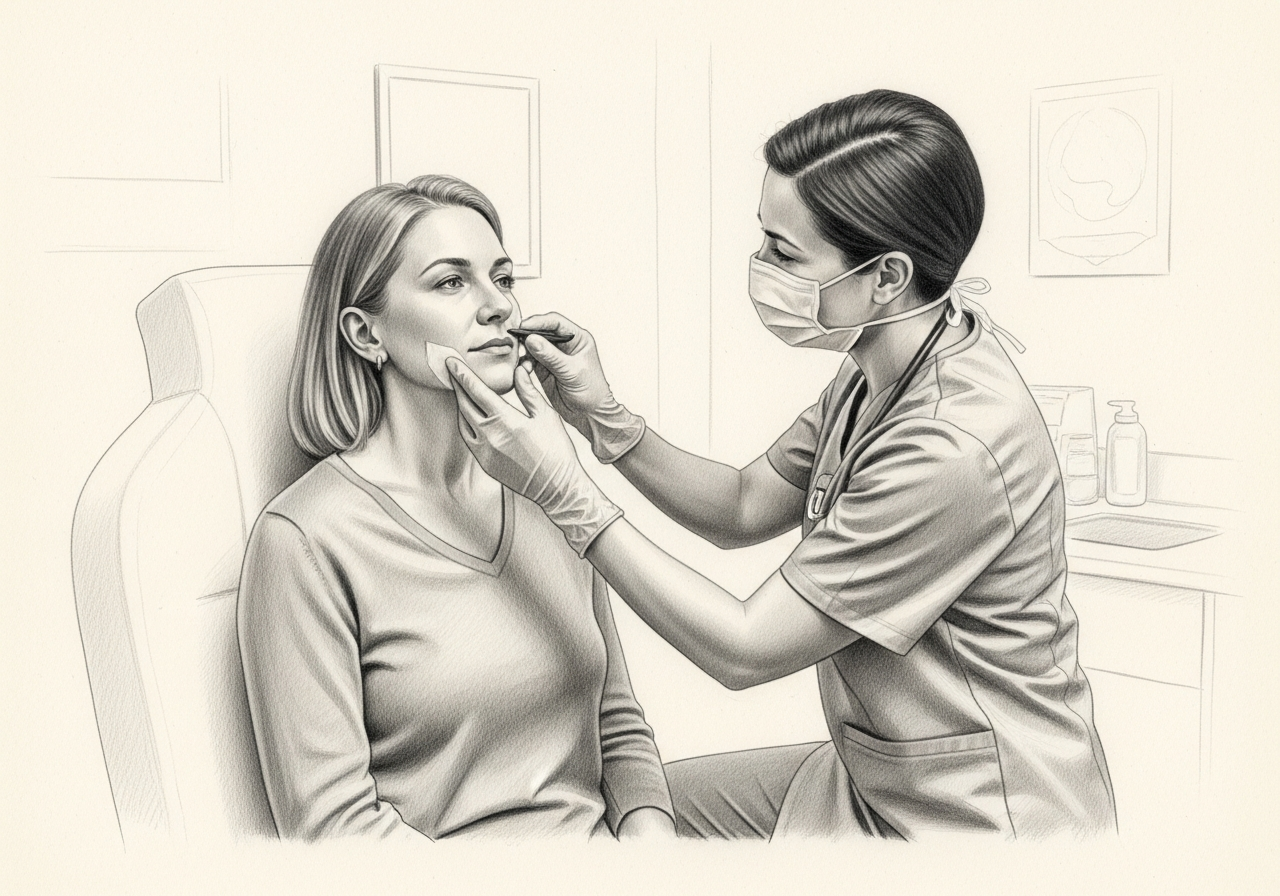
Swelling and bruising in the cheek and mouth area are expected early and improve over a few weeks. The treated side may look tight or slightly overcorrected at first, which usually softens as healing progresses.
Patients are asked to limit chewing on the treated side and avoid strenuous activity for a period to protect the suspension. Most resting symmetry becomes apparent over the following weeks to months.
Risks and alternatives
Possible risks include bleeding, infection, asymmetry, loosening or relaxation of the suspension over time, and the potential need for adjustment. Because the technique is static, it does not produce movement.
Alternatives and complementary options include dynamic reanimation such as tendon transfer or free muscle transfer, nerve transfer procedures, and nonsurgical measures. The best approach depends on the cause and duration of paralysis.
Results and follow-up
Static suspension is intended to improve symmetry at rest, support the mouth and cheek, and assist with functions such as eating and speech. It does not restore a spontaneous smile.
Because supported tissues can relax over time, some patients need adjustment or additional procedures later. Follow-up monitors position and overall facial balance.
Clinical references
Medical review
This page is a patient-education resource reviewed by the responsible Norelle ENT clinician before publication. It does not replace an in-person evaluation. If symptoms are severe or rapidly worsening, seek immediate medical care.
Patient Results
Before and After: Facial Paralysis
Photographs of Norelle ENT patients, published with consent. Individual results vary.
Specialists who perform static suspension

Dr. Rakhna Araslanova
MD, FRCSC, FACS
Fellowship-Trained Facial Plastic & Reconstructive Surgeon — Facial Paralysis and Reanimation
Dr. Rakhna Araslanova is a fellowship-trained facial plastic and reconstructive surgeon who leads facial paralysis and reanimation at Norelle ENT, with additional expertise in craniofacial reconstruction and aesthetic facial plastic surgery.
- Facial paralysis rehabilitation and surgical reanimation
- Craniofacial reconstruction
- Aesthetic facial plastic surgery
- Rhinoplasty
Also caring for this area




Not sure who to see? Our patient coordination team can help match you with the right specialist.
(212) 444-8006Frequently Asked Questions
It uses a graft or suture sling to lift and support drooping facial structures in facial paralysis, improving symmetry when the face is at rest.
No. It improves the position of the face at rest but does not create active movement. Procedures that restore movement are different and may be considered separately.
Surgeons often use a strip of the patient's own fascia or a suture-based sling anchored to stable deep tissue. The choice depends on the situation and surgeon preference.
People with facial paralysis and drooping of the mouth or cheek who are not candidates for, or do not want, movement-restoring surgery, or who need added support with another procedure.
Tissues can relax over time, so the suspension may loosen and require adjustment. The surgeon may set the lift slightly higher at first to allow for this.
Yes. Static suspension is often part of a broader facial paralysis plan that may also address eyelid closure, the brow, or the smile.
Swelling and bruising are common early and improve over a few weeks. Activity and chewing on the treated side are limited for a period, with resting symmetry settling over weeks to months.
Related Conditions

Related Procedures

1 of 3 · Temporalis Tendon Transfer
Request a consultation about static suspension
Schedule a consultation with our team to discuss whether this procedure is the right option for you.