What Is a Deviated Septum?
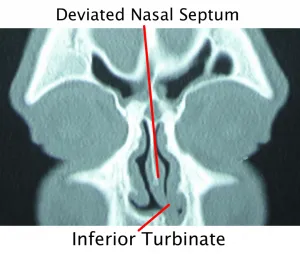
A deviated septum occurs when the cartilage and bone that divide the left and right sides of the nose are significantly shifted to one side. This narrowing of the nasal passages can cause difficulty breathing, chronic congestion, snoring, sleep disturbances, and recurrent sinus infections.
A deviated septum may be inherited, result from trauma, or develop with age. When it interferes with airflow and quality of life, surgical correction through septoplasty may be recommended to restore proper nasal function and improve breathing.

Request Consultation
Common Causes of a Deviated Septum
A deviated septum may develop due to:
- Congenital factors or genetics
- Normal growth and aging
- Trauma or injury to the nose
- Compression during childbirth
- Certain connective tissue disorders
A detailed nasal exam helps determine whether the septum is the primary cause of your symptoms.
Symptoms of a Deviated Septum
Symptoms are often chronic and may worsen over time. Common signs include:
- Persistent nasal congestion, often worse on one side
- Difficulty breathing through the nose
- Frequent nosebleeds or nasal crusting
- Facial pressure or headaches
- Postnasal drip
- Snoring or loud breathing during sleep
In some patients, nasal obstruction contributes to obstructive sleep apnea, which may cause daytime fatigue, morning headaches, and disrupted sleep.
If symptoms are affecting your quality of life, evaluation by an ENT surgeon is recommended.
Book an Appointment
Enlarged Turbinates and Nasal Obstruction
Many patients with a deviated septum also have enlarged turbinates, which are structures inside the nose that swell in response to irritation or allergies. Turbinate enlargement can further restrict airflow.
Medical therapy may help, but when symptoms persist, turbinate reduction surgery may be performed alongside septoplasty to improve breathing.
Contact Form
Septoplasty Surgery Overview
Septoplasty is the surgical procedure used to correct a deviated septum.
Key details:
- Performed entirely through the nostrils (no external incisions)
- Outpatient procedure
- Typically takes about 60 minutes
- General anesthesia is usually used
- Most patients return home the same day
During surgery, Dr. Mourad carefully reshapes or removes the deviated portions of cartilage and bone to create a straighter, more functional nasal airway.
If cosmetic concerns are also present, septoplasty may be combined with rhinoplasty (septorhinoplasty).
Request Consultation

Preparing for Deviated Septum Surgery
Before surgery, you will meet with Dr. Mourad for a comprehensive consultation. This visit focuses on:
- Reviewing your symptoms and breathing concerns
- Examining the internal and external nose
- Discussing treatment options and expectations
- Determining whether insurance may cover functional correction
Every treatment plan is individualized to ensure the best possible outcome.
Recovery After Septoplasty
Recovery varies by patient, but most experience:
- Nasal congestion for the first week
- Mild discomfort, typically managed with minimal medication
- Internal swelling that improves gradually over several weeks
Patients return for a follow-up visit approximately one week after surgery to clean the nasal passages and assess healing. Breathing typically improves as swelling subsides.
Most patients return to normal activities within a few days, avoiding strenuous activity until cleared by the surgeon.
Possible Risks and Complications
Septoplasty is generally safe when performed by an experienced ENT surgeon. Potential risks include:
- Persistent congestion or crusting
- Nosebleeds
- Shifting of the septum
Rare complications may include septal perforation, infection, or changes in nasal structure. These risks will be discussed in detail during your consultation.
Ready to Book?
If chronic nasal obstruction, snoring, or sinus issues are affecting your daily life, septoplasty may offer long-term relief. An expert evaluation is the first step.
Request Consultation
Meet Norelle Health
Moustafa Mourad, MD, FACS is double board-certified in Head and Neck Surgery and Facial Plastic Surgery and Reconstruction. He is a Fellow of the American College of Surgeons and a Member of the American Academy of Facial Plastic and Reconstructive Surgery. He treats many conditions,… Learn More »
Published: Dec 14th, 2021
Last Reviewed: May 24th, 2022