

About the Procedure
Endoscopic sinus surgery is designed to improve drainage, remove obstructive disease, and create access for ongoing topical treatment. It is not a replacement for diagnosis or for all future medical care. The decision considers who may benefit, what extent of surgery is being proposed, which alternatives were considered, and how postoperative care affects the result.
The procedure is performed through the nostrils using endoscopes and specialized instruments, without external incisions. It becomes appropriate when your symptoms, nasal endoscopy, CT imaging, and response to medical therapy together support surgery and the expected benefit outweighs the risks.
What this evaluation should clarify
A focused evaluation should answer a few key questions before any procedure is recommended:
- Is the underlying diagnosis and treatment goal established with the right examination, imaging, testing, or pathology?
- How does this option compare with continued medical care, a different procedure, observation, or referral to another specialty?
- Which anatomy, prior treatment, other health conditions, benefits, risks, and recovery requirements change the recommendation?
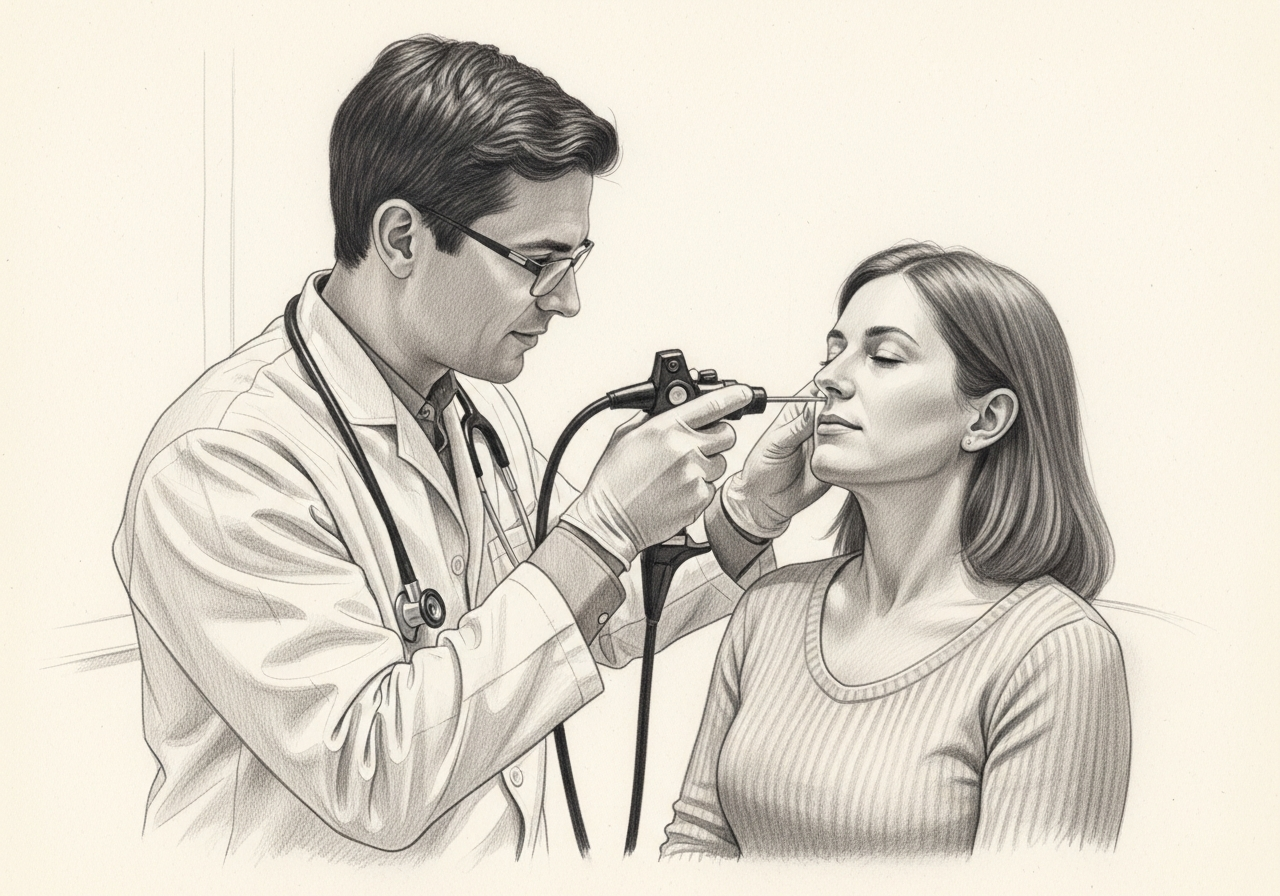
Considering endoscopic sinus surgery? The next step is a quiet, unhurried conversation.
Evaluation and treatment pathway
The pathway is individualized and generally follows these steps:
- Confirm the diagnosis, the treatment goal, and the reasons a less invasive or nonsurgical approach is not enough.
- Look for a clearly defined diagnosis, objective disease on endoscopy or imaging, symptoms or risks that justify intervention, and an adequate review of medical therapy, alternatives, and personal goals.
- Consider alternatives, which can include optimized topical or systemic treatment, biologic therapy, selected balloon dilation, treatment of dental or allergic contributors, observation, or a different operation depending on the diagnosis.
- Tailor the operation to the involved sinuses and pathology; it may include limited opening, polyp removal, tissue sampling, more extensive drainage, or navigation in selected complex anatomy, with the exact plan covered in the consent discussion.
- Recovery includes medication instructions, saline care, activity limits, follow-up endoscopy, and sometimes debridement, separating common temporary symptoms from same-day and emergency warning signs.
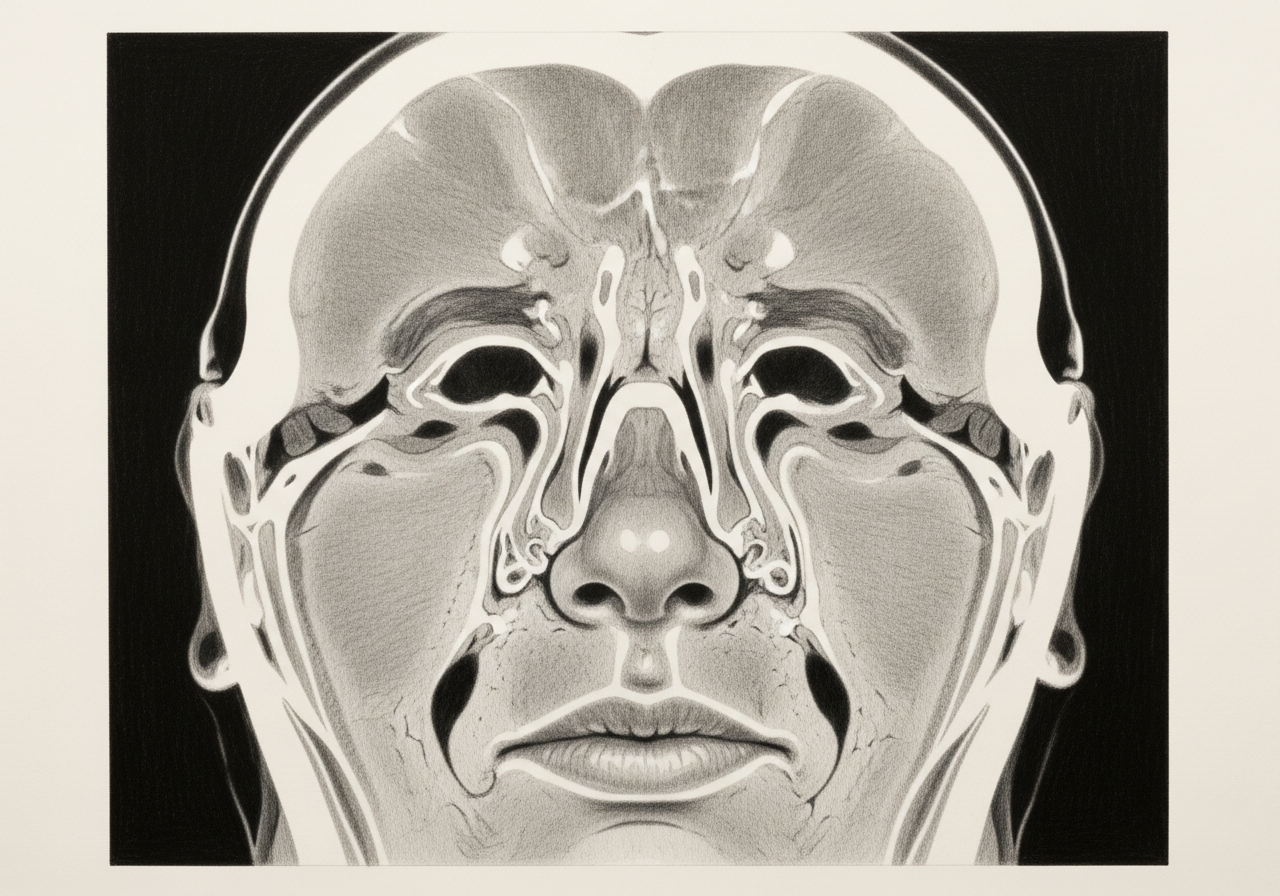
How the procedure is performed
Endoscopic sinus surgery is performed through the nostrils using endoscopes and specialized instruments, without external incisions. The surgeon opens blocked sinus drainage pathways, removes obstructing inflammatory tissue or polyps, and creates access so that topical medication can reach the sinus lining afterward.
The extent of surgery is individualized to your anatomy and disease. The aim is to improve drainage and ventilation while preserving healthy tissue and protecting nearby structures such as the eye and skull base.
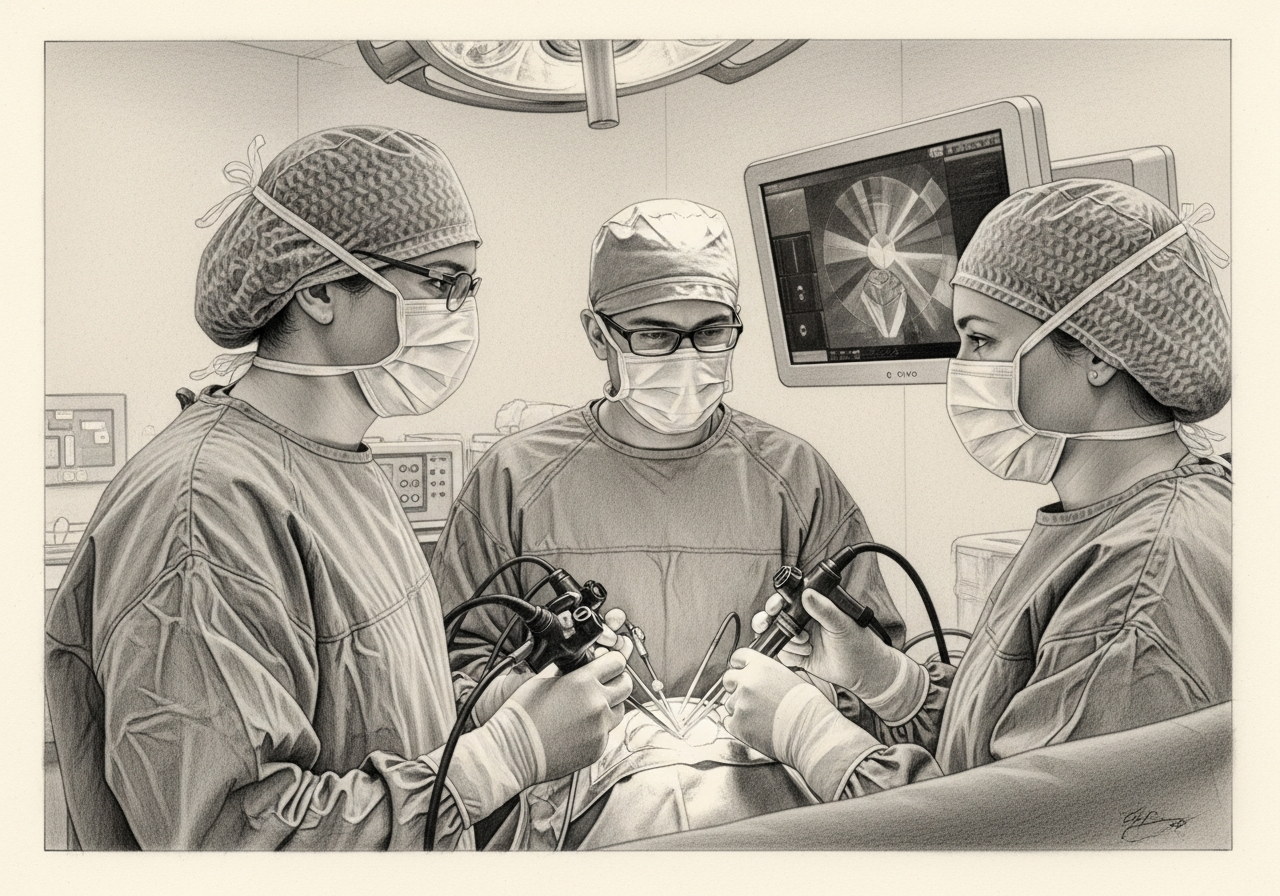
Risks, limitations, and alternatives
Possible risks include bleeding, infection, crusting, scarring, persistent symptoms, recurrence, and changes in smell. Less commonly, surgery near the eye and skull base carries risks of eye-related complications or a cerebrospinal fluid leak, which the team works carefully to avoid.
An important limitation is that surgery improves drainage and access for medication but does not cure the underlying tendency toward inflammation. Many patients continue medical therapy afterward. Alternatives may include continued medical management or, for selected patients, balloon sinuplasty.

Recovery, follow-up, and long-term planning
Recovery generally involves congestion, crusting, and saline rinses in the early weeks, with one or more in-office endoscopic cleaning visits to support healing. Many patients return to light activity within several days, with heavier exertion limited for a short period.
Improvement in breathing and drainage develops gradually. Because chronic sinus disease is often long-term, follow-up and ongoing rinses or topical medication help maintain results and catch recurrences early.
What to bring to your consultation
Gathering the right records ahead of time helps make the consultation productive. Useful items include:
- Imaging files and reports, such as prior sinus CT scans
- Endoscopy or operative findings from earlier care
- Pathology results, if any
- Relevant laboratory results
- Notes from prior treatment
- A current medication list
- The specific question you want answered
When to seek urgent care
After surgery, certain symptoms require urgent or emergency guidance from the treating team, including major bleeding, vision changes, a severe or escalating headache, clear continuous drainage, fever with a stiff neck, neurologic symptoms, chest pain, or difficulty breathing. A routine appointment request or online form is not an emergency service; for emergency symptoms, seek immediate care.
Medical review
This page is a patient-education resource reviewed by the responsible Norelle Health clinician before publication. It does not replace an in-person evaluation. If symptoms are severe or rapidly worsening, seek immediate medical care.
Specialists who perform endoscopic sinus surgery
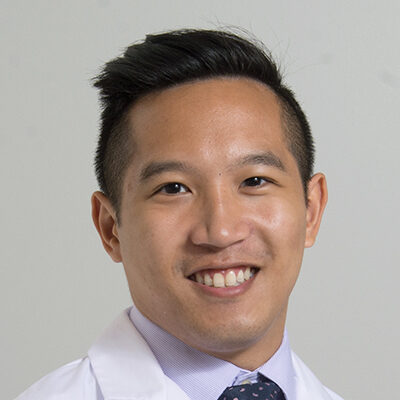
Dr. Adrian Ong
MD
Board-Certified Facial Plastic & Reconstructive and Head & Neck Surgeon
Dr. Adrian Ong is a board-certified surgeon who practices exclusively on the face, head, and neck, with expertise spanning rhinoplasty, sinus surgery, facial trauma, reconstruction, and sleep surgery.
- Functional and aesthetic rhinoplasty (including revision)
- Sinus surgery and complex revision sinus surgery
- Facial trauma and nasal fractures
- Head and neck cancer surgery and microvascular reconstruction
Also caring for this area


Not sure who to see? Our patient coordination team can help match you with the right specialist.
(212) 444-8006Frequently Asked Questions
Candidates should have a clearly defined diagnosis, objective disease on endoscopy or imaging, symptoms or risks that justify intervention, and an adequate review of medical therapy, alternatives, and personal goals.
The operation is tailored to the involved sinuses and pathology. It may include limited opening, polyp removal, tissue sampling, more extensive drainage, or navigation in selected complex anatomy, and the exact plan belongs in the consent discussion.
Alternatives can include optimized topical or systemic treatment, biologic therapy, selected balloon dilation, treatment of dental or allergic contributors, observation, or a different operation depending on the diagnosis.
Recovery includes medication instructions, saline care, activity limits, follow-up endoscopy, and sometimes debridement. Common temporary symptoms are different from same-day and emergency warning signs.
Clinical References
These independent resources from medical and professional organizations offer further reading. They are provided for general education and do not replace a consultation with a clinician.
Related Conditions

1 of 2 · Chronic Sinusitis
Related Procedures

1 of 4 · Revision Sinus Surgery
Request a consultation about endoscopic sinus surgery
Schedule a consultation with our team to discuss whether this procedure is the right option for you.